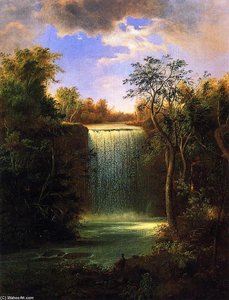
Ver en contexto
 Enviar
 Compartir
 Detalles
 Guía
Guía

 Descargar
 Similares
 Radiografía
 Presentación de diapositivas
 Estadísticas
William Berthelet


 Ver más
Reproducción al óleo hecha a mano
Óleo sobre lienzo pintado a mano en el tamaño y marco de su elección, realizado por encargo por nuestros artistas. ( Cambiar a impresiones Cambiar a imagen digital)




P118B €10

P118H €10

P118W €10

P438Z €10

P508JH €12

P508YH €12

P805H €10

P805Z €10

P919BZ €10

P919G €10

P919XJ €10

P959ZH €10

P968JZ €12

W106C €8

W218G €10

W218JH €8

W218Y €10

W307PJ €10

W316G €10

W316PJ €8

W316Y €10

W398PJ €8

W4111J €10

W500HY €15

W500JH €15

W692G €12

W849H €8

W940BG €15

W953PJ €8




Elija entre nuestros tamaños predefinidos que respetan las proporciones originales de la obra.

Indique el ancho y el alto que necesite para adaptarse a su marco o pared. Al tratarse de una obra pintada a mano, si requiere un tamaño con una proporción distinta, el artista puede pintar un poco más alrededor de la imagen o recortarla ligeramente; usted elige. Le enviaremos una maqueta digital para su aprobación antes de comenzar la pintura. La imagen que se muestra en esta página no refleja el resultado real; solo la maqueta lo hace.
Tras realizar el pedido, el equipo de OriginalUniqueArt.com enviará un correo electrónico al cliente para solicitar instrucciones y proporcionarle una vista previa del boceto.
Envío a todo el mundo () en 3-4 semanas en lugar de las 5 semanas estándar. (26 octubre). Sin comprometer la calidad.

Envío exprés gratuito a todo el mundo

Lienzo de lino de alta calidad

Seguro de envío total

Garantía de reembolso de aranceles aduaneros

Garantía de fidelidad cromática exacta

Política de devolución de 100 días (solo por defectos)

Garantía de devolución del 100% del dinero

Descuento por cantidad
 La opción de vidrio solo está disponible en tamaños inferiores a 110 cm.

William Berthelet
Técnica de reproducción
Dimensiones de la reproducción
-


Precio total final
€ 263
William Berthelet’s “William Berthelet” – A Window into Victorian Sentiment
Robert Seldon Duncanson's 1846 portrait of a young boy, titled simply "William Berthelet," is more than just a likeness; it’s a carefully constructed tableau of Victorian sentimentality and academic realism. Painted during a period of significant social and artistic change in America – the rise of the Hudson River School movement and the burgeoning interest in capturing fleeting moments of childhood innocence – this work offers a poignant glimpse into the values and aesthetics of the era. The painting, currently residing within the Detroit Institute of Arts collection, immediately draws the viewer in with its dark, rich background, a deliberate choice that serves to isolate and elevate the subject, a young boy seated thoughtfully in a simple chair.
Duncanson’s technique is distinctly rooted in the academic tradition. He employs meticulous detail, rendering each fold of clothing, each strand of hair, with painstaking accuracy. The brushstrokes are visible yet controlled, creating a sense of texture and depth that invites close inspection. Linear forms dominate the composition – the boy's face, the chair’s structure, even the subtle lines of his attire – contributing to a formal, almost architectural quality. However, Duncanson isn’t merely replicating reality; he’s shaping it, imbuing it with an emotional resonance that transcends mere representation. The use of chiaroscuro—the dramatic contrast between light and shadow—is particularly effective in sculpting the boy's features, highlighting his youthful face and casting intriguing shadows that suggest introspection and quiet contemplation.
A Portrait of Innocence and Victorian Values
The subject himself is presented with a remarkable degree of dignity. The young boy, identified as William Berthelet, sits upright, his gaze directed slightly off-camera, creating an air of mystery and reserve. His posture conveys a sense of composure and self-awareness beyond his years. This deliberate presentation speaks to the Victorian emphasis on moral character and the importance of cultivating virtue in children. The setting—a simple chair within a dark interior—further reinforces this theme, suggesting a space of quiet reflection and private thought. It’s not a bustling family scene or an elaborate portrait of wealth; rather, it's a focused moment dedicated to the individual.
The painting’s historical context is crucial to understanding its deeper meaning. The mid-19th century was a time of rapid industrialization and social upheaval in America. Traditional values were being challenged by new ideas and economic realities. Duncanson, through this portrait, seems to be offering a nostalgic vision of a simpler, more virtuous past—a world where childhood innocence could still flourish amidst the complexities of modern life. The painting can be interpreted as a subtle commentary on the anxieties and aspirations of the Victorian era, capturing both its idealism and its underlying sense of unease.
Symbolism and Emotional Resonance
Beyond its formal qualities, “William Berthelet” is rich in symbolic detail. The dark background, as mentioned earlier, serves to isolate the boy, emphasizing his vulnerability and innocence. The muted color palette—primarily browns, grays, and blacks—contributes to a mood of solemnity and introspection. Even the pose of the boy – seated, contemplative – carries significant weight. It’s not an active, playful posture; it's one of quiet observation, suggesting a mind already engaged in thought and reflection.
The painting evokes a powerful sense of nostalgia—a longing for a bygone era of innocence and simplicity. The boy’s expression is ambiguous, inviting the viewer to project their own emotions onto him. Is he lost in thought? Is he melancholy? Or perhaps simply observing the world with quiet curiosity? Duncanson masterfully avoids offering easy answers, allowing the painting to resonate on a deeply personal level. It's a testament to his skill that “William Berthelet” continues to captivate viewers more than 170 years after its creation.
A Timeless Masterpiece – Reproduction Options
Robert Seldon Duncanson’s "William Berthelet" is a remarkable achievement of American art, offering a compelling blend of technical skill and emotional depth. OriginalUniqueArt.com offers high-quality reproductions that faithfully capture the painting's rich details and evocative atmosphere. Whether you are an art collector, an interior designer seeking to add a touch of Victorian elegance to your space, or simply someone who appreciates beautiful artwork, a reproduction of “William Berthelet” is sure to be a treasured addition to your collection. Explore our range of sizes and framing options to find the perfect way to bring this timeless masterpiece into your home.
Preguntas y respuestas
¿Qué tamaño de impresión de "William Berthelet" de Robert Seldon Duncanson se adapta mejor a la habitación recomendada?
Para un/a Living Room, el tamaño de impresión recomendado para "William Berthelet" de Robert Seldon Duncanson es Medium.
¿Se puede descargar la imagen de "William Berthelet"?
Hay una descarga disponible para "William Berthelet": la página de Descargar imagen digital de la obra ofrece descarga de una imagen digital en alta resolución.
¿Qué atmósfera aporta "William Berthelet" de Robert Seldon Duncanson a un espacio interior?
La atmósfera Romantic de "William Berthelet" de Robert Seldon Duncanson armoniza perfectamente con su espacio recomendado: un Living Room.
Biografía del artista
Robert Seldon Duncanson: Una Vida y un Legado
- Nacido: Fayetteville, Nueva York (aproximadamente 1821)
- Fallecido: 21 de diciembre de 1872
- Origen: OriginalUniqueArt
Primeros Años y Desarrollo Artístico
- La familia de Duncanson era de ascendencia europea y africana. Su padre, John Dean Duncanson, un comerciante negro libre, inculcó en sus hijos el valor del trabajo duro y la educación.
- La familia se mudó a Monroe, Michigan, donde Robert aprendió carpintería y pintura. Demostró un talento artístico temprano, lo que lo llevó a dedicarse al retrato.
- En 1840, se trasladó a Cincinnati, Ohio, un floreciente centro cultural conocido como la "Atenas del Oeste". Este entorno proporcionó oportunidades de crecimiento artístico y exposición.
- Duncanson fue en gran medida autodidacta, estudiando grabados y copias, dibujando desde la naturaleza y copiando obras de otros artistas. Carecía de formación formal pero desarrolló un ojo agudo y una habilidad técnica.
Estilo Artístico e Influencias
- Influencia de la Escuela del Río Hudson: El estilo de Duncanson estuvo fuertemente influenciado por la Escuela del Río Hudson de pintura paisajística, conocida por sus románticas representaciones de la naturaleza americana. Artistas como Thomas Cole fueron inspiraciones significativas.
- Enfoque en el Paisaje: Pasó del retrato a centrarse principalmente en paisajes, capturando escenas del Valle del Río Ohio y más allá.
- Romanticismo: Sus obras a menudo transmitían una sensación de grandeza, tranquilidad y conexión espiritual con la naturaleza, característica del Romanticismo.
- Paleta de Colores y Técnica: Duncanson empleó una rica paleta de colores y un detalle meticuloso en sus pinturas, demostrando un dominio de la técnica.
Logros e Reconocimientos Principales
- Primeras Exposiciones: Sus obras fueron exhibidas en la Academia de Bellas Artes de Cincinnati tan pronto como en 1842, lo que le valió reconocimiento dentro de la comunidad artística local.
- Gira Europea (1853-1854): Un punto de inflexión importante en su carrera fue un viaje a Europa donde estudió a los maestros europeos y amplió sus horizontes artísticos.
- Reconocimiento Internacional: Duncanson logró reconocimiento internacional, exhibiendo sus obras en Inglaterra, Escocia, Canadá y Estados Unidos. Se convirtió en el primer artista afroamericano en obtener tal amplio reconocimiento.
- Tradición del Valle del Río Ohio: Jugó un papel clave en el desarrollo de la tradición paisajística del Valle del Río Ohio, contribuyendo significativamente a su identidad artística.
Significado Histórico y Legado
- Pionero para Artistas Negros: El éxito de Duncanson rompió barreras para los artistas afroamericanos durante una época de prejuicio y discriminación racial. Sirvió como inspiración para futuras generaciones.
- Identidad Racial en el Arte: Los historiadores del arte debaten la medida en que su raza influyó en su expresión artística, con algunos sugiriendo representaciones simbólicas sutiles de temas raciales dentro de sus paisajes.
- Figura Olvidada Redescubierta: Durante muchos años, la obra de Duncanson fue en gran parte pasada por alto. Los estudios y exposiciones recientes han atraído una atención renovada a sus contribuciones a la historia del arte americano.
- Un Testimonio de Resiliencia: Su historia de vida es un testimonio de la resiliencia y el talento de los afroamericanos frente a la adversidad, demostrando su capacidad para lograr la excelencia artística a pesar de los desafíos sistémicos.
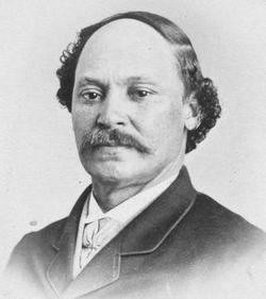
Robert Seldon Duncanson
1821 - 1872 , Estados Unidos de América
Datos clave
- Artistas Que Influyeron: ['Thomas Cole']
- Fecha De Fallecimiento: 21 de diciembre de 1872
- Fecha De Nacimiento: c. 1821
- Lugar De Nacimiento: Fayetteville, EE. UU.
- Movimiento Artístico: Escuela del Río Hudson
- Nacionalidad: Estadounidense
- Nombre Completo: Robert Seldon Duncanson
- Obras Notables:
- Roses Still Life
- Waterfall on Mont Morency
- Vulture and Its Prey
- Minnenopa Falls, Minnesota
Artículos relacionados
El Realismo Académico: Técnica, Historia e Influencia Duradera en el Arte
Descubre el Realismo Académico: su historia, técnicas innovadoras y los artistas clave como Courbet y Manet. Guía experta para coleccionistas y amantes del arte del siglo XIX.

10 Obras Maestras del Realismo Romántico que Debes Conocer
Explora la emoción y el detalle del Realismo Romántico. Un viaje por 10 obras maestras que capturan la esencia humana con técnica y alma. Encuentra inspiración y reproducciones de calidad museo para tu hogar en OriginalUniqueArt.com. ¡Descubre toda la colección online!
Los 10 Maestros del Realismo Académico: Obras que Marcaron la Historia del Arte
Descubre los 10 lienzos más emblemáticos del Realismo Académico. Explora la historia, técnica y belleza de obras maestras de Bouguereau, Gérôme y Cabanel. Encuentra reproducciones de arte clásico en OriginalUniqueArt.com.
The Timeless Elegance of Academic Painting: Mastering the Art of Realism for the Discerning Collector
Explore the profound beauty of Academic Painting and Realism. Discover how master artists capture truth through meticulous technique, offering discerning collectors unparalleled excellence in hand-painted oil reproductions and bespoke fine art commissions.

The Beauty of Perfection: A Journey Through the Rigor and Radiance of Academic Realism
Explore the profound elegance of Academic Realism. Discover how meticulous observation, anatomical precision, and the pursuit of ideal beauty created a timeless legacy of technical mastery and emotional depth in the world's most revered art academies.