Vista previa
 Compartir
 Compartir
 Ver detalles
 Guía
Guía

 Descargar
 Ver artículos similares
 Radiografía
 Presentación de diapositivas
 Estadísticas
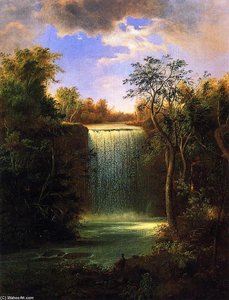
Landscape Mural
 Oil On Canvas
- WallArt
- Hudson River School
 1852
1852 280.0 x 221.0 cm
 Taft Museum of Art
 Leer más
Reproducción al óleo hecha a mano
Óleo sobre lienzo pintado a mano en el tamaño y marco de su elección, realizado por encargo por nuestros artistas. ( Cambiar a formato impreso Ver versión en imagen digital)




P118B €10

P118H €10

P118W €10

P438Z €10

P508JH €12

P508YH €12

P805H €10

P805Z €10

P919BZ €10

P919G €10

P919XJ €10

P959ZH €10

P968JZ €12

W106C €8

W218G €10

W218JH €8

W218Y €10

W307PJ €10

W316G €10

W316PJ €8

W316Y €10

W398PJ €8

W4111J €10

W500HY €15

W500JH €15

W692G €12

W849H €8

W940BG €15

W953PJ €8




Elija entre nuestros tamaños predefinidos que respetan las proporciones originales de la obra.

Escriba el ancho y el alto que necesite para adaptarse a su marco o a su pared. Al ser una obra pintada a mano, para un tamaño con una forma distinta, el artista puede pintar un poco más alrededor de la imagen o recortar un poco; usted elige. Le enviaremos una maqueta digital para su aprobación antes de comenzar la pintura. La imagen que se muestra en esta página no refleja el resultado real; solo la maqueta lo hace.
Tras realizar el pedido, el equipo de OriginalUniqueArt.com enviará un correo electrónico al cliente para solicitar instrucciones y proporcionarle una vista previa del boceto.
Envío a todo el mundo () en 3-4 semanas en lugar de las 5 semanas estándar. (22 octubre). Sin comprometer la calidad.

Envío exprés gratuito a todo el mundo

Lienzo de lino de alta calidad

Seguro de envío completo

Garantía de reembolso de impuestos aduaneros

Garantía de fidelidad cromática exacta

Política de devolución de 100 días (solo por defectos)

Garantía de devolución del 100% del dinero

Oferta por volumen
 La opción de vidrio solo está disponible en tamaños inferiores a 110 cm.

Landscape Mural
Técnica de reproducción
Tamaño de la reproducción
-


Precio total
€ 263
Robert Seldon Duncanson’s “Landscape Mural”: A Window into Romantic America
Robert Seldon Duncanson's "Landscape Mural," painted in 1852, isn’t merely a depiction of a serene vista; it’s a carefully constructed window into the heart of 19th-century American art and the evolving consciousness of its time. Commissioned by Nicholas Longworth, a prominent Cincinnati merchant and art patron, this monumental work—measuring an impressive 110 inches by 78 inches—represents a pivotal moment in Duncanson’s career and a significant contribution to the Hudson River School movement. More than just a pretty picture, it's a meditation on nature, spirituality, and the burgeoning sense of national identity taking shape within the United States.
The scene itself is deceptively simple: a winding river snakes through a densely wooded landscape, culminating in distant hills bathed in the soft light of a cloudy sky. Yet, beneath this apparent tranquility lies a complex layering of influences. Duncanson, deeply influenced by the European Romantic painters like Caspar David Friedrich and J.M.W. Turner, masterfully employs atmospheric perspective – a technique borrowed from the Northern Renaissance masters – to create an illusion of immense depth. The colors subtly shift with distance, suggesting both the vastness of the natural world and the limitations of human perception. The composition is carefully balanced, utilizing vertical elements like the trees to anchor the scene while the river provides a horizontal flow that guides the eye through the landscape.
A Pioneer’s Palette: Technique and Artistic Process
Duncanson's skill as a painter is evident in his meticulous attention to detail and his masterful use of oil paint. The brushstrokes are visible, contributing to the texture and richness of the scene—a hallmark of the Hudson River School style. He employed a layering technique, building up color gradually to achieve luminous effects and capturing the subtle nuances of light and shadow. Notably, Duncanson worked directly on the plaster walls of Longworth’s home, a practice known as “direct painting,” which allowed him to seamlessly integrate his artwork into the architecture. This method also meant that the mural was inherently tied to its environment, responding to the changing light and atmosphere within the room.
The choice of palette is particularly noteworthy. Duncanson favored muted earth tones—greens, browns, blues—creating a sense of quiet contemplation and harmony with nature. The subtle use of color evokes a feeling of nostalgia for a simpler time, reflecting the Romantic ideal of returning to nature as a source of spiritual renewal. He avoided dramatic contrasts or overly bright colors, opting instead for a more subdued and atmospheric approach that prioritized mood and emotion over literal representation.
Symbolism and the American Landscape
While superficially depicting a picturesque landscape, “Landscape Mural” is rich in symbolic meaning. The winding river can be interpreted as a metaphor for the journey of life, while the dense forest represents the mysteries and challenges that lie ahead. The distant hills symbolize aspiration and hope—a reminder of the potential for growth and fulfillment. Duncanson’s work reflects the growing American fascination with the natural world during this period, coinciding with westward expansion and the development of a distinct national identity.
Furthermore, Duncanson's background as an African American artist adds another layer of complexity to the mural's interpretation. Some scholars suggest that he subtly incorporated racial metaphors into his work, using the landscape to represent both the beauty and the challenges faced by Black Americans in a racially divided nation. The painting’s quiet dignity and contemplative mood can be seen as a powerful statement of resilience and hope in the face of adversity.
A Legacy of Beauty: Reproduction and Appreciation
Today, “Landscape Mural” stands as a testament to Duncanson's artistic vision and his enduring legacy. Reproductions offer a remarkable opportunity to experience the beauty and emotional depth of this iconic work. When selecting a reproduction, consider the quality of materials used—a high-quality print on archival paper will ensure that the colors remain vibrant for years to come. “Landscape Mural” continues to inspire artists and art lovers alike, reminding us of the power of nature to evoke emotion, stimulate contemplation, and connect us to something larger than ourselves.
Preguntas y respuestas
¿Para qué se recomienda una reproducción de "Landscape Mural" de Robert Seldon Duncanson?
El uso recomendado de una impresión de "Landscape Mural" es Statement.
¿Muestra "Landscape Mural" contrastes marcados entre luces y sombras?
El contraste entre luces y sombras de "Landscape Mural" se registra como Gentle. El contraste describe la intensidad con la que difieren las zonas claras y oscuras.
¿Qué técnica se utilizó para "Landscape Mural" de Robert Seldon Duncanson?
Robert Seldon Duncanson utilizó la técnica de Oil On Canvas para "Landscape Mural". La técnica define la naturaleza material de la obra original.
Biografía del artista
Robert Seldon Duncanson: Una Vida y un Legado
- Nacido: Fayetteville, Nueva York (aproximadamente 1821)
- Fallecido: 21 de diciembre de 1872
- Origen: OriginalUniqueArt
Primeros Años y Desarrollo Artístico
- La familia de Duncanson era de ascendencia europea y africana. Su padre, John Dean Duncanson, un comerciante negro libre, inculcó en sus hijos el valor del trabajo duro y la educación.
- La familia se mudó a Monroe, Michigan, donde Robert aprendió carpintería y pintura. Demostró un talento artístico temprano, lo que lo llevó a dedicarse al retrato.
- En 1840, se trasladó a Cincinnati, Ohio, un floreciente centro cultural conocido como la "Atenas del Oeste". Este entorno proporcionó oportunidades de crecimiento artístico y exposición.
- Duncanson fue en gran medida autodidacta, estudiando grabados y copias, dibujando desde la naturaleza y copiando obras de otros artistas. Carecía de formación formal pero desarrolló un ojo agudo y una habilidad técnica.
Estilo Artístico e Influencias
- Influencia de la Escuela del Río Hudson: El estilo de Duncanson estuvo fuertemente influenciado por la Escuela del Río Hudson de pintura paisajística, conocida por sus románticas representaciones de la naturaleza americana. Artistas como Thomas Cole fueron inspiraciones significativas.
- Enfoque en el Paisaje: Pasó del retrato a centrarse principalmente en paisajes, capturando escenas del Valle del Río Ohio y más allá.
- Romanticismo: Sus obras a menudo transmitían una sensación de grandeza, tranquilidad y conexión espiritual con la naturaleza, característica del Romanticismo.
- Paleta de Colores y Técnica: Duncanson empleó una rica paleta de colores y un detalle meticuloso en sus pinturas, demostrando un dominio de la técnica.
Logros e Reconocimientos Principales
- Primeras Exposiciones: Sus obras fueron exhibidas en la Academia de Bellas Artes de Cincinnati tan pronto como en 1842, lo que le valió reconocimiento dentro de la comunidad artística local.
- Gira Europea (1853-1854): Un punto de inflexión importante en su carrera fue un viaje a Europa donde estudió a los maestros europeos y amplió sus horizontes artísticos.
- Reconocimiento Internacional: Duncanson logró reconocimiento internacional, exhibiendo sus obras en Inglaterra, Escocia, Canadá y Estados Unidos. Se convirtió en el primer artista afroamericano en obtener tal amplio reconocimiento.
- Tradición del Valle del Río Ohio: Jugó un papel clave en el desarrollo de la tradición paisajística del Valle del Río Ohio, contribuyendo significativamente a su identidad artística.
Significado Histórico y Legado
- Pionero para Artistas Negros: El éxito de Duncanson rompió barreras para los artistas afroamericanos durante una época de prejuicio y discriminación racial. Sirvió como inspiración para futuras generaciones.
- Identidad Racial en el Arte: Los historiadores del arte debaten la medida en que su raza influyó en su expresión artística, con algunos sugiriendo representaciones simbólicas sutiles de temas raciales dentro de sus paisajes.
- Figura Olvidada Redescubierta: Durante muchos años, la obra de Duncanson fue en gran parte pasada por alto. Los estudios y exposiciones recientes han atraído una atención renovada a sus contribuciones a la historia del arte americano.
- Un Testimonio de Resiliencia: Su historia de vida es un testimonio de la resiliencia y el talento de los afroamericanos frente a la adversidad, demostrando su capacidad para lograr la excelencia artística a pesar de los desafíos sistémicos.
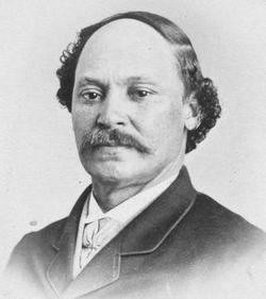
Robert Seldon Duncanson
1821 - 1872 , Estados Unidos de América
Datos clave
- Artistas Que Influyeron: ['Thomas Cole']
- Fecha De Fallecimiento: 21 de diciembre de 1872
- Fecha De Nacimiento: c. 1821
- Lugar De Nacimiento: Fayetteville, EE. UU.
- Movimiento Artístico: Escuela del Río Hudson
- Nacionalidad: Estadounidense
- Nombre Completo: Robert Seldon Duncanson
- Obras Notables:
- Roses Still Life
- Waterfall on Mont Morency
- Vulture and Its Prey
- Minnenopa Falls, Minnesota
Artículos relacionados
Robert Spencer: Luminism, Narrative & the American Landscape Tradition
Explore the captivating world of Luminism & the Hudson River School with our expert analysis. Discover the history, artists, and enduring beauty of 19th-century American landscape painting. Find museum-quality reproductions at OriginalUniqueArt.

Evoking Nature's Sublime: A Comprehensive Exploration of 19th-Century Landscape Painting
Explore the captivating world of 19th-century landscape painting! Discover renowned artists like Friedrich & Monet, key movements, and find the perfect artwork to bring nature's serenity into your home. Expert insights at OriginalUniqueArt.
El Sublime Paisaje Americano: Explorando el Movimiento de la Escuela del Río Hudson
Descubre la Escuela del Río Hudson: un movimiento artístico clave en la historia de la pintura estadounidense. Explora su estética romántica, sus artistas más destacados y el concepto del sublime paisaje americano.

Los 10 Maestros del Río Hudson: Obras que Definieron un Movimiento Artístico
Descubre los 10 lienzos más emblemáticos de la Escuela del Río Hudson. Explora las obras maestras de Thomas Cole, Church y Bierstadt que capturan la belleza del paisaje americano. Encuentra reproducciones de arte exclusivas en OriginalUniqueArt.com.

Paisajes Románticos: 10 Obras Maestras que Definieron un Movimiento Artístico
Descubre los 10 paisajes románticos más influyentes de artistas como Caspar David Friedrich y Turner. Explora la belleza, el simbolismo y las técnicas del movimiento romántico. Reproducciones de arte exclusivas en OriginalUniqueArt.com.