
 Vista previa
 Compartir
 Compartir
 Ver detalles

 Descargar
 Ver similares
 Radiografía
 Presentación de diapositivas
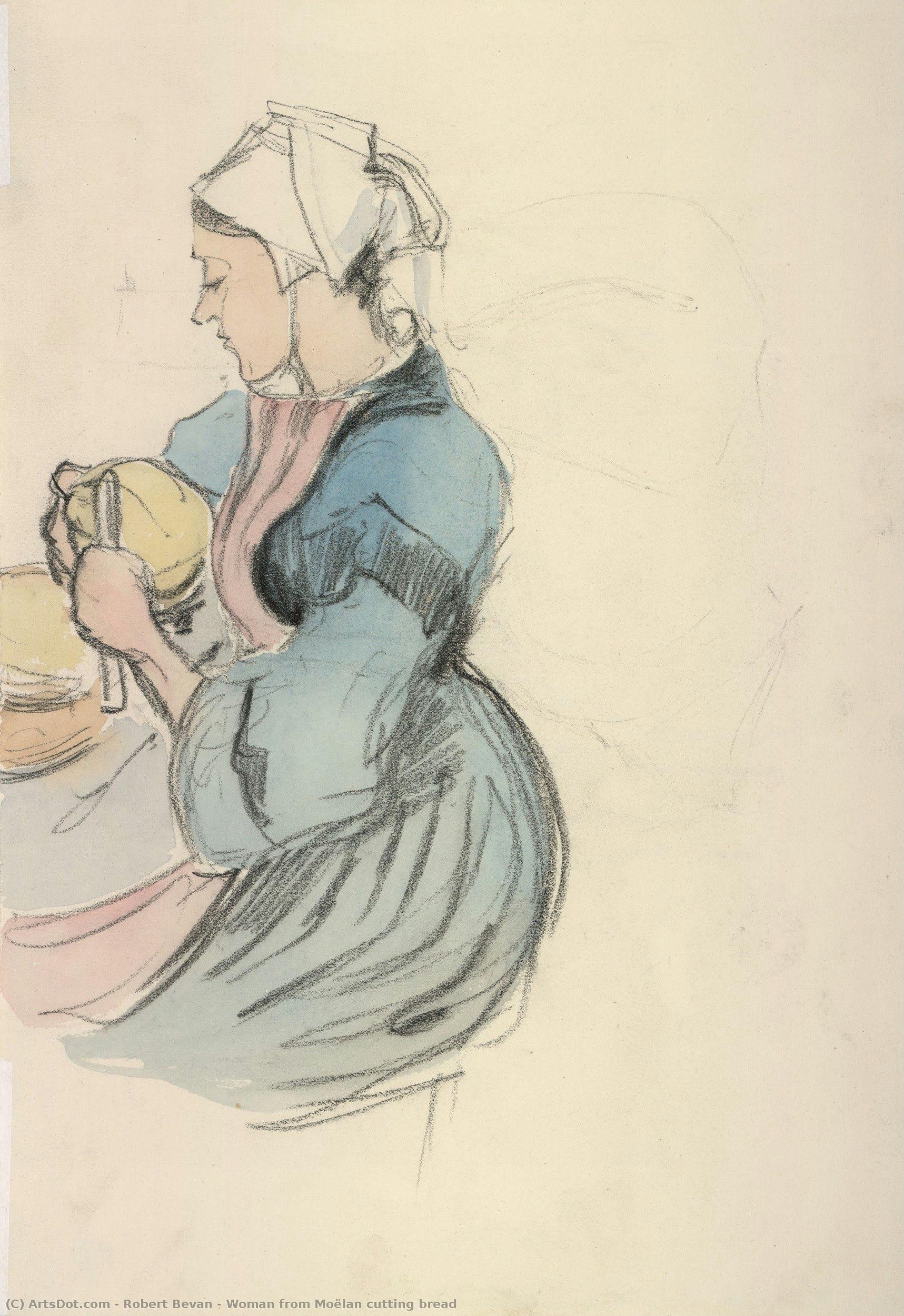
Woman from Moëlan cutting bread
 Acrylic On Canvas
- WallArt
- Fauvism
 1891
1891- 19th Century
 34.0 x 24.0 cm
 Museo de Pont-Aven
 Leer más
Giclée / Impresión de arte
Impresiones giclée o en lienzo de calidad de museo con producción rápida y opciones de acabado flexibles. ( Encargar reproducción pintada a mano Comprar descarga)




P118B $10

P118H $10

P118W $10

P438Z $10

P508JH $12

P508YH $12

P805H $10

P805Z $10

P919BZ $10

P919G $10

P919XJ $10

P959ZH $10

P968JZ $12

W106C $8

W218G $10

W218JH $8

W218Y $10

W307PJ $10

W316G $10

W316PJ $8

W316Y $10

W398PJ $8

W4111J $10

W500HY $15

W500JH $15

W692G $12

W849H $8

W940BG $15

W953PJ $8




Elija entre nuestros tamaños predefinidos que respetan las proporciones originales de la obra.

Puede introducir sus propias dimensiones para adaptarse a un marco o espacio específico. Si el tamaño seleccionado no coincide con las proporciones de la imagen original, recortaremos la obra de arte o extenderemos la imagen con un borde con efecto espejo o de color sólido. Se enviará una maqueta digital para su aprobación antes de que comience la producción.
Tenga en cuenta que la vista previa en pantalla no refleja el recorte o la extensión real. Solo la maqueta mostrará con precisión la composición final.
Aunque existen tamaños personalizados, recomendamos seleccionar una dimensión de la lista predefinida para preservar las proporciones originales.
Envío a todo el mundo () en 2 semanas en lugar de las 4/5 semanas estándar. (19 agosto)

Envío exprés gratuito a todo el mundo

Lienzo de lino de alta calidad

Seguro de envío completo

Garantía de reembolso de aranceles aduaneros

Garantía de fidelidad cromática exacta

Política de devolución de 60 días (solo por defectos)

Garantía de devolución del 100% del dinero

Oferta por volumen
 La opción de vidrio solo está disponible en tamaños inferiores a 110 cm.

Woman from Moëlan cutting bread
Giclée / Impresión de arte
Tamaño de la reproducción
-


Precio total
$ 80
Descripción de la pieza
A Moment of Domesticity: Robert Polhill Bevan’s ‘Woman from Moëlan Cutting Bread’
Robert Polhill Bevan's “Woman from Moëlan Cutting Bread,” painted in 1891, isn’t merely a depiction of a woman preparing food; it’s a carefully constructed tableau brimming with quiet observation and the subtle poetry of everyday life. The painting immediately draws the eye to its central figure – a woman, rendered in soft watercolor hues, her face partially obscured by shadow yet radiating an undeniable sense of purpose as she expertly wields a bread knife against a worn wooden table. This isn’t a grand narrative; it's a frozen moment, a snapshot of domesticity imbued with a distinctly late-nineteenth-century sensibility.
Bevan, a pivotal figure in the Camden Town Group and a pioneer of Fauvist tendencies, was deeply interested in capturing the essence of British life – its rhythms, its textures, and its inherent beauty. He moved away from the purely academic traditions of his early training, embracing bolder color palettes and looser brushwork to convey mood and atmosphere. “Woman from Moëlan Cutting Bread” exemplifies this shift; the colors are muted yet vibrant, suggesting a warm, inviting interior bathed in diffused light. The careful layering of washes creates a remarkable sense of depth and texture, particularly evident in the depiction of the loaf of bread itself – its rough surface rendered with meticulous detail.
The Context of Camden Town and Modern British Art
To fully appreciate Bevan’s work, it's crucial to understand the artistic climate of his time. The late 1880s and 90s witnessed a burgeoning interest in depicting modern life – not the heroic or romanticized versions often favored by earlier artists, but rather the realities of working-class existence and the quiet moments of domesticity. The Camden Town Group, to which Bevan belonged, sought to capture this spirit with a focus on urban scenes and portraits of ordinary people. They rejected the prevailing academic style in favor of brighter colors, looser brushwork, and a more direct approach to subject matter.
Bevan’s connection to the group was significant; he shared their desire to break free from traditional artistic conventions and explore new ways of representing the world around them. His work reflects this experimentation, particularly in his use of color – a characteristic that would later influence the development of Fauvism, an early 20th-century movement known for its intense, non-naturalistic hues. The painting’s palette, dominated by blues and browns with touches of yellow and red, creates a sense of warmth and intimacy, inviting the viewer into this private moment.
Symbolism and Emotional Resonance
Beyond its technical merits, “Woman from Moëlan Cutting Bread” is rich in symbolism. The act of cutting bread itself can be interpreted as a metaphor for sustenance, both physical and emotional. The woman’s focused expression suggests a sense of responsibility and care – she's not simply preparing food; she's providing for her household. The presence of the basket and bowls hints at a shared meal, fostering connection and community.
Furthermore, the painting evokes a feeling of nostalgia—a longing for simpler times. The worn table, the rustic bread, and the woman’s humble attire all contribute to this sense of timelessness. It's a scene that could have been plucked from a bygone era, offering a poignant glimpse into the lives of ordinary people. The painting’s emotional impact lies in its ability to capture a fleeting moment of quiet beauty—a reminder of the dignity and grace found in everyday life.
A Legacy of Impressionistic Innovation
Robert Polhill Bevan's "Woman from Moëlan Cutting Bread" stands as a testament to his pioneering spirit within British art. It’s a work that transcends its simple subject matter, offering a profound meditation on domesticity, labor, and the beauty of the ordinary. Reproductions of this evocative painting continue to resonate with viewers today, capturing the essence of a bygone era while simultaneously speaking to universal themes of family, sustenance, and human connection.
Biografía del artista
Primeros Años y Formación Artística
- Nacimiento: Hove, Reino Unido (1865)
- Fallecimiento: 1925
- Antecedentes Familiares: Robert Polhill Bevan nació en una familia cuáquera con conexiones bancarias. Sus padres fueron Richard Alexander Bevan y Laura Maria Polhill.
- Educación Temprana: Estudió en la Escuela de Arte Westminster bajo la tutela de Fred Brown. Posteriormente, asistió a la Academia Julian en París donde conoció a artistas influyentes como Paul Sérusier, Pierre Bonnard, Édouard Vuillard y Maurice Denis.
- Influencia de Bretaña: Los viajes tempranos a Bretaña (1890 y 1891) impactaron significativamente su desarrollo artístico, especialmente a través de la exposición al estilo Pont-Aven.
Desarrollo Artístico e Influencias
- Estilo Temprano: El trabajo temprano de Bevan mostró influencias del sintetismo, evidente en sus dibujos y grabados de su tiempo en Bretaña.
- Fauvismo: Alrededor de 1904, Bevan experimentó con el color puro, demostrando un enfoque proto-fauvista que estaba por delante de muchos artistas británicos de la época. Su pintura "Patio" se considera un ejemplo temprano de este estilo.
- Divisionismo/Puntillismo: Más tarde, adoptó una técnica divisionista o puntillista, como se ve en obras como "Arando en las Colinas" y "El Arado de Maíz".
- Influencias Clave: Influencias significativas incluyeron a Paul Gauguin (evidente en su uso del color) y maestros anteriores como Velázquez y Goya. También reconoció la guía de Renoir al dibujar caballos.
Afiliaciones y Círculos Artísticos
- Grupo Camden Town: Bevan fue un miembro fundador del Grupo Camden Town, un colectivo de artistas que buscaban representar la vida urbana moderna.
- London Group: También perteneció al London Group, otra organización artística progresista.
- Grupo Cumberland Market: Demostrando aún más su compromiso con los movimientos artísticos contemporáneos, Bevan formó parte del Grupo Cumberland Market.
- Asociación con Walter Sickert: En 1908, se unió al grupo de Fitzroy Street de Walter Sickert, donde recibió ánimo para centrarse en temas cotidianos.
- Asociación de Artistas Aliados: Participó en la primera exposición de la Asociación de Artistas Aliados en 1908, que proporcionó una plataforma para artistas progresistas y lo introdujo a Wassily Kandinsky.
Obras Principales y Temas
- Paisajes: Bevan es conocido principalmente por sus paisajes de Sussex y Bretaña, a menudo representando escenas rurales con colores vibrantes y pinceladas expresivas. Ejemplos incluyen "En las Colinas cerca de Lewes", "El Castaño" y "Paisaje en las Colinas Negras, Devon".
- Retratos: Creó retratos, incluyendo una notable representación de su esposa, Stanislawa Bevan (née de Karłowska).
- Escenas Urbanas: Su trabajo también incluyó representaciones de la vida urbana, como pinturas que documentan el declive del comercio de carruajes tirados por caballos ("El Caballo de Carreta").
- Pinturas Notables: Otras obras significativas incluyen "Queen's Grove, St John's Wood", "La Granja" y “Rosemary la vallée”.
Legado y Significado Histórico
- Pionero del Arte Británico Moderno: Robert Polhill Bevan es reconocido como un pionero del arte británico moderno, particularmente por su temprana adopción de principios fauvistas.
- Influencia en el Uso del Color: Fue uno de los primeros artistas británicos en utilizar el color puro de manera significativa, influyendo en generaciones posteriores de pintores.
- Contribución al Grupo Camden Town: Su participación en el Grupo Camden Town ayudó a dar forma al desarrollo del arte moderno en Gran Bretaña.
- Exposición Retrospectiva: Una exposición retrospectiva en Colnaghi's en 1961 destacó sus contribuciones y solidificó su lugar en la historia del arte.

Robert Polhill Bevan
1865 - 1925 , Reino Unido
Datos clave
- Artistas Que Influyeron:
- Paul Gauguin
- Renoir
- Velázquez
- Goya
- Fecha De Fallecimiento: 1925
- Fecha De Nacimiento: 1865
- Lugar De Nacimiento: Hove, Reino Unido
- Movimiento Artístico:
- Camden Town Group
- Fauvismo
- Puntillismo
- Nacionalidad: Británico
- Nombre Completo: Robert Polhill Bevan
- Obras Notables:
- Rosemary la vallée
- Paisaje en las Blackdown Hills
- Stanislawa Bevan, née de Karlowska
- En los Downs cerca de Lewes
- El Castaño
- Queen's Grove, St John's Wood
- La Casa Rural
- El Caballo de Carga
Artículos relacionados

Acuarelas Legendarias: 10 Obras Maestras que Transformaron el Arte | OriginalUniqueArt
Descubre 10 acuarelas legendarias de Turner, Monet y Sargent que revolucionaron el arte. Explora la historia, técnica y belleza de estas obras maestras impresionistas y románticas. Reproducciones de museo en OriginalUniqueArt.com.

Ephemeral Visions: Exploring the Artistic Legacy & Contemporary Practice of Watercolor Painting
Explore the captivating world of watercolor painting! Discover its rich history, essential techniques, influential artists & collecting tips. A comprehensive guide for art enthusiasts from OriginalUniqueArt.

Visiones Efímeras: Historia y Resonancia Emocional de la Pintura Acuarela
Descubre la fascinante historia de la acuarela, desde sus orígenes hasta su expresión contemporánea. Explora técnicas, artistas clave como Paul Klee y encuentra reproducciones de alta calidad en OriginalUniqueArt.
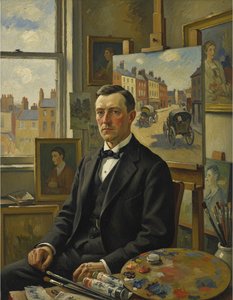
Robert Bevan: Pioneering British Post-Impressionism & the Camden Town Group's Intimate Vision
Explore the life & work of Robert Bevan, a pioneer of British Post-Impressionism and founding member of the Camden Town Group. Discover his vibrant landscapes and lasting impact on early 20th-century art.

Ephemeral Visions: Exploring the Artistic Legacy & Nuances of Watercolor Painting
Explore the captivating world of watercolor painting! Discover its rich history, essential techniques, influential artists & collecting tips from art experts. A comprehensive guide for enthusiasts.



