
 Preview
 Comprar impresión Comprar imagen en alta resolución
 Enviar
 Compartir
 Detalles
 Añadir a favoritos

 Descargar
 Similares
 Radiografía
 Presentación de diapositivas
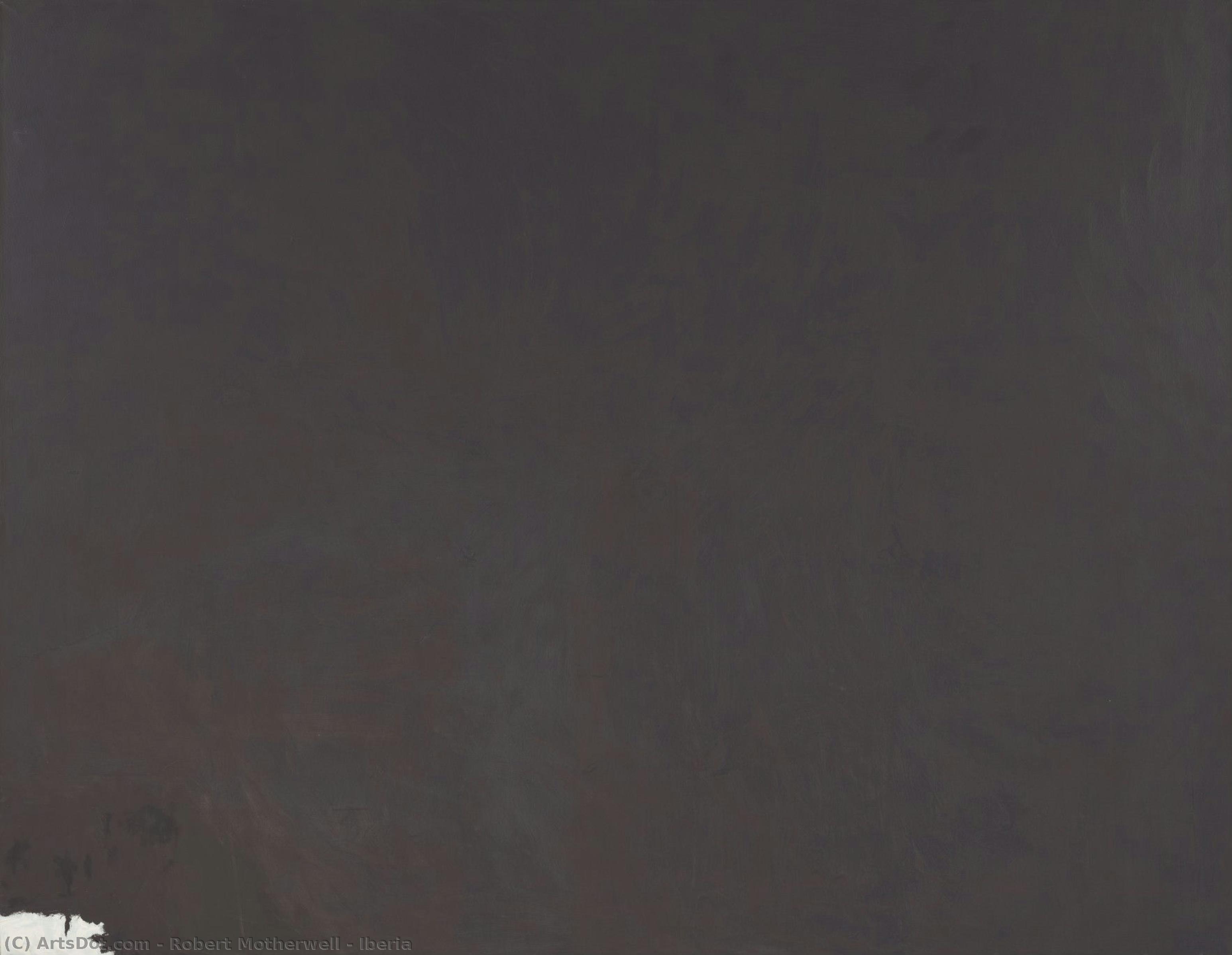
Iberia
 Acrylic On Canvas
- WallArt
- Abstract Expressionism
 1958
1958 226.0 x 178.0 cm
 Museo Guggenheim Bilbao
 Ver más
Reproducción al óleo hecha a mano
Óleo sobre lienzo pintado a mano en el tamaño y marco de su elección, realizado por encargo por nuestros artistas.




P118B $10

P118H $10

P118W $10

P438Z $10

P508JH $12

P508YH $12

P805H $10

P805Z $10

P919BZ $10

P919G $10

P919XJ $10

P959ZH $10

P968JZ $12

W106C $8

W218G $10

W218JH $8

W218Y $10

W307PJ $10

W316G $10

W316PJ $8

W316Y $10

W398PJ $8

W4111J $10

W500HY $15

W500JH $15

W692G $12

W849H $8

W940BG $15

W953PJ $8




Elija entre nuestros tamaños predefinidos que respetan las proporciones originales de la obra.

Puede ingresar sus propias dimensiones para adaptarse a un marco o espacio específico. Si el tamaño seleccionado no coincide con las proporciones de la imagen original, recortaremos la obra o extenderemos la pintura con elementos adicionales pintados a mano. Se le enviará una maqueta digital para su aprobación antes de comenzar la producción.
Tenga en cuenta que la vista previa en pantalla no refleja el recorte o la extensión reales. Solo la maqueta mostrará con precisión la composición final.
Si bien existen tamaños personalizados, recomendamos seleccionar una dimensión de la lista predefinida para preservar las proporciones originales.
Tras realizar el pedido, el equipo de OriginalUniqueArt.com enviará un correo electrónico al cliente para solicitar instrucciones y proporcionarle una vista previa del boceto.
Entrega mundial () en 3-4 semanas en lugar de las 5 semanas estándar. (25 julio). Sin compromisos con la calidad.

Envío exprés gratuito a todo el mundo

Lienzo de lino de alta calidad

Seguro de envío total

Garantía de reembolso de impuestos aduaneros

Garantía de fidelidad de color

Política de devolución de 60 días (solo por defectos)

Garantía de devolución del 100% del dinero

Descuento por pedido múltiple
 La opción de vidrio solo está disponible en tamaños inferiores a 110 cm.

Iberia
Técnica de reproducción
Tamaño de la reproducción
-


Precio total final
-
Descripción de la obra
A Landscape of Grief and Light: Unpacking Robert Motherwell’s “Iberia”
Robert Motherwell's "Iberia," painted in 1958, isn’t merely a depiction of a landscape; it’s a visceral embodiment of sorrow, memory, and the enduring weight of history. Born from a pivotal journey to Spain during a period of profound political turmoil – the aftermath of the Spanish Civil War and the rise of Franco's dictatorship – the painting transcends simple representation, becoming instead a deeply personal meditation on loss and resilience. The work’s monochrome palette, dominated by shades of gray ranging from near-black to subtle highlights, immediately establishes an atmosphere of somber contemplation, mirroring the bleak realities faced by Spain at that time.
- Abstract Composition: Motherwell deliberately eschews recognizable forms. Instead, he presents a fragmented, layered surface—a tapestry of brushstrokes, textures, and tonal shifts—that resists easy interpretation. This abstraction isn’t arbitrary; it mirrors the fractured nature of memory and the difficulty of conveying complex emotions through visual language.
- Technique: The painting is executed in oil on canvas, utilizing a technique that emphasizes both spontaneity and control. Thick impasto areas create a tactile quality, inviting the viewer to trace the artist’s hand across the surface. The subtle gradations of gray are achieved through meticulous layering and blending, suggesting a profound sensitivity to light and shadow.
Echoes of Spain: Historical Context and Personal Significance
Motherwell's visit to Spain in 1958 was not simply a vacation; it was a deeply affecting experience that profoundly shaped his artistic vision. He had long been haunted by the events of the Spanish Civil War, witnessing firsthand the devastation and suffering inflicted upon the country. The painting is thus imbued with a sense of mourning—a lament for the lost lives, shattered dreams, and enduring trauma of that conflict. The title itself, "Iberia," carries significant weight, referencing both the geographical region and the ancient Iberian people who inhabited the peninsula long before Roman rule. Motherwell’s work can be seen as an elegy to a nation struggling to rebuild itself after decades of violence and oppression.
Furthermore, the painting reflects Motherwell's own personal history—his family’s roots in Scotland and his lifelong struggle with illness. The themes of mortality and loss that permeate his oeuvre are powerfully expressed here, suggesting a connection between individual suffering and collective trauma. The work is often interpreted as a reflection on the artist’s own experiences with grief and uncertainty.
Symbolism Within the Gray: Layers of Meaning
While the painting's abstraction resists definitive interpretation, several symbolic elements contribute to its overall impact. The dominant gray tones evoke feelings of sadness, isolation, and despair—a visual representation of the emotional landscape of a nation grappling with profound loss. The small opening at the lower left corner, barely discernible amidst the surrounding darkness, can be seen as a glimmer of hope—a fragile reminder that even in the darkest times, light persists. The texture of the paint itself suggests a sense of urgency and intensity, conveying the artist’s emotional response to the subject matter.
- The Darkness: Represents the suffering and oppression experienced by Spain during the Civil War and its aftermath.
- The Light (Opening): Symbolizes hope, resilience, and the possibility of renewal.
- Brushstrokes: Convey a sense of urgency, emotion, and the artist’s direct engagement with the subject matter.
A Timeless Reflection: “Iberia” in the 21st Century
“Iberia” remains a powerfully resonant work of art, offering viewers a poignant meditation on themes of loss, memory, and the enduring human spirit. Its stark simplicity and evocative symbolism continue to captivate audiences today, inviting contemplation and reflection. Whether viewed as a historical document, a personal expression of grief, or simply a masterful example of abstract painting, “Iberia” stands as a testament to Robert Motherwell’s artistic genius and his profound understanding of the human condition. Reproductions of this iconic piece offer a window into a pivotal moment in history and a timeless exploration of the complexities of emotion.
Biografía del artista
Robert Motherwell: Una Legado de Dolor y Visión Audaz
Robert Motherwell (24 de enero de 1915 – 16 de julio de 1991) se erige como una figura destacada del expresionismo abstracto estadounidense, un movimiento que transformó irrevocablemente el curso de la historia del arte del siglo XX. Nacido en Aberdeen, Washington—una ciudad impregnada de patrimonio escocés—la infancia temprana de Motherwell estuvo marcada por el asma y una profunda conexión con el paisaje del noroeste pacífico, moldeando su sensibilidad artística desde sus inicios. Su padre, Robert Burns Motherwell II, un banquero con aspiraciones californianas, inculcó en él una determinación que impulsaría sus estudios académicos y definiría finalmente su trayectoria creativa.- Vida Temprana y Educación: Motherwell pasó sus años escolares en California debido a la condición asthmática heredada de su familia. Aunque el origen escocés de su padre influyó profundamente en su visión del mundo, también fue este mismo espíritu emprendedor quien lo llevó a estudiar filosofía junto con otros artistas modernos como Arthur Oncken Lovejoy y David Wite Prall en Stanford Universidad. Esta formación intelectual fomentó una fascinación por la literatura—especialmente Mallarmé, Joyce, Poe y Paz—que impregnaría su obra magna.
- El Encuentro Surrealista: Un momento decisivo llegó en 1940 cuando Motherwell trasladó su residencia a Nueva York y se matriculó en Columbia Universidad bajo la guía de Meyer Shapiro. Shapiro le presentó al vibrante mundo de los surrealistas parisinos—Max Ernst, André Breton, Wolfgang Paalen—y crucialmente, alentó que abrazara el dibujo “automático” como método para acceder al inconsciente.
La Serie Elegías a la República Española y Innovación Formal
El punto culminante artístico de Motherwell llegó en 1949 con el inicio de su icónica serie *Elegías a la República Española*, una empresa monumental que comprendía más de cien pinturas al óleo y numerosos dibujos. Esta serie, nacida del profundo compromiso con los acontecimientos políticos que rodeaban la España franquista, representa la contribución más duradera de Motherwell a la historia del arte. Las Elegías se caracterizan por su simplicidad extrema: manchas negras densamente agrupadas sobre papel blanco, meticulosamente elaboradas para transmitir una resonancia emocional profunda. Estas lienzos encarnan su maestría en innovación formal—una deliberada ruptura con la perspectiva tradicional y un compromiso con explorar el potencial expresivo del gesto y la textura.- Técnica y Composición: La técnica de Motherwell consistía en aplicar manchas negras sobre papel, creando superficies texturizadas que parecían pulsar con energía latente. Las composiciones resultantes eran deliberadamente ambiguas, invitando a los espectadores a contemplar temas como la pérdida, el dolor y la reflexión existencial.
Más allá de Elegías: Exploración del Paisaje y Collage
Aunque la serie Elegíes consolidó la reputación de Motherwell como maestro de abstracción emotiva, su exploración artística trascendió este único proyecto. Constantemente regresaba a temas relacionados con el paisaje—especialmente las colinas californianas—inspirándose en los amplios horizontes que nutrijeron su imaginación infantil. Además, experimentaba con técnicas de collage, incorporando materiales encontrados en sus obras para crear texturas y narrativas visuales complejas. Su cuaderno de dibujo realizado en México—un esfuerzo colaborativo con Roberto Matta—demuestra un cambio hacia una línea gráfica más espontánea, reflejando la influencia de Paalen en su proceso creativo.- Cuaderno de Dibujo Mexicano: El cuaderno captura la esencia del entorno estudiantil de Paalen y refleja la evolución del dibujo de Motherwell, alejándose de la observación analítica hacia el gesto intuitivo.
Legado Histórico e Influencia
Robert Motherwell dejó un legado que va más allá de la innovación estilística; articuló una profunda postura filosófica sobre la capacidad del arte para enfrentar la mortalidad y abordar realidades emocionales complejas. Su dedicación incesante a explorar estos temas—combinada con su dominio magistral del lenguaje formal—estableció que era uno de los principales representantes de su generación, asegurando su lugar entre los gigantes del siglo XX. Falleció en Provincetown, Massachusetts en 1991, dejando atrás un cuerpo de trabajo que sigue inspirando artistas y estudiosos hoy en día, garantizando así su influencia perdurable en la historia del arte moderno.
Robert Motherwell
1974 - 1991 , Estados Unidos
Datos clave
- Artistic Movement Or Style: Expresionismo abstracto
- Artists Who Influenced This Artist:
- Mallarmé
- James Joyce
- Edgar Allan Poe
- Octavio Paz
- Date Of Birth: 24 enero 1915
- Date Of Death: 16 julio 1991
- Full Name: Robert Burns Motherwell III
- Nationality: American
- Notable Artworks: ['Elegies to the Spanish Republic']
- Place Of Birth: Aberdeen, Washington
Artículos relacionados

Beatrice Parsons: A Study in Abstract Expressionism & the Poetics of Color Field Painting
Explore the captivating world of Beatrice Parsons, a pioneering British abstract expressionist. Discover her journey from garden watercolors to evocative color field paintings and learn about her place within art history.
Jacob Kainen: A Pioneer of American Color Field Painting & Abstract Expressionism
Explore the life & work of Jacob Kainen, a pivotal figure in American Abstract Expressionism and Color Field painting. Discover his journey from Social Realism to vibrant abstraction and lasting influence on 20th-century art.

Morris Louis: Pioneering Color Field Painting & Abstract Expressionism's Legacy
Explore the groundbreaking abstract expressionism of Morris Louis, a pioneer of Color Field painting. Discover his innovative techniques, influential series & lasting legacy in post-war American art. Learn more at OriginalUniqueArt.
Acrílico: Historia, Técnicas y Aplicaciones Contemporáneas en la Pintura
Descubre la historia, técnicas y aplicaciones contemporáneas de la pintura acrílica. Guías expertas, materiales de calidad y la influencia del expresionismo abstracto. ¡Inspírate para crear!
Mark Rothko: Las 25 Obras Maestras que Definen la Expresión Abstracta | OriginalUniqueArt
Descubre las 25 obras maestras de Mark Rothko, pionero del expresionismo abstracto. Explora la historia, el significado y los colores vibrantes que definen su arte emocional. Reproducciones de alta calidad en OriginalUniqueArt.com.


