Vista previa
 Compartir
 Compartir
 Ver detalles
 Guía
Guía

 Descargar
 Ver artículos similares
 Radiografía
 Presentación de diapositivas
 Estadísticas
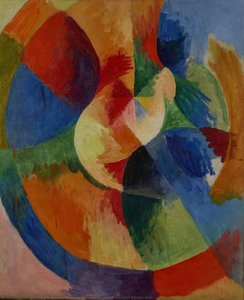
Study for the Cardiff Team
 Acrylic On Canvas
- WallArt
- Cubist Color Theory
 1922
1922 23.0 x 28.0 cm
 Museo Prefectural de Arte de Aichi
 Leer más
Giclée / Impresión de arte
Impresiones giclée o en lienzo de calidad de museo con producción rápida y opciones de acabado flexibles. ( Encargar reproducción pintada a mano Ver versión en imagen digital)




P118B €10

P118H €10

P118W €10

P438Z €10

P508JH €12

P508YH €12

P805H €10

P805Z €10

P919BZ €10

P919G €10

P919XJ €10

P959ZH €10

P968JZ €12

W106C €8

W218G €10

W218JH €8

W218Y €10

W307PJ €10

W316G €10

W316PJ €8

W316Y €10

W398PJ €8

W4111J €10

W500HY €15

W500JH €15

W692G €12

W849H €8

W940BG €15

W953PJ €8




Elija entre nuestros tamaños predefinidos que respetan las proporciones originales de la obra.

Introduzca el ancho y el alto que necesite para adaptarse a su marco o pared. Una impresión solo puede recortarse, nunca hacerse más grande que la imagen original, por lo que un tamaño con una forma distinta perderá parte de la obra. Le enviaremos una maqueta digital para su aprobación antes de realizar cualquier impresión. La imagen que se muestra en esta página no refleja el recorte real; solo la maqueta lo hace.
Envío a todo el mundo () en 2 semanas en lugar de las 4/5 semanas estándar. (21 octubre)

Envío exprés gratuito a todo el mundo

Lienzo de lino de alta calidad

Seguro de envío completo

Garantía de reembolso de impuestos aduaneros

Garantía de fidelidad cromática exacta

Política de devolución de 100 días (solo por defectos)

Garantía de devolución del 100% del dinero

Oferta por volumen
 La opción de vidrio solo está disponible en tamaños inferiores a 110 cm.

Study for the Cardiff Team
Giclée / Impresión de arte
Tamaño de la reproducción
-


Precio total
€ 70
Robert Delaunay: A Pioneer of Abstract Color – Exploring “Study for the Cardiff Team”
Robert Delaunay’s “Study for the Cardiff Team,” completed in 1922, stands as a cornerstone of Orphism and a testament to his groundbreaking approach to painting. More than just an architectural sketch—though its origins undoubtedly lie in visualizing urban spaces—this monochrome drawing delves into a profound exploration of color theory and geometric abstraction, influencing generations of artists.
The Birth of Orphism
Delaunay’s artistic trajectory began with Impressionism, but he swiftly rejected its focus on capturing fleeting impressions of light. Alongside Sonia Delaunay, he spearheaded the Orphism movement, rejecting representational art altogether in favor of a purely visual language centered around color and form. Inspired by Kandinsky's theoretical explorations into the spiritual significance of color, Orphists sought to express emotion directly through geometric shapes—circles, squares, triangles—arranged in vibrant combinations that defied traditional perspective.
Technique and Composition
"Study for the Cardiff Team" exemplifies Delaunay’s meticulous technique. The artist employed a dry pastel medium, applying delicate strokes of pigment onto paper to achieve remarkable tonal gradations. Notice the careful layering of colors—primarily shades of gray—creating an illusion of depth and texture that transcends mere depiction. The composition itself is deliberately asymmetrical, featuring two prominent clocks positioned strategically within the cityscape. These clocks aren’t merely decorative elements; they symbolize time's relentless march and serve as a visual metaphor for Delaunay’s preoccupation with capturing the essence of movement and dynamism.
Historical Context: Weimar Republic and Artistic Innovation
The painting emerged during the turbulent Weimar Republic, a period marked by political instability and social upheaval. However, amidst this uncertainty flourished an unprecedented surge of artistic innovation. Artists like Delaunay were actively dismantling established conventions, experimenting with new materials and approaches to challenge viewers’ perceptions of reality. Orphism represented a radical departure from academic traditions, aligning itself with the broader intellectual currents of Surrealism and Dada—movements that questioned rationality and embraced spontaneity.
Symbolic Resonance: Light, Time, and Urban Space
"Study for the Cardiff Team" resonates deeply on an emotional level. The monochrome palette evokes a sense of stillness and contemplation, inviting viewers to consider the underlying rhythms of urban life. Yet, the clocks—repeatedly appearing in Delaunay’s work—suggest a constant awareness of time's passage and its influence on human experience. Ultimately, this drawing transcends mere representation; it aspires to convey a profound understanding of color theory and geometric abstraction as tools for expressing emotion and capturing the spirit of an era.
A Legacy of Influence
Delaunay’s “Study for the Cardiff Team” continues to inspire artists and designers today. Its masterful use of pastel technique, its asymmetrical composition, and its symbolic references solidify its place among the most significant achievements of abstract art. Reproductions of this captivating piece offer a glimpse into Delaunay's visionary aesthetic—a timeless reminder that true artistic expression lies in embracing innovation and conveying emotion with unwavering conviction.
Preguntas y respuestas
¿Cuál es la técnica y la fecha de creación de "Study for the Cardiff Team" de Robert Delaunay?
La técnica de "Study for the Cardiff Team" de Robert Delaunay es Acrylic On Canvas, y la obra data de 1922.
¿Qué tan armoniosos son los colores de "Study for the Cardiff Team" de Robert Delaunay?
La armonía cromática de "Study for the Cardiff Team" se describe como Unified Palette.
¿Qué tipo de colores utiliza "Study for the Cardiff Team"?
La paleta de "Study for the Cardiff Team" de Robert Delaunay se describe como Neutrals. Es una descripción concisa de los colores de la obra.
Biografía del artista
Primeros años y comienzos artísticos
Robert delaunay, un artista francés, nació el 12 de abril de 1885 en París. Es más conocido por cofundar el movimiento artístico orfismo con su esposa Sonia Delaunay y otros. Este movimiento, caracterizado por su uso de colores fuertes y formas geométricas, buscaba expresar la vida moderna a través de formas abstractas.Estilo artístico e influencias
El estilo artístico de Delaunay se caracterizó por un audaz uso del color y un claro amor por la experimentación tanto en profundidad como en tono. Sus obras posteriores fueron más abstractas, reminiscentes de Paul Klee. La influencia clave del artista se relaciona con el uso del color como medio expresivo y estructural.- La serie de la Torre Eiffel, que captura la esencia de este emblemático punto de referencia parisino en una forma única y abstracta.
- Contrastes simultáneos: sol y luna, una pintura que muestra el arte de Delaunay y su compromiso teórico con el color.
- Ventanas se abren simultáneamente, 1ª parte, 3er motivo, una pintura que demuestra el uso de bloques de colores por parte de Delaunay para crear profundidad y movimiento.
Obras notables y legado
Las obras notables de Delaunay incluyen:- La Torre Eiffel (126 x 93 cm, Museo Solomon R. Guggenheim, Nueva York, Estados Unidos)
- Contrastes simultáneos: sol y luna (orfismo)
- Ventanas se abren simultáneamente, 1ª parte, 3er motivo (orfismo)
Desarrollo artístico y evolución
Delaunay abandonó el cubismo con sus formas geométricas y colores monocromáticos para embarcarse en un nuevo estilo, el orfismo, que se centró en las formas circulares y en los colores brillantes y que también ha sido calificado de cubismo abstracto. Sus estudios sobre el ritmo y el movimiento se resolvieron en series de cuadros basados en eventos deportivos, como Sprinters (1924-1926), que culminaron en impresionantes obras abstractas centradas en el ritmo, como sus últimas series "Ritmos" y "Ritmos eternos". Realizó igualmente escritos teóricos como el ensayo Sur la lumière, publicado en «Der Sturm» (1913), en traducción de Paul Klee. Con su esposa, la también artista Sonia Delaunay, residió un tiempo en España.Significado histórico
Robert Delaunay, pionero del orfismo, dejó una huella imborrable en el mundo del arte con su audaz uso del color y las formas abstractas. Su legado continúa inspirando a artistas y entusiastas del arte por igual, convirtiéndolo en una figura significativa en la historia del arte moderno. Vea más obras de Robert Delaunay en OriginalUniqueArt La historia de la pintura - Wikipedia El movimiento artístico orfismo - OriginalUniqueArt
Robert Delaunay
1885 - 1941 , Francia
Datos clave
- Artistas Influenciados:
- Stanton Macdonald-Wright
- Morgan Russell
- Der Blaue Reiter
- Artistas Que Influyeron:
- Paul Cézanne
- Henri Rousseau
- Paul Klee
- Fecha De Nacimiento: 12 de abril de 1885
- Lugar De Nacimiento: París, Francia
- Movimiento Artístico: Orfismo, Cubismo
- Nacionalidad: Francesa
- Nombre Completo: Robert Delaunay
- Obras Notables:
- La Torre Eiffel
- Contraste simultáneo: Sol y Luna
- Ventanas abiertas simultáneamente