 Vista previa
 Compartir
 Compartir
 Ver detalles
 Guía
Guía

 Descargar
 Ver artículos similares
 Radiografía
 Presentación de diapositivas
 Estadísticas
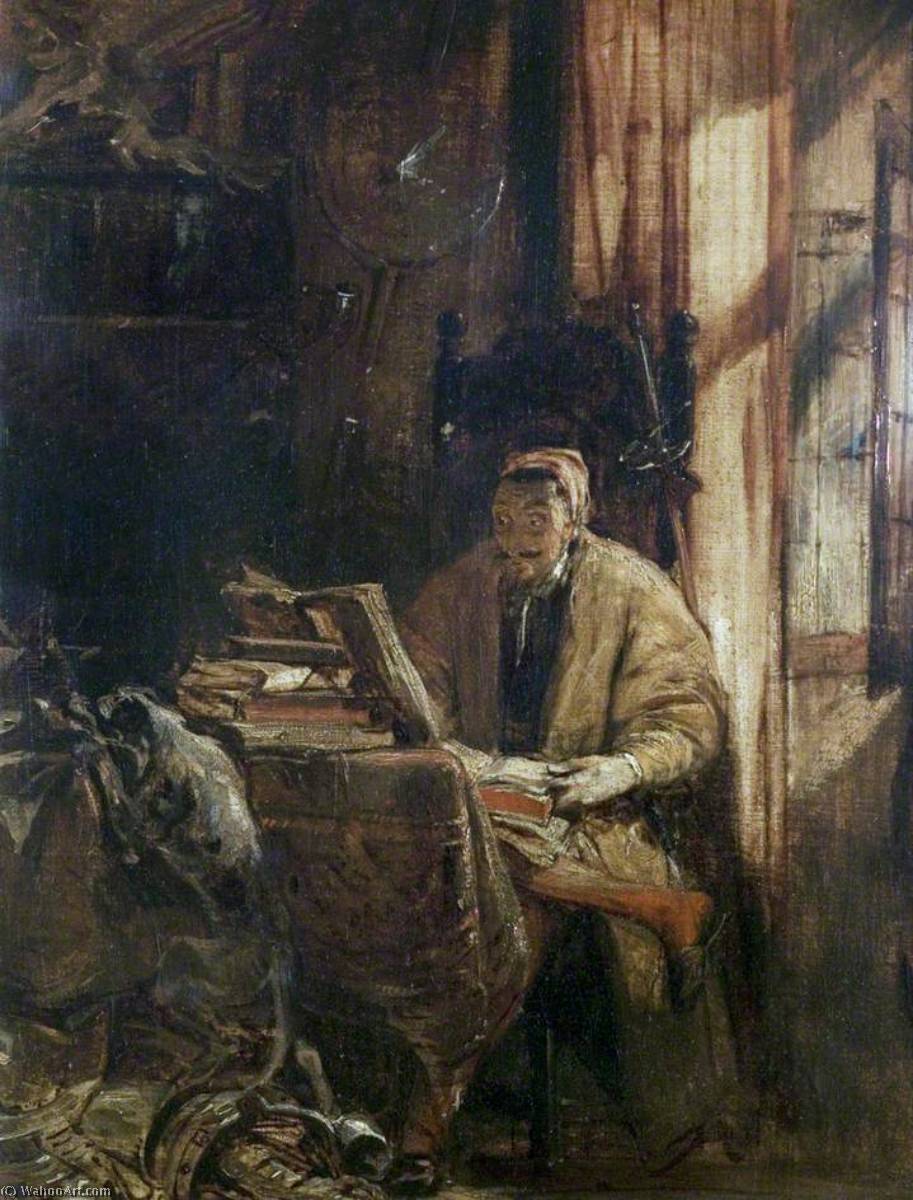
Don Quixote in His Study
 Acrylic On Canvas
- WallArt
- Romanticism
 1826
1826 41.0 x 33.0 cm
 Nottingham Castle Museum y Galería de Arte
 Leer más
Reproducción al óleo hecha a mano
Óleo sobre lienzo pintado a mano en el tamaño y marco de su elección, realizado por encargo por nuestros artistas. ( Cambiar a formato impreso Ver versión en imagen digital)




P118B $10

P118H $10

P118W $10

P438Z $10

P508JH $12

P508YH $12

P805H $10

P805Z $10

P919BZ $10

P919G $10

P919XJ $10

P959ZH $10

P968JZ $12

W106C $8

W218G $10

W218JH $8

W218Y $10

W307PJ $10

W316G $10

W316PJ $8

W316Y $10

W398PJ $8

W4111J $10

W500HY $15

W500JH $15

W692G $12

W849H $8

W940BG $15

W953PJ $8




Elija entre nuestros tamaños predefinidos que respetan las proporciones originales de la obra.

Puede ingresar sus propias dimensiones para adaptarse a un marco o espacio específico. Si el tamaño seleccionado no coincide con las proporciones de la imagen original, recortaremos la obra o extenderemos la pintura con elementos adicionales pintados a mano. Se le enviará una maqueta digital para su aprobación antes de comenzar la producción.
Tenga en cuenta que la vista previa en pantalla no refleja el recorte o la extensión reales. Solo la maqueta mostrará con precisión la composición final.
Si bien existen tamaños personalizados, recomendamos seleccionar una dimensión de la lista predefinida para preservar las proporciones originales.
Tras realizar el pedido, el equipo de OriginalUniqueArt.com enviará un correo electrónico al cliente para solicitar instrucciones y proporcionarle una vista previa del boceto.
Envío a todo el mundo () en 3-4 semanas en lugar de las 5 semanas estándar. (25 septiembre). Sin comprometer la calidad.

Envío exprés gratuito a todo el mundo

Lienzo de lino de alta calidad

Seguro de envío completo

Garantía de reembolso de impuestos aduaneros

Garantía de fidelidad cromática exacta

Política de devolución de 100 días (solo por defectos)

Garantía de devolución del 100% del dinero

Oferta por volumen
 La opción de vidrio solo está disponible en tamaños inferiores a 110 cm.

Don Quixote in His Study
Técnica de reproducción
Tamaño de la reproducción
-


Precio total
$ 300
A Portrait of Rustic Grandeur: Unpacking Bonington’s “Don Quixote in His Study”
Richard Parkes Bonington's "Don Quixote in His Study," painted in 1826, isn’t merely a depiction of an elderly man; it’s a carefully constructed tableau brimming with quiet contemplation and the weight of a life lived within the confines of memory and imagination. The painting immediately draws the viewer into a dimly lit interior, dominated by a rich, earthy palette – ochres, browns, and deep reds—that speaks to both the warmth of domesticity and the encroaching shadows of age. Bonington masterfully employs chiaroscuro, a dramatic contrast between light and dark, to sculpt the figure of Don Quixote, lending him an almost sculptural quality while simultaneously emphasizing his vulnerability. The scene is not one of heroic action, but rather of introspective stillness; we are invited to witness a moment of profound solitude.
- Compositional Harmony: The arrangement of objects—the stacked books, the overflowing bags, the ticking clock—creates a sense of controlled chaos, mirroring perhaps the mental landscape of the subject.
- Color Palette: The muted tones evoke a feeling of nostalgia and the passage of time, while the strategic use of red draws attention to the woman’s headscarf, subtly hinting at her character and story.
- Light & Shadow: Bonington's skillful manipulation of light creates depth and drama, highlighting the subject’s face and casting long shadows that suggest both age and a certain melancholy.
The Artist and His Influences: A Bridge Between Romanticism and Tradition
Richard Parkes Bonington stands as a fascinating figure in the transition between the last vestiges of English Romanticism and the burgeoning influences of French Realism. Born in Nottingham, England, in 1802, he spent much of his formative artistic years in France, absorbing the techniques and philosophies of masters like Jean-Auguste Dominique Ingres and, crucially, Eugène Delacroix. Bonington’s style is a unique synthesis of these influences; he retains the Romantic emphasis on light and atmosphere but grounds it in a meticulous observation of form and detail reminiscent of the Old Masters. His early training with François Louis Thomas Francia, who had returned from studying Girtin's watercolors in England, instilled in him a deep appreciation for the delicate handling of color and brushwork that would become hallmarks of his work.
Historical Context:** Bonington’s painting was created during a period of significant artistic change. The Romantic movement was waning, giving way to new approaches to representation. Bonington navigated this shift with remarkable grace, producing works that were both deeply personal and technically sophisticated. His brief but brilliant career is marked by a poignant sense of unrealized potential – he died at the young age of 26 from tuberculosis.Decoding Symbolism: Layers of Meaning in a Simple Scene
Beyond its immediate visual appeal, “Don Quixote in His Study” is rich with symbolic layers. The cluttered room itself represents the accumulated weight of memory and experience—the books, the bags, the clock all speak to a life lived fully, yet perhaps somewhat wistfully. Don Quixote’s posture – slumped slightly, his gaze fixed inward – suggests a man lost in thought, grappling with the remnants of a bygone era. The red headscarf is particularly intriguing; it could symbolize both resilience and vulnerability, hinting at the woman's strength and her own quiet struggles. The painting subtly evokes themes of aging, memory, solitude, and the enduring power of imagination.
A Legacy in Reproduction: Bringing Bonington’s Vision to Life
Reproductions of “Don Quixote in His Study” offer a remarkable opportunity to experience the depth and nuance of Bonington's artistry. The meticulous detail, the evocative lighting, and the subtle symbolism are all faithfully captured in high-quality reproductions. Whether adorning a study or a gallery wall, this painting invites contemplation and offers a glimpse into the mind of a truly exceptional artist. The rich textures and carefully rendered details translate beautifully to canvas, creating a timeless piece that speaks to the enduring power of art to transport us to another time and place.
Biografía del artista
Primeros años y formación
Richard Parkes Bonington, una figura destacada del movimiento romántico británico, nació el 25 de octubre de 1802 en Arnold, Nottinghamshire, Reino Unido. Su padre, también llamado Richard, era un individuo multifacético que trabajó como carcelero, maestro de dibujo y fabricante de encaje. Este diverso trasfondo probablemente influyó en las primeras inclinaciones artísticas de Bonington. https://OriginalUniqueArt.com/@/richardparkesbonington, la plataforma en línea para entusiastas del arte, ofrece una extensa colección de obras de Bonington, mostrando su maestría sobre paisajes y escenas históricas.Evolución artística e influencias
El viaje artístico de Bonington comenzó con la pintura a la acuarela, enseñado por su padre. A los once años ya estaba exhibiendo en la Academia de Liverpool. En 1817, su familia se mudó a Calais, Francia, donde tomó lecciones de François Louis Thomas Francia, quien lo introdujo a la técnica inglesa de acuarela.- La influencia de Francia puede verse en las primeras obras de Bonington, caracterizadas por una mezcla de estilos inglés y francés.
- Su encuentro con Eugène Delacroix https://OriginalUniqueArt.com/@/eugenedelacroix, un pintor romántico francés, moldeó aún más su enfoque artístico.
- Su tiempo en la École des Beaux-Arts en París, bajo Antoine-Jean, Baron Gros, solidificó sus habilidades.
Obras destacadas y logros
Pinturas clave:- Rouen, Normandía, c. 1823 (disponible en /es/art/show/art-8xyhdc-es/
- Vista de la laguna cerca de Venecia, 1827 (Louvre)
- Carlos V visita a François Ier después de la batalla de Pavia, c. 1827
- Medalla de oro en el Salón de París en 1824, junto con John Constable y Anthony Vandyke Copley Fielding.
- El tributo de Delacroix al trabajo de Bonington en una carta a Théophile Thoré en 1861, destacando su ligereza de toque.
Legado y recuerdo
La vida de Bonington se truncó debido a la tuberculosis, que le arrebató la vida el 23 de septiembre de 1828, a los 25 años. A pesar de su breve carrera, dejó una huella imborrable en el romanticismo británico.- Una estatua en Nottingham School of Art, erigida por Watson Fothergill.
- Un teatro y escuela primaria en su ciudad natal de Arnold que llevan su nombre.
- La Wallace Collection alberga un grupo significativo de 35 obras, mostrando tanto sus paisajes como sus pinturas históricas.
Importancia Histórica
Richard Parkes Bonington fue fundamental en la transición del arte inglés hacia el Romanticismo y tuvo una influencia significativa en pintores posteriores como Delacroix. Su habilidad para capturar la luz y la atmósfera, combinada con su estilo fluido y espontáneo, lo convirtió en un artista innovador y admirado. Su trabajo ayudó a popularizar las acuarelas y los bocetos al aire libre, sentando las bases para el impresionismo posterior. Bonington es recordado como un talento precoz cuya carrera fue interrumpida demasiado pronto, pero cuyo legado continúa inspirando a artistas y amantes del arte en todo el mundo.
Richard Parkes Bonington
1802 - 1828 , Reino Unido
Datos clave
- Artistas Que Influyeron:
- François Louis Thomas Francia
- Eugène Delacroix
- Fecha De Muerte: 23 de septiembre de 1828
- Fecha De Nacimiento: 25 de octubre de 1802
- Influencia En Artistas: Artistas británicos e imitadores
- Lugar De Nacimiento: Arnold, Reino Unido
- Movimiento Artístico: Romanticismo Británico
- Nacionalidad: Británico
- Nombre Completo: Richard Parkes Bonington
- Obras Notables:
- Rouen, Normandía (c. 1823)
- Vista del lago cerca de Venecia (1827)
- Carlos V visita a Francisco I (c. 1827)
Artículos relacionados

El Óleo sobre Lienzo: Historia, Técnica y la Persistencia de un Medio Artístico Atemporal
Descubre la historia y técnica del óleo sobre lienzo. Explora reproducciones fieles hechas a mano, personalización artística y consejos de expertos con OriginalUniqueArt. ¡Colecciona arte con confianza!
Richard Parkes Bonington: A Brief but Brilliant Career – Romantic Landscapes & the Dawn of Plein Air Painting
Explore the short but impactful career of Richard Parkes Bonington, a pivotal figure bridging British Romanticism & French plein air painting. Discover his luminous landscapes and lasting influence on Delacroix & beyond.

The Enduring Power of Painting: A Historical & Contemporary Exploration of Form and Emotion
Explore the rich history & enduring techniques of oil painting with OriginalUniqueArt. Discover masterpieces, learn about art collecting, and find authentic handmade reproductions crafted by skilled artists.

El Legado Duradero del Óleo sobre Lienzo: Técnica, Historia y Práctica Contemporánea
Descubre la historia y técnica del óleo sobre lienzo. Explora reproducciones fieles hechas a mano, personalización artística y consejos de expertos con .

The Enduring Legacy of Oil on Canvas: Technique, History & Aesthetic Impact
Explore the rich history & techniques of oil painting – from Renaissance masters to Impressionism. Discover pigments, layering methods, and why this timeless medium endures. Expert insights for artists & art enthusiasts.