Vista previa
 Compartir
 Compartir
 Ver detalles
 Guía
Guía

 Descargar
 Ver artículos similares
 Radiografía
 Presentación de diapositivas
 Estadísticas
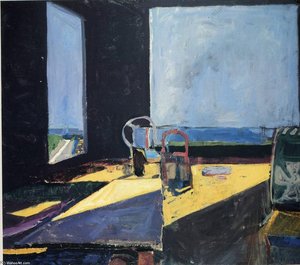
Ocean Park #49
 Acrylic On Canvas
- WallArt
- Color Field Painting
 1972
1972 236.0 x 206.0 cm
 Museo de Arte del Condado de Los Ángeles
 Leer más
Giclée / Impresión de arte
Impresiones giclée o en lienzo de calidad de museo con producción rápida y opciones de acabado flexibles. ( Encargar reproducción pintada a mano Ver versión en imagen digital)




P118B $10

P118H $10

P118W $10

P438Z $10

P508JH $12

P508YH $12

P805H $10

P805Z $10

P919BZ $10

P919G $10

P919XJ $10

P959ZH $10

P968JZ $12

W106C $8

W218G $10

W218JH $8

W218Y $10

W307PJ $10

W316G $10

W316PJ $8

W316Y $10

W398PJ $8

W4111J $10

W500HY $15

W500JH $15

W692G $12

W849H $8

W940BG $15

W953PJ $8




Elija entre nuestros tamaños predefinidos que respetan las proporciones originales de la obra.

Puede introducir sus propias dimensiones para adaptarse a un marco o espacio específico. Si el tamaño seleccionado no coincide con las proporciones de la imagen original, recortaremos la obra de arte o extenderemos la imagen con un borde con efecto espejo o de color sólido. Se enviará una maqueta digital para su aprobación antes de que comience la producción.
Tenga en cuenta que la vista previa en pantalla no refleja el recorte o la extensión real. Solo la maqueta mostrará con precisión la composición final.
Aunque existen tamaños personalizados, recomendamos seleccionar una dimensión de la lista predefinida para preservar las proporciones originales.
Envío a todo el mundo () en 2 semanas en lugar de las 4/5 semanas estándar. (25 septiembre)

Envío exprés gratuito a todo el mundo

Lienzo de lino de alta calidad

Seguro de envío completo

Garantía de reembolso de impuestos aduaneros

Garantía de fidelidad cromática exacta

Política de devolución de 100 días (solo por defectos)

Garantía de devolución del 100% del dinero

Oferta por volumen
 La opción de vidrio solo está disponible en tamaños inferiores a 110 cm.

Ocean Park #49
Giclée / Impresión de arte
Tamaño de la reproducción
-


Precio total
$ 80
The Shimmering Echoes of Ocean Park #49
Richard Diebenkorn’s “Ocean Park #49,” painted in 1972, isn't merely a depiction of a California landscape; it’s an immersion into the very essence of light and memory. Created during a pivotal period of his artistic evolution, this work embodies the spirit of the Bay Area Figurative Movement while simultaneously embracing the lyrical abstraction championed by Color Field painters like Mark Rothko. The painting captures a fleeting moment along the Santa Monica coastline – not a precise representation, but rather an evocation of atmosphere and feeling. Diebenkorn’s masterful use of layered washes of blue, punctuated by subtle shifts in tone and texture, creates a sense of infinite depth, drawing the viewer into a space that feels both familiar and profoundly mysterious. It's as if he’s attempting to capture not just what he saw, but the *feeling* of being there – the warmth of the sun on skin, the scent of salt air, and the quiet contemplation of the vastness of the ocean.A Synthesis of Influences: Bonington and Beyond
Diebenkorn's approach is deeply rooted in the legacy of Richard Parkes Bonington, a 19th-century British painter whose work he greatly admired. Like Bonington, Diebenkorn was fascinated by capturing the ephemeral qualities of light and atmosphere – particularly through *plein air* painting, working directly from nature. However, Diebenkorn’s style transcends simple imitation; he synthesizes Bonington's meticulous observation with the bolder, more expressive gestures of Abstract Expressionism. The subtle gradations of color in “Ocean Park #49” owe a clear debt to Bonington’s luminous landscapes, while the overall composition and sense of spatial ambiguity align it with the groundbreaking work of artists like Willem de Kooning. The influence of Henri Matisse is also evident in Diebenkorn's use of simplified forms and vibrant color palettes, creating a harmonious balance between structure and spontaneity.Color Field Abstraction: A New Language
“Ocean Park #49” exemplifies the principles of Color Field painting – a movement that sought to elevate color itself as the primary subject matter of art. Rather than depicting recognizable objects, Diebenkorn employed large blocks of saturated color to create an emotional and psychological experience for the viewer. The dominant blue tones evoke feelings of tranquility, vastness, and perhaps even melancholy—a reflection on the power and indifference of nature. The subtle variations in hue – from a deep indigo to a lighter cerulean – suggest movement and depth, while the carefully placed white triangles act as anchors, subtly guiding the eye through the composition. This deliberate use of color creates a meditative effect, inviting contemplation and introspection.Symbolism and Emotional Resonance
While seemingly simple on the surface, “Ocean Park #49” is rich in symbolic meaning. The ocean itself represents both life and death, creation and destruction – fundamental forces that shape our existence. The triangles, often interpreted as symbols of stability and balance, provide a counterpoint to the fluidity of the water. The painting’s overall mood suggests a sense of solitude and reflection—a feeling perhaps prompted by the vastness of the ocean and the realization of one's own small place within it. It is a work that speaks to the human condition, inviting viewers to confront their own emotions and experiences through the lens of this evocative landscape. The title itself, “Ocean Park,” subtly references both the physical location and the broader concept of a sanctuary—a space for respite and contemplation.A Timeless Masterpiece: Reproduction and Legacy
“Ocean Park #49” remains one of Richard Diebenkorn’s most celebrated works, admired for its beauty, complexity, and emotional resonance. Reproductions capture only a fraction of the painting's depth and nuance, but high-quality prints offer an accessible way to experience this iconic artwork. When selecting a reproduction, consider factors such as archival quality and color accuracy to ensure that you are preserving the integrity of Diebenkorn’s original vision. Whether displayed in a contemporary interior or a classic setting, “Ocean Park #49” continues to inspire and captivate viewers with its shimmering echoes of light, memory, and the enduring power of art.Biografía del artista
Primeros Años y Educación
- Nacimiento: 22 de abril de 1922, Portland, Oregón
- Historia Familiar: Su familia se mudó a San Francisco, California cuando él tenía dos años.
- Inclinación Artística Temprana: Mostró una pasión por el dibujo desde la edad de cuatro o cinco años.
- Educación Formal: Asistió a la Universidad de Stanford en 1940.
- Mentores Influyentes en Stanford: Victor Arnautoff (disciplina formal clásica con óleo) y Daniel Mendelowitz (compartieron una pasión por Edward Hopper).
- Influencia de Hopper: Su obra temprana fue influenciada por el estilo de Edward Hopper.
Desarrollo del Estilo Artístico
- Influencias Posteriores a la Segunda Guerra Mundial: Cambio en el mundo del arte de París a los Estados Unidos, particularmente Nueva York.
- Expresionismo Abstracto: Se inscribió en la Escuela de Bellas Artes de California (ahora Instituto de Arte de San Francisco) y adoptó el expresionismo abstracto como su vehículo para la autoexpresión.
- Influencias Tempranas: Clyfford Still, Arshile Gorky, Hassel Smith y Willem de Kooning.
- Movimiento Figurativo del Área de la Bahía: Se convirtió en una figura destacada en el movimiento figurativo del área de la bahía junto con Elmer Bischoff, Henry Villierme, David Park y James Weeks. Este movimiento representó un retorno a la pintura figurativa después del expresionismo abstracto.
- Transición de la Abstracción a la Figuración: Abandonó la adherencia estricta al expresionismo abstracto a mediados de la década de 1950, incorporando elementos representacionales en su obra.
La Serie Ocean Park y Obra Posterior
- Pinturas Ocean Park: Comenzaron en 1967 y continuaron hasta su muerte. Estas pinturas geométricas y líricas abstractas se convirtieron en un logro definitorio de su carrera.
- Exploración de Grabado: Comenzó a explorar el grabado (aguafuerte) durante el verano de 1961 mientras estaba en UCLA.
- Colaboración con Crown Point Press: Estableció una colaboración a largo plazo con Kathan Brown en Crown Point Press, produciendo numerosos grabados desde 1965 hasta 1992.
Logros Mayores y Significado Histórico
- Aclamación Crítica: Alcanzó un reconocimiento mundial por su serie Ocean Park.
- Retrospectiva a Medio Camino: Se presentó una retrospectiva significativa en el Museo de Arte Pasadena en 1960, seguida de una variación en el Palacio de la Legión de Honor de San Francisco más tarde ese año.
- Influencia en el Arte de la Posguerra: La obra de Diebenkorn unió al expresionismo abstracto y a la abstracción lírica, influyendo en muchos artistas que lo siguieron. Su capacidad para combinar formas geométricas con colores expresivos lo convirtió en una figura única en el arte estadounidense de la posguerra.
Muerte y Legado
- Fallecimiento: 1993
- Impacto Duradero: El legado de Richard Diebenkorn radica en su enfoque innovador de la abstracción, su capacidad para capturar la esencia de los paisajes californianos y su contribución tanto al expresionismo abstracto como al arte figurativo. Su serie Ocean Park sigue siendo un testimonio de su visión artística y continúa inspirando a artistas y coleccionistas en todo el mundo.
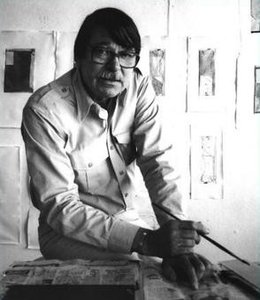
Richard Diebenkorn
1922 - 1993 , Estados Unidos de América
Datos clave
- Artistas Que Influyeron:
- Edward Hopper
- Clyfford Still
- Arshile Gorky
- Henri Matisse
- Fecha De Fallecimiento: 30 de marzo de 1993
- Fecha De Nacimiento: 22 de abril de 1922
- Lugar De Nacimiento: Portland, Estados Unidos
- Movimiento Artístico:
- Expresionismo abstracto
- Figurativo de Bay Area
- Nacionalidad: Estadounidense
- Nombre Completo: Richard Clifford Diebenkorn Jr.
- Obras Notables:
- A Day at the Races
- Ocean Park No. 32
- Ocean Park #54
- Berkeley No. 54
- Untitled 'M'
- Chabot Valley
- Berkeley No. 33
- Seawall
- Ocean Park No. 7
Artículos relacionados

Expresionismo Abstracto: 10 Obras Maestras que Transformaron el Arte |
Descubre las 10 obras maestras del Expresionismo Abstracto: Pollock, Rothko y más. Explora la historia, técnica y significado de estos lienzos icónicos. Reproducciones de arte exclusivas en .
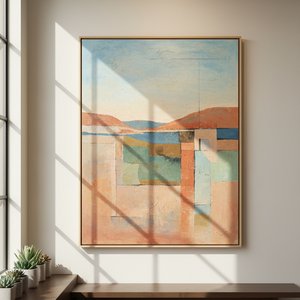
Richard Diebenkorn: A Poetics of Space & Form – Navigating Abstraction in California Modernism
Explore the evolution of Richard Diebenkorn's iconic art – from abstract expressionism to his celebrated Ocean Park series. Discover insights for collectors & enthusiasts.
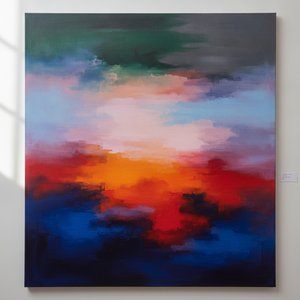
Color Field Painting: The Emotional Power of Pure Abstraction and Chromatic Depth
Explore the profound emotional depth of Color Field painting. Discover the history of mid-century abstraction, from Rothko to Newman, and learn how pure color transforms the viewer's experience through our expert art history guide.
The Essence of Abstraction: A Definitive Guide to the Power and History of Color Field Painting Masterpieces
Explore the profound emotional depth of Color Field painting. Our expert guide delves into the post-war origins of Abstract Expressionism, analyzing masterpieces by Rothko and Newman. Discover museum-grade, hand-painted oil reproductions that bring art history to your walls.
Beyond the Brush: The Raw Emotion and Power of Abstract Expressionism
Explore the profound emotional depth of Abstract Expressionism. From the visceral energy of Action Painting to the serene beauty of Color Field, discover the history and mastery behind this transformative movement for the discerning art collector.