 Vista previa
 Compartir
 Compartir
 Ver detalles

 Descargar
 Ver similares
 Radiografía
 Presentación de diapositivas
Voice


 Leer más
Giclée / Impresión de arte
Impresiones giclée o en lienzo de calidad de museo con producción rápida y opciones de acabado flexibles. ( Encargar reproducción pintada a mano Comprar descarga)




P118B $10

P118H $10

P118W $10

P438Z $10

P508JH $12

P508YH $12

P805H $10

P805Z $10

P919BZ $10

P919G $10

P919XJ $10

P959ZH $10

P968JZ $12

W106C $8

W218G $10

W218JH $8

W218Y $10

W307PJ $10

W316G $10

W316PJ $8

W316Y $10

W398PJ $8

W4111J $10

W500HY $15

W500JH $15

W692G $12

W849H $8

W940BG $15

W953PJ $8




Elija entre nuestros tamaños predefinidos que respetan las proporciones originales de la obra.

Puede introducir sus propias dimensiones para adaptarse a un marco o espacio específico. Si el tamaño seleccionado no coincide con las proporciones de la imagen original, recortaremos la obra de arte o extenderemos la imagen con un borde con efecto espejo o de color sólido. Se enviará una maqueta digital para su aprobación antes de que comience la producción.
Tenga en cuenta que la vista previa en pantalla no refleja el recorte o la extensión real. Solo la maqueta mostrará con precisión la composición final.
Aunque existen tamaños personalizados, recomendamos seleccionar una dimensión de la lista predefinida para preservar las proporciones originales.
Envío a todo el mundo () en 2 semanas en lugar de las 4/5 semanas estándar. (14 agosto)

Envío exprés gratuito a todo el mundo

Lienzo de lino de alta calidad

Seguro de envío completo

Garantía de reembolso de aranceles aduaneros

Garantía de fidelidad cromática exacta

Política de devolución de 60 días (solo por defectos)

Garantía de devolución del 100% del dinero

Oferta por volumen
 La opción de vidrio solo está disponible en tamaños inferiores a 110 cm.

Voice
Giclée / Impresión de arte
Tamaño de la reproducción
-


Precio total
$ 80
Descripción de la pieza
A Surreal Intersection of Nature and Architecture
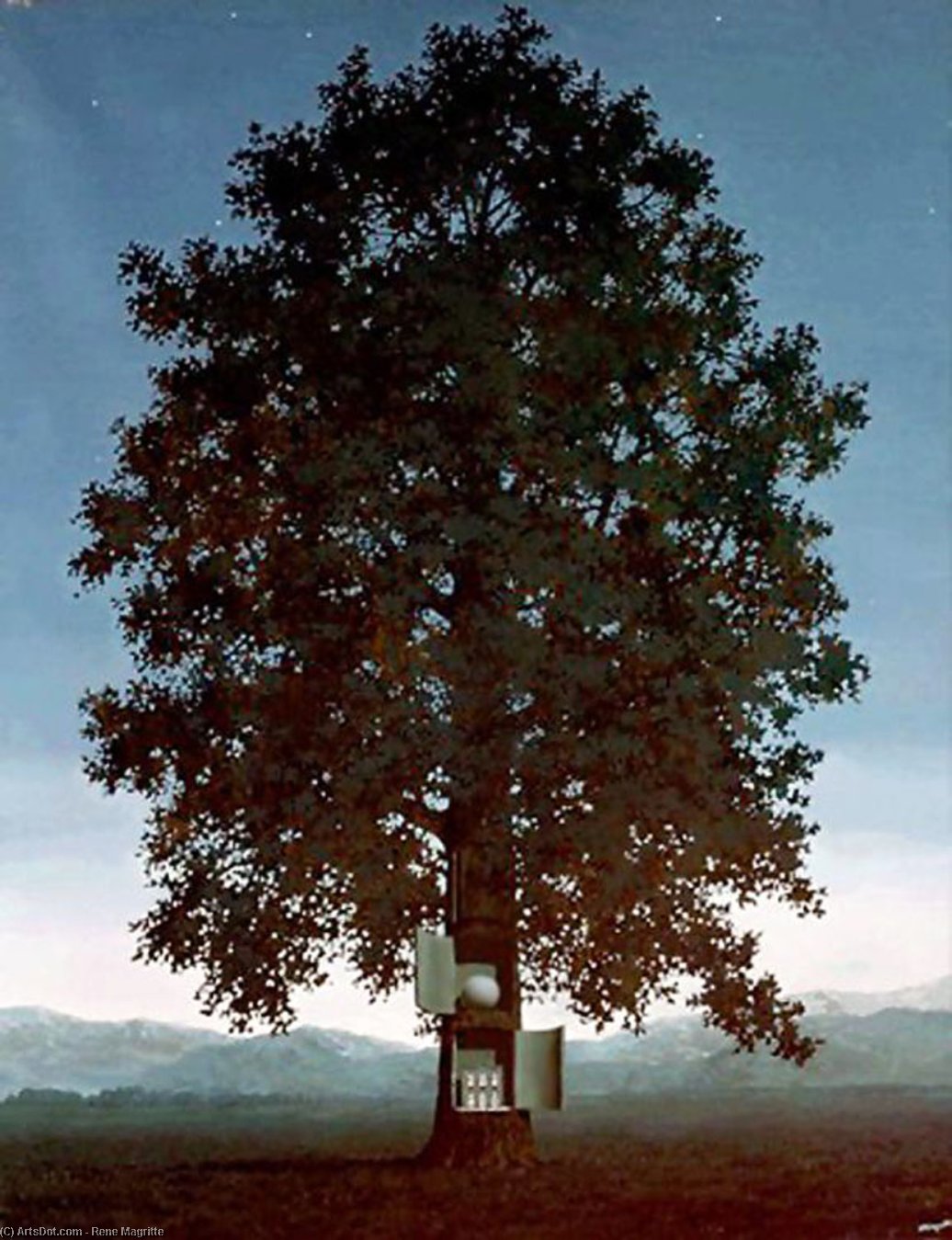
In René Magritte’s captivating work, Voice, the boundaries between the organic world and human habitation dissolve into a singular, arresting image. At first glance, the viewer is met with the sturdy, detailed presence of a tree, its bark rendered with such meticulous realism that one can almost feel its rough texture underfoot. Yet, as the eye wanders toward the heart of the trunk, the familiar gives way to the impossible: a miniature house nestled securely within the wood, complete with an open doorway that invites the imagination into its hollowed depths. This signature Magritte technique—grounding fantastical, dreamlike distortions in tangible, recognizable reality—creates a visual tension that is both unsettling and deeply enchanting. The artist employs a masterful precision that makes the surreal feel profoundly present, turning a simple landscape into a stage for the extraordinary.
The Language of Hidden Realities
Painted during the mid-1950s, a period of profound experimentation for Magritte, this piece serves as a window into the Surrealist mission to liberate the subconscious mind from the constraints of logic. The painting transcends mere visual trickery, acting instead as a complex web of symbols and psychological echoes. The tree stands as a potent emblem of resilience and growth, perhaps reflecting the artist's own navigation through the shadows of personal loss. Within its core, the house introduces a profound paradox: it represents the sheltering comfort of home, yet its placement within the living organism suggests a sense of confinement or a hidden, internal world where emotions are tucked away. The solitary figure standing near the tree adds a layer of quiet contemplation, prompting us to wonder if they are an observer of this miracle or a participant in its silent, whispered mystery.
An Evocative Presence for the Discerning Collector
For art lovers and interior designers seeking to infuse a space with intellectual depth, Voice offers an unparalleled atmosphere of mystery and melancholy. The painting’s emotional impact is driven by its masterful use of color; the palette, dominated by earthy browns and tranquil greens, creates a sense of grounded serenity that is subtly tinged with a haunting sadness. It is a piece that demands attention not through loudness, but through its ability to provoke thought and lingering conversation.
When considering this work for a collection or a curated interior, one finds several layers of appeal:
- Visual Intrigue: The juxtaposition of architecture and nature provides a striking focal point that challenges the viewer's perception.
- Atmospheric Depth: The muted, natural tones allow it to integrate seamlessly into sophisticated, modern, or classical decor while maintaining its own enigmatic character.
- Narrative Power: It serves as more than decoration; it is a profound piece of storytelling that invites the eye to linger and the mind to wander.
To possess a high-quality reproduction of such a masterpiece is to bring a fragment of the surreal into the everyday, turning any room into a space of infinite contemplation and wonder.
Biografía del artista
vida temprana y comienzos artísticos
René François Ghislain Magritte, un reconocido artista surrealista belga, nació el 21 de noviembre de 1898 en Lessines, provincia de Hainaut, Bélgica. Su vida temprana permanece algo misteriosa, con poco conocimiento sobre su infancia. Sin embargo, está documentado que comenzó clases de dibujo en 1910.evolución artística e influencias
El estilo artístico de Magritte evolucionó significativamente a lo largo de los años, influenciado por diversos movimientos como el impresionismo, el futurismo y el cubismo. Sus primeras pinturas, datadas alrededor de 1915, eran de estilo impresionista. De 1916 a 1918, estudió en la Academia Real de Bellas Artes de Bruselas, bajo Constant Montald.período surrealista y obras notables
En 1926, Magritte produjo su primer cuadro surrealista, El jinete perdido (Le jockey perdu), marcando el comienzo de su asociación con el movimiento surrealista. Su obra se caracteriza por imágenes provocadoras, a menudo representando objetos ordinarios en contextos inusuales, desafiando las percepciones de la realidad de los observadores.- Les amants (1927-1928), una serie de pinturas que presentan a personas con tela cubriendo sus rostros, se cree que fue inspirada por la historia de la muerte de su madre.
- Los amantes, otra pieza icónica, presenta a una pareja besándose con sus rostros cubiertos por telas blancas, invitando al espectador a reflexionar sobre el amor y la identidad. (disponible para su compra como una reproducción de pintura al óleo hecha a mano o impresión en lienzo en OriginalUniqueArt.com)
vida tardía y legado
La obra de Magritte fue exhibida en los Estados Unidos en 1936 y nuevamente en dos exposiciones retrospectivas, una en el Museo de Arte Moderno en 1965 y la otra en el Metropolitan Museum of Art en 1992. Se mantuvo comprometido con la izquierda política pero abogó por la autonomía artística. Museos notables que exhiben la obra de Magritte:- Musée royal des beaux-arts de Belgique, Bruselas, Bélgica (descubra las obras maestras del musée royal des beaux-arts de belgique en OriginalUniqueArt.com)
- Musée Magritte, parte del musée royal des beaux-arts de Belgique, que exhibe la colección mundial más grande de obras de Magritte.
Conclusión
El legado de René Magritte como maestro surrealista perdura, con sus imágenes provocadoras que continúan inspirando e intrigando. Su obra, caracterizada por su mezcla única del ordinario y lo inesperado, sigue siendo un pilar fundamental del arte surrealista. Más información sobre René Magritte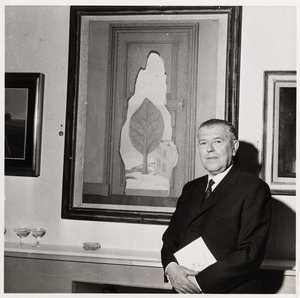
René Magritte
1898 - 1967 , bélgica
Datos clave
- Artistas Que Influyeron:
- Impresionismo
- Futurismo
- Cubismo
- Estilo Artístico: Surrealismo
- Fecha De Muerte: 15 de agosto de 1967
- Fecha De Nacimiento: 21 de noviembre de 1898
- Influenciado A Artistas:
- Pop Art
- Minimalismo
- Arte conceptual
- Lugar De Nacimiento: Lessines, Bélgica
- Nacionalidad: Belga
- Nombre Completo: René François Ghislain Magritte
- Obras Notables:
- Le Jockey Perdu
- Les Amants
- La traición de las imágenes
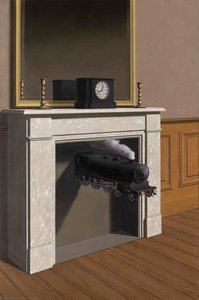
- Tiempo transcurrido
- La condición humana
Artículos relacionados
René Magritte: Las 25 Obras Maestras del Surrealismo para Inspirar tu Hogar
Descubre las 25 obras maestras de René Magritte, el rey del surrealismo. Explora su arte moderno, significado oculto y técnica única. Encuentra reproducciones de alta calidad e inspira tu hogar con OriginalUniqueArt.com.
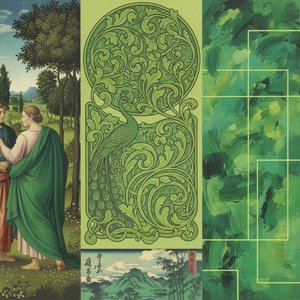
Verdant Visions: Exploring the Symbolism & Aesthetic Impact of Green in Art History
Explore the rich history & symbolism of green in art! Discover iconic paintings, techniques, and how to bring verdant harmony into your home with OriginalUniqueArt's expert guide.
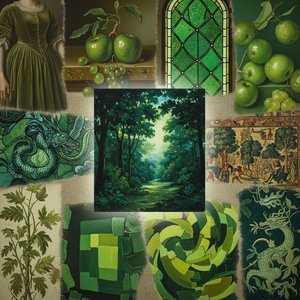
Los 10 Cuadros Más Famosos Dominados por el Verde Cromado: Arte y Decoración
Descubre los 10 cuadros más famosos dominados por el verde cromado. Explora la historia, artistas como Monet y Renoir, e inspírate para decorar tu hogar con lienzos impresionistas. Reproducciones de arte en .
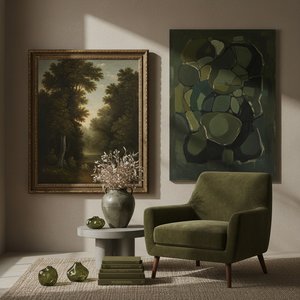
Los 10 cuadros más famosos dominados por el verde oliva oscuro | Arte y decoración
Descubre los 10 cuadros más famosos con impresionantes tonos verde oliva oscuro. Explora la historia, artistas y técnicas de estas obras maestras del arte clásico. Encuentra reproducciones de alta calidad en .
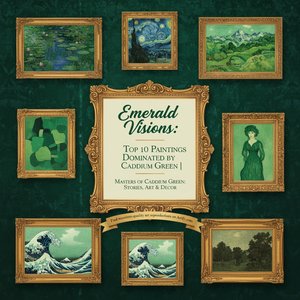
Los 10 Pinturas Más Famosas Dominadas por el Verde Cadmio | Arte y Decoración de Lujo
Descubre los 10 cuadros más famosos dominados por el verde cadmio. Explora la historia, artistas como Monet y Van Gogh, e inspiración para decoración con arte en . ¡Encuentra tu obra maestra!