Vista previa
 Compartir
 Compartir
 Ver detalles

 Descargar
 Ver similares
 Radiografía
 Presentación de diapositivas
The Loggia of Psych

 Leer más
Reproducción al óleo hecha a mano
Óleo sobre lienzo pintado a mano en el tamaño y marco de su elección, realizado por encargo por nuestros artistas. ( Pedir impresión Comprar descarga)




P118B $10

P118H $10

P118W $10

P438Z $10

P508JH $12

P508YH $12

P805H $10

P805Z $10

P919BZ $10

P919G $10

P919XJ $10

P959ZH $10

P968JZ $12

W106C $8

W218G $10

W218JH $8

W218Y $10

W307PJ $10

W316G $10

W316PJ $8

W316Y $10

W398PJ $8

W4111J $10

W500HY $15

W500JH $15

W692G $12

W849H $8

W940BG $15

W953PJ $8




Elija entre nuestros tamaños predefinidos que respetan las proporciones originales de la obra.

Puede ingresar sus propias dimensiones para adaptarse a un marco o espacio específico. Si el tamaño seleccionado no coincide con las proporciones de la imagen original, recortaremos la obra o extenderemos la pintura con elementos adicionales pintados a mano. Se le enviará una maqueta digital para su aprobación antes de comenzar la producción.
Tenga en cuenta que la vista previa en pantalla no refleja el recorte o la extensión reales. Solo la maqueta mostrará con precisión la composición final.
Si bien existen tamaños personalizados, recomendamos seleccionar una dimensión de la lista predefinida para preservar las proporciones originales.
Tras realizar el pedido, el equipo de OriginalUniqueArt.com enviará un correo electrónico al cliente para solicitar instrucciones y proporcionarle una vista previa del boceto.
Envío a todo el mundo () en 3-4 semanas en lugar de las 5 semanas estándar. (22 agosto). Sin comprometer la calidad.

Envío exprés gratuito a todo el mundo

Lienzo de lino de alta calidad

Seguro de envío completo

Garantía de reembolso de aranceles aduaneros

Garantía de fidelidad cromática exacta

Política de devolución de 60 días (solo por defectos)

Garantía de devolución del 100% del dinero

Oferta por volumen
 La opción de vidrio solo está disponible en tamaños inferiores a 110 cm.

The Loggia of Psych
Técnica de reproducción
Tamaño de la reproducción
-


Precio total
$ 300
Descripción de la obra
A Moment Frozen in Urbino’s Renaissance Glow
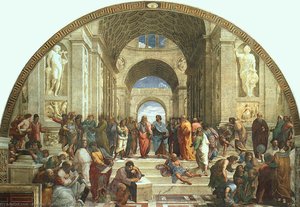
The fresco “The Loggia of Psych,” attributed to Raphael, stands as a testament to the artistic brilliance flourishing during Federico da Montefeltro's reign in Urbino – a beacon of humanist ideals and refined aesthetic sensibilities. Painted circa 1509-1511, this monumental artwork isn’t merely a depiction of figures; it’s an embodiment of intellectual curiosity and contemplative beauty, reflecting the spirit of its time.Subject Matter and Composition
The scene unfolds within a spacious loggia – a covered courtyard or veranda – populated by fourteen individuals engaged in animated conversation. These figures aren't posed statically; they move with grace and fluidity, conveying a palpable sense of social interaction. Scattered amongst them are thirteen birds, strategically positioned throughout the composition, adding layers of visual complexity and subtly enhancing the overall atmosphere. The careful arrangement contributes to an illusionistic depth that draws the viewer into the scene, fostering a feeling of immediacy and engagement.Style and Technique: Raphael’s Mastery
Raphael's signature style is characterized by its harmonious balance between classical ideals and humanist observation. He expertly employs sfumato – a technique pioneered by Leonardo da Vinci – to soften contours and create subtle gradations of light and shadow, lending the figures an ethereal quality. The fresco utilizes tempera paint on plaster, a method favored during the Renaissance for its luminosity and durability. Raphael’s meticulous attention to detail is evident in every brushstroke, capturing not only anatomical accuracy but also nuanced expressions of emotion and psychological insight.Historical Context: Urbino Under Montefeltro
Federico da Montefeltro's patronage profoundly influenced artistic production in Urbino. He recognized the transformative power of humanist scholarship and actively sought to surround himself with brilliant minds – artists, poets, philosophers – fostering an environment conducive to innovation. Raphael’s commission reflects this broader cultural preoccupation with human experience and intellectual exploration. The Loggia of Psych exemplifies the Renaissance fascination with portraying idealized beauty and capturing fleeting moments of contemplation, mirroring the humanist ethos that permeated Urbino's courtly circles.Symbolism: Birds as Embodiments of Thought
The inclusion of thirteen birds is laden with symbolic significance. Traditionally associated with intellect and wisdom – referencing Aristotle’s writings on birds – they represent the pursuit of knowledge and philosophical reflection. Their placement throughout the loggia underscores the importance of contemplation alongside conversation, suggesting that true understanding arises from both active engagement and quiet introspection. Raphael skillfully utilizes visual symbolism to elevate the artwork beyond mere representation, inviting viewers to contemplate deeper meanings about human nature and artistic expression.Emotional Impact: Tranquility and Reflection
Ultimately, “The Loggia of Psych” evokes a profound sense of tranquility and contemplative beauty. The soft lighting, harmonious colors, and graceful poses of the figures create an atmosphere of serenity that invites viewers to pause and consider the complexities of human relationships and the pursuit of intellectual enlightenment. It’s a piece designed not just to please the eye but also to nourish the soul—a timeless reminder of Raphael's unparalleled ability to capture the essence of Renaissance ideals in a breathtaking visual masterpiece.Biografía del artista
**vida temprana y formación**
Rafael (rafaello sanzio da urbino), un renombrado pintor y arquitecto italiano, nació entre el 28 de marzo y el 6 de abril de 1483, en la pequeña pero culturalmente significativa ciudad de Urbino. Su padre, Giovanni Santi, era pintor de corte para el duque, proporcionando a Rafael una exposición temprana al mundo artístico. Después de fallecer su padre a los once años, Rafael probablemente administró el taller familiar, consolidando aún más su base artística.**carrera artística e influencias**
El viaje artístico de Rafael puede categorizarse en tres fases distintas, cada una marcada por un estilo único:- primeros años en Umbría: caracterizado por la influencia de su padre y el ambiente cultural de Urbino.
- período florentino (1504-1508): absorbiendo las tradiciones artísticas de Florencia, que influyeron significativamente en su estilo.
- período romano (1508-1520): trabajando para dos papas y sus asociados, produciendo algunas de sus obras más celebradas, incluyendo la escuela de Atenas en la stanza della segnatura del Vaticano.
**obras notables y legado**
Algunas de las obras notables de Rafael incluyen:- el juicio de Salomón (ver en OriginalUniqueArt)
- la madona de Esterházy (ver en OriginalUniqueArt)
- Stanze Vaticane - vista de la stanza della segnatura (ver en OriginalUniqueArt)
- San Sebastián (ver en OriginalUniqueArt)
- La dama velada (ver en OriginalUniqueArt)
**influencia y legado**
La influencia de Rafael en el arte es profunda, con su obra siendo un pilar del Renacimiento italiano. Su estilo sereno y armonioso ha sido un modelo para la pintura neoclásica, como señaló el historiador de arte Johann Joachim Winckelmann. A pesar de la influencia posterior del estilo de Miguel Ángel, Rafael sigue siendo uno de los artistas más reverenciados en la historia. ver el perfil de Rafael en OriginalUniqueArt
Rafael
1483 - 1520 , Italia
Datos clave
- Artistas Influyentes:
- Giovanni Santi
- Pietro Perugino
- Estilo Artístico: Alto Renacimiento
- Fecha De Muerte: 06/04/1520
- Fecha De Nacimiento: 28/03/1483
- Influencia En Artistas: Neoclasicismo
- Lugar De Nacimiento: Urbino, Italia
- Nacionalidad: Italiano
- Nombre Completo: Rafael (Raffaello Sanzio)
- Obras Notables:
- El Juicio de Salomón
- Madonna del Cardellino
- La Escuela de Atenas
- San Sebastián
- La Dama Velada
Artículos relacionados
Rafael: Las 25 Obras Maestras que Definen al Genio del Renacimiento | OriginalUniqueArt
Descubre las 25 obras maestras de Rafael Sanzio, el genio del Renacimiento. Explora su historia, técnica y significado en pinturas icónicas como 'La Escuela de Atenas'. Reproducciones de arte de alta calidad para decorar tu hogar con elegancia. ¡Explora la colección completa en OriginalUniqueArt.com!
Legado en las Paredes: Frescos Familiares que Trascienden el Tiempo
Descubre el arte del fresco muralístico para inmortalizar tu historia familiar. Expertos en frescos personalizados y técnicas ancestrales. Crea un legado visual único con .
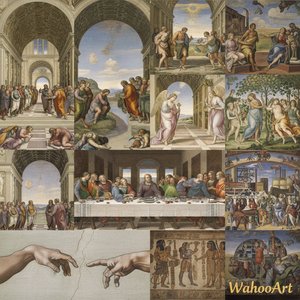
Frescos Legendarios: 10 Obras Maestras que Revolucionaron la Historia del Arte | OriginalUniqueArt
Descubre los 10 frescos más legendarios de la historia del arte, desde Miguel Ángel y Rafael hasta Giotto. Explora sus técnicas, historias y el impacto cultural que perdura. Reproducciones de alta calidad en OriginalUniqueArt.com.

The Enduring Legacy of Fresco: Technique, History & Artistic Expression Across Cultures
Explore the rich history & enduring legacy of fresco painting! Discover ancient techniques, Giotto's masterpieces, and modern applications. Expert insights for art lovers & professionals.
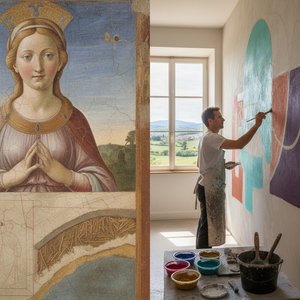
The Enduring Legacy of Fresco Painting: Techniques, History & Contemporary Relevance
Explore the rich history & enduring artistry of fresco painting – from Giotto to Michelangelo! Discover techniques, conservation efforts, & modern applications. Learn how OriginalUniqueArt brings this timeless art form to your home.