Vista previa
 Compartir
 Compartir
 Ver detalles

 Descargar
 Ver similares
 Radiografía
 Presentación de diapositivas
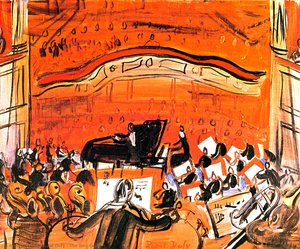
Anglers
 Oil On Canvas
- WallArt
- Impressionism
 1908
1908- Modern
 65.0 x 81.0 cm
 Leer más
Giclée / Impresión de arte
Impresiones giclée o en lienzo de calidad de museo con producción rápida y opciones de acabado flexibles. ( Encargar reproducción pintada a mano Comprar descarga)




P118B $10

P118H $10

P118W $10

P438Z $10

P508JH $12

P508YH $12

P805H $10

P805Z $10

P919BZ $10

P919G $10

P919XJ $10

P959ZH $10

P968JZ $12

W106C $8

W218G $10

W218JH $8

W218Y $10

W307PJ $10

W316G $10

W316PJ $8

W316Y $10

W398PJ $8

W4111J $10

W500HY $15

W500JH $15

W692G $12

W849H $8

W940BG $15

W953PJ $8




Elija entre nuestros tamaños predefinidos que respetan las proporciones originales de la obra.

Puede introducir sus propias dimensiones para adaptarse a un marco o espacio específico. Si el tamaño seleccionado no coincide con las proporciones de la imagen original, recortaremos la obra de arte o extenderemos la imagen con un borde con efecto espejo o de color sólido. Se enviará una maqueta digital para su aprobación antes de que comience la producción.
Tenga en cuenta que la vista previa en pantalla no refleja el recorte o la extensión real. Solo la maqueta mostrará con precisión la composición final.
Aunque existen tamaños personalizados, recomendamos seleccionar una dimensión de la lista predefinida para preservar las proporciones originales.
Envío a todo el mundo () en 2 semanas en lugar de las 4/5 semanas estándar. (19 agosto)

Envío exprés gratuito a todo el mundo

Lienzo de lino de alta calidad

Seguro de envío completo

Garantía de reembolso de aranceles aduaneros

Garantía de fidelidad cromática exacta

Política de devolución de 60 días (solo por defectos)

Garantía de devolución del 100% del dinero

Oferta por volumen
 La opción de vidrio solo está disponible en tamaños inferiores a 110 cm.

Anglers
Giclée / Impresión de arte
Tamaño de la reproducción
-


Precio total
$ 80
Descripción de la pieza
A Symphony of Leisure: Raoul Dufy’s Anglers
In the gentle embrace of 1908, Raoul Dufy captured a moment of pure, unadulterated tranquility in his evocative oil painting, Anglers. This masterpiece serves as a window into a bygone era of effortless leisure, inviting the viewer to step away from the frantic pace of modern life and settle beside a sun-drenched shoreline. The scene unfolds with a delicate balance of human connection and natural serenity, depicting a gathering of souls clustered around the shimmering edge of a tranquil body of water. Whether it be a secluded lake or the rhythmic pulse of the ocean, the water acts as a mirror to the sky, reflecting the light and the quiet joy of those gathered there. Through his masterful use of composition, Dufy directs our gaze across a landscape populated by at least thirteen figures, each lost in their own moment of contemplation or shared conversation, creating a tapestry of human experience that feels both intimate and universal.
The technique employed in Anglers is a testament to Dufy’s evolving mastery of light and color, standing at the threshold between Impressionist luminosity and the vibrant energy of Fauvism. The artist utilizes oil on canvas to build a texture that breathes with life; there is a rhythmic quality to his brushstrokes that mimics the gentle movement of the water and the swaying of the breeze. Notice how the scattered objects—a solitary suitcase near the center, a delicate handbag to the left—act as anchors of reality within this dreamlike setting, grounding the ethereal light with tangible human presence. The background, featuring distant boats drifting lazily upon the surface, adds a sense of depth and infinite possibility, suggesting that this peaceful gathering is but one small part of a much larger, beautiful world.
For the discerning collector or interior designer, Anglers offers more than mere decoration; it provides an emotional atmosphere. The painting is imbued with a profound sense of joie de vivre, a hallmark of Dufy’s celebrated style. It does not demand attention through aggression, but rather seduces the eye through its harmonious palette and the nostalgic warmth of its subject matter. Incorporating a high-quality reproduction of this work into a living space can transform a room, infusing it with a sense of calm, sophistication, and a timeless connection to the French landscape. It is an ideal centerpiece for those seeking to curate an environment that celebrates light, peace, and the enduring beauty of life's quietest, most precious moments.
Biografía del artista
Primeros años y formación
Raúl Dufy, pintor francés del fauvismo, nació el 3 de junio de 1877 en Le Havre, Normandía. Abandonó la escuela a los catorce años para trabajar en una empresa importadora de café. En 1895, comenzó a tomar clases nocturnas de arte en la École des Beaux-Arts de Le Havre, donde conoció a Raimond Lécourt y Othon Friesz, con quienes más tarde compartió un estudio en Montmartre.Estilo artístico e influencias
Dufy desarrolló un estilo decorativo y colorido que se hizo popular para diseños de cerámica, textiles y edificios públicos. Estuvo influenciado por los pintores paisajistas impresionistas, como Claude Monet y Camille Pissarro. Su primera exposición tuvo lugar en 1901 en la Exposición de Artistas Franceses.Obras notables y colaboraciones
- El pura sangre (45 x 53 cm, arte naïf / primitivismo, óleo sobre lienzo) es una obra notable de Dufy, que muestra su estilo único.
- En 1904, trabajó con Albert Marquet en Fécamp, en el Canal de la Mancha (la Manche).
- La colaboración de Dufy con Henri Matisse's *Luxe, Calme et Volupté* en 1905 fue una revelación para el joven artista, dirigiendo sus intereses hacia el fauvismo.
Evolución y reconocimiento
Dufy experimentó con diferentes estilos a lo largo de su carrera. Inicialmente influenciado por el impresionismo y posteriormente por el fauvismo, también exploró elementos del cubismo. Su obra se caracterizó por colores vibrantes, composiciones dinámicas y una sensación general de alegría de vivir. En 1952, Dufy recibió el Gran Premio para la Pintura en la 26ª Bienal de Venecia. Sus obras se encuentran en varios museos importantes, incluyendo el Museo Real de la Colección (Reino Unido).Últimos años y legado
La salud de Dufy se deterioró debido a la artritis reumatoide, y falleció el 23 de marzo de 1953 en Forcalquier, Francia. Fue enterrado cerca de Matisse en el cementerio del monasterio de Cimiez en Cimiez, un suburbio de Niza. Su legado perdura como uno de los pintores más importantes del fauvismo, conocido por su estilo único y optimista que celebra la vida y la belleza del mundo que lo rodeaba.- Explore la obra de Dufy y su biografía en OriginalUniqueArt
- Descubra más sobre el fauvismo y su influencia en el arte en Wikipedia
- Conozca el Museo Real de la Colección (Reino Unido) y su importancia en la historia del arte en OriginalUniqueArt

Raúl Dufy
1877 - 1953 , Francia
Datos clave
- Artistas Que Influyeron:
- Claude Monet
- Camille Pissarro
- Henri Matisse
- Estilo Artístico: Fauvismo, Decorativo
- Fecha De Fallecimiento: 23 de marzo de 1953
- Fecha De Nacimiento: 3 de junio de 1877
- Influencia En Artistas: ['Émile Othon Friesz']
- Lugar De Nacimiento: Le Havre, Francia
- Nacionalidad: Francesa
- Nombre Completo: Raoul Dufy
- Obras Notables:
- El Casino
- La consola con el bol rojo
- The Thoroughbred
Artículos relacionados
Claude Monet: Las 25 Obras Maestras del Impresionismo para Decorar tu Hogar con Arte
Descubre las 25 obras maestras de Claude Monet, el padre del impresionismo. Explora la historia, técnica y belleza de sus paisajes, nenúfares y 'Impresión, sole levant'. Encuentra reproducciones de arte exclusivas en OriginalUniqueArt.com.
Fluid Reflections: Exploring Water's Symbolism in Art History – From Myth to Impressionism
Explore the rich symbolism of water in art history – from ancient myths to Impressionism's fleeting beauty. Discover masterpieces & find your perfect serene artwork with OriginalUniqueArt.com.

Los 10 Maestros del Paisaje Impresionista: Obras que Cambiaron la Historia del Arte
Descubre los 10 lienzos impresionistas que revolucionaron el arte. Explora la historia de Monet, Van Gogh y Renoir, sus técnicas y colores vibrantes. Encuentra reproducciones de alta calidad para decorar tu hogar en OriginalUniqueArt.com

Serene Waters: A Curated Journey Through the World's Most Iconic Water Lily Masterpieces
Embark on a visual journey through Claude Monet's most iconic water lily masterpieces. Discover the profound beauty of Impressionism, explore the evolution of Giverny's light, and learn how to bring these serene, museum-quality landscapes into your private collection.
Renoir: Las 25 Obras Maestras del Impresionismo para Decorar tu Hogar con Arte
Descubre las 25 obras maestras de Renoir, el rey del impresionismo. Explora su técnica, historia y significado en cada pintura. Encuentra reproducciones de arte de alta calidad para decorar tu hogar con OriginalUniqueArt.com.