Vista previa
 Compartir
 Compartir
 Ver detalles
 Guía
Guía

 Descargar
 Ver artículos similares
 Radiografía
 Presentación de diapositivas
 Estadísticas
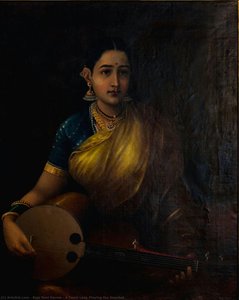
Yashoda y Krishna


 Leer más
Giclée / Impresión de arte
Impresiones giclée o en lienzo de calidad de museo con producción rápida y opciones de acabado flexibles. ( Encargar reproducción pintada a mano Ver versión en imagen digital)




P118B €10

P118H €10

P118W €10

P438Z €10

P508JH €12

P508YH €12

P805H €10

P805Z €10

P919BZ €10

P919G €10

P919XJ €10

P959ZH €10

P968JZ €12

W106C €8

W218G €10

W218JH €8

W218Y €10

W307PJ €10

W316G €10

W316PJ €8

W316Y €10

W398PJ €8

W4111J €10

W500HY €15

W500JH €15

W692G €12

W849H €8

W940BG €15

W953PJ €8




Elija entre nuestros tamaños predefinidos que respetan las proporciones originales de la obra.

Introduzca el ancho y el alto que necesite para adaptarse a su marco o pared. Una impresión solo puede recortarse, nunca hacerse más grande que la imagen original, por lo que un tamaño con una forma distinta perderá parte de la obra. Le enviaremos una maqueta digital para su aprobación antes de realizar cualquier impresión. La imagen que se muestra en esta página no refleja el recorte real; solo la maqueta lo hace.
Envío a todo el mundo () en 2 semanas en lugar de las 4/5 semanas estándar. (24 octubre)

Envío exprés gratuito a todo el mundo

Lienzo de lino de alta calidad

Seguro de envío completo

Garantía de reembolso de impuestos aduaneros

Garantía de fidelidad cromática exacta

Política de devolución de 100 días (solo por defectos)

Garantía de devolución del 100% del dinero

Oferta por volumen
 La opción de vidrio solo está disponible en tamaños inferiores a 110 cm.

Yashoda y Krishna
Giclée / Impresión de arte
Tamaño de la reproducción
-


Precio total
€ 70
Raja Ravi Varma: Un puente entre tradición y modernidad en el arte indio del siglo XIX
El nombre de Raja Ravi Varma resuena con innovación artística en la India, emergiendo de la línea sucesoral real del Palacio de Kilimanjaro durante mediados del siglo XIX. Nacido el 29 de abril de 1848, su vida estuvo impregnada tanto de tradición aristocrática como de un espíritu creativo innato. No fue simplemente pintor; fue puente cultural, mezclando magistralmente técnicas académicas europeas con la rica tapestría de la mitología hindú y estética. Su familia tenía una conexión ancestral con la dinastía rajá raja varma del Travancore –de hecho, dos de sus hijas fueron adoptadas por esa misma familia– lo que proporcionó tanto privilegio como un profundo conocimiento de la vida cortesana india, que influiría profundamente en su visión artística. Desde temprana edad, Ravi Varma demostró una notable habilidad para el arte, nutrida por su tío Raja Raja Varma, quien le iniciaba en el mundo del dibujo y la pintura, principalmente dentro de la tradición escolar Tanjore. Howeve- Origen y Educación: Ravi Varma recibió una educación privilegiada gracias a su origen noble y al apoyo de figuras influyentes como Raja Raja Varma, quien lo introdujo en las técnicas académicas occidentales que estaban ganando fuerza en ese momento. Esta formación fue fundamental para desarrollar su estilo artístico único.
- Estilo Artístico: Ravi Varma se destacó por fusionar el estilo realista europeo con elementos de la estética hindú tradicional. Esta combinación innovadora marcó un punto de inflexión en el arte indio del siglo XIX, alejándolo de las convenciones académicas dominantes y abrazando una nueva sensibilidad artística.
- Temática: Sus obras abordaron temas religiosos y mitológicos centrales en la cultura india, como Krishna y Yashoda, figuras veneradas en el hinduismo antiguo. Ravi Varma logró capturar la esencia de estos personajes con una precisión impresionante, reflejando así los valores morales y espirituales de su época.
- Técnica: Ravi Varma empleó técnicas avanzadas para la época, como el óleo sobre lienzo y la impresión cromolítica, buscando lograr efectos visuales impactantes que impresionaran a sus contemporáneos. Esta maestría técnica contribuyó significativamente al reconocimiento internacional de su obra.
- Legado Histórico: Raja Ravi Varma fue considerado uno de los artistas más importantes de la historia del arte indio y desempeñó un papel clave en el desarrollo de una nueva corriente artística que influyó en generaciones posteriores. Su trabajo sigue siendo estudiado y admirado hoy en día como testimonio de la creatividad humana y la capacidad para trascender las fronteras culturales.
Yashoda y Krishna: Una representación icónica del amor divino
La pintura "Yashoda y Krishna" captura un momento dulce entre Yashoda y Krishna, figuras centrales en la tradición hindú que representan el amor maternal y la protección divina. Ravi Varma utilizó una combinación de colores vibrantes y detalles minuciosos para transmitir la belleza y la emoción de esta escena religiosa. La composición está cuidadosamente equilibrada, creando una sensación de armonía y serenidad que invita a la contemplación. Además, la pintura refleja la importancia del simbolismo en el arte hindú, donde cada elemento tiene un significado profundo relacionado con creencias religiosas y valores culturales.El impacto emocional de la obra
La pintura "Yashoda y Krishna" evoca sentimientos de ternura, amor y devoción hacia Dios. Los ojos expresivos de Yashoda y Krishna transmiten una profunda conexión entre madre e hijo, reflejando así los ideales morales y espirituales que caracterizan la cultura hindú tradicional. Esta obra maestra artística sigue siendo fuente de inspiración para artistas y amantes del arte en todo el mundo, demostrando cómo el arte puede comunicar emociones universales y transmitir valores esenciales a través del tiempo.Reproducciones disponibles
En OriginalUniqueArt encontrarás reproducciones de alta calidad de "Yashoda y Krishna" por Raja Ravi Varma que te permitirán disfrutar de la belleza artística de esta obra maestra en tu hogar o espacio creativo. Además, puedes descubrir información adicional sobre el artista y su contexto histórico para comprender mejor el significado profundo de este cuadro emblemático. ¡Descubre ahora!Preguntas y respuestas
¿Se encuentra "Yashoda y Krishna" de Raja Ravi Varma en el país de origen del artista?
Sí, la obra se encuentra en el país de origen del artista. Raja Ravi Varma nació en India, y el original de "Yashoda y Krishna" se encuentra en un museo de India.
¿Cuál es el tono emocional de "Yashoda y Krishna" de Raja Ravi Varma?
El tono emocional registrado para "Yashoda y Krishna" de Raja Ravi Varma es Tranquilo. Este resume el sentimiento que expresa la obra.
¿Cuánta luz parecen reflejar los colores de "Yashoda y Krishna"?
"Yashoda y Krishna" de Raja Ravi Varma tiene una luminancia de Sombra suave. La luminancia describe cuánta luz parecen reflejar los colores.
Biografía del artista
The Princely Brush: Raja Ravi Varma and the Dawn of Modern Indian Painting
Raja Ravi Varma, a name that resonates with artistic innovation in India, emerged from the royal lineage of Kilimanoor Palace in Kerala during the mid-19th century. Born on April 29, 1848, his life was steeped in both aristocratic tradition and an innate creative spirit. He wasn’t merely a painter; he was a cultural bridge, skillfully blending European academic techniques with the rich tapestry of Indian mythology and aesthetics. His family's long-standing connection to the Travancore royal house – indeed, two of his daughters were later adopted into that very family – provided both privilege and a deep understanding of Indian courtly life, which would profoundly influence his artistic vision. From an early age, Ravi Varma displayed a remarkable aptitude for art, nurtured by his uncle Raja Raja Varma, who initiated him into the world of drawing and painting, primarily within the Tanjore School tradition. However, young Ravi’s ambition extended beyond imitation; he sought to master techniques that would allow him to capture not just likeness but also emotion and narrative depth.Early Life & Background
Raja Ravi Varma was born into a noble family residing in Kilimanoor Palace, Travancore (present-day Kerala). His father, Ezhumavil Neelakanthan Bhattatiripad, was a respected scholar of Sanskrit and Ayurveda, hailing from the Ernakulam district. Uma Ambabayi Thampuratty, his mother, belonged to the baronial family that governed Kilimanoor Estate within the Travancore kingdom. She possessed considerable literary talent and penned *Parvati Swayamvaram*, which was published posthumously. Ravi Varma’s upbringing fostered a unique blend of artistic sensibilities—influenced by both European academic art and classical Indian traditions. Recognizing his exceptional talent, his uncle Raja Raja Varma, who served as Maharaja of Travancore, championed his artistic pursuits, enrolling him in formal training with Rama Swamy Naidu, a prominent painter from Tanjore. This mentorship instilled in Ravi Varma the foundational skills necessary for mastering watercolor and later, oil painting under Theodor Jenson, a Dutch artist stationed in India. At the tender age of 14, he began his artistic journey by sketching on the palace walls with charcoal—a practice that would foreshadow his lifelong dedication to visual art.A Fusion of Worlds: Technique and Inspiration
Raja Ravi Varma’s artistic trajectory took an unprecedented turn when he encountered the works of European masters during his travels abroad. He was captivated by the realism and meticulous precision characteristic of academic painting, diligently studying its principles—perspective, anatomy, light, and shadow—to elevate his own artistic endeavors. Unlike many contemporaries who merely replicated Western styles, Ravi Varma skillfully adapted these techniques to imbue Indian subjects with profound emotional resonance. His canvases became vibrant stages for scenes from the Ramayana, Mahabharata, and Puranas, populated by gods and goddesses rendered with remarkable naturalism. This transformative approach distinguished him from his peers and established a precedent for blending Eastern and Western artistic traditions. He didn’t merely depict religious narratives; he infused them with human emotion and psychological complexity—a hallmark of his distinctive style. Consider *Shakuntala*, where Ravi Varma portrays Shakuntalá’s longing gaze and delicate posture, conveying an unparalleled depth of feeling previously absent in Indian art.Lithographs and Public Appeal
Recognizing that original paintings were inaccessible to the majority of Indians, Raja Ravi Varma embarked on a visionary endeavor: establishing the Raja Ravi Varma Fine Arts Lithographic Press in 1894. This pioneering initiative revolutionized artistic dissemination by facilitating the mass production of affordable lithographs based on his masterpieces. Suddenly, images of Hindu deities and mythological narratives transcended social strata and geographical boundaries, adorning homes across India—a testament to Ravi Varma’s commitment to democratizing art. The lithographs weren’t mere reproductions; they were carefully crafted interpretations that captured the essence of Varma’s originals—further enhancing their visual impact and broadening their reach. This transformative step solidified his legacy as a champion of artistic accessibility and profoundly shaped public perceptions of Hindu iconography.Legacy and Enduring Influence
Raja Ravi Varma passed away in 1906, leaving behind an indelible mark on Indian art history. His groundbreaking fusion of European academic methods with Indian mythological themes irrevocably altered the course of artistic expression—establishing him as a pivotal figure who ushered in the era of modern Indian painting. His influence continues to resonate today, evident in the works of subsequent generations of artists who sought to forge a distinctly national artistic identity. Museums like The Raja Ravi Varma Heritage Foundation and The Ganesh Shivaswamy Foundation diligently preserve and celebrate his art—ensuring that his visionary spirit persists for posterity. His paintings remain powerful embodiments of beauty, spirituality, and cultural richness—masterpieces that encapsulate the transformative legacy of Raja Ravi Varma.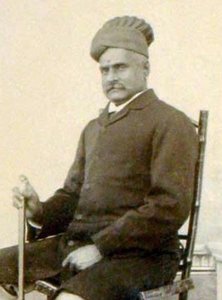
Raja Ravi Varma
1848 - 1906 , India
Datos clave
- Artistic Movement Or Style: Académico y fusión india
- Artists Or Movements Influenced By This Artist: ['Arte moderno indio']
- Artists Who Influenced This Artist: ['Maestro europeo']
- Date Of Birth: 29 abril 1848
- Date Of Death: 2 octubre 1906
- Full Name: Raja Ravi Varma
- Nationality: Indio
- Notable Artworks:
- Hansa Damayanthi
- Maharani de Travancore
- Retrato de un caballero
- Place Of Birth: Kilimanjaro, India
Artículos relacionados
Puentes de Cultura a Través del Lienzo: Una Guía Esencial para Amantes del Arte y Exploradores Globales de Museos
Descubre el arte que conecta culturas y preserva la historia. Guías expertas, reproducciones de calidad museo y asesoramiento personalizado en OriginalUniqueArt. ¡Encuentra tu obra maestra!

El glosario físico: qué comprobar en la tinta, el papel, la pintura y el marco
Deja de preguntar si una reproducción es de 'calidad de museo' y empieza a ponerla a prueba. Nuestra guía experta descifra el glosario técnico de tintas, papel y pigmentos para ayudarte a distinguir las verdaderas impresiones giclée de bellas artes de los simples pósteres. Domina la ciencia de la longevidad del arte con OriginalUniqueArt.

Por qué las pinturas al óleo se realizan sobre lino: el lienzo de 300 GSM bajo la pintura
Descubre por qué OriginalUniqueArt utiliza lienzo de lino premium de 300 GSM para nuestros óleos pintados a mano. Aprende cómo la resistencia y textura superiores de las fibras de lino garantizan la estabilidad de archivo, evitan grietas y proporcionan el grano profesional que los maestros pintores exigen para un arte fino duradero.

La regla de los 500 píxeles: qué es lo que realmente hace que una foto sea lo suficientemente buena como para convertirse en un óleo
Deja de perder dinero en encargos fallidos. Aprende la 'Regla de los 500 Píxeles' de expertos en arte para asegurar que tus fotos sean perfectas para retratos al óleo pintados a mano. Descubre cómo la resolución, la luz y la geometría impactan en el parecido y cómo evitar errores comunes de compresión de imagen.

El marco no es neutral: una guía época por época para acertar (y los cinco errores que cuestan más que la propia pintura)
Deja de cometer errores costosos al enmarcar. Aprende de los expertos de OriginalUniqueArt cómo combinar marcos con las épocas, paletas y medios del arte. Nuestra guía profesional revela las reglas esenciales para enmarcar desde los Grandes Maestros hasta el Pop Art para asegurar que tu colección luzca con calidad de museo, y no como algo improvisado.