
 Vista previa
 Compartir
 Compartir
 Ver detalles

 Descargar
 Ver similares
 Radiografía
 Presentación de diapositivas
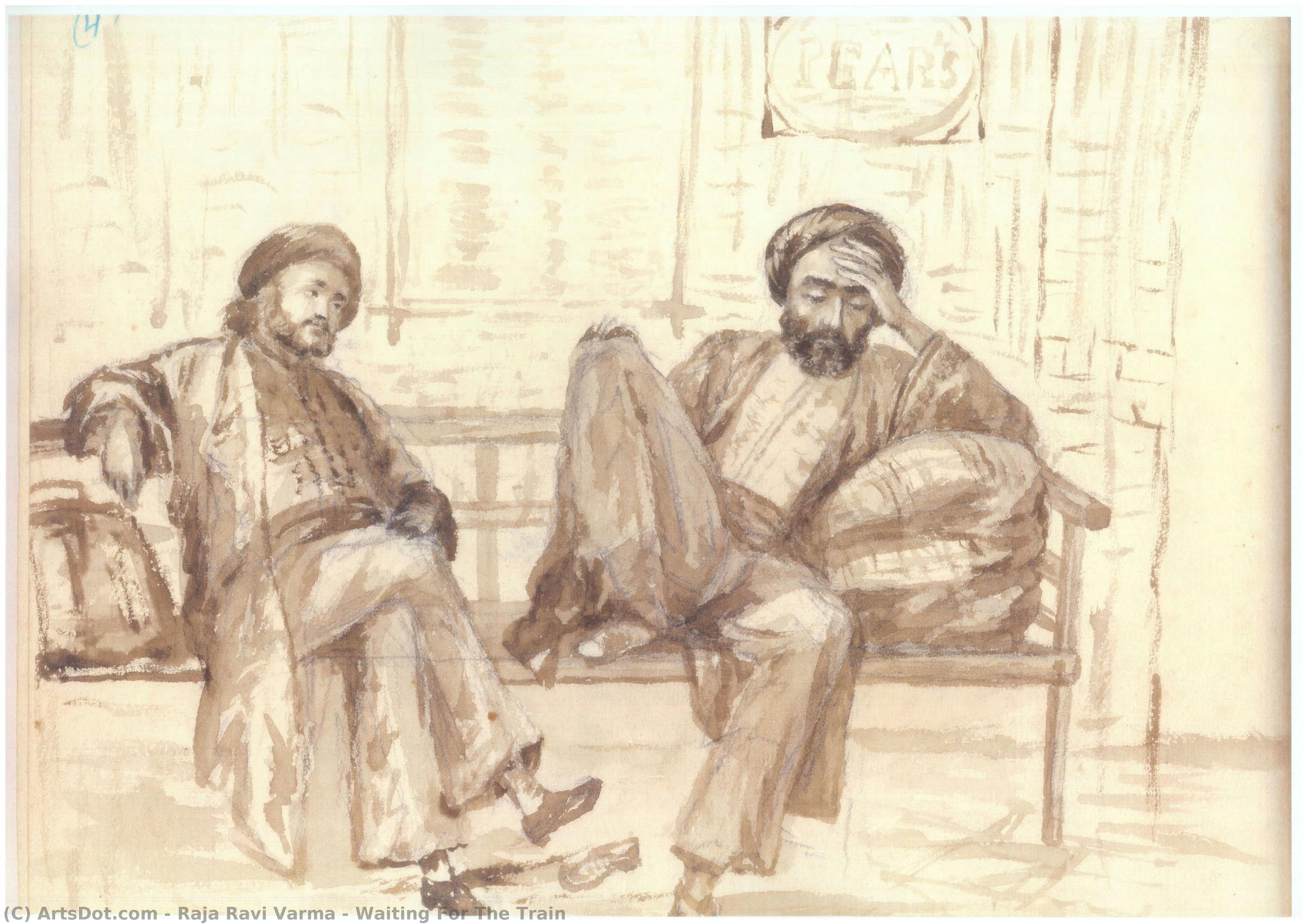
Waiting For The Train


 Leer más
Adquiera una imagen digital de alta resolución y optimizada, muy superior a la vista previa en línea.
Cada archivo es preparado meticulosamente por nuestros especialistas internos mediante el uso de herramientas avanzadas y un experto retoque manual. Nos aseguramos de que cada imagen posea una claridad excepcional, una precisión cromática impecable y un detalle minucioso.
El archivo final se entrega por correo electrónico en un plazo de 72 horas, optimizado para su uso inmediato en entornos profesionales, editoriales y de impresión. Esta es la misma calidad en la que confían los estudios de diseño, las editoriales y las galerías de primer nivel.
Imagen Digital
Descarga un archivo de alta resolución para exhibición personal, impresión y proyectos creativos. ( Pedir impresión Encargar reproducción pintada a mano)
Incluido en cada compra de imágenes digitales
Entrega digital experta, garantizada.
Al elegir OriginalUniqueArt.com, no solo está adquiriendo una imagen; está recibiendo una obra de arte digital mejorada profesionalmente, elaborada con precisión y respaldada por una garantía de satisfacción. Esto es todo lo que incluye su pedido, automáticamente:

Entrega rápida por email
Recibirá su archivo de imagen digital en alta resolución por correo electrónico en un plazo de 72 horas tras realizar su pedido, listo para su uso inmediato.

Archivo digital optimizado por IA
Su obra de arte se optimiza profesionalmente mediante herramientas avanzadas de IA y edición manual, garantizando el máximo detalle, claridad y precisión cromática.

Reenvío gratuito de por vida
¿Has borrado o perdido tu archivo por error? No te preocupes: te lo volveremos a enviar en cualquier momento, sin coste adicional.

Sin gastos de importación, siempre
Disfrute de su obra de arte al instante sin aduanas, aranceles ni gastos de envío; las descargas digitales siempre están libres de impuestos.

Garantía de precisión de color
Garantizamos que su imagen digital refleje los colores originales con la mayor fidelidad posible, mediante el uso de herramientas profesionales y gestión del color.

Garantía de satisfacción de 60 días
Si no está satisfecho con su imagen digital, la revisaremos o le reembolsaremos el 100% en un plazo de 60 días, sin preguntas.

100% Garantía de devolución de dinero
¿No está satisfecho? Obtenga un reembolso completo dentro de los 60 días posteriores a la recepción de su archivo digital, sin necesidad de explicaciones.

Descuentos por volumen
Compra 3 imágenes, ahorra 10% - Compra 5, ahorra 15% - Compra 10+, ahorra 20%. Ideal para proyectos creativos, galerías y agencias.
Descripción del coleccionable
A Moment Suspended in Time: Analyzing "Waiting For The Train"
To gaze upon this evocative black and white drawing, "Waiting For The Train," is to be instantly transported to a liminal space—that charged moment between departure and arrival. It captures not merely two men on a bench, but the universal human experience of anticipation itself. The composition, rendered with careful draughtsmanship, places us at an outdoor station, a nexus point where journeys begin and end. The scattered suitcases are silent witnesses to untold stories, suggesting lives paused momentarily before the next great movement. One man, his hand raised near his face in a gesture that speaks volumes—is it contemplation, weariness, or deep thought? His companion watches him, an unspoken dialogue passing between them across the weathered wood of the bench.
The Artistry and Technique
While the original medium is a drawing, its enduring power lies in its narrative depth. The artist masterfully employs tonal contrast inherent to black and white work, allowing the subtle gradations of shadow and light to define mood as much as form. Notice the background detail: the visible clock face serves as a relentless, ticking reminder that time marches on, even when one wishes it would pause. Raja Ravi Varma, though known for his vibrant mythological scenes, demonstrates here a profound skill in capturing the mundane with such dramatic flair. The technique suggests an academic understanding of human anatomy and perspective, grounding the emotional weight of the scene within believable architectural and physical space.
Historical Echoes and Context
Dating to 1891, this piece emerges from a period of significant cultural confluence in India—a time when traditional artistic sensibilities were engaging with burgeoning European influences. The setting itself speaks to the railway age, an era that irrevocably changed human connection and movement across continents. For collectors today, owning a reproduction allows one to connect with this historical moment, appreciating how daily life was captured through the lens of grand technological shifts. It is a snapshot of transition, imbued with the weight of early 20th-century travel narratives.
Symbolism of Waiting and Connection
The symbolism here is rich and deeply resonant. The train itself represents destiny, change, and the unknown future. To wait for it is to confront one's own state of being—are we ready to move? Are we content to remain still? The interaction between the two figures suggests themes of companionship against the backdrop of individual journeys. They are together in this shared suspension, finding a quiet intimacy amidst the potential chaos of travel. This painting invites us to look inward: who are we waiting for, and what journey awaits us when the whistle finally blows?
Bringing the Scene Home
For interior design or personal contemplation, "Waiting For The Train" offers unparalleled atmospheric depth. Its monochromatic palette lends itself beautifully to sophisticated, moody interiors—think deep wood tones, aged metals, and rich textiles. It is not merely decoration; it is a conversation starter, an object that encourages pause. Owning this reproduction means curating a corner of your space dedicated to reflection, acknowledging the beauty found in the quiet moments between one chapter and the next.
Biografía del artista
The Princely Brush: Raja Ravi Varma and the Dawn of Modern Indian Painting
Raja Ravi Varma, a name that resonates with artistic innovation in India, emerged from the royal lineage of Kilimanoor Palace in Kerala during the mid-19th century. Born on April 29, 1848, his life was steeped in both aristocratic tradition and an innate creative spirit. He wasn’t merely a painter; he was a cultural bridge, skillfully blending European academic techniques with the rich tapestry of Indian mythology and aesthetics. His family's long-standing connection to the Travancore royal house – indeed, two of his daughters were later adopted into that very family – provided both privilege and a deep understanding of Indian courtly life, which would profoundly influence his artistic vision. From an early age, Ravi Varma displayed a remarkable aptitude for art, nurtured by his uncle Raja Raja Varma, who initiated him into the world of drawing and painting, primarily within the Tanjore School tradition. However, young Ravi’s ambition extended beyond imitation; he sought to master techniques that would allow him to capture not just likeness but also emotion and narrative depth.Early Life & Background
Raja Ravi Varma was born into a noble family residing in Kilimanoor Palace, Travancore (present-day Kerala). His father, Ezhumavil Neelakanthan Bhattatiripad, was a respected scholar of Sanskrit and Ayurveda, hailing from the Ernakulam district. Uma Ambabayi Thampuratty, his mother, belonged to the baronial family that governed Kilimanoor Estate within the Travancore kingdom. She possessed considerable literary talent and penned *Parvati Swayamvaram*, which was published posthumously. Ravi Varma’s upbringing fostered a unique blend of artistic sensibilities—influenced by both European academic art and classical Indian traditions. Recognizing his exceptional talent, his uncle Raja Raja Varma, who served as Maharaja of Travancore, championed his artistic pursuits, enrolling him in formal training with Rama Swamy Naidu, a prominent painter from Tanjore. This mentorship instilled in Ravi Varma the foundational skills necessary for mastering watercolor and later, oil painting under Theodor Jenson, a Dutch artist stationed in India. At the tender age of 14, he began his artistic journey by sketching on the palace walls with charcoal—a practice that would foreshadow his lifelong dedication to visual art.A Fusion of Worlds: Technique and Inspiration
Raja Ravi Varma’s artistic trajectory took an unprecedented turn when he encountered the works of European masters during his travels abroad. He was captivated by the realism and meticulous precision characteristic of academic painting, diligently studying its principles—perspective, anatomy, light, and shadow—to elevate his own artistic endeavors. Unlike many contemporaries who merely replicated Western styles, Ravi Varma skillfully adapted these techniques to imbue Indian subjects with profound emotional resonance. His canvases became vibrant stages for scenes from the Ramayana, Mahabharata, and Puranas, populated by gods and goddesses rendered with remarkable naturalism. This transformative approach distinguished him from his peers and established a precedent for blending Eastern and Western artistic traditions. He didn’t merely depict religious narratives; he infused them with human emotion and psychological complexity—a hallmark of his distinctive style. Consider *Shakuntala*, where Ravi Varma portrays Shakuntalá’s longing gaze and delicate posture, conveying an unparalleled depth of feeling previously absent in Indian art.Lithographs and Public Appeal
Recognizing that original paintings were inaccessible to the majority of Indians, Raja Ravi Varma embarked on a visionary endeavor: establishing the Raja Ravi Varma Fine Arts Lithographic Press in 1894. This pioneering initiative revolutionized artistic dissemination by facilitating the mass production of affordable lithographs based on his masterpieces. Suddenly, images of Hindu deities and mythological narratives transcended social strata and geographical boundaries, adorning homes across India—a testament to Ravi Varma’s commitment to democratizing art. The lithographs weren’t mere reproductions; they were carefully crafted interpretations that captured the essence of Varma’s originals—further enhancing their visual impact and broadening their reach. This transformative step solidified his legacy as a champion of artistic accessibility and profoundly shaped public perceptions of Hindu iconography.Legacy and Enduring Influence
Raja Ravi Varma passed away in 1906, leaving behind an indelible mark on Indian art history. His groundbreaking fusion of European academic methods with Indian mythological themes irrevocably altered the course of artistic expression—establishing him as a pivotal figure who ushered in the era of modern Indian painting. His influence continues to resonate today, evident in the works of subsequent generations of artists who sought to forge a distinctly national artistic identity. Museums like The Raja Ravi Varma Heritage Foundation and The Ganesh Shivaswamy Foundation diligently preserve and celebrate his art—ensuring that his visionary spirit persists for posterity. His paintings remain powerful embodiments of beauty, spirituality, and cultural richness—masterpieces that encapsulate the transformative legacy of Raja Ravi Varma.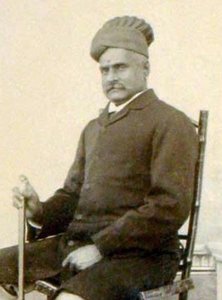
Raja Ravi Varma
1848 - 1906 , India
Datos clave
- Artistic Movement Or Style: Académico y fusión india
- Artists Or Movements Influenced By This Artist: ['Arte moderno indio']
- Artists Who Influenced This Artist: ['Maestro europeo']
- Date Of Birth: 29 abril 1848
- Date Of Death: 2 octubre 1906
- Full Name: Raja Ravi Varma
- Nationality: Indio
- Notable Artworks:
- Hansa Damayanthi
- Maharani de Travancore
- Retrato de un caballero
- Place Of Birth: Kilimanjaro, India

