

 Ver en contexto
 Enviar
 Compartir
 Detalles
 Guía
Guía

 Descargar
 Similares
 Radiografía
 Presentación de diapositivas
 Estadísticas
Geetāshtak\n\n


 Ver más
Giclée / Impresión de arte
Impresiones giclée o en lienzo de calidad de museo con producción rápida y opciones de acabado flexibles. ( Comprar pintura hecha a mano Cambiar a imagen digital)




P118B €10

P118H €10

P118W €10

P438Z €10

P508JH €12

P508YH €12

P805H €10

P805Z €10

P919BZ €10

P919G €10

P919XJ €10

P959ZH €10

P968JZ €12

W106C €8

W218G €10

W218JH €8

W218Y €10

W307PJ €10

W316G €10

W316PJ €8

W316Y €10

W398PJ €8

W4111J €10

W500HY €15

W500JH €15

W692G €12

W849H €8

W940BG €15

W953PJ €8




Elija entre nuestros tamaños predefinidos que respetan las proporciones originales de la obra.

Introduzca el ancho y el alto que necesite para adaptarse a su marco o pared. Una impresión solo puede recortarse, nunca hacerse más grande que la imagen original, por lo que un tamaño con una forma distinta perderá parte de la obra. Le enviaremos una maqueta digital para su aprobación antes de realizar cualquier impresión. La imagen que se muestra en esta página no refleja el recorte real; solo la maqueta lo hace.
Envío a todo el mundo () en 2 semanas en lugar de las 4/5 semanas estándar. (25 octubre)

Envío exprés gratuito a todo el mundo

Lienzo de lino de alta calidad

Seguro de envío total

Garantía de reembolso de aranceles aduaneros

Garantía de fidelidad cromática exacta

Política de devolución de 100 días (solo por defectos)

Garantía de devolución del 100% del dinero

Descuento por cantidad
 La opción de vidrio solo está disponible en tamaños inferiores a 110 cm.

Geetāshtak\n\n
Giclée / Impresión de arte
Dimensiones de la reproducción
-


Precio total final
€ 70
A Poetic Tapestry of Script and Spirit
In the delicate interplay of ink and emerald, Geetāshtak emerges as more than a mere visual artifact; it is a profound meditation on the written word and its rhythmic soul. Created in 1926 by the legendary Bengali polymath Rabindranath Tagore, this piece serves as a bridge between the literary and the visual, where the boundaries of poetry and painting dissolve into one another. The artwork presents an intricate oriental script, flowing across the surface with a grace that suggests the very cadence of a song. Set against a lush, deep green background, the composition achieves a striking balance, allowing the fine details of the calligraphy to breathe while enveloping the viewer in a sense of tranquil, verdant depth.
The technique employed here reflects Tagore’s unique position as a pioneer of contextual modernism. Rather than focusing on representational imagery, the artist utilizes the aesthetic power of the script itself to evoke emotion. The meticulous attention to detail in each stroke suggests a rhythmic, almost musical quality—fitting for a work titled Geetāshtak, which hints at a collection of songs or verses. This approach invites the observer to look beyond the literal meaning of the characters and instead feel the movement, the weight, and the spiritual resonance of the ink as it dances upon the page.
Historical Resonance and Modern Elegance
To understand Geetāshtak is to understand the cultural renaissance of early 20th-century India. During a period when artists were seeking to reclaim their heritage while embracing modern sensibilities, Tagore stood at the forefront, blending traditional Indian aesthetics with a global, modernist vision. This piece captures that precise historical tension—the reverence for ancient script and spiritual tradition paired with a minimalist, almost abstract focus on form and color. It is a testament to an era where art was used to express a profound sense of identity and cosmic connection.
For the discerning collector or interior designer, this reproduction offers a sophisticated focal point that transcends mere decoration. The emerald tones provide a calming, organic energy, making it an ideal addition to spaces designed for contemplation, such as libraries, study alcoves, or serene living areas. Because the work relies on the evocative power of texture and tone rather than overt subject matter, it integrates seamlessly into both classical and contemporary interiors. It serves as a conversation piece that whispers of ancient wisdom and poetic beauty, bringing a touch of timeless, scholarly elegance to any curated environment.
Preguntas y respuestas
¿Qué sentimiento transmite "Geetāshtak\n\n"?
"Geetāshtak\n\n" de Rabindranath Tagore transmite un tono emocional Spiritual.
¿Qué nivel de luminancia tiene "Geetāshtak\n\n" de Rabindranath Tagore?
Los colores de "Geetāshtak\n\n" presentan una luminancia de Gentle Luminance.
¿Qué nivel de saturación cromática tiene "Geetāshtak\n\n" de Rabindranath Tagore?
"Geetāshtak\n\n" de Rabindranath Tagore presenta una saturación de Clear Color Presence.
Biografía del artista
Un Pionero del Modernismo Contextual: El Legado Artístico de Rabindranath Tagore
Rabindranath Tagore, nacido el 7 de mayo de 1861 en Kolkata, se erige como una figura inigualable en la literatura y la cultura bengalí, siendo un testimonio del poder transformador de la visión artística. Más que un simple poeta laureado, fue un genio polifacético que impactó profundamente el arte indio con su enfoque innovador del modernismo, fusionando la estética tradicional con las sensibilidades contemporáneas. Su influencia continúa resonando en diversas disciplinas y culturas en la actualidad, marcándolo como un verdadero polímata cuyo alcance creativo se extendió mucho más allá de la palabra escrita.
La crianza de Tagore dentro de una familia intelectualmente estimulante nutrió sus inclinaciones artísticas innatas. Su padre, Debendranath Tagore, fue un filósofo profundamente conectado con Abanindranath Tagore, quien más tarde se convertiría en un célebre artista indio y fundador de la Escuela de Arte de Bengala. Este entorno, rico en búsquedas creativas, proporcionó a Rabindranath una base donde la música, la literatura y la expresión visual estaban inextricablemente ligadas. Desde su infancia, demostró una aptitud notable para la escritura poética, sumergiéndose en las tradiciones literarias de Bengala mientras exploraba simultáneamente composiciones musicales. Este compromiso dual presagió su trayectoria artística, estableciéndolo como un artista que eventualmente trascendería los límites convencionales.
La Convergencia entre Tradición y Modernidad
La participación de Tagore en el movimiento en torno a la Escuela de Arte de Bengala resultó fundamental para dar forma a su estilo visual único. Esta era defendió una estética distintiva conocida como modernismo contextual, que buscaba revitalizar el arte indio a través de un diálogo con las influencias occidentales sin abandonar su esencia espiritual y cultural. Tagore abrazó este espíritu de experimentación con todo su corazón. Si bien es reconocido mundialmente por su maestría literaria, su incursión en las artes visuales reveló a un creador profundamente intuitivo y espontáneo.
En sus pinturas, Tagore incorporó hábilmente elementos del impresionismo y el simbolismo europeo, creando obras impregnadas de imágenes evocadoras y profundidad emocional. Su técnica a menudo evitaba las estructuras académicas rígidas en favor de algo más primario y expresivo. Utilizó líneas fluidas y formas orgánicas para capturar la esencia de sus sujetos, que variaban desde la atmósfera espiritual de Santiniketan hasta la energía rítmica de una Mujer Danzante. Su obra a menudo presentaba detalles intrincados, como el uso poético de la escritura oriental visto en obras maestras como Geetāshtak, donde fondos exuberantes se encuentran con la elegancia caligráfica, invitando a los espectadores a un estado meditativo.
Una Significación Histórica Duradera
La importancia de Rabindranath Tagore reside no solo en sus logros individuales, sino en su papel como puente entre eras y civilizaciones. Como Premio Nobel, llevó los profundos temas espirituales y humanistas del pensamiento indio al escenario mundial a través de obras como Gitanjali. Su legado artístico se caracteriza por varios pilares fundamentales:
- Síntesis Cultural: La capacidad de fusionar las tradiciones rítmicas de Bengala con los lenguajes visuales modernos de Occidente.
- Expresión Espiritual: Una búsqueda de toda una vida por capturar lo divino y el mundo natural tanto a través del verso como del pigmento.
- Visión Educativa: Su papel en el fomento de un entorno en Santiniketan donde el arte, la naturaleza y el aprendizaje pudieran coexistir armoniosamente.
- Innovación Modernista: La ruptura con los patrones métricos rígidos en la literatura y las limitaciones formales en la pintura para encontrar una voz más auténtica y personal.
Hoy en día, las obras de Tagore sirven como un punto de referencia vital para cualquiera que busque comprender la evolución del modernismo indio. Su capacidad para entrelazar la esencia espiritual de su patria con una perspectiva global y vanguardista asegura que su nombre permanezca como sinónimo del corazón mismo de la revolución creativa.

Rabindranath Tagore
1861 - 1941 , India
Datos clave
- Artistic Movement Or Style: Contextual Modernismo
- Artists Who Influenced This Artist:
- Edward Thomas Daniell
- Nandalal Bose
- Date Of Birth: 7 mayo 1861
- Full Name: Rabindranath Tagore
- Nationality: Bengali
- Notable Artworks:
- Pavilion
- Ruins at Cannouge
- Khunjani Wali
- Place Of Birth: Kolkata, India
Artículos relacionados
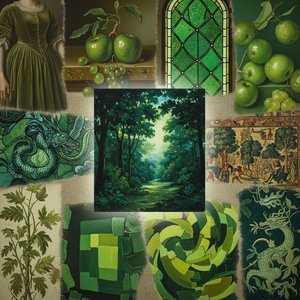
Los 10 Cuadros Más Famosos Dominados por el Verde Cromado: Arte y Decoración
Descubre los 10 cuadros más famosos dominados por el verde cromado. Explora la historia, artistas como Monet y Renoir, e inspírate para decorar tu hogar con lienzos impresionistas. Reproducciones de arte en .
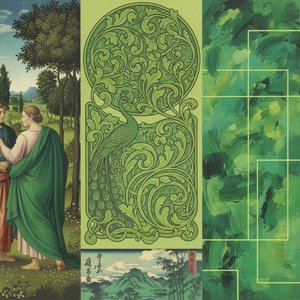
Verdant Visions: Exploring the Symbolism & Aesthetic Impact of Green in Art History
Explore the rich history & symbolism of green in art! Discover iconic paintings, techniques, and how to bring verdant harmony into your home with OriginalUniqueArt's expert guide.
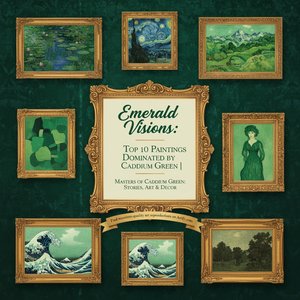
Los 10 Pinturas Más Famosas Dominadas por el Verde Cadmio | Arte y Decoración de Lujo
Descubre los 10 cuadros más famosos dominados por el verde cadmio. Explora la historia, artistas como Monet y Van Gogh, e inspiración para decoración con arte en . ¡Encuentra tu obra maestra!
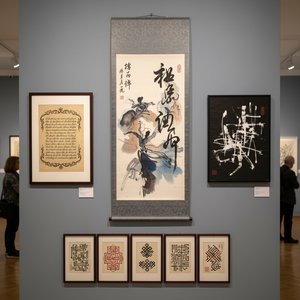
The Elegance of Line: Discovering the Timeless Beauty of Calligraphy Artworks
Explore the profound beauty of calligraphy art. From the fluid running script of Chinese masters to historical ink masterpieces, discover how the elegance of line transforms spaces with timeless grace and scholarly sophistication.

Raja Ravi Varma: Bridging Tradition & Modernity in 19th-Century Indian Art
Explore the life & art of Raja Ravi Varma, a pioneer who fused European techniques with Indian iconography. Discover his iconic paintings, lasting legacy, and influence on modern Indian art at OriginalUniqueArt.


