
 Vista previa
 Compartir
 Compartir
 Ver detalles

 Descargar
 Ver similares
 Radiografía
 Presentación de diapositivas
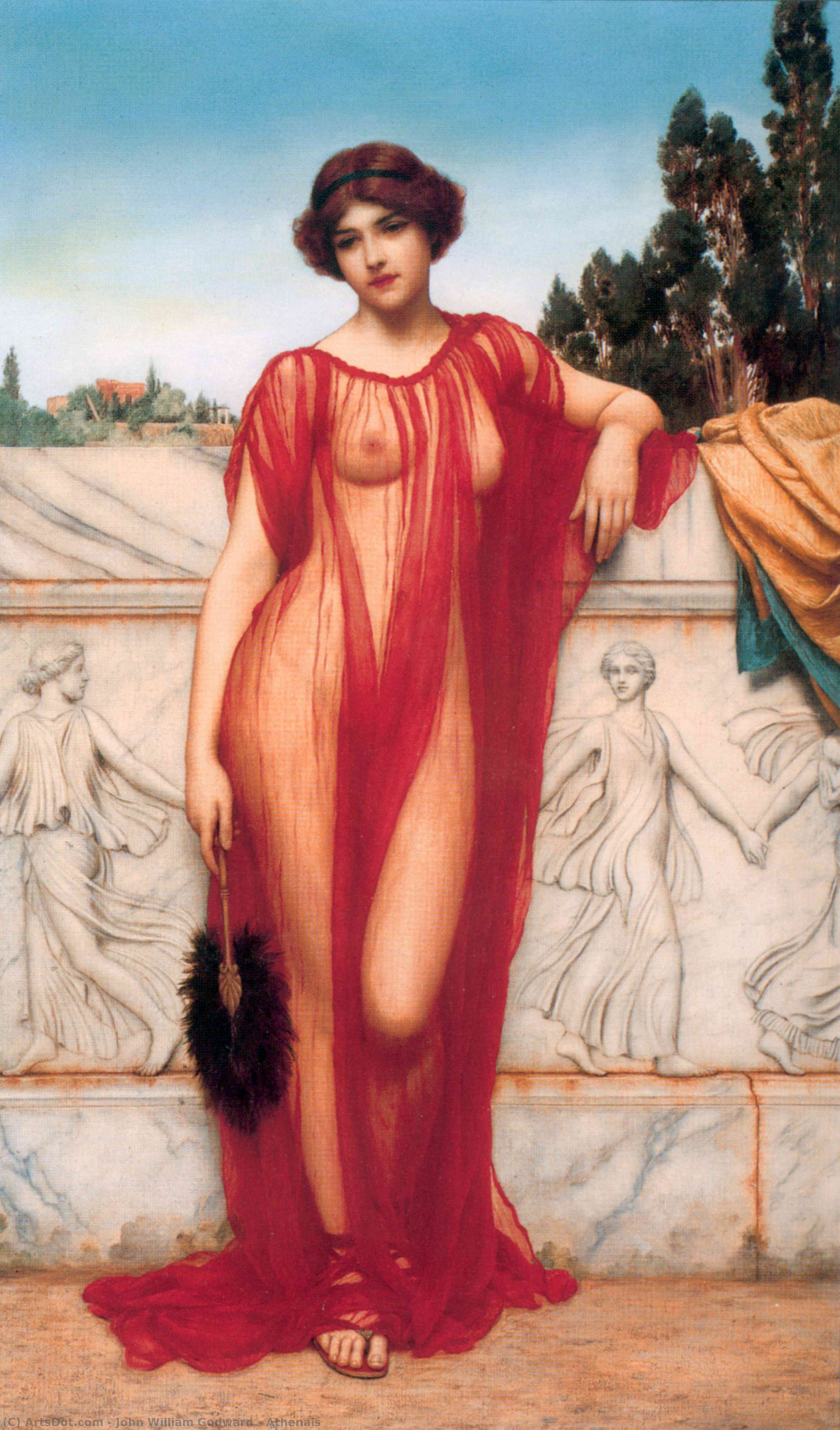
Athenais
 Oil On Canvas
- WallArt
- Neo-Classicism
 1908
1908- 19th Century
 101.0 x 61.0 cm
 Leer más
Reproducción al óleo hecha a mano
Óleo sobre lienzo pintado a mano en el tamaño y marco de su elección, realizado por encargo por nuestros artistas. ( Pedir impresión Comprar descarga)




P118B $10

P118H $10

P118W $10

P438Z $10

P508JH $12

P508YH $12

P805H $10

P805Z $10

P919BZ $10

P919G $10

P919XJ $10

P959ZH $10

P968JZ $12

W106C $8

W218G $10

W218JH $8

W218Y $10

W307PJ $10

W316G $10

W316PJ $8

W316Y $10

W398PJ $8

W4111J $10

W500HY $15

W500JH $15

W692G $12

W849H $8

W940BG $15

W953PJ $8




Elija entre nuestros tamaños predefinidos que respetan las proporciones originales de la obra.

Puede ingresar sus propias dimensiones para adaptarse a un marco o espacio específico. Si el tamaño seleccionado no coincide con las proporciones de la imagen original, recortaremos la obra o extenderemos la pintura con elementos adicionales pintados a mano. Se le enviará una maqueta digital para su aprobación antes de comenzar la producción.
Tenga en cuenta que la vista previa en pantalla no refleja el recorte o la extensión reales. Solo la maqueta mostrará con precisión la composición final.
Si bien existen tamaños personalizados, recomendamos seleccionar una dimensión de la lista predefinida para preservar las proporciones originales.
Tras realizar el pedido, el equipo de OriginalUniqueArt.com enviará un correo electrónico al cliente para solicitar instrucciones y proporcionarle una vista previa del boceto.
Envío a todo el mundo () en 3-4 semanas en lugar de las 5 semanas estándar. (20 agosto). Sin comprometer la calidad.

Envío exprés gratuito a todo el mundo

Lienzo de lino de alta calidad

Seguro de envío completo

Garantía de reembolso de aranceles aduaneros

Garantía de fidelidad cromática exacta

Política de devolución de 60 días (solo por defectos)

Garantía de devolución del 100% del dinero

Oferta por volumen
 La opción de vidrio solo está disponible en tamaños inferiores a 110 cm.

Athenais
Técnica de reproducción
Tamaño de la reproducción
-


Precio total
$ 300
Descripción de la obra
A Vision of Classical Splendor
In the luminous realm of Neo-Classicism, few works capture the serene intersection of human grace and architectural grandeur as exquisitely as John William Godward’s Athenais. Painted in 1908, this masterpiece serves as a breathtaking window into a lost era of antiquity, reimagined through the meticulous lens of the late Victorian era. The painting presents us with a central figure of incomparable elegance, draped in a flowing, vibrant red gown that commands the viewer's gaze. As she stands with a poised hand upon her hip, her presence is not merely decorative but foundational to the composition, embodying a sense of quiet confidence and timeless beauty. The rich, crimson hue of her attire creates a striking visual dialogue with the pale, marble textures surrounding her, ensuring that the subject remains the beating heart of this classical dreamscape.
The setting of Athenais is nothing short of theatrical, designed to transport the observer to a world of myth and marble. Godward surrounds his protagonist with an array of sculpted figures—Greek gods and goddesses carved into architectural elements—which lend the scene an air of sacred permanence. These statues, rendered with such precision that one can almost feel the coolness of the stone, provide a structural rhythm to the piece. The inclusion of delicate birds, fluttering near the periphery, introduces a subtle layer of life and movement, breaking the stillness of the marble and infusing the atmosphere with a sense of tranquil harmony. This careful balance between the static permanence of architecture and the fleeting vitality of nature is what makes the work so profoundly captivating.
Mastery of Technique and Light
To behold Athenais is to witness the pinnacle of academic realism and the masterful application of oil on canvas. Godward’s technique is characterized by an extraordinary attention to texture; he layers his pigments with a devotion that allows the viewer to distinguish between the soft, supple folds of silk and the hard, weathered grain of ancient stone. The lighting within the painting is masterfully diffused, casting gentle shadows that sculpt the woman's form and provide a realistic sense of depth. This soft illumination avoids harsh contrasts, instead bathing the entire scene in a warm, nostalgic glow that enhances the romanticism of the subject matter.
The color palette is a sophisticated study in balance, dominated by deep reds, pristine whites, and muted earth tones. These colors work in concert to create a sense of stability and order, reflecting the core tenets of the Neo-Classical movement. The lines are predominantly smooth and flowing, guiding the eye through the organic curves of the human form and into the geometric precision of the classical backdrop. For the discerning collector or interior designer, this painting offers more than just visual beauty; it provides a sophisticated focal point that brings an aura of cultured refinement and historical depth to any space.
Symbolism and Lasting Emotional Resonance
Beyond its aesthetic brilliance, Athenais is steeped in symbolic resonance. The figure herself, often interpreted through the lens of classical mythology, evokes themes of purity, vulnerability, and the eternal nature of beauty. The architectural setting—a monument to civilization and human achievement—serves as a powerful counterpoint to the organic grace of the woman, suggesting a harmonious coexistence between humanity and the enduring legacies of the past. There is a profound sense of nostalgia in Godward's work, a longing for the perceived order and moral seriousness of the ancient world.
For those seeking to adorn their homes with art that inspires contemplation, this painting offers an emotional journey into the sublime. It invites the viewer to pause, to breathe in the stillness of the scene, and to reconnect with the classical ideals of beauty and grace. Whether viewed as a historical document of the late 19th-century academic style or as a timeless piece of decorative art, Athenais remains an enduring testament to the power of the brush to resurrect the splendor of antiquity.
Biografía del artista
John William Godward: Un Maestro Neo-Clásico Victoriano
Vida Temprana y Antecedentes
- Nacimiento: 9 de agosto de 1861, Wimbledon, Inglaterra.
- Fallecimiento: 13 de diciembre de 1922, Londres, Inglaterra.
- John William Godward fue el mayor de cinco hijos nacidos de John Godward, empleado de inversiones, y Sarah Eboral.
- Su vida temprana estuvo marcada por una naturaleza reclusa, atribuida en gran medida a las personalidades dominantes de sus padres. Esta introversión influyó profundamente en su sensibilidad artística.
Desarrollo Artístico e Influencias
- Formación Inicial: Godward recibió formación artística formal, aunque los detalles específicos son escasos debido a la destrucción de sus archivos personales.
- Influencias Clave: Estuvo fuertemente influenciado por Sir Lawrence Alma-Tadema y Frederic Leighton, figuras destacadas del Neoclasicismo Victoriano.
- Al igual que Alma-Tadema, Godward demostró una meticulosa atención al detalle en la representación de la arquitectura clásica y las texturas. Sin embargo, desarrolló su propio estilo distintivo caracterizado por colores vibrantes y representaciones idealizadas de la belleza.
Carrera y Obras Principales
- Exposiciones de la Royal Academy: Godward expuso por primera vez en la Royal Academy en 1887, marcando el comienzo de su reconocimiento público.
- Pinturas Notables:
- Dolce far Niente (1904): Quizás su obra más famosa, adquirida por Andrew Lloyd Webber en 1995.
- When the Heart is Young (1902): Expresa la capacidad de Godward para capturar la inocencia y belleza juvenil.
- The Mirror (1899): Muestra su habilidad para contrastar texturas y crear una sensación de profundidad.
- In the Tepidarium (1913): Una figura semi-nude que demuestra su versatilidad dentro del género Neoclásico.
- Athenais: Un ejemplo impresionante de sus figuras femeninas idealizadas en entornos clásicos.
- Traslado a Italia: En 1912, Godward se trasladó a Roma con una de sus modelos, lo que llevó a un distanciamiento de su familia.
Estilo y Temas
- Estilo Neo-Clásico: Su obra se caracteriza por su adhesión a las formas, temas y estética clásicos.
- Motivos Recurrentes: A menudo representaba hermosas mujeres con vestimenta clásica, frecuentemente involucradas en momentos de reposo o contemplación.
- Maestría Técnica: Godward era reconocido por su meticulosa atención al detalle, particularmente en la representación de texturas como mármol, pieles y telas. Su uso de colores vibrantes también distinguía su estilo.
- Se le describe a menudo como un “Soñador Victoriano Alto” debido a la naturaleza idealizada y romántica de sus pinturas.
Final Trágico y Legado
- Fallecimiento: Godward se suicidó trágicamente en 1922, a los 61 años.
- Reacción Familiar: Su familia, avergonzada de su suicidio, destruyó sus archivos y trató de borrar su memoria.
- Significado Histórico: A pesar de los intentos de suprimir su legado, la obra de Godward ha experimentado un resurgimiento en popularidad. Sigue siendo una figura significativa del Neoclasicismo Victoriano, celebrada por su habilidad técnica, belleza idealizada y representaciones evocadoras de temas clásicos.

r.b.a john william godward
1861 - 1922 , Inglaterra
Datos clave
- Artistic Movement Or Style: Neo-Clásico Victoriano
- Artists Or Movements Influenced By This Artist:
- Alma-Tadema
- Leighton
- Artists Who Influenced This Artist:
- Alma-Tadema
- Leighton
- Date Of Birth: 1861
- Date Of Death: 1922
- Full Name: John William Godward
- Nationality: Británico
- Notable Artworks:
- Dolce far Niente
- When the Heart is Young
- The Mirror
- In the Tepidarium
- Athenais
- Place Of Birth: Wimbledon, Inglaterra
Artículos relacionados

Los 10 Maestros del Neoclasicismo: Obras que Definieron una Era |
Descubre los 10 imprescindibles del Neoclasicismo con . Obras de David, Ingres y Canova que marcaron una era. Historia, técnica y significado de cada pieza. Encuentra reproducciones de arte de museo en
R.B.A. John William Godward: A Study in Neoclassical Sensibility & Decadence
Explore the captivating Neo-Classical world of John William Godward. Discover his exquisite paintings, artistic influences, and investment potential. Expert analysis for discerning collectors.

John Singer Sargent: Las 25 Obras Maestras del Retrato y la Belle Époque | OriginalUniqueArt
Descubre las 25 obras maestras de John Singer Sargent, el maestro del retrato y la Belle Époque. Explora su técnica impresionista, historias fascinantes y encuentra reproducciones de arte exclusivas para decorar tu hogar con elegancia en OriginalUniqueArt.com.

John Constable: Las 25 Obras Maestras del Paisaje Inglés | OriginalUniqueArt
Descubre las 25 obras maestras de John Constable, el pintor romántico inglés que capturó la belleza del paisaje. Explora su técnica, historia y significado en OriginalUniqueArt.com. Reproducciones de arte de alta calidad para tu hogar.

The Enduring Allure of the Nude: A Historical & Artistic Exploration of the Human Form
Explore the captivating history of nude art! Discover iconic paintings & artists from classical to modern eras. Uncover symbolism, techniques & find museum-quality reproductions at OriginalUniqueArt.



