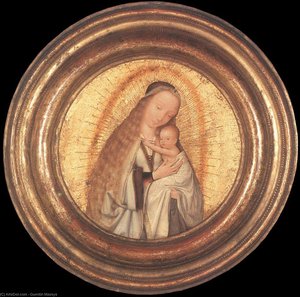
Vista previa
 Compartir
 Compartir
 Ver detalles
 Guía
Guía

 Descargar
 Ver artículos similares
 Radiografía
 Presentación de diapositivas
 Estadísticas
St John Altarpiece
 Oil On Canvas
- WallArt
- Northern Renaissance
 1507
1507- Renaissance
 260.0 x 504.0 cm
 Koninklijk Museum voor Schone Kunsten
 Leer más
Reproducción al óleo hecha a mano
Óleo sobre lienzo pintado a mano en el tamaño y marco de su elección, realizado por encargo por nuestros artistas. ( Cambiar a formato impreso Ver versión en imagen digital)




P118B €10

P118H €10

P118W €10

P438Z €10

P508JH €12

P508YH €12

P805H €10

P805Z €10

P919BZ €10

P919G €10

P919XJ €10

P959ZH €10

P968JZ €12

W106C €8

W218G €10

W218JH €8

W218Y €10

W307PJ €10

W316G €10

W316PJ €8

W316Y €10

W398PJ €8

W4111J €10

W500HY €15

W500JH €15

W692G €12

W849H €8

W940BG €15

W953PJ €8




Elija entre nuestros tamaños predefinidos que respetan las proporciones originales de la obra.

Escriba el ancho y el alto que necesite para adaptarse a su marco o a su pared. Al ser una obra pintada a mano, para un tamaño con una forma distinta, el artista puede pintar un poco más alrededor de la imagen o recortar un poco; usted elige. Le enviaremos una maqueta digital para su aprobación antes de comenzar la pintura. La imagen que se muestra en esta página no refleja el resultado real; solo la maqueta lo hace.
Tras realizar el pedido, el equipo de OriginalUniqueArt.com enviará un correo electrónico al cliente para solicitar instrucciones y proporcionarle una vista previa del boceto.
Envío a todo el mundo () en 3-4 semanas en lugar de las 5 semanas estándar. (23 octubre). Sin comprometer la calidad.

Envío exprés gratuito a todo el mundo

Lienzo de lino de alta calidad

Seguro de envío completo

Garantía de reembolso de impuestos aduaneros

Garantía de fidelidad cromática exacta

Política de devolución de 100 días (solo por defectos)

Garantía de devolución del 100% del dinero

Oferta por volumen
 La opción de vidrio solo está disponible en tamaños inferiores a 110 cm.

St John Altarpiece
Técnica de reproducción
Tamaño de la reproducción
-


Precio total
€ 263
A Masterpiece of Northern Renaissance Devotion
In the heart of the Flemish tradition lies a work of profound spiritual gravity and technical brilliance: the St John Altarpiece by Quentin Massys. Created in 1507, this monumental oil on canvas stands as a triumphant testament to the Antwerp School's ability to marry the divine with the earthly. Spanning an impressive 260 x 504 cm, the altarpiece is not merely a painting but a window into a sacred narrative, meticulously divided into three panels that guide the viewer through the poignant life and martyrdom of St John the Baptist. As one gazes upon its vast surface, the sheer scale of the work commands attention, inviting both the devout and the art enthusiast to lose themselves in a world where every brushstroke serves a higher purpose.
The composition is a masterclass in Northern Renaissance storytelling, utilizing a triptych format to unfold a complex drama. In the central panel, the atmosphere is heavy with grief; St John lies upon the ground, his head resting against a cold rock, surrounded by figures whose mourning poses and somber expressions evoke a deep sense of loss. To the left, the scene shifts to a more terrestrial setting—a banquet laden with food and drink, where the richness of life contrasts sharply with the sanctity of the central tragedy. On the right, the narrative reaches a moment of tension as St John is presented to King Herod. This structural movement allows Massys to explore different facets of human emotion, from the quietude of death to the opulence of royal courtly life.
The Alchemy of Light and Detail
What truly distinguishes this altarpiece for collectors and decorators alike is Massys’ extraordinary command over light and texture. The artist employs a sophisticated use of chiaroscuro, where deep shadows dance against luminous highlights to create an almost sculptural three-dimensionality. This interplay of light does more than define form; it breathes life into the elaborate costumes of the figures, allowing the viewer to perceive the heavy weight of velvet, the sheen of silk, and the intricate patterns of period attire. Such meticulous attention to detail is a hallmark of the era, ensuring that even the smallest element—a glint of light on a chalice or the furrow of a brow—contributes to the painting's overwhelming realism.
The color palette is equally captivating, featuring vibrant and varied hues that lend a sense of vitality to the scenes. These colors are not merely decorative but are used strategically to direct the eye across the vast canvas, creating a rhythmic flow between the three panels. For those seeking to incorporate such a piece into a curated interior, the altarpiece offers a profound sense of historical depth and luxury. A high-quality reproduction of this work brings with it the prestige of the 16th century, serving as a sophisticated focal point that can anchor a room with its rich textures and dramatic presence.
A Legacy for the Modern Collector
Beyond its technical prowess, the St John Altarpiece resonates on an emotional level that transcends the centuries. It captures the universal human experiences of devotion, mortality, and the intersection of power and faith. For the interior designer, this work offers a unique opportunity to introduce a sense of narrative grandeur and classical elegance into a space. Whether placed in a formal gallery setting or as a commanding piece in a grand living hall, the painting acts as a conversation starter, evoking the scholarly and spiritual atmosphere of the Northern Renaissance.
Owning a reproduction of such a significant work allows for the appreciation of Quentin Massys’ genius without the constraints of museum glass. It provides an opportunity to surround oneself with the enduring beauty of Flemish craftsmanship, bringing the historical weight of the Koninklijk Museum voor Schone Kunsten into the private sphere. In every detail of this altarpiece, from the somber mourning figures to the opulent banquet scenes, lies an invitation to contemplate the sublime artistry that defined an era of unparalleled creative achievement.
Preguntas y respuestas
¿Puedo ver una vista de rayos X de "St John Altarpiece" de Quentin Matsys?
La vista de rayos X de "St John Altarpiece" de Quentin Matsys se encuentra en la página Rayos X de la obra: un examen interactivo de la imagen a través de once capas ópticas.
¿Es "St John Altarpiece" de Quentin Matsys de dominio público?
En cuanto a los derechos de autor, "St John Altarpiece" es en el dominio público: sus derechos de autor han expirado.
¿Se encuentra "St John Altarpiece" de Quentin Matsys en el país de origen del artista?
Sí, la obra se encuentra en el país de origen del artista. Quentin Matsys nació en Bélgica, y el original de "St John Altarpiece" se encuentra en un museo de Bélgica.
Biografía del artista
El Arquitecto de la Escuela de Amberes
En el vibrante y floreciente paisaje de los Países Bajos del siglo XVI, pocos nombres resuenan con una importancia fundacional tan profunda como el de Quentin Massys. Aclamado a menudo como el pionero de la Escuela de Amberes, Massys fue un pintor que tendió un puente entre la meticulosa y espiritual devoción de la tradición flamenca primitiva y el creciente humanismo del Renacimiento Nórdico. Nacido alrededor de 1466 en Lovaina, Bélgica, los primeros años de su vida permanecen como un tapiz de leyendas y fragmentos históricos. Se susurra ampliamente en la historia del arte que, antes de empuñar un pincel fino, fue formado como herrero, un detalle que otorga un peso táctil y profundo a su maestría posterior sobre la textura y el material. Esta formación en la metalurgia probablemente le infundió una reverencia única por el mundo físico, permitiéndole representar el brillo de la seda, el destello frío de la moneda y la piel curtida de la humanidad con una precisión sin igual.
Al trasladarse de la atmósfera académica de Lovaina al bullicioso centro comercial de Amberes hacia 1490, Massys comenzó a tejer su propio hilo distintivo en el tejido del arte flamenco. Su formación temprana, posiblemente bajo la guía de Dirk Bouts, lo conectó con el linaje de maestros como Hans Memling y Rogier van der Weyden. De estos predecesores heredó una devoción por la verosimilitud: la búsqueda de la verdad en la representación. Sin embargo, Massys estaba lejos de ser un mero imitador. Si bien mantuvo el exquisito detalle característico de sus antepasados, infundió su obra con una vitalidad nueva y creciente, junto a una voluntad de explorar las complejías de la condición humana a través tanto de la solemnidad religiosa como del mordaz comentario social.
Una Maestría entre la Devoción y la Sátira
La brillantez de Massys reside en su notable capacidad para navegar entre dos mundos aparentemente dispares: lo sagrado y lo profano. Por un lado, sus composiciones religiosas sirven como profundas meditaciones sobre la fe. En obras como Cristo en la Cruz con Donantes, captura la cruda y emocional gravedad de la crucifixión, utilizando una sensibilidad del Alto Renacimiento para presentar una escena que es tanto profundamente conmovedora como técnicamente impecable. Su habilidad para representar lo divino a través del lente del sufrimiento humano permitió que sus temas religiosos resonaran con una intimidad visceral, haciendo que lo espiritual fuera palpable para el espectador.
Por el contrario, Massys fue un maestro del género satírico, utilizando su pincel para sostener un espejo ante la cambiante moral social de su época. Poseía un ojo agudo para las debilidades de la humanidad, creando a menudo escenas que mezclaban el realismo con un ingenio sutil y burlón. Esta dualidad es quizás más evidente en su enfoque del retrato y la pintura de género, donde podía pasar de la serena belleza de una Virgen y el Niño a las representaciones más complecho y moralmente estratificadas de la vida contemporánea. Su obra exploró con frecuencia temas como la codicia, la vanidad y la tensión entre la riqueza material y la pureza espiritual, convirtiéndolo en un precursor de los grandes pintores de género que vendrían en los siglos posteriores.
Legado y Significado Artístico
La importancia histórica de Quentin Massys es incalculable; fue el catalizador de una revolución artística en Amberes. Al introducir nuevos motivos y técnicas, permaneciendo al mismo tiempo anclado en las ricas tradiciones de su tierra natal, proporcionó el modelo para una escuela de pintura que dominaría Flandes durante todo el siglo XVI. Su influencia puede rastrearse a través de la evolución del arte del norte de Europa, ya que allanó el camino para un estilo más expresivo y observacional que abrazó las complejidades del mundo en modernización.
Hoy, recordamos a Massys no solo como un artesano, sino como un narrador que capturó el alma de una era. Su legado se preserva en el poder perdurable de su imaginería:
- Innovación Técnica: La integración perfecta de la precisión inspirada en la metalurgia con la gracia fluida de la pintura al óleo renacentista.
- La Escuela de Amberes: El establecimiento de un movimiento artístico duradero que priorizó tanto el realismo como la narrativa moral.
- Perspectiva Humanista: Una capacidad única para combinar la profunda santidad de los iconos religiosos con el ingenio agudo y observador de la sátira social.

Quentin Matsys
1466 - 1530 , Bélgica
Datos clave
- Artistic Movement Or Style: Antwerp School
- Artists Or Movements Influenced By This Artist: ['Hans Memling']
- Artists Who Influenced This Artist: ['Dirk Bouts']
- Date Of Birth: Leuven, Belgium (c. 1466)
- Date Of Death: Antwerp (1530)
- Full Name: Quentin Massys
- Nationality: Flemish
- Notable Artworks:
- St Anne Altarpiece
- The Moneylender and His Wife
- Place Of Birth: Leuven
Artículos relacionados
Gwen John: Intimacy, Modernity & the Quiet Power of Welsh Portraiture
Explore the captivating world of Gwen John, a pioneering Welsh artist renowned for her intimate portraits & subtle style. Discover her life, legacy, and how to bring her timeless beauty into your home with OriginalUniqueArt.

El Greco: Las 25 Obras Maestras que Definen un Genio del Arte y la Fe
Descubre las 25 obras maestras de El Greco, el genio del Renacimiento español. Explora su arte religioso, manierismo y la historia detrás de cuadros icónicos como 'El Entierro del Conde de Orgaz'. Encuentra reproducciones de alta calidad en OriginalUniqueArt.com.

John Constable: Las 25 Obras Maestras del Paisaje Inglés | OriginalUniqueArt
Descubre las 25 obras maestras de John Constable, el pintor romántico inglés que capturó la belleza del paisaje. Explora su técnica, historia y significado en OriginalUniqueArt.com. Reproducciones de arte de alta calidad para tu hogar.

John Singer Sargent: Las 25 Obras Maestras del Retrato y la Belle Époque | OriginalUniqueArt
Descubre las 25 obras maestras de John Singer Sargent, el maestro del retrato y la Belle Époque. Explora su técnica impresionista, historias fascinantes y encuentra reproducciones de arte exclusivas para decorar tu hogar con elegancia en OriginalUniqueArt.com.
John Frederick Lewis: Orientalism, Detail & Genre Painting in 19th-Century British Art
Explore the captivating Orientalist paintings of John Frederick Lewis! Discover his mastery of detail, genre scenes & influence on 19th-century British art. Learn about his life, techniques & legacy at OriginalUniqueArt.