

 Ver en contexto
 Enviar
 Compartir
 Detalles
 Guía
Guía

 Descargar
 Similares
 Radiografía
 Presentación de diapositivas
 Estadísticas
Up the River During Qingming
 Acrylic On Canvas
- WallArt
- Ming Dynasty Landscape Painting
 1644
1644 34.0 x 804.0 cm
 Museo Nacional del Palacio
 Ver más
Reproducción al óleo hecha a mano
Óleo sobre lienzo pintado a mano en el tamaño y marco de su elección, realizado por encargo por nuestros artistas. ( Cambiar a impresiones Cambiar a imagen digital)




P118B €10

P118H €10

P118W €10

P438Z €10

P508JH €12

P508YH €12

P805H €10

P805Z €10

P919BZ €10

P919G €10

P919XJ €10

P959ZH €10

P968JZ €12

W106C €8

W218G €10

W218JH €8

W218Y €10

W307PJ €10

W316G €10

W316PJ €8

W316Y €10

W398PJ €8

W4111J €10

W500HY €15

W500JH €15

W692G €12

W849H €8

W940BG €15

W953PJ €8




Elija entre nuestros tamaños predefinidos que respetan las proporciones originales de la obra.

Indique el ancho y el alto que necesite para adaptarse a su marco o pared. Al tratarse de una obra pintada a mano, si requiere un tamaño con una proporción distinta, el artista puede pintar un poco más alrededor de la imagen o recortarla ligeramente; usted elige. Le enviaremos una maqueta digital para su aprobación antes de comenzar la pintura. La imagen que se muestra en esta página no refleja el resultado real; solo la maqueta lo hace.
Tras realizar el pedido, el equipo de OriginalUniqueArt.com enviará un correo electrónico al cliente para solicitar instrucciones y proporcionarle una vista previa del boceto.
Envío a todo el mundo () en 3-4 semanas en lugar de las 5 semanas estándar. (26 octubre). Sin comprometer la calidad.

Envío exprés gratuito a todo el mundo

Lienzo de lino de alta calidad

Seguro de envío total

Garantía de reembolso de aranceles aduaneros

Garantía de fidelidad cromática exacta

Política de devolución de 100 días (solo por defectos)

Garantía de devolución del 100% del dinero

Descuento por cantidad
 La opción de vidrio solo está disponible en tamaños inferiores a 110 cm.

Up the River During Qingming
Técnica de reproducción
Dimensiones de la reproducción
-


Precio total final
€ 263
A Celebration of Springtime Majesty: Exploring Qiu Ying’s “Up the River During Qingming”
“Up the River During Qingming,” attributed to Qiu Ying (ca. 1494-1522), stands as a monumental achievement in Ming Dynasty landscape painting, embodying not merely visual beauty but also profound cultural significance. Executed during the reign of Emperor Huizong of the Song dynasty (1644–1911), this scroll captures the vibrant spirit of Qingming Festival – Tomb Sweeping Day – a solemn yet joyous occasion commemorating ancestors and honoring springtime renewal. Its enduring appeal lies in its masterful blend of meticulous observation, artistic innovation, and symbolic representation, cementing Qiu Ying’s place among China's Four Masters.The Landscape Vision: Detail and Illusion
The painting depicts a bustling scene along Lake Jinming, showcasing an astonishing level of detail that transcends mere topographical accuracy. The artist skillfully employs techniques honed under Zhou Chen’s tutelage to create an illusionistic space—a cornerstone of gongbi painting—where buildings appear to recede into the distance, trees shimmer with reflected light, and ripples dance across the water's surface. Mineral blue and green pigments dominate the palette, complemented by touches of cinnabar, gamboge, whitewash, and violet, resulting in a color scheme that is both opulent and harmonious. The layering of landscape forms—mountains, hills, pavilions, boats—is executed with painstaking precision, reflecting a deep understanding of perspective and atmospheric effects. This deliberate artistry elevates the scene beyond a simple depiction of nature; it aspires to evoke a feeling of grandeur and tranquility.A Symphony of Activity: Capturing Qingming Festivities
Beyond its breathtaking visual splendor, “Up the River During Qingming” is notable for its portrayal of diverse activities associated with Qingming Festival. The scroll depicts an imperial boat race—a spectacle designed to honor the deceased—complete with elaborately decorated boats and competitive racers vying for pennants. Furthermore, scenes of willow shooting, acrobatics, tightrope walking, and a military review underscore the festival’s multifaceted character. These figures are rendered with remarkable realism, capturing expressions of joy, excitement, and reverence. The artist's attention to detail extends beyond human subjects; he meticulously portrays architectural elements—the ornate pavilions and buildings lining the lake—emphasizing the grandeur of imperial patronage and celebrating the blossoming beauty of springtime.Symbolism Rooted in Tradition: Echoes of Confucian Values
The painting’s symbolism resonates deeply with Confucian ideals prevalent during the Ming Dynasty, reflecting a reverence for ancestors and an acknowledgment of the cyclical nature of life and death. The lake itself symbolizes purity and immortality—concepts central to Confucian cosmology—while the boats represent journeys toward enlightenment and remembrance. The meticulous depiction of rituals and ceremonies underscores the importance of filial piety and honoring familial heritage. Moreover, the inclusion of willow shooting—a traditional pastime symbolizing resilience and renewal—suggests a belief in overcoming adversity and embracing new beginnings.A Legacy Enduring Through Time: Influence and Reproduction
“Up the River During Qingming”’s impact extends far beyond its original creation. Dozens of copies bearing Qiu Ying's name survive today, demonstrating the painting’s enduring popularity and artistic prestige. Notably, three scrolls reside in the National Palace Museum collection, providing invaluable insight into Ming Dynasty art history. Its stylistic innovations—particularly the masterful illusionistic space and the vibrant color palette—have served as inspiration for subsequent generations of artists, ensuring that Qiu Ying's vision continues to captivate audiences worldwide. Reproductions of this masterpiece offer a tangible connection to China’s artistic heritage, allowing viewers to experience the sublime beauty and profound symbolism of “Up the River During Qingming.”Preguntas y respuestas
¿Cómo puedo descubrir obras de arte similares a "Up the River During Qingming" de Qiu Ying?
La página de Obras similares de "Up the River During Qingming" de Qiu Ying muestra obras relacionadas.
¿Qué nivel de contraste presenta "Up the River During Qingming" de Qiu Ying?
El contraste entre luces y sombras de "Up the River During Qingming" se registra como Serene. El contraste describe la intensidad con la que difieren las zonas claras y oscuras.
¿A qué movimiento artístico pertenece "Up the River During Qingming" de Qiu Ying?
"Up the River During Qingming" es una obra de Ming Dynasty Landscape Painting. El movimiento indica la tradición artística a la que pertenece la obra.
Biografía del artista
Qiu Ying: Vida y Legado
Primeros Años y Educación
Nacido en 1494 en Taicang (actualmente provincia de Jiangsu), China, Qiu Ying provenía de una familia campesina. A diferencia de muchos artistas establecidos de su época que provenían de trasfondos académicos, el camino de Qiu Ying hacia la prominencia artística fue en gran medida auto-hecho. Comenzó su formación formal bajo Zhou Chen en Suzhou, un importante centro cultural durante la dinastía Ming. Esta educación fundamental le proporcionó las habilidades y técnicas que definirían su carrera.
Desarrollo Artístico y Estilo
Si bien la escuela Wu de Suzhou favorecía principalmente la pintura con tinta china, Qiu Ying demostró una notable versatilidad, dominando tanto la delicada técnica del pincel gongbi – caracterizada por el detalle preciso y los colores vibrantes – como el estilo verde y azul. Esta adaptabilidad le permitió atender a una diversa clientela y establecer su voz artística única. Incorporó hábilmente diversas técnicas en su trabajo, demostrando una excepcional capacidad para sintetizar diferentes enfoques.
Patronazgo y Obras Maestras
La carrera de Qiu Ying floreció gracias al apoyo de ricos mecenas que encargaron una amplia gama de temas. Sus pinturas abarcaban paisajes, escenas religiosas, representaciones de flores y jardines, y composiciones figurativas. Algunas de sus obras más celebradas incluyen:
- Subiendo el Río durante Qingming: Una magistral representación inspirada en el original del período Song del Norte.
- Dama en un Bosque de Bambú: Demostrando su habilidad para representar figuras elegantes dentro de entornos naturales.
- Los Siete Sabios del Bosque de Bambú: Demostrando su comprensión de los temas literarios clásicos.
- Mañana de Primavera en el Palacio Han: Una vibrante representación de la vida cortesana.
Mecenas clave incluyeron a Chen Guan de Suzhou, y posteriormente a Zhou Fenglai y Xiang Yuanbian, ambos prominentes coleccionistas de arte que apoyaron significativamente sus esfuerzos artísticos.
Influencias y Características Artísticas
La obra de Qiu Ying refleja influencias de maestros anteriores, particularmente aquellos del período Song. Mezcló hábilmente estas preexistencias históricas con la estética Ming contemporánea. Sus pinturas se distinguen por:
- Habilidad técnica excepcional en gongbi.
- Una paleta de colores refinada y atención meticulosa al detalle.
- La capacidad de crear tanto paisajes panorámicos grandiosos como escenas íntimas y detalladas.
- Versatilidad en la materia prima y el estilo.
Significado Histórico y Legado
Qiu Ying’s talento y versatilidad le valieron el reconocimiento como uno de los “Cuatro Maestros” de la dinastía Ming – un testimonio de su profundo impacto en la pintura china. Puenteó la brecha entre los estilos tradicionales y los gustos contemporáneos, creando obras que eran tanto técnicamente brillantes como estéticamente agradables. Su influencia se extendió más allá de su vida, inspirando a generaciones de artistas con su magistral técnica e innovador enfoque. Sigue siendo una figura celebrada en la historia del arte chino, admirado por su capacidad para capturar la belleza y transmitir significado a través de sus exquisitas pinturas.
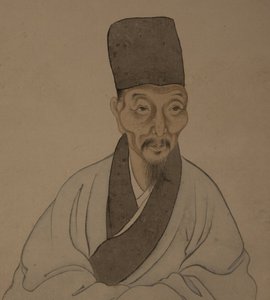
Qiu Ying
1494 - 1552 , China
Datos clave
- Artistic Movement Or Style: *Gongbi*, Wu School
- Artists Who Influenced This Artist: ['Song Dynasty masters']
- Date Of Birth: c. 1494
- Date Of Death: c. 1552
- Full Name: Qiu Ying
- Nationality: China
- Notable Artworks:
- Up the River During Qingming
- Lady in a Bamboo Grove
- Seven Sages of Bamboo Grove
- Spring Morning in Han Palace
- Place Of Birth: Taicang, China
Artículos relacionados

Evoking Nature's Sublime: A Comprehensive Exploration of 19th-Century Landscape Painting
Explore the captivating world of 19th-century landscape painting! Discover renowned artists like Friedrich & Monet, key movements, and find the perfect artwork to bring nature's serenity into your home. Expert insights at OriginalUniqueArt.

John Constable: Las 25 Obras Maestras del Paisaje Inglés | OriginalUniqueArt
Descubre las 25 obras maestras de John Constable, el pintor romántico inglés que capturó la belleza del paisaje. Explora su técnica, historia y significado en OriginalUniqueArt.com. Reproducciones de arte de alta calidad para tu hogar.

Paisajes Románticos: 10 Obras Maestras que Definieron un Movimiento Artístico
Descubre los 10 paisajes románticos más influyentes de artistas como Caspar David Friedrich y Turner. Explora la belleza, el simbolismo y las técnicas del movimiento romántico. Reproducciones de arte exclusivas en OriginalUniqueArt.com.

Evocations of Place: A Historical Journey Through Landscape Art
Explore the rich history of landscape art with OriginalUniqueArt. Discover renowned artists, movements like Impressionism & tonalism, and expert guidance for collecting timeless pieces. Find your perfect serene escape today!

Evocations of Place: A Historical Journey Through Landscape Art
Explore the rich history of landscape art with OriginalUniqueArt. Discover renowned artists, movements like Impressionism & Romanticism, and expert guidance for collecting timeless pieces. Find your perfect serene escape today!

