Ver en contexto
 Enviar
 Compartir
 Detalles
 Guía
Guía

 Descargar
 Similares
 Radiografía
 Presentación de diapositivas
 Estadísticas
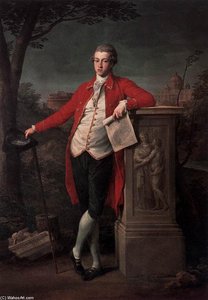
Sir Charles Watson
 Oil On Canvas
- WallArt
- Neoclassicism
 75.0 x 99.0 cm
 Fondazione Cariplo
 Ver más
Reproducción al óleo hecha a mano
Óleo sobre lienzo pintado a mano en el tamaño y marco de su elección, realizado por encargo por nuestros artistas. ( Cambiar a impresiones Cambiar a imagen digital)




P118B €10

P118H €10

P118W €10

P438Z €10

P508JH €12

P508YH €12

P805H €10

P805Z €10

P919BZ €10

P919G €10

P919XJ €10

P959ZH €10

P968JZ €12

W106C €8

W218G €10

W218JH €8

W218Y €10

W307PJ €10

W316G €10

W316PJ €8

W316Y €10

W398PJ €8

W4111J €10

W500HY €15

W500JH €15

W692G €12

W849H €8

W940BG €15

W953PJ €8




Elija entre nuestros tamaños predefinidos que respetan las proporciones originales de la obra.

Indique el ancho y el alto que necesite para adaptarse a su marco o pared. Al tratarse de una obra pintada a mano, si requiere un tamaño con una proporción distinta, el artista puede pintar un poco más alrededor de la imagen o recortarla ligeramente; usted elige. Le enviaremos una maqueta digital para su aprobación antes de comenzar la pintura. La imagen que se muestra en esta página no refleja el resultado real; solo la maqueta lo hace.
Tras realizar el pedido, el equipo de OriginalUniqueArt.com enviará un correo electrónico al cliente para solicitar instrucciones y proporcionarle una vista previa del boceto.
Envío a todo el mundo () en 3-4 semanas en lugar de las 5 semanas estándar. (25 octubre). Sin comprometer la calidad.

Envío exprés gratuito a todo el mundo

Lienzo de lino de alta calidad

Seguro de envío total

Garantía de reembolso de aranceles aduaneros

Garantía de fidelidad cromática exacta

Política de devolución de 100 días (solo por defectos)

Garantía de devolución del 100% del dinero

Descuento por cantidad
 La opción de vidrio solo está disponible en tamaños inferiores a 110 cm.

Sir Charles Watson
Técnica de reproducción
Dimensiones de la reproducción
-


Precio total final
€ 263
A Glimpse into Aristocratic Grandeur: Pompeo Batoni's Portrait of Sir Charles Watson
To stand before this portrait is to step directly into the gilded salons of eighteenth-century Rome, a place where culture, ambition, and artistry converged. Pompeo Batoni, master chronicler of the privileged elite, has captured not merely a likeness, but an entire moment in aristocratic life. The subject, Sir Charles Watson, gazes out with a composed intensity that speaks volumes of his station and the era's expectations for gentlemen of means. His bearing is one of assured refinement; the crisp lines of his ruffled collar contrast beautifully with the deep tones of his brown coat, anchoring the composition against the stark, dramatic backdrop.
The Allure of Fashion and Historical Echoes
What immediately draws the eye, beyond the sitter's steady gaze, is the costume itself. Batoni has dressed Sir Charles in what is described as the Van Dyck dress—a fashion choice that transports us back to the opulent courts of the early seventeenth century. The golden mantle and buttons evoke the grandeur associated with Antoon Van Dyck’s time at the court of Charles I, a style that held immense sway among the British aristocracy during this period. This deliberate nod to historical costume suggests more than mere vanity; it is a sophisticated cultural citation, a visual language understood only by those who navigated the intellectual currents of the Grand Tour. The feather held delicately in his hand serves as both an accessory and a subtle emblem of status.
Mastery of Technique and Atmosphere
Technically, this oil on canvas exemplifies Batoni's genius for portraiture. His ability to render texture—the soft sweep of the white beard against the dark fabric, the sheen of the gold trim—is breathtaking. The contrast between the richly detailed foreground and the almost monolithic black background is a masterful stroke. This simplicity forces the viewer’s entire attention onto the sitter's face and gesture. Batoni, whose style drew from Bolognese Classicism and Raphael, achieves here a balance: the formality of classical portraiture infused with the vibrant immediacy of contemporary life. It is art that feels both timelessly grand and intimately personal.
A Statement for the Modern Collector
For the discerning collector or designer seeking to infuse a space with historical depth and undeniable elegance, this piece offers profound resonance. Reproducing such an artwork allows one to own a tangible piece of cultural history. It speaks to themes of lineage, worldly success, and enduring style. Imagine this portrait gracing a library or drawing-room; it does not merely decorate—it narrates the story of those who shaped the world from within its most cultured circles. It is an object that commands conversation, whispering tales of Oxford graduations, naval supremacy, and the dazzling allure of Italian artistic patronage.
Preguntas y respuestas
¿Cómo puedo ver "Sir Charles Watson" de Pompeo Batoni en formato de presentación?
Puede ver "Sir Charles Watson" de Pompeo Batoni en formato de diapositivas en la página de Galería de imágenes de la obra.
¿De dónde provienen los visitantes de "Sir Charles Watson" de Pompeo Batoni?
La página Estadísticas de "Sir Charles Watson" de Pompeo Batoni presenta las estadísticas de visitas públicas: visitas mensuales de esta obra, una comparación con las obras más vistas del artista y el origen de sus visitantes.
¿Qué colores predominan en "Sir Charles Watson" de Pompeo Batoni?
"Sir Charles Watson" de Pompeo Batoni utiliza una paleta de Earthy, con el Black (#151512) como color dominante.
Biografía del artista
Primeros Años y Formación
- Nacido: Lucca, Italia (1708)
- Fallecido: 1787
- Pompeo Batoni se trasladó a Roma en 1727.
- Se formó con Agostino Masucci, Sebastiano Conca y/o Francesco Imperiali.
- Su primera comisión independiente surgió como resultado de las lluvias que azotaron Roma en abril de 1732.
- La pintura "El Éxtasis de Santa Catalina de Siena" ilustra su refinamiento académico del estilo tardío barroco.
Estilo Artístico e Influencias
- El estilo de Batoni se inspiró en la antigüedad clásica, el rococó francés, el clasicismo boloñés y artistas como Nicolas Poussin, Claude Lorrain y especialmente Rafael.
- Se le considera un precursor del neoclasicismo.
- Su obra puede encontrarse en varios museos, incluyendo la Pinacoteca di Brera en Milán, Italia.
Obras Notables y Comisiones
- Virgen con Niño y Santos
- Un Caballero en Roma: Charles Cecil Roberts – Un celebrado retrato de un viajero británico ambientado entre ruinas romanas.
- El Triunfo de Venecia
- Numerosos retablos para iglesias en Italia, como el Museo Duomo en Siena.
- Fue muy solicitado para retratos, particularmente por viajeros británicos del Gran Tour que encargaban retratos de pie dentro de escenarios antiguos.
Desarrollo y Significado Histórico
- Batoni se convirtió en un pintor muy afable en Roma después de que su rival, Anton Raphael Mengs, partiera para España en 1761.
- Se hizo amigo de Winckelmann y buscó restringir el clasicismo en su pintura.
- Sus retratos capturaron el espíritu de la época del Gran Tour, reflejando la fascinación por la antigüedad clásica entre las élites europeas.
- La capacidad de Batoni para combinar técnicas barrocas con ideales neoclásicos emergentes lo posicionó como una figura de transición en la historia del arte italiano.
Legado
- Pompeo Batoni falleció el 4 de febrero de 1787, en Roma.
- Dejó atrás un legado como uno de los pintores italianos más renombrados de su tiempo.
- Su obra continúa siendo admirada por su habilidad técnica, composiciones elegantes y representaciones perspicaces de individuos dentro de su contexto histórico.

Pompeo Batoni
1708 - 1787 , Italia
Datos clave
- Artistas Que Influyeron:
- Nicolas Poussin
- Claude Lorrain
- Rafael
- Estilo Artístico: Neoclasicismo
- Fecha De Fallecimiento: 4 de febrero de 1787
- Fecha De Nacimiento: 25 de enero de 1708
- Lugar De Nacimiento: Lucca, Italia
- Nacionalidad: Italiana
- Nombre Completo: Pompeo Girolamo Batoni
- Obras Notables:
- Virgen y Niño con Santos
- Un Caballero en Roma
- El Triunfo de Venecia
Artículos relacionados

El Legado Duradero del Óleo sobre Lienzo: Técnica, Historia y Práctica Contemporánea
Descubre la historia y técnica del óleo sobre lienzo. Explora reproducciones fieles hechas a mano, personalización artística y consejos de expertos con .

The Enduring Legacy of Oil on Canvas: Technique, History & Aesthetic Impact
Explore the rich history & techniques of oil painting – from Renaissance masters to Impressionism. Discover pigments, layering methods, and why this timeless medium endures. Expert insights for artists & art enthusiasts.

El Óleo sobre Lienzo: Historia, Técnica y la Persistencia de un Medio Artístico Atemporal
Descubre la historia y técnica del óleo sobre lienzo. Explora reproducciones fieles hechas a mano, personalización artística y consejos de expertos con OriginalUniqueArt. ¡Colecciona arte con confianza!
The Soul of Impressionism: Why Oil on Canvas Captures Eternal Light and Timeless Emotion
Discover the enchanting alchemy of Impressionism. Explore how the mastery of oil on canvas, through glazing and impasto, captures eternal light and emotion. Perfect for lovers of Monet and Van Gogh seeking the profound depth of hand-painted fine art.
Las 10 Obras Maestras al Óleo que Revolucionaron la Historia del Arte |
Descubre las 10 obras maestras al óleo que transformaron la historia del arte. Explora Van Gogh, Monet, Da Vinci y más. Reproducciones de alta calidad para decorar tu hogar con elegancia. ¡Encuentra tu obra favorita en !