

 Compartir
 Compartir
 Ver detalles
 Guía
Guía

 Descargar
 Ver artículos similares
 Presentación de diapositivas
 Estadísticas
Triumph of Cybele
 Fresco
- Renaissance
 1509
1509- Renaissance
 76.0 x 71.0 cm
 Leer más
Giclée / Impresión de arte
Impresiones giclée o en lienzo de calidad de museo con producción rápida y opciones de acabado flexibles. ( Encargar reproducción pintada a mano Ver versión en imagen digital)




































Elija entre nuestros tamaños predefinidos que respetan las proporciones originales de la obra.

Puede introducir sus propias dimensiones para adaptarse a un marco o espacio específico. Si el tamaño seleccionado no coincide con las proporciones de la imagen original, recortaremos la obra de arte o extenderemos la imagen con un borde con efecto espejo o de color sólido. Se enviará una maqueta digital para su aprobación antes de que comience la producción.
Tenga en cuenta que la vista previa en pantalla no refleja el recorte o la extensión real. Solo la maqueta mostrará con precisión la composición final.
Aunque existen tamaños personalizados, recomendamos seleccionar una dimensión de la lista predefinida para preservar las proporciones originales.
Envío a todo el mundo () en 2 semanas en lugar de las 4/5 semanas estándar. (27 septiembre)

Envío exprés gratuito a todo el mundo

Lienzo de lino de alta calidad

Seguro de envío completo

Garantía de reembolso de impuestos aduaneros

Garantía de fidelidad cromática exacta

Política de devolución de 100 días (solo por defectos)

Garantía de devolución del 100% del dinero

Oferta por volumen
 La opción de vidrio solo está disponible en tamaños inferiores a 110 cm.

Triumph of Cybele
Giclée / Impresión de arte
Tamaño de la reproducción
-


Precio total
$ 80
A Celestial Procession: The Majesty of Cybele
In the delicate dance of Renaissance splendor, few works capture the ethereal intersection of myth and grandeur as poignantly as Pinturicchio’s Triumph of Cybele. This exquisite masterpiece, dating from approximately 1509, presents a vision of divine authority that transcends time. At the heart of the composition sits the goddess Cybele, seated with an air of effortless command upon her ceremonial chariot. She is flanked by two majestic lions, their powerful forms acting as both guardians and symbols of the untamed nature brought into harmony under her reign. The scene is not merely a depiction of a mythological event but a carefully orchestrated tableau of power, where the wild strength of the beasts meets the refined grace of the divine feminine.
The composition is masterfully balanced, utilizing a sense of depth that draws the viewer into a lush, classical landscape. A solitary tree rises on the left, its verdant presence adding a layer of organic dimension to the scene, while the arrangement of the figures suggests a movement forward—a triumphal procession frozen in a moment of eternal glory. For the discerning collector or interior designer, this piece offers a profound sense of equilibrium and classical elegance, making it an ideal focal point for spaces that demand both intellectual depth and aesthetic sophistication.
The Artistry of the Umbrian Master
Pinturicchio, a virtuoso of the Italian Renaissance, brings to this work his signature ability to blend the intricate, decorative charm of the Gothic tradition with the burgeoning humanism of his era. The technique employed here reflects the artist's profound connection to antiquity; much of the inspiration for this ceiling panel was drawn from the remnants of Nero’s Golden House in Rome and ancient sarcophagi. This reverence for the classical past is evident in the meticulous detail of the drapery, the vibrant, jewel-like palette, and the soft, luminous quality of the light that bathes the goddess.
The artist's workshop contributed to a style characterized by refined grace rather than raw anatomical tension. Instead, we find an emphasis on decorative splendor—a feast for the eyes where every brushstroke serves to enhance the ornamental beauty of the subject. The use of color is particularly striking, with rich tones that evoke the opulence of the Palazzo del Magnifico in Siena, where this work was originally destined to reside. This mastery of color and detail ensures that a high-quality reproduction of this piece retains its ability to transform a room, imparting a sense of historical weight and artistic prestige.
Symbolism and the Legacy of Grandeur
Beyond its visual allure, the Triumph of Cybele serves as a complex tapestry of symbolism. The presence of the lions is a potent metaphor for the subjugation of primal instincts to higher wisdom and order. As part of a larger decorative program for the powerful Pandolfo Petrucci, the painting likely functioned as an allegory for the stability and magnificence of his rule. To possess or display such an image is to invite themes of leadership, harmony, and the triumph of civilization into one's environment.
For those seeking to curate a collection that speaks of heritage and timelessness, this work offers unparalleled inspiration. It is more than a mere painting; it is a window into the Renaissance soul, capturing a moment where the myths of old were breathed into new life through the hands of a master. Whether integrated into a contemporary minimalist setting or a classic, richly appointed study, the Triumph of Cybele continues to command attention, offering an enduring legacy of beauty and strength.
Biografía del artista
Bernardino di Betto Pinturicchio: A Renaissance Master of Grace and Detail
Bernardino di Betto, universally recognized as Pinturicchio—a moniker affectionately bestowed upon him for his diminutive stature—emerged from the artistic crucible of Perugia in 1454. His life unfolded during a period of unparalleled cultural dynamism, the High Renaissance surging across Italy; yet Pinturicchio distinguished himself through an aesthetic sensibility that transcended mere imitation, forging instead a singular path rooted in refined elegance and meticulous craftsmanship. While titans like Leonardo da Vinci and Michelangelo wrestled with anatomical precision and dramatic grandeur, Pinturicchio cultivated a style characterized by delicate grace, intricate detail, and a vibrant, decorative fervor—a testament to his mastery of transforming established forms into expressions of unparalleled beauty.Early Training and Artistic Roots
Pinturicchio’s formative years were steeped in Umbrian artistic traditions, nurtured under the tutelage of masters like Bonfigli and Fiorenzo di Lorenzo. These early influences instilled within him a profound appreciation for Gothic sensibilities—particularly the expressive power of drapery and the subtle interplay of light and shadow—which would subtly permeate his subsequent oeuvre. Crucially, he benefited from the mentorship of Pietro Perugino, arguably Umbria’s foremost painter during this era, whose influence extended beyond mere technique to encompass broader artistic principles. Vasari recounts that Pinturicchio served as Perugino’s assistant, a collaboration that undoubtedly honed his skills and solidified his understanding of the Renaissance ideal—a harmonious blend of classical erudition and humanist compassion.The Sistine Chapel Commission: A Turning Point
A pivotal moment arrived when Pinturicchio secured a commission for the Sistine Chapel in Rome during the early 16th century, coinciding with the reign of Pope Julius II. This undertaking represented an extraordinary challenge—a chance to collaborate alongside some of the most celebrated artists of his time—including Botticelli, Ghirlandaio, and Signorelli. The frescoes Pinturicchio undertook within this monumental space showcased not only his technical prowess but also his ability to synthesize disparate influences into a cohesive artistic vision. Though sadly his contributions were subsequently obliterated by Michelangelo’s ambitious undertaking to adorn the chapel with *The Last Judgement*, this experience nonetheless served as an invaluable catalyst, exposing him to new stylistic currents and cementing his reputation as a respected artist within papal circles.Rome and the Borgia Apartments: Decorative Splendor
Between 1484 and 1492 Pinturicchio resided primarily in Rome, where he undertook commissions from influential families like the Della Rovere—decorating chapels within Santa Maria del Popolo with his distinctive style—demonstrating a remarkable aptitude for fresco technique. These works underscored his commitment to capturing not merely visual likeness but also emotional resonance—a hallmark of Renaissance art that sought to elevate the viewer’s experience beyond mere observation. However, it was his engagement on the Borgia Apartments project in the Vatican Palace between 1492 and 1494 that truly elevated Pinturicchio's artistic stature. Collaborating with Giovanni Battista Rastrelli and Federico Mazzola, he created a suite of rooms lavishly adorned with frescoes depicting mythological narratives, portraits, and allegorical representations—a bold assertion of papal authority and an opulent celebration of humanist ideals. The masterful use of gold leaf, vibrant pigments, and illusionistic techniques transformed these spaces into immersive environments that mirrored the grandeur of the Borgia court.Legacy and Enduring Influence
Pinturicchio’s artistic legacy resides in his unwavering devotion to refined elegance and meticulous craftsmanship—qualities that continue to inspire admiration centuries after his death in Siena in 1513. While he may not have achieved the monumental fame enjoyed by Leonardo or Michelangelo, Pinturicchio nonetheless exerted a profound influence on subsequent generations of artists—particularly those drawn to Umbrian decorative art. His distinctive style—characterized by delicate grace and intricate detail—served as a beacon for painters seeking to emulate his mastery of color and composition. As evidenced by his frescoes in the Piccolomini Library in Siena, Pinturicchio’s work embodies an enduring aesthetic ideal—one that prioritizes beauty, harmony, and intellectual stimulation. He remains a poignant reminder that artistic greatness can flourish not merely through revolutionary innovation but also through unwavering adherence to established traditions—transformed into expressions of unparalleled artistry.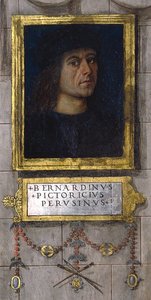
Pinturicchio
1454 - 1513 , Italia
Datos clave
- Artistic Movement Or Style: Renacimiento Umbria
- Artists Or Movements Influenced By This Artist: ['Raphael']
- Artists Who Influenced This Artist:
- Perugino
- Umbrian School
- Date Of Birth: 1454
- Date Of Death: 1513
- Full Name: Bernardino di Betto
- Nationality: Italian
- Notable Artworks:
- Frescos Sistina (destruidos)
- Apartamentos Borgia Vaticano
- Biblioteca Piccolomini Siena
- Place Of Birth: Perugia, Italia
Artículos relacionados

OriginalUniqueArt.com F.A.Q.: Elevating Interiors with Bespoke Wall Murals & Masterpiece Frescoes
Discover the pinnacle of bespoke interior transformation with OriginalUniqueArt.com. Our master fresco artists create exquisite, hand-painted wall murals and ceiling masterpieces tailored to your estate. Elevate your architectural space with timeless, museum-quality artistry.
