

 Vista previa
 Compartir
 Compartir
 Ver detalles
 Guía
Guía

 Descargar
 Ver artículos similares
 Radiografía
 Presentación de diapositivas
 Estadísticas
Dos niños sentados


 Leer más
Giclée / Impresión de arte
Impresiones giclée o en lienzo de calidad de museo con producción rápida y opciones de acabado flexibles. ( Encargar reproducción pintada a mano Ver versión en imagen digital)




P118B €10

P118H €10

P118W €10

P438Z €10

P508JH €12

P508YH €12

P805H €10

P805Z €10

P919BZ €10

P919G €10

P919XJ €10

P959ZH €10

P968JZ €12

W106C €8

W218G €10

W218JH €8

W218Y €10

W307PJ €10

W316G €10

W316PJ €8

W316Y €10

W398PJ €8

W4111J €10

W500HY €15

W500JH €15

W692G €12

W849H €8

W940BG €15

W953PJ €8




Elija entre nuestros tamaños predefinidos que respetan las proporciones originales de la obra.

Introduzca el ancho y el alto que necesite para adaptarse a su marco o pared. Una impresión solo puede recortarse, nunca hacerse más grande que la imagen original, por lo que un tamaño con una forma distinta perderá parte de la obra. Le enviaremos una maqueta digital para su aprobación antes de realizar cualquier impresión. La imagen que se muestra en esta página no refleja el recorte real; solo la maqueta lo hace.
Envío a todo el mundo () en 2 semanas en lugar de las 4/5 semanas estándar. (23 octubre)

Envío exprés gratuito a todo el mundo

Lienzo de lino de alta calidad

Seguro de envío completo

Garantía de reembolso de impuestos aduaneros

Garantía de fidelidad cromática exacta

Política de devolución de 100 días (solo por defectos)

Garantía de devolución del 100% del dinero

Oferta por volumen
 La opción de vidrio solo está disponible en tamaños inferiores a 110 cm.

Dos niños sentados
Giclée / Impresión de arte
Tamaño de la reproducción
-


Precio total
€ 70
La Enigmática Gracia de Pinturicchio: Un Maestro del Renacimiento
Bernardino di Betto, conocido universalmente como Pinturicchio —un apodo otorgado afectuosamente debido a su estatura diminuta— se erige como una figura cautivadora dentro del vibrante tapiz del arte italiano del siglo XV. Nacido en Perugia en 1454, la vida de Pinturicchio se desarrolló durante un período de profunda transformación artística, con el Alto Renacimiento floreciendo por toda Italia mientras él forjaba un legado único y perdurable. A diferencia de la ambición monumental de gigantes como Leonardo da Vinci o el realismo dramático de Miguel Ángel, Pinturicchio cultivó un estilo definido por una gracia refinada, detalles intrincados y una sensibilidad luminosa y decorativa; un testimonio de su excepcional habilidad para transformar formas establecidas en algo singularmente cautivador.
Su formación temprana permanece envuelta en cierto misterio, probablemente nutrida en los talleres de pintores perugianos menos conocidos. Sin embargo, está claro que Pinturicchio absorbió la esencia de la Escuela de Pintura Umbría, heredando su elegancia característica y un profundo aprecio por el color. Esta base informaría más tarde su trabajo en diversos encargos, desde los opulentos Apartamentos Borgia en Roma hasta la serena belleza de la Biblioteca Piccolomini en Siena. Su carrera no fue de una agitación revolucionaria, sino más bien de un refinamiento meticuloso: un testimonio de su maestría técnica y su capacidad para dotar incluso a temas aparentemente simples de una profunda resonancia emocional.
“Deux Children Sitting”: Un Estudio sobre la Inocencia y la Conexión
"Deux Children Sitting" es una representación cautivadora de dos niños pequeños acurrucados en el suelo, con las manos entrelazadas en un gesto de tranquila contemplación. Pintada en 1513 por Pinturicchio, esta obra trasciende la mera representación; es una exploración de la inocencia, la vulnerabilidad y la profunda conexión entre los seres humanos. La escena se desarrolla con una intimidad notable: los niños están posicionados cerca el uno del otro, bañados por una luz suave que sugiere una serenidad atemporal. Su desnudez no se presenta como algo provocativo, sino más bien como un símbolo de pure de alegría sin cargas, resaltando su belleza e inocencia inherentes.
La composición en sí es notablemente equilibrada, con las figuras ocupando el espacio central y creando una sensación de unidad armoniosa. Los detalles circundantes —las pequeñas figuras dispersas, la sugerencia de un paisaje al fondo— contribuyen a un sentimiento de contemplación silenciosa e invitan al espectador a compartir el momento pacífico de los niños. El uso magistral del color por parte de Pinturicchio —tonos tierra apagados puntuados por sutiles luces— realza aún más la sensación de tranquilidad y belleza contenida de la obra.
Un Maestro en Acción: Técnica y Contexto
Pinturicchio era reconocido por su técnica meticulosa, un sello distintivo de su estilo. Empleó temple sobre tabla, un medio que le permitió alcanzar un detalle y una luminosidad extraordinarios. Su pincelada es increíblemente delicada, con sutiles gradaciones de color que crean una sensación de profundidad y textura. La atención del artista a la precisión anatómica es evidente en las formas de los niños; sin embargo, evita la rigidez formal a menudo asociada con el retrato renacentista, favoreciendo en su lugar un enfoque más fluido y expresivo.
Además, comprender a Pinturicchio requiere reconocer su contexto histórico. Trabajó durante un período de inmensa innovación artística, influenciado por Perugino, Luca Signorelli y otros maestros de la Escuela Umbría. No obstante, mantuvo una voz propia, priorizando la gracia y la elegancia decorativa sobre la grandeza dramática. Su obra refleja los ideales humanistas del Renacimiento, celebrando la belleza humana y fomentando un sentido de conexión entre los individuos y el mundo natural.
Redescubriendo a Pinturicchio: Reproducciones para la Actualidad
Hoy en día, “Deux Children Sitting” está disponible como una impresionante reproducción pintada a mano por OriginalUniqueArt.com, ofreciendo a los amantes del arte la oportunidad de llevar esta obra maestra atemporal a sus hogares u oficinas. La meticulosa atención al detalle y los colores vibrantes del original se reproducen fielmente utilizando técnicas tradicionales, asegurando que cada pieza capture la esencia de la visión artística de Pinturicchio. Ya sea que usted sea un admirador del arte renacentista, un coleccionista en busca de piezas únicas o simplemente alguien que aprecia la belleza y la tranquilidad, esta reproducción ofrece un vistazo cautivador al mundo de uno de los maestros más enigmáticos de Italia.
Preguntas y respuestas
¿Es "Dos niños sentados" de Pinturicchio de dominio público y por qué?
El estado de los derechos de autor de "Dos niños sentados" - en el dominio público: sus derechos de autor han expirado - se deriva del fallecimiento del artista en 1513.
¿Qué tamaño debería elegir para imprimir "Dos niños sentados" en mi habitación?
En un Salón principal, se sugiere imprimir "Dos niños sentados" en un tamaño de Tamaño mediano.
¿Qué nivel de luminancia tiene "Dos niños sentados" de Pinturicchio?
"Dos niños sentados" de Pinturicchio tiene una luminancia de Luminancia suave. La luminancia describe cuánta luz parecen reflejar los colores.
Biografía del artista
Bernardino di Betto Pinturicchio: A Renaissance Master of Grace and Detail
Bernardino di Betto, universally recognized as Pinturicchio—a moniker affectionately bestowed upon him for his diminutive stature—emerged from the artistic crucible of Perugia in 1454. His life unfolded during a period of unparalleled cultural dynamism, the High Renaissance surging across Italy; yet Pinturicchio distinguished himself through an aesthetic sensibility that transcended mere imitation, forging instead a singular path rooted in refined elegance and meticulous craftsmanship. While titans like Leonardo da Vinci and Michelangelo wrestled with anatomical precision and dramatic grandeur, Pinturicchio cultivated a style characterized by delicate grace, intricate detail, and a vibrant, decorative fervor—a testament to his mastery of transforming established forms into expressions of unparalleled beauty.Early Training and Artistic Roots
Pinturicchio’s formative years were steeped in Umbrian artistic traditions, nurtured under the tutelage of masters like Bonfigli and Fiorenzo di Lorenzo. These early influences instilled within him a profound appreciation for Gothic sensibilities—particularly the expressive power of drapery and the subtle interplay of light and shadow—which would subtly permeate his subsequent oeuvre. Crucially, he benefited from the mentorship of Pietro Perugino, arguably Umbria’s foremost painter during this era, whose influence extended beyond mere technique to encompass broader artistic principles. Vasari recounts that Pinturicchio served as Perugino’s assistant, a collaboration that undoubtedly honed his skills and solidified his understanding of the Renaissance ideal—a harmonious blend of classical erudition and humanist compassion.The Sistine Chapel Commission: A Turning Point
A pivotal moment arrived when Pinturicchio secured a commission for the Sistine Chapel in Rome during the early 16th century, coinciding with the reign of Pope Julius II. This undertaking represented an extraordinary challenge—a chance to collaborate alongside some of the most celebrated artists of his time—including Botticelli, Ghirlandaio, and Signorelli. The frescoes Pinturicchio undertook within this monumental space showcased not only his technical prowess but also his ability to synthesize disparate influences into a cohesive artistic vision. Though sadly his contributions were subsequently obliterated by Michelangelo’s ambitious undertaking to adorn the chapel with *The Last Judgement*, this experience nonetheless served as an invaluable catalyst, exposing him to new stylistic currents and cementing his reputation as a respected artist within papal circles.Rome and the Borgia Apartments: Decorative Splendor
Between 1484 and 1492 Pinturicchio resided primarily in Rome, where he undertook commissions from influential families like the Della Rovere—decorating chapels within Santa Maria del Popolo with his distinctive style—demonstrating a remarkable aptitude for fresco technique. These works underscored his commitment to capturing not merely visual likeness but also emotional resonance—a hallmark of Renaissance art that sought to elevate the viewer’s experience beyond mere observation. However, it was his engagement on the Borgia Apartments project in the Vatican Palace between 1492 and 1494 that truly elevated Pinturicchio's artistic stature. Collaborating with Giovanni Battista Rastrelli and Federico Mazzola, he created a suite of rooms lavishly adorned with frescoes depicting mythological narratives, portraits, and allegorical representations—a bold assertion of papal authority and an opulent celebration of humanist ideals. The masterful use of gold leaf, vibrant pigments, and illusionistic techniques transformed these spaces into immersive environments that mirrored the grandeur of the Borgia court.Legacy and Enduring Influence
Pinturicchio’s artistic legacy resides in his unwavering devotion to refined elegance and meticulous craftsmanship—qualities that continue to inspire admiration centuries after his death in Siena in 1513. While he may not have achieved the monumental fame enjoyed by Leonardo or Michelangelo, Pinturicchio nonetheless exerted a profound influence on subsequent generations of artists—particularly those drawn to Umbrian decorative art. His distinctive style—characterized by delicate grace and intricate detail—served as a beacon for painters seeking to emulate his mastery of color and composition. As evidenced by his frescoes in the Piccolomini Library in Siena, Pinturicchio’s work embodies an enduring aesthetic ideal—one that prioritizes beauty, harmony, and intellectual stimulation. He remains a poignant reminder that artistic greatness can flourish not merely through revolutionary innovation but also through unwavering adherence to established traditions—transformed into expressions of unparalleled artistry.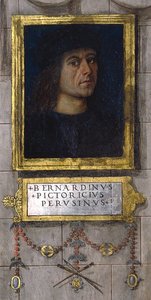
Pinturicchio
1454 - 1513 , Italia
Datos clave
- Artistic Movement Or Style: Renacimiento Umbria
- Artists Or Movements Influenced By This Artist: ['Raphael']
- Artists Who Influenced This Artist:
- Perugino
- Umbrian School
- Date Of Birth: 1454
- Date Of Death: 1513
- Full Name: Bernardino di Betto
- Nationality: Italian
- Notable Artworks:
- Frescos Sistina (destruidos)
- Apartamentos Borgia Vaticano
- Biblioteca Piccolomini Siena
- Place Of Birth: Perugia, Italia
Artículos relacionados

Legado en las Paredes: Frescos Familiares que Trascienden el Tiempo
Descubre el arte del fresco muralístico para inmortalizar tu historia familiar. Expertos en frescos personalizados y técnicas ancestrales. Crea un legado visual único con .

The Enduring Legacy of Fresco: Technique, History & Artistic Expression Across Cultures
Explore the rich history & enduring legacy of fresco painting! Discover ancient techniques, Giotto's masterpieces, and modern applications. Expert insights for art lovers & professionals.

The Enduring Legacy of Fresco Painting: Techniques, History & Contemporary Relevance
Explore the rich history & enduring artistry of fresco painting – from Giotto to Michelangelo! Discover techniques, conservation efforts, & modern applications. Learn how OriginalUniqueArt brings this timeless art form to your home.

El Fresco a Través de los Siglos: Técnica, Historia y Expresión Artística Duradera
Descubre la historia y técnica del fresco, desde sus orígenes en la antigüedad hasta los maestros renacentistas. Guía completa sobre conservación, restauración y el legado artístico de este arte milenario.
¿El Arte que Habita Contigo: El Poder Emocional de un Fresco Interior Personalizado?
Descubre el poder emocional de un fresco interior personalizado. Expertos en arte te guían para crear una obra única que refleje tu estilo y valore tu hogar. : calidad, confianza y diseño excepcional.
