- Inicio

- Reproducción al óleo
- Pietro Longhi
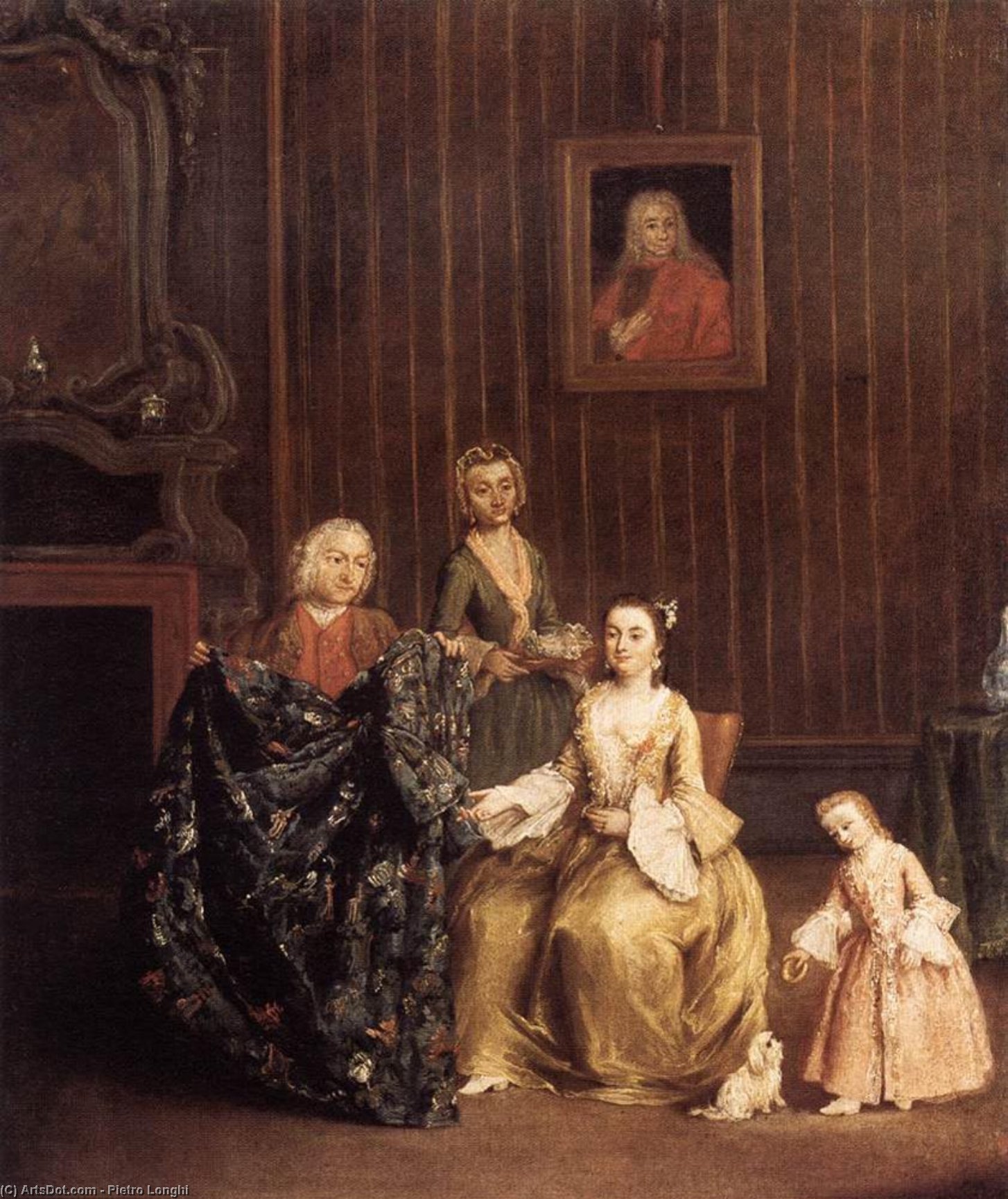
- The Tailor
 Comprar impresión Comprar imagen en alta resolución
 Enviar
 Compartir
 Detalles
 Añadir a favoritos

 Descargar
 Similares
 Radiografía
 Presentación de diapositivas
The Tailor


 Ver más
Reproducción al óleo hecha a mano
Óleo sobre lienzo pintado a mano en el tamaño y marco de su elección, realizado por encargo por nuestros artistas.




P118B $10

P118H $10

P118W $10

P438Z $10

P508JH $12

P508YH $12

P805H $10

P805Z $10

P919BZ $10

P919G $10

P919XJ $10

P959ZH $10

P968JZ $12

W106C $8

W218G $10

W218JH $8

W218Y $10

W307PJ $10

W316G $10

W316PJ $8

W316Y $10

W398PJ $8

W4111J $10

W500HY $15

W500JH $15

W692G $12

W849H $8

W940BG $15

W953PJ $8




Elija entre nuestros tamaños predefinidos que respetan las proporciones originales de la obra.

Puede ingresar sus propias dimensiones para adaptarse a un marco o espacio específico. Si el tamaño seleccionado no coincide con las proporciones de la imagen original, recortaremos la obra o extenderemos la pintura con elementos adicionales pintados a mano. Se le enviará una maqueta digital para su aprobación antes de comenzar la producción.
Tenga en cuenta que la vista previa en pantalla no refleja el recorte o la extensión reales. Solo la maqueta mostrará con precisión la composición final.
Si bien existen tamaños personalizados, recomendamos seleccionar una dimensión de la lista predefinida para preservar las proporciones originales.
Tras realizar el pedido, el equipo de OriginalUniqueArt.com enviará un correo electrónico al cliente para solicitar instrucciones y proporcionarle una vista previa del boceto.
Entrega mundial () en 3-4 semanas en lugar de las 5 semanas estándar. (23 julio). Sin compromisos con la calidad.

Envío exprés gratuito a todo el mundo

Lienzo de lino de alta calidad

Seguro de envío total

Garantía de reembolso de impuestos aduaneros

Garantía de fidelidad de color

Política de devolución de 60 días (solo por defectos)

Garantía de devolución del 100% del dinero

Descuento por pedido múltiple
 La opción de vidrio solo está disponible en tamaños inferiores a 110 cm.

The Tailor
Técnica de reproducción
Tamaño de la reproducción
-


Precio total final
-
Descripción de la obra
A Glimpse into Venetian Life: Pietro Longhi’s “The Tailor”
Pietro Longhi's "The Tailor," painted in 1741, isn’t merely a portrait; it’s a meticulously crafted window into the bustling, sophisticated world of 18th-century Venice. Often dubbed the ‘Venetian Hogarth,’ Longhi possessed a remarkable talent for capturing the everyday dramas and social nuances of his time – a departure from the grand historical narratives favored by many of his contemporaries. This particular work, housed within the Gallerie dell’Accademia in Venice, offers an intimate study of bourgeois society, revealing a keen eye for detail and a subtle, often satirical, commentary on the era's customs and values.
The scene unfolds within a richly appointed interior, characteristic of Rococo design – a style defined by its opulence, elegance, and focus on refined leisure. The composition centers around a family group, presided over by a man presumably engaged in overseeing the work of a tailor. A young girl stands beside him, while a servant attends to their needs. The figures are arranged with a deliberate formality, yet there’s an undeniable sense of relaxed intimacy, suggesting a domestic setting of considerable wealth and status. The linear precision of the architecture – the fireplace, wall paneling, and even the folds of clothing – is balanced by the organic forms of the human figures and the luxurious drapery that dominates the space.
The Art of Venetian Genre Painting
Longhi’s genius lay in his specialization in *genre* paintings—a genre largely pioneered by artists like Giuseppe Maria Crespi. Unlike the idealized portraits or mythological scenes prevalent at the time, Longhi focused on capturing ordinary life: gambling dens, fashionable salons, and the interactions of everyday Venetians. This shift reflected a broader cultural trend – a growing interest in the private sphere and the lives of the middle classes. His work provides invaluable insight into the social customs, fashion trends, and even the gossip of the time, offering a remarkably detailed portrait of Venetian society.
The painting’s technique is a testament to Longhi's mastery of oil paint. Notice the meticulous layering of colors, creating a remarkable sense of texture – from the velvet upholstery to the shimmering fabric of the tailor’s garment. The use of light is particularly effective, casting subtle shadows that add depth and volume to the figures and objects within the scene. The slightly flattened perspective, typical of portraiture during this period, prioritizes clarity of form over strict realism, allowing Longhi to convey a sense of immediacy and engagement.
Symbolism and Social Commentary
Beyond its aesthetic qualities, “The Tailor” is rich in symbolic meaning. The presence of the portrait on the wall – depicting a male ancestor – immediately establishes a lineage of wealth and status. The elaborate clothing worn by the family members signifies their social standing and access to luxury. However, Longhi doesn’t simply present a straightforward celebration of wealth; there's an underlying current of observation and perhaps even gentle critique. The slightly bewildered expression on the young girl’s face, coupled with the servant’s attentive posture, hints at the complexities of social roles and expectations within this privileged household.
The inclusion of the tailor himself is particularly noteworthy. He represents a skilled artisan – a vital part of Venetian society – yet he's presented as somewhat detached from the family's immediate concerns. This subtle positioning suggests a commentary on the relationship between labor, wealth, and social hierarchy. Furthermore, the painting’s numerous faceless figures—often masked—add another layer of intrigue, hinting at the hidden realities and unspoken conversations that likely transpired behind closed doors in this opulent setting.
A Legacy of Venetian Observation
Pietro Longhi's “The Tailor” stands as a quintessential example of Venetian genre painting – a vibrant snapshot of daily life captured with remarkable skill and insight. His work, alongside that of his contemporaries like Canaletto and Guardi, offers an unparalleled glimpse into the social fabric of 18th-century Venice. Longhi’s legacy extends beyond individual masterpieces; he fundamentally shifted the focus of Venetian painting, moving away from grand historical narratives towards a more intimate and nuanced exploration of human experience. Reproductions of this captivating work continue to resonate with art lovers today, offering a timeless reminder of the beauty and complexity of everyday life.
Biografía del artista
Vida temprana y formación
Pietro Longhi, un renombrado pintor veneciano, nació en Venecia, en la parroquia de Santa María el 5 de noviembre de 1701. Fue el primer hijo de Alessandro Falca, un platero, y su esposa Antonia. Longhi adoptó su apellido cuando comenzó a pintar, siendo inicialmente instruido por el pintor veronés Antonio Balestra.Carrera artística
Los primeros trabajos de Longhi incluyeron retablos y temas religiosos, con su primera pieza documentada importante siendo un retablo para la iglesia de San Pellegrino en 1732. Posteriormente se especializó en obras de género a pequeña escala, lo que le valió el título de "el William Hogarth veneciano". Sus galantes escenas interiores reflejan el enfoque del siglo XVIII en lo privado y burgués.- Las pinturas de Longhi a menudo presentan figuras enmascaradas participando en diversas actividades, como la reunión del procurador y su esposa, mostrando su perspectiva satírica.
- Sus obras, como cazadores de patos en la laguna, demuestran su capacidad para capturar la vida cotidiana en Venecia.
- Los numerosos dibujos de Longhi, típicamente en carboncillo o lápiz realzados con tiza blanca sobre papel coloreado, a menudo se realizaban por sí mismos, más que como estudios preparatorios para pinturas.
Museos y movimiento artístico
Las obras de Longhi pueden encontrarse en varios museos, incluyendo la Pinacoteca Querini Stampalia en Venecia, que presenta sus escenas de caza (caccia). Su estilo es característico del movimiento artístico de la pintura veneciana, que enfatizaba el color sobre la línea y contrastaba con el manierismo prevalente en Italia. Obras notables:- El sastre (Gallerie dell'Accademia, Venecia, Italia)
- El bautismo (Fondazione Querini Stampalia, Venecia, Italia)
- Pintor en su estudio (Ca' Zenobio, Venecia, Italia)
Legado
Pietro Longhi falleció el 8 de mayo de 1785, dejando atrás un legado como uno de los pintores de género más celebrados de su tiempo. Su obra continúa siendo admirada por su mezcla única de sátira y vida cotidiana, ofreciendo una visión de la Venecia del siglo XVIII. Ver más obras de Pietro Longhi en OriginalUniqueArt.com.
Pietro Longhi
1701 - 1785 , Italia
Datos clave
- Artistas Influyentes: ['Antonio Balestra']
- Estilo Artístico: Rococó, pintura de género
- Fecha De Nacimiento: 5 de noviembre de 1701
- Lugar De Nacimiento: Venecia, Italia
- Movimiento Influenciado: Pintura veneciana
- Nacionalidad: Italiana
- Nombre Completo: Pietro Longhi (Pietro Falca)
- Obras Notables:
- El sastre
- El bautismo
- Pintor en su estudio
Artículos relacionados
Las 25 Obras Maestras del MET: Arte, Historia y Decoración para tu Hogar
Descubre las 25 obras maestras del MET de Nueva York: Van Gogh, Monet, Rembrandt y más. Explora la historia, el arte y los colores que inspiran tu hogar. Reproducciones de museo en OriginalUniqueArt.com.

Jacopo Tintoretto: Las 25 Obras Maestras del Genio Veneciano | Arte y Decoración en OriginalUniqueArt
Descubre las 25 obras maestras de Jacopo Tintoretto, el genio veneciano del Renacimiento. Explora su arte dramático, composiciones innovadoras y paleta vibrante. Reproducciones de alta calidad en OriginalUniqueArt.com para transformar tu hogar.
Las 25 Obras Maestras del National Gallery of Art: Arte, Historia y Decoración Exclusiva
Descubre las 25 obras maestras del National Gallery of Art, Washington. Explora la historia de Cézanne, Matisse, Picasso y más. Encuentra reproducciones de arte exclusivas e ideas para decorar tu hogar con lienzos inolvidables en OriginalUniqueArt.com.

James Abbott McNeill Whistler: Las 25 Obras Maestras del Maestro del Arte y la Atmósfera | OriginalUniqueArt
Descubre las 25 obras maestras de James Abbott McNeill Whistler, el maestro del impresionismo y la armonía en arte. Explora retratos icónicos, nocturnos evocadores y su innovadora paleta de colores. Reproducciones de arte exclusivas en OriginalUniqueArt.com.
Henri Matisse: Las 25 Obras Maestras que Definieron un Genio del Color | OriginalUniqueArt
Descubre las 25 obras maestras de Henri Matisse, el rey del color y padre del fauvismo. Explora su arte moderno, lienzos vibrantes y la historia detrás de cada pintura icónica. Encuentra reproducciones de alta calidad en OriginalUniqueArt.com.



