

 Ver en contexto
 Enviar
 Compartir
 Detalles
 Guía
Guía

 Descargar
 Similares
 Radiografía
 Presentación de diapositivas
 Estadísticas
The Soothsayer
 Oil
Oil- WallArt
- Rococo
 1750
1750- Early Modern
 60.0 x 48.0 cm
 Galería de la Academia
 Ver más
Reproducción al óleo hecha a mano
Óleo sobre lienzo pintado a mano en el tamaño y marco de su elección, realizado por encargo por nuestros artistas. ( Cambiar a impresiones Cambiar a imagen digital)




P118B €10

P118H €10

P118W €10

P438Z €10

P508JH €12

P508YH €12

P805H €10

P805Z €10

P919BZ €10

P919G €10

P919XJ €10

P959ZH €10

P968JZ €12

W106C €8

W218G €10

W218JH €8

W218Y €10

W307PJ €10

W316G €10

W316PJ €8

W316Y €10

W398PJ €8

W4111J €10

W500HY €15

W500JH €15

W692G €12

W849H €8

W940BG €15

W953PJ €8




Elija entre nuestros tamaños predefinidos que respetan las proporciones originales de la obra.

Indique el ancho y el alto que necesite para adaptarse a su marco o pared. Al tratarse de una obra pintada a mano, si requiere un tamaño con una proporción distinta, el artista puede pintar un poco más alrededor de la imagen o recortarla ligeramente; usted elige. Le enviaremos una maqueta digital para su aprobación antes de comenzar la pintura. La imagen que se muestra en esta página no refleja el resultado real; solo la maqueta lo hace.
Tras realizar el pedido, el equipo de OriginalUniqueArt.com enviará un correo electrónico al cliente para solicitar instrucciones y proporcionarle una vista previa del boceto.
Envío a todo el mundo () en 3-4 semanas en lugar de las 5 semanas estándar. (25 octubre). Sin comprometer la calidad.

Envío exprés gratuito a todo el mundo

Lienzo de lino de alta calidad

Seguro de envío total

Garantía de reembolso de aranceles aduaneros

Garantía de fidelidad cromática exacta

Política de devolución de 100 días (solo por defectos)

Garantía de devolución del 100% del dinero

Descuento por cantidad
 La opción de vidrio solo está disponible en tamaños inferiores a 110 cm.

The Soothsayer
Técnica de reproducción
Dimensiones de la reproducción
-


Precio total final
€ 263
A Glimpse into Venetian Intrigue
In the heart of eighteenth-century Venice, where the mist of the canals meets the gilded splendor of aristocratic salons, Pietro Longhi captured the fleeting moments of human connection. His masterpiece, The Soothsayer, serves as a captivating window into a world of mystery and social performance. The painting presents us with a central figure, a man commanding the attention of a gathered crowd, his hand gripping a microphone—a curious, anachronistic element that invites the viewer to contemplate the intersection of prophecy and public spectacle. As he stands upon a stage, the energy of the room vibrates around him, pulling the observer into a lively gathering where every face tells a story of curiosity, skepticism, or quiet anticipation.
Longhi, often celebrated as the chronicler of Venetian daily life, eschews the grandiosity of mythological epics to focus on the intimate and the anecdotal. In this work, the composition is masterfully balanced, with nine figures scattered across the scene like notes in a visual symphony. Some lean in, drawn by the magnetism of the speaker, while others linger at the periphery, creating a sense of depth and movement. Even the presence of a small dog near the base of the frame adds a touch of domestic realism, grounding the theatricality of the event in the tangible reality of 1750s life.
Technique and the Art of Observation
The brilliance of Longhi’s technique lies in his ability to render light and texture with a subtle, painterly grace. Through delicate brushwork, he captures the sheen of silk, the soft glow of candlelight, and the varied expressions of his subjects. The artist utilizes a palette that reflects the sophisticated atmosphere of the era, employing warm tones that evoke the intimacy of an indoor salon. His mastery of genre painting allows him to transform a simple social gathering into a complex psychological study, where the interplay of light and shadow heightens the drama of the central performance.
For the discerning collector or interior designer, this piece offers more than mere decoration; it provides a narrative anchor for a room. The painting’s ability to evoke a sense of historical nostalgia makes it an exquisite choice for spaces that value elegance and conversation. Whether placed in a formal study or as a focal point in a contemporary living area, The Soothsayer brings with it the sophisticated spirit of Venice, inviting guests to linger on its details and lose themselves in the whispered secrets of the past.
A Legacy of Intimate Storytelling
To possess a reproduction of this work is to hold a fragment of history. Longhi’s departure from the traditional religious and historical themes of his contemporaries allowed him to pioneer a style that feels remarkably modern in its focus on human behavior. He understood that the true drama of life is found not in the battles of gods, but in the glances exchanged between strangers and the tension held in a silent room. This painting remains a testament to his unique vision—a blend of wit, observation, and an unparalleled ability to freeze time.
Preguntas y respuestas
¿Cómo puedo descubrir obras de arte similares a "The Soothsayer" de Pietro Longhi?
Encuentre obras similares a "The Soothsayer" en la página de Obras similares de esta obra.
¿Presenta "The Soothsayer" un fuerte contraste entre luces y sombras?
El nivel de contraste de "The Soothsayer" de Pietro Longhi es Gentle.
¿Cuál es la fecha y el estilo de "The Soothsayer" de Pietro Longhi?
"The Soothsayer" fue creada en 1750 como una obra del movimiento Rococo. La fecha y el movimiento sitúan la pieza en su contexto histórico dentro de la historia del arte.
Biografía del artista
Vida temprana y formación
Pietro Longhi, un renombrado pintor veneciano, nació en Venecia, en la parroquia de Santa María el 5 de noviembre de 1701. Fue el primer hijo de Alessandro Falca, un platero, y su esposa Antonia. Longhi adoptó su apellido cuando comenzó a pintar, siendo inicialmente instruido por el pintor veronés Antonio Balestra.Carrera artística
Los primeros trabajos de Longhi incluyeron retablos y temas religiosos, con su primera pieza documentada importante siendo un retablo para la iglesia de San Pellegrino en 1732. Posteriormente se especializó en obras de género a pequeña escala, lo que le valió el título de "el William Hogarth veneciano". Sus galantes escenas interiores reflejan el enfoque del siglo XVIII en lo privado y burgués.- Las pinturas de Longhi a menudo presentan figuras enmascaradas participando en diversas actividades, como la reunión del procurador y su esposa, mostrando su perspectiva satírica.
- Sus obras, como cazadores de patos en la laguna, demuestran su capacidad para capturar la vida cotidiana en Venecia.
- Los numerosos dibujos de Longhi, típicamente en carboncillo o lápiz realzados con tiza blanca sobre papel coloreado, a menudo se realizaban por sí mismos, más que como estudios preparatorios para pinturas.
Museos y movimiento artístico
Las obras de Longhi pueden encontrarse en varios museos, incluyendo la Pinacoteca Querini Stampalia en Venecia, que presenta sus escenas de caza (caccia). Su estilo es característico del movimiento artístico de la pintura veneciana, que enfatizaba el color sobre la línea y contrastaba con el manierismo prevalente en Italia. Obras notables:- El sastre (Gallerie dell'Accademia, Venecia, Italia)
- El bautismo (Fondazione Querini Stampalia, Venecia, Italia)
- Pintor en su estudio (Ca' Zenobio, Venecia, Italia)
Legado
Pietro Longhi falleció el 8 de mayo de 1785, dejando atrás un legado como uno de los pintores de género más celebrados de su tiempo. Su obra continúa siendo admirada por su mezcla única de sátira y vida cotidiana, ofreciendo una visión de la Venecia del siglo XVIII. Ver más obras de Pietro Longhi en OriginalUniqueArt.com.
Pietro Longhi
1701 - 1785 , Italia
Datos clave
- Artistas Influyentes: ['Antonio Balestra']
- Estilo Artístico: Rococó, pintura de género
- Fecha De Nacimiento: 5 de noviembre de 1701
- Lugar De Nacimiento: Venecia, Italia
- Movimiento Influenciado: Pintura veneciana
- Nacionalidad: Italiana
- Nombre Completo: Pietro Longhi (Pietro Falca)
- Obras Notables:
- El sastre
- El bautismo
- Pintor en su estudio
Artículos relacionados

Pietro Longhi's Venetian Scenes: A Study of Rococo Society & Domestic Life
Explore the captivating world of Pietro Longhi's Venetian scenes! Discover insightful analysis of his Rococo masterpieces & social commentary on 18th-century life. Learn about this 'Venetian Hogarth' and his lasting artistic legacy.
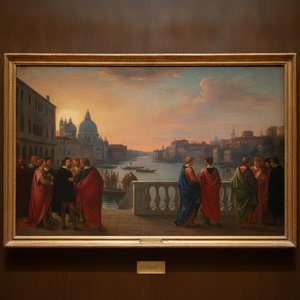
The Venetian Renaissance: A Masterclass in Colorito, Light, and the Birth of Atmospheric Brilliance
Explore the breathtaking mastery of the Venetian Renaissance. Discover how legends like Titian revolutionized art through Colorito, capturing the luminous light and vibrant pigments of the Venetian lagoon in a visual journey of unparalleled color and texture.
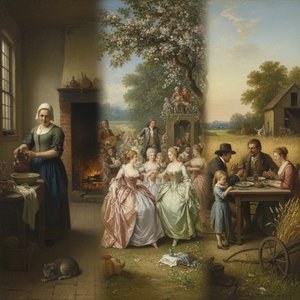
Scenes of Daily Life: A Comprehensive Exploration of Genre Painting Through History
Explore the rich history of genre painting! Discover Dutch Masters & European artists who captured everyday life with stunning realism. Learn about symbolism, techniques & lasting influence.
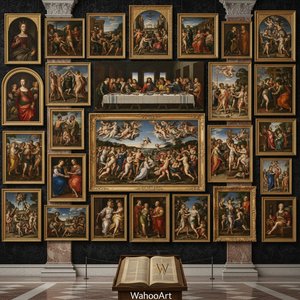
Jacopo Tintoretto: Las 25 Obras Maestras del Genio Veneciano | Arte y Decoración en OriginalUniqueArt
Descubre las 25 obras maestras de Jacopo Tintoretto, el genio veneciano del Renacimiento. Explora su arte dramático, composiciones innovadoras y paleta vibrante. Reproducciones de alta calidad en OriginalUniqueArt.com para transformar tu hogar.

Venetian Renaissance: The Mastery of Color, Light, and the Art of Colorito
Explore the luminous mastery of the Venetian Renaissance. Discover how masters like Titian and Giorgione revolutionized art through colorito, light, and atmosphere. An expert guide to the golden age of Italian painting for collectors and enthusiasts.


