Vista previa
 Compartir
 Compartir
 Ver detalles

 Descargar
 Ver similares
 Radiografía
 Presentación de diapositivas
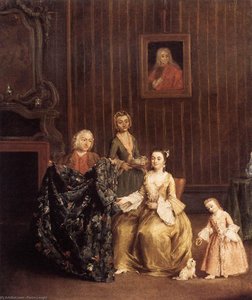
The Concert
 Acrylic On Canvas
- WallArt
- Rococo Painting
 1741
1741 60.0 x 48.0 cm
 Galería de la Academia
 Leer más
Reproducción al óleo hecha a mano
Óleo sobre lienzo pintado a mano en el tamaño y marco de su elección, realizado por encargo por nuestros artistas. ( Pedir impresión Comprar descarga)




P118B $10

P118H $10

P118W $10

P438Z $10

P508JH $12

P508YH $12

P805H $10

P805Z $10

P919BZ $10

P919G $10

P919XJ $10

P959ZH $10

P968JZ $12

W106C $8

W218G $10

W218JH $8

W218Y $10

W307PJ $10

W316G $10

W316PJ $8

W316Y $10

W398PJ $8

W4111J $10

W500HY $15

W500JH $15

W692G $12

W849H $8

W940BG $15

W953PJ $8




Elija entre nuestros tamaños predefinidos que respetan las proporciones originales de la obra.

Puede ingresar sus propias dimensiones para adaptarse a un marco o espacio específico. Si el tamaño seleccionado no coincide con las proporciones de la imagen original, recortaremos la obra o extenderemos la pintura con elementos adicionales pintados a mano. Se le enviará una maqueta digital para su aprobación antes de comenzar la producción.
Tenga en cuenta que la vista previa en pantalla no refleja el recorte o la extensión reales. Solo la maqueta mostrará con precisión la composición final.
Si bien existen tamaños personalizados, recomendamos seleccionar una dimensión de la lista predefinida para preservar las proporciones originales.
Tras realizar el pedido, el equipo de OriginalUniqueArt.com enviará un correo electrónico al cliente para solicitar instrucciones y proporcionarle una vista previa del boceto.
Envío a todo el mundo () en 3-4 semanas en lugar de las 5 semanas estándar. (14 agosto). Sin comprometer la calidad.

Envío exprés gratuito a todo el mundo

Lienzo de lino de alta calidad

Seguro de envío completo

Garantía de reembolso de aranceles aduaneros

Garantía de fidelidad cromática exacta

Política de devolución de 60 días (solo por defectos)

Garantía de devolución del 100% del dinero

Oferta por volumen
 La opción de vidrio solo está disponible en tamaños inferiores a 110 cm.

The Concert
Técnica de reproducción
Tamaño de la reproducción
-


Precio total
$ 300
Descripción de la obra
The Concert: A Venetian Intimacy
Pietro Longhi’s “The Concert,” painted in 1741, isn't merely a depiction of an evening gathering; it’s a meticulously crafted window into the heart of 18th-century Venice – a society both refined and subtly observant. Far removed from the grand historical narratives favored by many of his contemporaries, Longhi chose to capture the quiet dramas unfolding within the walls of bourgeois homes, offering a remarkably intimate glimpse into the lives of Venetian citizens. The painting immediately draws the eye with its warm, inviting palette—a blend of ochres, reds, and golds that evokes the flickering light of candlelight dancing across richly upholstered furniture. It’s a scene brimming with understated elegance, yet subtly hinting at the complexities beneath the surface of polite society.
The composition itself is deceptively simple, yet remarkably dynamic. A woman, presumably the hostess, sits poised on a bed, her hands gracefully supporting a violin – an instrument central to Venetian musical life. She appears to be singing, her posture suggesting both confidence and a touch of vulnerability. Around her, a group of figures are engaged in various activities: some listening intently, others conversing animatedly, while a young man playfully leans towards the woman, perhaps offering a flirtatious glance. The inclusion of a bird perched on a chair adds an unexpected element of charm and whimsy, subtly disrupting the formality of the scene and hinting at a more carefree spirit.
A Rococo Masterpiece: Style and Technique
“The Concert” firmly establishes Longhi as a key figure in the Venetian Rococo style. This movement, flourishing during the 18th century, prioritized elegance, grace, and a celebration of everyday life. Unlike the rigid formality of Baroque art, Rococo embraced asymmetry, delicate ornamentation, and a sense of playful informality. Longhi’s brushwork is remarkably fluid and loose, contributing to the painting's overall feeling of warmth and spontaneity. Notice how he uses broken color—small, distinct strokes of paint—to create texture and depth, particularly in the fabrics and furnishings. The figures are rendered with a remarkable degree of realism, yet imbued with a sense of charm and personality. The use of chiaroscuro – the dramatic contrast between light and shadow – further enhances the painting’s visual impact, drawing attention to key elements and creating a sense of depth.
Longhi's technical skill is evident in his masterful depiction of domestic interiors. He meticulously captures the details of the room—the ornate furniture, the delicate porcelain vase, the grandfather clock – each element contributing to the painting’s overall atmosphere. The perspective is carefully considered, creating a sense of space and inviting the viewer into the scene. The artist's attention to detail extends beyond mere representation; he seems to be conveying a feeling, an essence, of the moment captured on canvas.
Venetian Society: Context and Symbolism
To fully appreciate “The Concert,” it’s crucial to understand the social context in which it was created. Venice in the 18th century was a vibrant hub of commerce, art, and culture—a city where wealth and privilege coexisted with poverty and intrigue. Longhi's paintings offer a rare glimpse into the lives of the Venetian bourgeoisie – the merchants, bankers, and artisans who formed the backbone of the city’s economy. The scene depicted in “The Concert” reflects the values and customs of this social class—a love of music, refined conversation, and elegant entertainment.
Symbolism plays a subtle but significant role throughout the painting. The violin itself is a potent symbol of musicality and refinement, while the gathering represents the importance of social connection and leisure. The presence of the bird could be interpreted as a symbol of joy or good fortune. Even the seemingly mundane details—the clock, the vase—carry symbolic weight, reflecting the values and aspirations of Venetian society. The painting is not simply a snapshot of a particular moment; it’s a carefully constructed representation of an entire worldview.
Emotional Resonance: A Moment of Quiet Delight
Despite its historical context, “The Concert” possesses a remarkable emotional resonance that continues to captivate viewers today. It's a painting about connection, intimacy, and the simple pleasures of life—a reminder that even in the midst of bustling city life, moments of quiet delight can be found within the walls of one’s own home. The scene exudes a sense of warmth, conviviality, and understated charm. The figures seem genuinely engaged with each other, lost in the enjoyment of music and conversation.
Reproductions of “The Concert” offer an exceptional opportunity to bring this captivating Venetian scene into your own space. Whether you’re seeking to add a touch of elegance to a formal living room or create a cozy atmosphere in a study, this painting's timeless appeal will undoubtedly enhance any setting. It is more than just a beautiful image; it’s a portal to another time and place—a testament to the enduring power of art to transport us beyond our own lives.
Biografía del artista
Vida temprana y formación
Pietro Longhi, un renombrado pintor veneciano, nació en Venecia, en la parroquia de Santa María el 5 de noviembre de 1701. Fue el primer hijo de Alessandro Falca, un platero, y su esposa Antonia. Longhi adoptó su apellido cuando comenzó a pintar, siendo inicialmente instruido por el pintor veronés Antonio Balestra.Carrera artística
Los primeros trabajos de Longhi incluyeron retablos y temas religiosos, con su primera pieza documentada importante siendo un retablo para la iglesia de San Pellegrino en 1732. Posteriormente se especializó en obras de género a pequeña escala, lo que le valió el título de "el William Hogarth veneciano". Sus galantes escenas interiores reflejan el enfoque del siglo XVIII en lo privado y burgués.- Las pinturas de Longhi a menudo presentan figuras enmascaradas participando en diversas actividades, como la reunión del procurador y su esposa, mostrando su perspectiva satírica.
- Sus obras, como cazadores de patos en la laguna, demuestran su capacidad para capturar la vida cotidiana en Venecia.
- Los numerosos dibujos de Longhi, típicamente en carboncillo o lápiz realzados con tiza blanca sobre papel coloreado, a menudo se realizaban por sí mismos, más que como estudios preparatorios para pinturas.
Museos y movimiento artístico
Las obras de Longhi pueden encontrarse en varios museos, incluyendo la Pinacoteca Querini Stampalia en Venecia, que presenta sus escenas de caza (caccia). Su estilo es característico del movimiento artístico de la pintura veneciana, que enfatizaba el color sobre la línea y contrastaba con el manierismo prevalente en Italia. Obras notables:- El sastre (Gallerie dell'Accademia, Venecia, Italia)
- El bautismo (Fondazione Querini Stampalia, Venecia, Italia)
- Pintor en su estudio (Ca' Zenobio, Venecia, Italia)
Legado
Pietro Longhi falleció el 8 de mayo de 1785, dejando atrás un legado como uno de los pintores de género más celebrados de su tiempo. Su obra continúa siendo admirada por su mezcla única de sátira y vida cotidiana, ofreciendo una visión de la Venecia del siglo XVIII. Ver más obras de Pietro Longhi en OriginalUniqueArt.com.
Pietro Longhi
1701 - 1785 , Italia
Datos clave
- Artistas Influyentes: ['Antonio Balestra']
- Estilo Artístico: Rococó, pintura de género
- Fecha De Nacimiento: 5 de noviembre de 1701
- Lugar De Nacimiento: Venecia, Italia
- Movimiento Influenciado: Pintura veneciana
- Nacionalidad: Italiana
- Nombre Completo: Pietro Longhi (Pietro Falca)
- Obras Notables:
- El sastre
- El bautismo
- Pintor en su estudio
Artículos relacionados

Pietro Longhi's Venetian Scenes: A Study of Rococo Society & Domestic Life
Explore the captivating world of Pietro Longhi's Venetian scenes! Discover insightful analysis of his Rococo masterpieces & social commentary on 18th-century life. Learn about this 'Venetian Hogarth' and his lasting artistic legacy.

La Estética Rococó: Opulencia, Rebelión y Placer en el Arte del Siglo XVIII
Descubre la fascinante estética rococó: su historia, características clave y los artistas más influyentes del siglo XVIII. Un análisis profundo para amantes del arte y coleccionistas.

Rococó: 10 Obras Maestras que Definieron una Época | Arte y Decoración en
Descubre las 10 obras maestras del Rococó que marcaron una época. Explora la elegancia de Fragonard, Boucher y Watteau en . Reproducciones de arte de calidad museo para decorar tu hogar con estilo.

Francesco Guardi: Venetian Light, Atmospheric Perspective & the Rococo to Neoclassical Transition
Explore the captivating world of Francesco Guardi, master of Venetian light and atmosphere. Discover his transition from Rococo to Neoclassicism, influence on Impressionism & investment potential with OriginalUniqueArt.
Jacopo Tintoretto: Las 25 Obras Maestras del Genio Veneciano | Arte y Decoración en OriginalUniqueArt
Descubre las 25 obras maestras de Jacopo Tintoretto, el genio veneciano del Renacimiento. Explora su arte dramático, composiciones innovadoras y paleta vibrante. Reproducciones de alta calidad en OriginalUniqueArt.com para transformar tu hogar.