

 Vista previa
 Compartir
 Compartir
 Ver detalles
 Guía
Guía

 Descargar
 Ver artículos similares
 Radiografía
 Presentación de diapositivas
 Estadísticas
A Visit to a Lord
 Oil
Oil- WallArt
- Rococo
 Early Modern
 49.0 x 60.0 cm
 Leer más
Giclée / Impresión de arte
Impresiones giclée o en lienzo de calidad de museo con producción rápida y opciones de acabado flexibles. ( Encargar reproducción pintada a mano Ver versión en imagen digital)




P118B $10

P118H $10

P118W $10

P438Z $10

P508JH $12

P508YH $12

P805H $10

P805Z $10

P919BZ $10

P919G $10

P919XJ $10

P959ZH $10

P968JZ $12

W106C $8

W218G $10

W218JH $8

W218Y $10

W307PJ $10

W316G $10

W316PJ $8

W316Y $10

W398PJ $8

W4111J $10

W500HY $15

W500JH $15

W692G $12

W849H $8

W940BG $15

W953PJ $8




Elija entre nuestros tamaños predefinidos que respetan las proporciones originales de la obra.

Puede introducir sus propias dimensiones para adaptarse a un marco o espacio específico. Si el tamaño seleccionado no coincide con las proporciones de la imagen original, recortaremos la obra de arte o extenderemos la imagen con un borde con efecto espejo o de color sólido. Se enviará una maqueta digital para su aprobación antes de que comience la producción.
Tenga en cuenta que la vista previa en pantalla no refleja el recorte o la extensión real. Solo la maqueta mostrará con precisión la composición final.
Aunque existen tamaños personalizados, recomendamos seleccionar una dimensión de la lista predefinida para preservar las proporciones originales.
Envío a todo el mundo () en 2 semanas en lugar de las 4/5 semanas estándar. (25 septiembre)

Envío exprés gratuito a todo el mundo

Lienzo de lino de alta calidad

Seguro de envío completo

Garantía de reembolso de impuestos aduaneros

Garantía de fidelidad cromática exacta

Política de devolución de 100 días (solo por defectos)

Garantía de devolución del 100% del dinero

Oferta por volumen
 La opción de vidrio solo está disponible en tamaños inferiores a 110 cm.

A Visit to a Lord
Giclée / Impresión de arte
Tamaño de la reproducción
-


Precio total
$ 80
An Intimate Glimpse into Venetian Elegance
In the quiet, candlelit corners of eighteenth-century Venice, Pietro Longhi found his true calling not in the grand, sweeping gestures of mythological epics, but in the subtle, whispered dramas of the domestic sphere. A Visit to a Lord serves as a masterful window into this vanished world, inviting the viewer to step across the threshold of an aristocratic drawing room. The scene unfolds with a delicate intimacy, capturing a moment of social ritual where the rustle of silk and the soft murmur of conversation seem almost audible. At the heart of the composition sits an elderly woman, her presence anchoring the room with a sense of seasoned dignity, surrounded by figures whose postures and gazes suggest the complex web of etiquette and social hierarchy that defined the Rococo era.
The painting is a triumph of genre painting, where the mundane is elevated to the level of high art through meticulous observation. Longhi’s technique is characterized by an extraordinary sensitivity to texture and light; one can almost feel the weight of the heavy, dark-toned fabrics and the intricate delicacy of the lace ruffles adorning the guests. The artist employs a sophisticated play of chiaroscuro, allowing the warm glow from a chandelier to dance across polished surfaces and illuminate the expressive faces of his subjects, while leaving the corners of the opulent room in a mysterious, velvety shadow. This interplay of light does more than just define form; it creates an atmosphere of profound stillness, as if time itself has paused to honor this fleeting social encounter.
The Artistry of the Rococo Interior
Beyond its narrative charm, A Visit to a Lord is a masterclass in the aesthetic principles of the Rococo period. The composition is balanced yet fluid, avoiding rigid symmetry to instead embrace the organic flow of human interaction. Longhi utilizes a palette of sophisticated earth tones and muted hues, which lends the work a somber, reflective mood that contrasts beautifully with the inherent opulence of the setting. Every detail—from the ornate painting hanging on the dark, richly decorated wall to the precise arrangement of the dining elements—contributes to a sense of lived-in luxury. For the discerning collector or interior designer, this piece offers more than mere decoration; it provides a focal point of historical depth and textural richness.
The emotional impact of the work lies in its ability to evoke nostalgia for an era of refined grace. There is a poignant tension between the outward display of wealth and the inward, quiet moments of connection or contemplation captured within the group. As a reproduction, this artwork brings a sense of timeless sophistication to any space, whether placed in a contemporary gallery setting or a classic study. It serves as a reminder of the beauty found in the small, unrecorded moments of history, making it an invaluable acquisition for those who appreciate art that tells a story of human connection, elegance, and the enduring allure of the Venetian spirit.
Biografía del artista
Vida temprana y formación
Pietro Longhi, un renombrado pintor veneciano, nació en Venecia, en la parroquia de Santa María el 5 de noviembre de 1701. Fue el primer hijo de Alessandro Falca, un platero, y su esposa Antonia. Longhi adoptó su apellido cuando comenzó a pintar, siendo inicialmente instruido por el pintor veronés Antonio Balestra.Carrera artística
Los primeros trabajos de Longhi incluyeron retablos y temas religiosos, con su primera pieza documentada importante siendo un retablo para la iglesia de San Pellegrino en 1732. Posteriormente se especializó en obras de género a pequeña escala, lo que le valió el título de "el William Hogarth veneciano". Sus galantes escenas interiores reflejan el enfoque del siglo XVIII en lo privado y burgués.- Las pinturas de Longhi a menudo presentan figuras enmascaradas participando en diversas actividades, como la reunión del procurador y su esposa, mostrando su perspectiva satírica.
- Sus obras, como cazadores de patos en la laguna, demuestran su capacidad para capturar la vida cotidiana en Venecia.
- Los numerosos dibujos de Longhi, típicamente en carboncillo o lápiz realzados con tiza blanca sobre papel coloreado, a menudo se realizaban por sí mismos, más que como estudios preparatorios para pinturas.
Museos y movimiento artístico
Las obras de Longhi pueden encontrarse en varios museos, incluyendo la Pinacoteca Querini Stampalia en Venecia, que presenta sus escenas de caza (caccia). Su estilo es característico del movimiento artístico de la pintura veneciana, que enfatizaba el color sobre la línea y contrastaba con el manierismo prevalente en Italia. Obras notables:- El sastre (Gallerie dell'Accademia, Venecia, Italia)
- El bautismo (Fondazione Querini Stampalia, Venecia, Italia)
- Pintor en su estudio (Ca' Zenobio, Venecia, Italia)
Legado
Pietro Longhi falleció el 8 de mayo de 1785, dejando atrás un legado como uno de los pintores de género más celebrados de su tiempo. Su obra continúa siendo admirada por su mezcla única de sátira y vida cotidiana, ofreciendo una visión de la Venecia del siglo XVIII. Ver más obras de Pietro Longhi en OriginalUniqueArt.com.
Pietro Longhi
1701 - 1785 , Italia
Datos clave
- Artistas Influyentes: ['Antonio Balestra']
- Estilo Artístico: Rococó, pintura de género
- Fecha De Nacimiento: 5 de noviembre de 1701
- Lugar De Nacimiento: Venecia, Italia
- Movimiento Influenciado: Pintura veneciana
- Nacionalidad: Italiana
- Nombre Completo: Pietro Longhi (Pietro Falca)
- Obras Notables:
- El sastre
- El bautismo
- Pintor en su estudio
Artículos relacionados

La Estética Rococó: Opulencia, Rebelión y Placer en el Arte del Siglo XVIII
Descubre la fascinante estética rococó: su historia, características clave y los artistas más influyentes del siglo XVIII. Un análisis profundo para amantes del arte y coleccionistas.

Pietro Longhi's Venetian Scenes: A Study of Rococo Society & Domestic Life
Explore the captivating world of Pietro Longhi's Venetian scenes! Discover insightful analysis of his Rococo masterpieces & social commentary on 18th-century life. Learn about this 'Venetian Hogarth' and his lasting artistic legacy.

The Allure of Elegance in Art: A Historical & Aesthetic Exploration of Refinement & Grace
Explore the exquisite world of Rococo art! Discover its history, masters (Watteau, Boucher & more), and defining elegance. Expert insights for collectors seeking museum-quality reproductions & custom portraits.

Rococó: 10 Obras Maestras que Definieron una Época | Arte y Decoración en
Descubre las 10 obras maestras del Rococó que marcaron una época. Explora la elegancia de Fragonard, Boucher y Watteau en . Reproducciones de arte de calidad museo para decorar tu hogar con estilo.
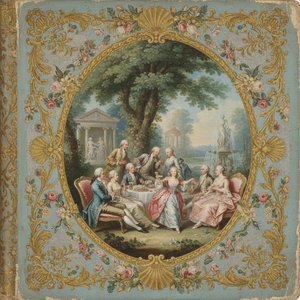
The Rococo Style: Aristocratic Leisure & the Pursuit of Delight in 18th-Century Art
Explore the opulent world of Rococo art! Discover Watteau, Boucher & Nattier's masterpieces. Expert insights for collectors seeking museum-quality reproductions and custom portraits at OriginalUniqueArt.


