

 Ver en contexto
 Enviar
 Compartir
 Detalles

 Descargar
 Similares
 Radiografía
 Presentación de diapositivas
Jephthae's Daughter
 Oil On Canvas
- WallArt
- Flemish Baroque
 1640
1640 48.0 x 64.0 cm
 Museo del Hermitage
 Ver más
Giclée / Impresión de arte
Impresiones giclée o en lienzo de calidad de museo con producción rápida y opciones de acabado flexibles. ( Comprar pintura hecha a mano Comprar imagen)




P118B $10

P118H $10

P118W $10

P438Z $10

P508JH $12

P508YH $12

P805H $10

P805Z $10

P919BZ $10

P919G $10

P919XJ $10

P959ZH $10

P968JZ $12

W106C $8

W218G $10

W218JH $8

W218Y $10

W307PJ $10

W316G $10

W316PJ $8

W316Y $10

W398PJ $8

W4111J $10

W500HY $15

W500JH $15

W692G $12

W849H $8

W940BG $15

W953PJ $8




Elija entre nuestros tamaños predefinidos que respetan las proporciones originales de la obra.

Puede introducir sus propias dimensiones para adaptarse a un marco o espacio específico. Si el tamaño seleccionado no coincide con las proporciones de la imagen original, recortaremos la obra de arte o extenderemos la imagen con un borde con efecto espejo o de color sólido. Se enviará una maqueta digital para su aprobación antes de que comience la producción.
Tenga en cuenta que la vista previa en pantalla no refleja el recorte o la extensión real. Solo la maqueta mostrará con precisión la composición final.
Aunque existen tamaños personalizados, recomendamos seleccionar una dimensión de la lista predefinida para preservar las proporciones originales.
Envío a todo el mundo () en 2 semanas en lugar de las 4/5 semanas estándar. (25 agosto)

Envío exprés gratuito a todo el mundo

Lienzo de lino de alta calidad

Seguro de envío total

Garantía de reembolso de impuestos aduaneros

Garantía de fidelidad cromática exacta

Política de devolución de 60 días (solo por defectos)

Garantía de devolución del 100% del dinero

Descuento por cantidad
 La opción de vidrio solo está disponible en tamaños inferiores a 110 cm.

Jephthae's Daughter
Giclée / Impresión de arte
Dimensiones de la reproducción
-


Precio total final
$ 80
Descripción de la pieza
A Window into Faith: Pieter van Lint’s “Jephthae’s Daughter”
Pieter van Lint's "Jephthae’s Daughter," painted around 1640, is more than just a depiction of a poignant biblical tale; it’s a masterful exploration of human emotion and the weight of sacrifice. This oil on panel, now meticulously reproduced in exquisite detail, transports us to a moment of profound sorrow and quiet dignity within the narrative of Judges 11. Van Lint, a key figure bridging the late Renaissance and burgeoning Baroque styles in Antwerp, doesn't simply illustrate the story; he imbues it with an almost palpable sense of grief and acceptance. The painting’s power lies not just in its subject matter but in the artist’s skillful manipulation of light, color, and composition to convey a deeply felt emotional truth.The Story Unfolds: Biblical Narrative and Dramatic Composition
The scene captures the aftermath of Jephthae's tragic vow – his daughter’s life offered as a sacrifice to appease the gods after winning victory in battle. The young woman, rendered with remarkable sensitivity, stands poised on the edge of a riverbank, her gaze fixed upon the distant horizon. Her posture is one of quiet resignation, yet there’s an underlying strength and nobility in her bearing. Van Lint masterfully uses diagonal lines – the river flowing towards the viewer, the girl's stance – to draw our eye into the scene and emphasize the dramatic tension. The inclusion of a horse, partially obscured by shadow, subtly hints at the recent conflict and the price paid for victory. The composition isn’t merely representational; it’s carefully constructed to maximize emotional impact, guiding the viewer through the narrative's heartbreaking progression.Baroque Techniques: Light, Color, and Texture
Van Lint’s artistic approach is firmly rooted in the Baroque tradition, evident in his masterful use of chiaroscuro – the dramatic interplay of light and shadow. He employs a rich palette of earthy tones—ochres, browns, and deep reds—to create a sense of depth and realism. Notice how the light catches the girl's face, illuminating her features with an almost ethereal glow, while the surrounding landscape remains shrouded in shadow. This contrast not only highlights the central figure but also reinforces the painting’s somber mood. The artist’s brushwork is meticulously detailed, particularly in rendering the textures of the clothing and the flowing water, adding a tactile quality to the scene. The subtle variations in color and tone contribute significantly to the overall sense of realism and emotional resonance.Symbolism and Emotional Resonance: A Portrait of Sacrifice
Beyond its narrative content, “Jephthae’s Daughter” is rich in symbolic meaning. The river itself represents transition – a passage from life to death, from earthly concerns to the unknown. The girl's posture suggests not just sorrow but also acceptance and a willingness to fulfill her father’s vow. The distant horizon symbolizes hope and perhaps even redemption, offering a glimmer of solace amidst the tragedy. Van Lint doesn’t shy away from depicting the raw emotion of the scene; the girl’s expression is one of profound sadness, yet there's an underlying dignity that speaks volumes about her character. The painting invites contemplation on themes of faith, sacrifice, and the enduring power of human resilience in the face of adversity.A Timeless Masterpiece: Reproductions for Today’s Spaces
Today, through meticulous reproductions like this one, “Jephthae’s Daughter” continues to captivate audiences with its emotional depth and artistic merit. Whether adorning a study, a gallery wall, or a corporate lobby, this artwork evokes contemplation and offers a poignant reminder of the complexities of human experience. OriginalUniqueArt.com's high-quality reproductions faithfully capture Van Lint’s original vision, ensuring that this timeless masterpiece can be enjoyed by art lovers for generations to come. Consider framing it in a classic wooden frame or opting for a sleek, minimalist design – either choice will complement the painting’s inherent beauty and elevate your space with a touch of historical elegance.Biografía del artista
Pieter van Lint: Un maestro flamenco entre la Antigüedad y el Barroco
Pieter van Lint (1609-1690), un nombre quizás menos familiar que los de Rubens o Van Dyck, se erige sin embargo como una figura significativa en el vibrante panorama artístico del Antwerpia del siglo XVII. Nacido dentro de una familia profundamente arraigada en el mundo del arte – su padre, Hendrik Frans van Lint, era un celebrado pintor de *vedute* (paisajes urbanos) en Roma – Pieter heredó no solo un legado sino también una profunda comprensión de la técnica artística y un espíritu inquieto de exploración. Su carrera abarcó décadas, englobando estilos diversos y encargos variados, reflejando una notable adaptabilidad y un compromiso constante con las tendencias predominantes de su tiempo.
La formación temprana de Van Lint bajo el tutelaje de Artus Wolffort en Antwerpia sentó las bases para su habilidad en la pintura histórica y el retrato. Sin embargo, sus años formativos estuvieron marcados por una inmersión profunda en las tradiciones artísticas del Barroco flamenco, particularmente a través de frecuentes visitas a las iglesias de la ciudad. Estas peregrinaciones no fueron meras muestras de devoción; sirvieron como valiosas escuelas de aprendizaje, permitiéndole copiar meticulosamente las obras de maestros como Peter Paul Rubens, Marten de Vos y los hermanos Francken – absorbiendo sus estrategias compositivas, paletas cromáticas y maestrosa capacidad para renderizar la textura. Este estudio deliberado de sus predecesores se evidencia en muchas de sus primeras obras, que demuestran una clara deuda con el estilo académico de Wolffort, influenciado a su vez por el enfoque clásico de Otto van Veen.
Influencias Romanas y la Búsqueda del Clasicismos
En 1633, Van Lint alcanzó el prestigioso estatus de maestro en la Guild of Saint Luke, marcando su transición hacia la práctica independiente. Pocos días después, se embarcó en un transformador viaje a Roma – un período que moldeó fundamentalmente su desarrollo artístico. A diferencia de muchos artistas flamencos que simplemente replicaban estilos italianos, Van Lint abrazó el entorno romano con una mente abierta, buscando activamente y estudiando el legado de la antigüedad. Dibujó meticulosamente esculturas antiguas y ruinas arquitectónicas, absorbiendo los principios de la forma y composición clásica. Esta inmersión en lo clásico es evidente en sus obras posteriores, particularmente aquellas producidas durante su estancia en Roma (1633-1640), donde desarrolló un estilo distintivo caracterizado por líneas claras, composiciones equilibradas e interés en la belleza idealizada.
Su trabajo para el cardenal Domenico Ginnasi, obispo de Ostia, ejemplifica este cambio. Frescó la capilla familiar de la catedral de Ostia con la leyenda del Santo Sepulcro – una monumental empresa que demostró sus crecientes habilidades en la pintura a gran escala y su creciente dominio de los motivos clásicos. Este período también presenció su experimentación con el género *bamboccianti* (pintores callejeros), produciendo escenas pequeñas y vivas que representaban la vida cotidiana, reflejando un deseo de capturar la emoción y la interacción humana.
Un Maestro de Copias y Comisiones Diversas
La carrera de Van Lint se caracterizó por una notable versatilidad, abarcando pinturas religiosas, narrativas históricas, retratos e incluso diseños para tapices. Manejó hábilmente las demandas de diversos mecenas, desde familias ricas como los Cibos hasta la red comercial de Antwerpia. Una parte importante de su producción consistió en copias meticulosas de los bocetos a olio (en óleo) de Peter Paul Rubens – un negocio lucrativo que le permitió perfeccionar su técnica y obtener una mayor comprensión de los métodos del maestro. Estas copias, a menudo producidas sobre cobre, eran muy apreciadas en España y las colonias españolas por su durabilidad y acabado brillante.
Más allá de estas obras encargadas, Van Lint creó numerosas pinturas devocionales, frecuentemente representando escenas de la vida de María Magdalena – un tema que resonó profundamente con sus sensibilidades artísticas. Su ‘Matrimonio de la Virgen’ (1640), pintada en la Catedral de Antwerpia, es un ejemplo paradigmático de este estilo, mostrando su capacidad para infundir temas religiosos con un sentido del drama y la intensidad emocional. También diseñó tapices para tejedores prominentes, demostrando sus talentos creativos más amplios.
Legado e Interconexiones Artísticas
La influencia de Van Lint se extendió más allá de sus propias creaciones. Mentorizó a varios artistas prometedores, incluyendo Caerel de las Cuevas, Jan-Baptista Ferrari y Godfried Maes, asegurando la continuación de su línea artística. Su hijo, Hendrik Frans van Lint, siguió los pasos de su padre, estableciéndose como un célebre pintor de paisajes en Roma – demostrando así el compromiso familiar con la excelencia artística.
Si bien Pieter van Lint quizás no sea tan reconocido como algunos de sus contemporáneos, su obra representa un vínculo crucial entre el Barroco flamenco y las influyentes corrientes clásicas del siglo XVII. Su capacidad para sintetizar diversos estilos – desde las tradiciones académicas de Wolffort hasta la dinámica del *bamboccianti* y los ideales de la antigüedad – consolida su posición como una figura significativa e ineludible en la historia del arte de Antwerpia.

Pieter van Lint
1609 - 1690 , Bélgica
Datos clave
- Artistic Movement Or Style: Barroco Flamenco
- Artists Or Movements Influenced By This Artist:
- Van Veen
- Barroco
- Artists Who Influenced This Artist:
- Wolffort
- Rubens
- Date Of Birth: 1609, Amberes
- Date Of Death: 1690, Amberes
- Full Name: Pieter van Lint
- Nationality: Flemínico
- Notable Artworks:
- Matrimonio Virgen
- Magdalena
- Place Of Birth: Amberes, Bélgica
Artículos relacionados

Rembrandt van Rijn: Las 25 Obras Maestras que Definen un Genio | Arte, Historia y Decoración
Descubre las 25 obras maestras de Rembrandt van Rijn, el genio del barroco holandés. Explora su historia, técnica y simbolismo en retratos icónicos como 'La Ronda Nocturna'. Encuentra reproducciones de arte exclusivas para decorar tu hogar con OriginalUniqueArt.com.

Los 10 Maestros del Primitivo Flamenco: Obras que Definen un Arte Inigualable | OriginalUniqueArt
Descubre los 10 imprescindibles del Primitivo Flamenco: Jan van Eyck, Robert Campin y más. Explora la historia, simbolismo y técnica de estas obras maestras renacentistas tempranas. Encuentra reproducciones de arte de museo en OriginalUniqueArt.com.

Renacimiento Flamenco Temprano: 10 Obras Maestras que Cambiaron la Historia del Arte | OriginalUniqueArt
Descubre las 10 obras maestras del Renacimiento Flamenco Temprano. Explora la historia de Jan van Eyck, Robert Campin y más. Reproducciones de arte en OriginalUniqueArt.com para decorar tu hogar con belleza y elegancia. ¡Explora la colección online!

Hugo van der Goes: Devotion, Innovation & the Psychological Depth of Early Netherlandish Painting
Explore the revolutionary art of Hugo van der Goes – a master of Early Netherlandish painting renowned for his dramatic realism, psychological depth & profound influence on Renaissance artists. Discover his iconic works and lasting legacy.
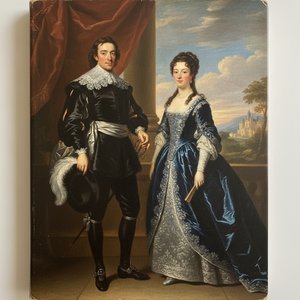
Sir Anthony van Dyck: Courtly Portraiture & the Shaping of Baroque Identity
Explore the life & legacy of Sir Anthony van Dyck, the leading court painter of his era. Discover his innovative portraiture, Baroque masterpieces, and investment potential for discerning collectors. Learn more at OriginalUniqueArt.


