
 Vista previa
 Compartir
 Compartir
 Ver detalles

 Descargar
 Ver similares
 Radiografía
 Presentación de diapositivas
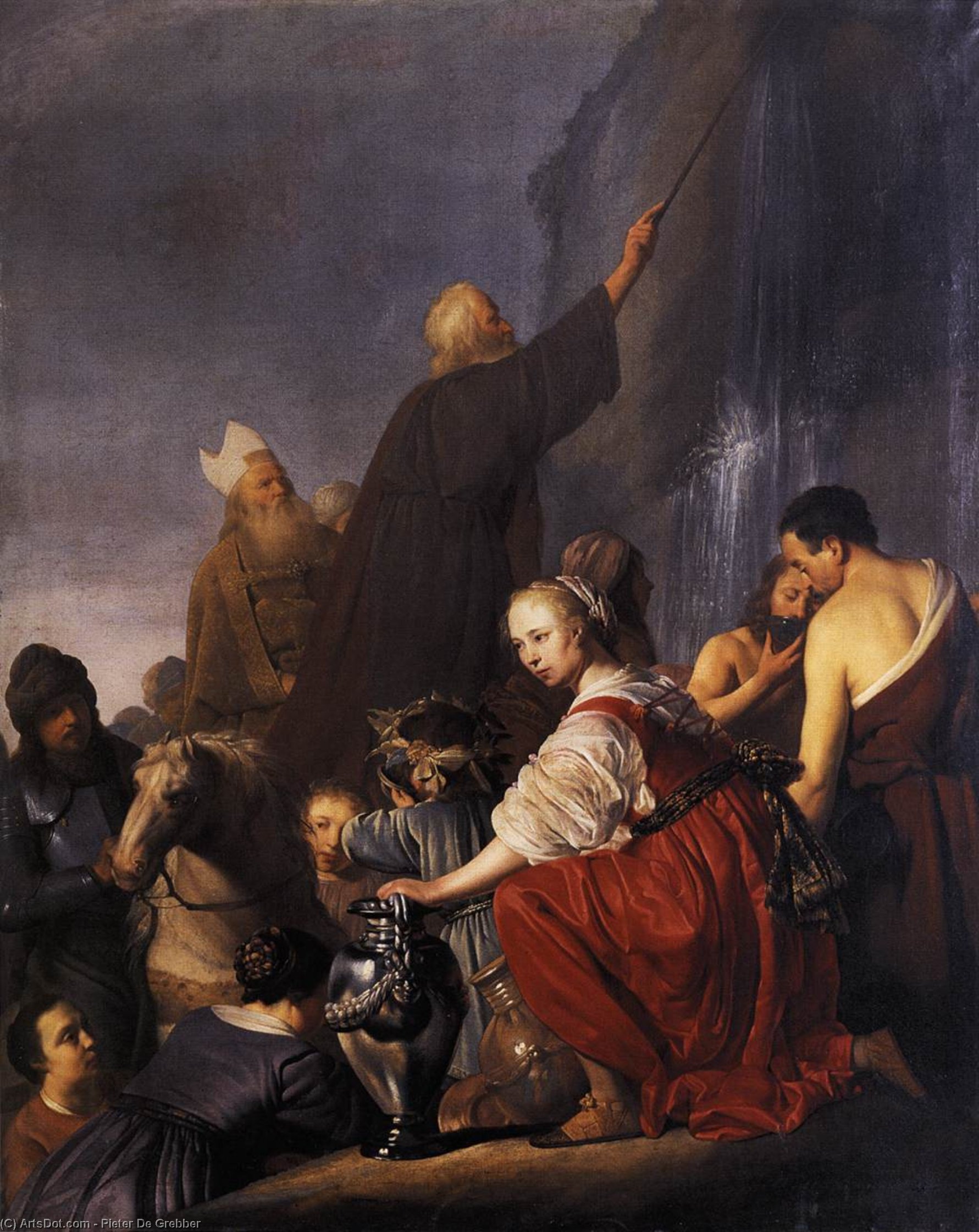
Moses Striking the Rock
 Oil
Oil- WallArt
- Baroque
 1630
1630- Early Modern
 165.0 x 132.0 cm
 Musée des Beaux-Arts
 Leer más
Giclée / Impresión de arte
Impresiones giclée o en lienzo de calidad de museo con producción rápida y opciones de acabado flexibles. ( Encargar reproducción pintada a mano Comprar descarga)




P118B $10

P118H $10

P118W $10

P438Z $10

P508JH $12

P508YH $12

P805H $10

P805Z $10

P919BZ $10

P919G $10

P919XJ $10

P959ZH $10

P968JZ $12

W106C $8

W218G $10

W218JH $8

W218Y $10

W307PJ $10

W316G $10

W316PJ $8

W316Y $10

W398PJ $8

W4111J $10

W500HY $15

W500JH $15

W692G $12

W849H $8

W940BG $15

W953PJ $8




Elija entre nuestros tamaños predefinidos que respetan las proporciones originales de la obra.

Puede introducir sus propias dimensiones para adaptarse a un marco o espacio específico. Si el tamaño seleccionado no coincide con las proporciones de la imagen original, recortaremos la obra de arte o extenderemos la imagen con un borde con efecto espejo o de color sólido. Se enviará una maqueta digital para su aprobación antes de que comience la producción.
Tenga en cuenta que la vista previa en pantalla no refleja el recorte o la extensión real. Solo la maqueta mostrará con precisión la composición final.
Aunque existen tamaños personalizados, recomendamos seleccionar una dimensión de la lista predefinida para preservar las proporciones originales.
Envío a todo el mundo () en 2 semanas en lugar de las 4/5 semanas estándar. (21 agosto)

Envío exprés gratuito a todo el mundo

Lienzo de lino de alta calidad

Seguro de envío completo

Garantía de reembolso de aranceles aduaneros

Garantía de fidelidad cromática exacta

Política de devolución de 60 días (solo por defectos)

Garantía de devolución del 100% del dinero

Oferta por volumen
 La opción de vidrio solo está disponible en tamaños inferiores a 110 cm.

Moses Striking the Rock
Giclée / Impresión de arte
Tamaño de la reproducción
-


Precio total
$ 80
Descripción de la pieza
A Divine Moment Captured in Oil
In the grand tradition of the Dutch Golden Age, Pieter de Grebber’s Moses Striking the Rock stands as a profound testament to the power of biblical narrative and the mastery of light. Painted around 1630, this monumental work transports the viewer directly into the heart of a miraculous event. The scene is one of intense spiritual drama: Moses, positioned with commanding presence on the left, raises his staff to strike the stone, an act that triggers a life-sustaining flow of water for his wandering people. De Grebber does not merely depict a historical or religious milestone; he captures the very tension between human desperation and divine intervention.
The composition is masterfully orchestrated to guide the eye through a landscape of both physical and emotional struggle. As the viewer’s gaze wanders across the canvas, it encounters a diverse assembly of figures—some gathered in close anticipation near the foreground, others receding into the rugged, rocky terrain of the background. The inclusion of horses, positioned strategically within the mid-ground, adds a layer of classical grandeur and movement to the scene, grounding the miraculous event in a tangible, earthly reality. This interplay between the monumental scale of the landscape and the intimate expressions of the onlookers creates a sense of immersive theater.
Mastery of Technique and Light
Pieter de Grebber, a prominent figure in the Haarlem school, utilizes a technique that reflects his deep training under masters like Hendrick Goltzius. The painting is characterized by a sophisticated use of chiaroscuro, where the interplay of light and shadow breathes life into the textures of the rocky terrain and the heavy drapery of the figures' garments. The light does not merely illuminate; it sanctifies, catching the edge of the staff and highlighting the faces of those witnessing the miracle, thereby directing the emotional focus of the piece.
For the discerning collector or interior designer, this work offers a rich tapestry of textures that can serve as a breathtaking focal point in any sophisticated space. The earthy tones of the landscape are balanced by the dramatic highlights, making it a versatile piece that complements both classical and contemporary settings. A high-quality reproduction of this masterpiece allows one to bring the weight of history and the brilliance of 17th-century Dutch artistry into a modern home, providing a conversation piece that speaks of resilience, faith, and the enduring beauty of the human spirit.
A Legacy of Devotion and Artistry
Beyond its visual splendor, Moses Striking the Rock carries the profound weight of its historical context. Born into an artistic lineage in Haarlem, De Grebber was part of a movement that sought to elevate religious themes through a lens of realism and emotional depth. This painting serves as a window into the 1630s, a period when the Dutch Republic was flourishing both economically and artistically. The symbolism of the water flowing from the rock—a symbol of life, purification, and divine grace—remains as potent today as it was centuries ago.
To possess a reproduction of this work is to hold a piece of the Dutch Golden Age. It is an invitation to contemplate the themes of leadership, providence, and the miraculous. Whether placed in a library, a formal dining room, or a curated gallery space, De Grebber’s vision continues to inspire awe, offering a timeless connection to the profound narratives that have shaped Western art history.
Biografía del artista
El Maestro del Clasicismo de Haarlem
En el vibrante tapiz de la Edad de Oro holandesa, pocos hilos están tan elegantemente tejidos como aquellos hilados por Pieter de Grebber. Nacido en 1600 en la histórica ciudad de Haarlem, De Grebber surgió de un linaje profundamente arraigado tanto en el arte como en la fe. Como hijo primogénito del pintor y bordador Frans Pietersz de Grebber, su aprendizaje comenzó dentro de los íntimos confines de un taller familiar, donde los ritmos del pincel y la aguja formaban parte de la vida cotidiana. Esta temprana inmersión en un hogar artístico católico le proporcionó una perspectiva cultural única, una que más tarde le permitiría navegar tanto la grandeza pública de los encargos oficiales como los requisitos más discretos y espirituales de las iglesias católicas clandestinas.
La educación de De Grebber estaba lejos de ser provincial; refinó su oficio bajo la guía del legendario Hendrick Goltzius, absorbiendo las sofisticadas tradiciones manieristas que precedieron al auge del clasicismo. Su trayectoria estuvo marcada por una capacidad extraordinaria para sintetizar diversas influencias en una visión singular y personal. Extrajo fuerza del dramático claroscuro de los caravaggistas de Utrecht, la robusta energía de Peter Paul Rubens y la profundidad psicológica presente en las obras de Rembrandt. Esta síntesis le permitió convertirse en un arquitecto principal del Clasicismo de Haarlem, un movimiento caracterizado por una claridad refinada, composiciones bien organizadas y un uso delicado de tintes luminosos que infundían vida a cada lienzo.
Un Legado de Luz y Composición
La amplitud de la obra de De Grebber es un testimonio de su versatilidad como narrador a través de la pintura. Si bien fue un maestro del retrato, capturando la dignidad y el carácter de sus sujetos con mano firme, fue en sus pinturas históricas y paisajes donde brilló su verdadera innovación estilística. Su trabajo a menudo se alejaba de las sombras pesadas de sus predecesores hacia una estética más luminosa y equilibrada. Este enfoque lo convirtió en un talento muy solicitado para prestigiosos proyectos arquitectónicos; contribuyó significativamente a la decoración del Huis Honselaarsdijk en Naaldwijk y trabajó en el Paleis Noordeinde en Huis ten Bosch, en La Haya.
Más allá de su pincelada, De Grebber fue un hombre de profunda intelectualidad. Su compromiso con los principios formales del arte lo llevó a escribir el tratado Regulen welcke by... en 1649, una obra que buscaba codificar las reglas de la pintura para las generaciones futuras. Esta búsqueda académica, combinada con su papel como maestro de alumnos notables como Nicolaes Pietsz Berchem y Dirck Helmbreeker, aseguró que su influencia reverberara en la escena artística holandesa mucho después de su fallecimiento en 1652.
Para comprender la esencia de Pieter de Grebber es necesario apreciar los siguientes pilares de su carrera:
- Linaje Artístico: Criado en una prominente familia artística de Haarlem, aprendiendo directamente de su padre y del gran Goltzius.
- Innovación Estilística: Un pionero del Clasicismo de Haarlem, fusionando el drama del caravaggismo con la gracia de Rubens.
- Encargos Prestigiosos: Contó con la confianza del Stadholder Frederik Hendrik para decorar importantes residencias reales y estatales.
- Contribución Intelectual: Un consumado teórico que buscó definir los estándares formales de su era a través de tratados escritos.
Aunque vivió una vida relativamente tranquila en el Beaterio de Haarlem durante sus últimos años, el impacto de sus luminosos paisajes y sus historias estructuradas permanece indeleble. No se erige simplemente como un pintor de su tiempo, sino como un puente entre la energía turbulenta de principios del siglo XVII y la elegancia clásica y serena que definiría la cúspide de la maestría holandesa.

Pieter De Grebber
1600 - 1652 , Países Bajos
Datos clave
- Artistas Que Influyeron En Este Artista:
- Caravaggio
- Rubens
- Maíno
- Hals
- Lan Ying
- Honthorst
- Fecha De Fallecimiento: 1652
- Movimiento O Estilo Artístico: Barroco
- Nombre Completo: John Testicle
Artículos relacionados

Golden Light & Dutch Skies: The Timeless Magic of Dutch Golden Age Landscapes
Discover the breathtaking beauty of Dutch Golden Age landscapes. Explore the mastery of light, chiaroscuro, and 17th-century realism through an expert art history lens, celebrating the enduring legacy of the Dutch Masters for discerning collectors and art lovers.

Los 10 Maestros del Siglo de Oro Holandés: Arte, Historia y Decoración Exclusiva
Descubre los 10 imprescindibles del Siglo de Oro Holandés: Rembrandt, Vermeer y más. Explora la historia, técnica y belleza de estos lienzos clásicos. Encuentra reproducciones de arte exclusivas para decorar tu hogar en .

Reflejos de una Época Dorada: La Pintura Barroca Holandesa y la Innovación Cultural
Descubra la riqueza y el detalle de la pintura barroca holandesa del Siglo de Oro. Explore las obras maestras de Rembrandt, Vermeer y otros artistas clave. Análisis experto e historia cultural.

Mastering Light & Shadow: A Journey Through the Dutch Golden Age's Luminous Legacy
Embark on a cultural journey through the Dutch Golden Age. Explore the masterful interplay of light and shadow in 17th-century masterpieces, from Rembrandt to Vermeer, and discover how this era of profound realism continues to inspire fine art collectors today.

La Luz y la República: Innovación Artística en el Siglo de Oro Neerlandés
Descubra la innovación artística del Siglo de Oro Neerlandés. Explore las obras maestras de Rembrandt y Vermeer, técnicas revolucionarias y el legado perdurable de este florecimiento cultural. ¡Sumérjase en la luz y la belleza!


