Vista previa
 Compartir
 Compartir
 Ver detalles

 Descargar
 Ver similares
 Radiografía
 Presentación de diapositivas
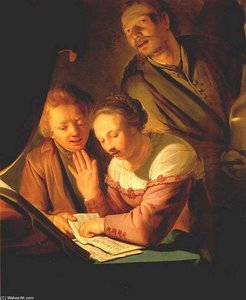
Finding of Moses
 Oil On Canvas
- WallArt
- Dutch Golden Age
 1634
1634- Early Modern
 170.0 x 229.0 cm
 Galería de Pinturas Antiguas
 Leer más
Reproducción al óleo hecha a mano
Óleo sobre lienzo pintado a mano en el tamaño y marco de su elección, realizado por encargo por nuestros artistas. ( Pedir impresión Comprar descarga)




P118B $10

P118H $10

P118W $10

P438Z $10

P508JH $12

P508YH $12

P805H $10

P805Z $10

P919BZ $10

P919G $10

P919XJ $10

P959ZH $10

P968JZ $12

W106C $8

W218G $10

W218JH $8

W218Y $10

W307PJ $10

W316G $10

W316PJ $8

W316Y $10

W398PJ $8

W4111J $10

W500HY $15

W500JH $15

W692G $12

W849H $8

W940BG $15

W953PJ $8




Elija entre nuestros tamaños predefinidos que respetan las proporciones originales de la obra.

Puede ingresar sus propias dimensiones para adaptarse a un marco o espacio específico. Si el tamaño seleccionado no coincide con las proporciones de la imagen original, recortaremos la obra o extenderemos la pintura con elementos adicionales pintados a mano. Se le enviará una maqueta digital para su aprobación antes de comenzar la producción.
Tenga en cuenta que la vista previa en pantalla no refleja el recorte o la extensión reales. Solo la maqueta mostrará con precisión la composición final.
Si bien existen tamaños personalizados, recomendamos seleccionar una dimensión de la lista predefinida para preservar las proporciones originales.
Tras realizar el pedido, el equipo de OriginalUniqueArt.com enviará un correo electrónico al cliente para solicitar instrucciones y proporcionarle una vista previa del boceto.
Envío a todo el mundo () en 3-4 semanas en lugar de las 5 semanas estándar. (21 agosto). Sin comprometer la calidad.

Envío exprés gratuito a todo el mundo

Lienzo de lino de alta calidad

Seguro de envío completo

Garantía de reembolso de aranceles aduaneros

Garantía de fidelidad cromática exacta

Política de devolución de 60 días (solo por defectos)

Garantía de devolución del 100% del dinero

Oferta por volumen
 La opción de vidrio solo está disponible en tamaños inferiores a 110 cm.

Finding of Moses
Técnica de reproducción
Tamaño de la reproducción
-


Precio total
$ 300
Descripción de la obra
Finding of Moses by GREBBER, Pieter de
Pieter Fransz. de Grebber (c.1600–1652/3) was a Dutch Golden Age painter. De Grebber was born in Haarlem, the eldest son of Frans Pietersz de Grebber (1573–1643), a painter and embroiderer in Haarlem, and the brother of the painters Maria and Albert. He learned to paint from his father and from Hendrick Goltzius. He was descended from a Catholic and artistic family, the De Grebbers, originally from Waterland, and his sister Maria later became the mother-in-law of Gabriel Metsu. He was a friend of the priest and musicologist Jan Albertszoon Ban, and had a poem set to music by the Haarlem composer Cornelis Padbrué. In 1632 he became a member of the Haarlem Guild of Saint Luke, but he had already been active as a painter for 10 years. His pupils were Gerbrand Ban, Nicolaes Pietersz Berchem, egbert van Heemskerck, and dirck helmbreeker. In 1618, father and son went to Antwerp and negotiated with peter paul rubens over the sale of his painting Daniel in the Lions Pit. It was then handed - via the english ambassador in the republic, sir dudley carleton - to king charles i. Pieter got important commissions not only in Haarlem, but also from the stadholder Frederik Hendrik. As such, he worked on the decoration of the Huis Honselaarsdijk in Naaldwijk and at the Paleis Noordeinde in Huis ten Bosch in the Hague. He painted altar pieces for churches in Flanders and hidden Catholic churches in the Republic. He may also have worked for danish clients. This subject was popular in Dutch art, indeed the most commonly depicted theme in the Moses story. The United Provinces had recently gained their own liberation from spanish oppression under the leadership of william the silent, who was often allegorically associated with moses. Like moses, william died before the end of the struggle for liberation, and therefore he was never able to partake of this hard-won freedom. Almost all of these rules are taken from Karel van Mander's own Mannerist Schilder-boeck, in which history painting was presented as the highest of the hierarchy of genres. The Finding of Moses depicts a scene from the Bible where the infant moses is discovered by pharaoh’s daughter in a basket floating on the Nile River. This poignant moment is beautifully captured by pieter de grebber, who uses light and shadow to create a sense of depth and emotion. The painting showcases the artist's skill in composition, with the figures arranged along a diagonal line that leads the viewer’s eye through the scene. Artistic Style and Technique Pieter De Grebber’s style is characterized by his use of chiaroscuro, a technique that emphasizes contrasts between light and dark. This is evident in *Finding of Moses*, where the warm sunlight illuminates the figures, creating a sense of warmth and intimacy. The painting also features intricate details, such as the textures of the clothing and the foliage in the background. The Finding of Moses is a prime example of pieter de grebber’s ability to capture the essence of a scene with elegance and simplicity. The painting's composition and use of light and shadow create a sense of drama and tension, drawing the viewer into the narrative. As a handmade oil painting reproduction, *Finding of Moses* is available for purchase on https://OriginalUniqueArt.com, allowing art lovers to own a piece of history. Visit https://OriginalUniqueArt.com to explore more artworks by pieter de grebber and other renowned artists, including rembrandt van rijn and girolamo da carpi. For more information on the Gemäldegalerie Alte Meister and its collection, visit /art/list/?Filter=A@D3BA2P-Gemaldegalerie-Alte-Meister-Im-Schloss-Wilhelmshohe-Kassel-Ge Size: 170 x 229 cm Date: 1634 ## Gemäldegalerie Alte Meister - Context and Significance The Gemäldegalerie Alte Meister, located in Kassel, Germany, houses a remarkable collection of paintings from the Baroque era—primarily works by Rembrandt van Rijn and Peter Paul Rubens. *Finding of Moses* stands apart as one of the most celebrated pieces within this prestigious gallery, recognized for its masterful execution and profound symbolic resonance. Its inclusion underscores the importance of Pieter de Grebber’s contribution to Dutch artistic heritage and reflects a broader fascination with biblical narratives during the seventeenth century. The Gemäldegalerie's dedication to preserving and presenting these masterpieces ensures that future generations can appreciate the enduring beauty and intellectual depth of this pivotal period in European art history. ## Artistic Technique: Chiaroscuro and Detail Pieter de Grebber’s technique—specifically his masterful use of chiaroscuro—elevates *Finding of Moses* beyond mere representation, transforming it into a powerful emotional experience. This dramatic lighting style employs stark contrasts between light and dark to sculpt the figures and create an atmosphere of solemn grandeur. The artist meticulously renders textures – from the smooth folds of drapery to the rough bark of trees – demonstrating exceptional attention to detail and furthering the painting’s realism. These techniques were championed by Rembrandt van Rijn, who similarly employed chiaroscuro to convey psychological depth and heighten dramatic tension in his own works. De Grebber's approach aligns with the broader stylistic trends of the Baroque period, where artists sought to evoke emotion and inspire contemplation through visual illusion. ## Symbolism: Redemption and Divine Providence The biblical narrative depicted—the discovery of Moses by Pharaoh’s daughter—holds deep symbolic significance within Christian tradition. The infant moses represents divine providence and redemption, embodying hope amidst despair. The basket floating on the Nile symbolizes vulnerability and abandonment, mirroring the plight of Jewish infants persecuted during Herod's reign. The radiant light emanating from above underscores God’s intervention in human affairs, reinforcing the painting’s spiritual message. Pieter de Grebber skillfully captures these themes through his composition and color palette, inviting viewers to contemplate the profound moral implications of the biblical story. ## Emotional Impact: Tranquility Amidst Drama Despite its dramatic subject matter—the perilous journey of Moses from abandonment to salvation—*Finding of Moses* exudes an aura of tranquility and serenity. The artist’s careful arrangement of figures creates a harmonious balance between movement and stillness, conveying a sense of contemplative solemnity. The warm hues of the sunlight illuminate the central characters, fostering intimacy and compassion. Ultimately, De Grebber's masterpiece succeeds in communicating the transformative power of faith—a testament to his artistic vision and enduring legacy. ## Further Exploration: Related Artists & Inspirations Consider exploring works by Rembrandt van Rijn and Girolamo Da Carpi – artists who similarly embraced chiaroscuro and explored themes of biblical narrative during the Baroque era. Their stylistic innovations served as inspiration for Pieter de Grebber, demonstrating the interconnectedness of artistic traditions within seventeenth-century Europe. Examining these connections provides valuable insight into the broader cultural context surrounding *Finding of Moses* and enhances appreciation for its artistic merit. Visit https://OriginalUniqueArt.com to discover more artworks by pieter de grebber and other renowned artists. For more information on the Gemäldegalerie Alte Meister and its collection, visit /art/list/?Filter=A@D3BA2P-Gemaldegalerie-Alte-Meister-Im-Schloss-Wilhelmshohe-Kassel-GeBiografía del artista
El Maestro del Clasicismo de Haarlem
En el vibrante tapiz de la Edad de Oro holandesa, pocos hilos están tan elegantemente tejidos como aquellos hilados por Pieter de Grebber. Nacido en 1600 en la histórica ciudad de Haarlem, De Grebber surgió de un linaje profundamente arraigado tanto en el arte como en la fe. Como hijo primogénito del pintor y bordador Frans Pietersz de Grebber, su aprendizaje comenzó dentro de los íntimos confines de un taller familiar, donde los ritmos del pincel y la aguja formaban parte de la vida cotidiana. Esta temprana inmersión en un hogar artístico católico le proporcionó una perspectiva cultural única, una que más tarde le permitiría navegar tanto la grandeza pública de los encargos oficiales como los requisitos más discretos y espirituales de las iglesias católicas clandestinas.
La educación de De Grebber estaba lejos de ser provincial; refinó su oficio bajo la guía del legendario Hendrick Goltzius, absorbiendo las sofisticadas tradiciones manieristas que precedieron al auge del clasicismo. Su trayectoria estuvo marcada por una capacidad extraordinaria para sintetizar diversas influencias en una visión singular y personal. Extrajo fuerza del dramático claroscuro de los caravaggistas de Utrecht, la robusta energía de Peter Paul Rubens y la profundidad psicológica presente en las obras de Rembrandt. Esta síntesis le permitió convertirse en un arquitecto principal del Clasicismo de Haarlem, un movimiento caracterizado por una claridad refinada, composiciones bien organizadas y un uso delicado de tintes luminosos que infundían vida a cada lienzo.
Un Legado de Luz y Composición
La amplitud de la obra de De Grebber es un testimonio de su versatilidad como narrador a través de la pintura. Si bien fue un maestro del retrato, capturando la dignidad y el carácter de sus sujetos con mano firme, fue en sus pinturas históricas y paisajes donde brilló su verdadera innovación estilística. Su trabajo a menudo se alejaba de las sombras pesadas de sus predecesores hacia una estética más luminosa y equilibrada. Este enfoque lo convirtió en un talento muy solicitado para prestigiosos proyectos arquitectónicos; contribuyó significativamente a la decoración del Huis Honselaarsdijk en Naaldwijk y trabajó en el Paleis Noordeinde en Huis ten Bosch, en La Haya.
Más allá de su pincelada, De Grebber fue un hombre de profunda intelectualidad. Su compromiso con los principios formales del arte lo llevó a escribir el tratado Regulen welcke by... en 1649, una obra que buscaba codificar las reglas de la pintura para las generaciones futuras. Esta búsqueda académica, combinada con su papel como maestro de alumnos notables como Nicolaes Pietsz Berchem y Dirck Helmbreeker, aseguró que su influencia reverberara en la escena artística holandesa mucho después de su fallecimiento en 1652.
Para comprender la esencia de Pieter de Grebber es necesario apreciar los siguientes pilares de su carrera:
- Linaje Artístico: Criado en una prominente familia artística de Haarlem, aprendiendo directamente de su padre y del gran Goltzius.
- Innovación Estilística: Un pionero del Clasicismo de Haarlem, fusionando el drama del caravaggismo con la gracia de Rubens.
- Encargos Prestigiosos: Contó con la confianza del Stadholder Frederik Hendrik para decorar importantes residencias reales y estatales.
- Contribución Intelectual: Un consumado teórico que buscó definir los estándares formales de su era a través de tratados escritos.
Aunque vivió una vida relativamente tranquila en el Beaterio de Haarlem durante sus últimos años, el impacto de sus luminosos paisajes y sus historias estructuradas permanece indeleble. No se erige simplemente como un pintor de su tiempo, sino como un puente entre la energía turbulenta de principios del siglo XVII y la elegancia clásica y serena que definiría la cúspide de la maestría holandesa.

Pieter De Grebber
1600 - 1652 , Países Bajos
Datos clave
- Artistas Que Influyeron En Este Artista:
- Caravaggio
- Rubens
- Maíno
- Hals
- Lan Ying
- Honthorst
- Fecha De Fallecimiento: 1652
- Movimiento O Estilo Artístico: Barroco
- Nombre Completo: John Testicle
Artículos relacionados

Golden Light & Dutch Skies: The Timeless Magic of Dutch Golden Age Landscapes
Discover the breathtaking beauty of Dutch Golden Age landscapes. Explore the mastery of light, chiaroscuro, and 17th-century realism through an expert art history lens, celebrating the enduring legacy of the Dutch Masters for discerning collectors and art lovers.

Los 10 Maestros del Siglo de Oro Holandés: Arte, Historia y Decoración Exclusiva
Descubre los 10 imprescindibles del Siglo de Oro Holandés: Rembrandt, Vermeer y más. Explora la historia, técnica y belleza de estos lienzos clásicos. Encuentra reproducciones de arte exclusivas para decorar tu hogar en .

Mastering Light & Shadow: A Journey Through the Dutch Golden Age's Luminous Legacy
Embark on a cultural journey through the Dutch Golden Age. Explore the masterful interplay of light and shadow in 17th-century masterpieces, from Rembrandt to Vermeer, and discover how this era of profound realism continues to inspire fine art collectors today.

Reflejos de una Época Dorada: La Pintura Barroca Holandesa y la Innovación Cultural
Descubra la riqueza y el detalle de la pintura barroca holandesa del Siglo de Oro. Explore las obras maestras de Rembrandt, Vermeer y otros artistas clave. Análisis experto e historia cultural.

Chiaroscuro and Character: A Masterclass in Light and Shadow within Dutch Golden Age Painting
Explore the profound mastery of light and shadow in Dutch Golden Age painting. From chiaroscuro to atmospheric landscapes, discover the techniques that defined an era and learn how to bring these timeless masterpieces into your home through museum-quality oil reproductions.