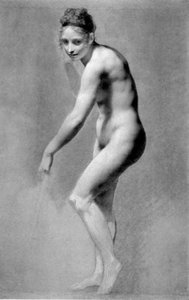
Ver en contexto
 Enviar
 Compartir
 Detalles
 Guía
Guía

 Descargar
 Similares
 Radiografía
 Presentación de diapositivas
 Estadísticas
David Jonston
 Oil On Canvas
- WallArt
- Romanticism
 1808
1808- 19th Century
 55.0 x 46.0 cm
 Ver más
Giclée / Impresión de arte
Impresiones giclée o en lienzo de calidad de museo con producción rápida y opciones de acabado flexibles. ( Comprar pintura hecha a mano Cambiar a imagen digital)




P118B €10

P118H €10

P118W €10

P438Z €10

P508JH €12

P508YH €12

P805H €10

P805Z €10

P919BZ €10

P919G €10

P919XJ €10

P959ZH €10

P968JZ €12

W106C €8

W218G €10

W218JH €8

W218Y €10

W307PJ €10

W316G €10

W316PJ €8

W316Y €10

W398PJ €8

W4111J €10

W500HY €15

W500JH €15

W692G €12

W849H €8

W940BG €15

W953PJ €8




Elija entre nuestros tamaños predefinidos que respetan las proporciones originales de la obra.

Introduzca el ancho y el alto que necesite para adaptarse a su marco o pared. Una impresión solo puede recortarse, nunca hacerse más grande que la imagen original, por lo que un tamaño con una forma distinta perderá parte de la obra. Le enviaremos una maqueta digital para su aprobación antes de realizar cualquier impresión. La imagen que se muestra en esta página no refleja el recorte real; solo la maqueta lo hace.
Envío a todo el mundo () en 2 semanas en lugar de las 4/5 semanas estándar. (25 octubre)

Envío exprés gratuito a todo el mundo

Lienzo de lino de alta calidad

Seguro de envío total

Garantía de reembolso de aranceles aduaneros

Garantía de fidelidad cromática exacta

Política de devolución de 100 días (solo por defectos)

Garantía de devolución del 100% del dinero

Descuento por cantidad
 La opción de vidrio solo está disponible en tamaños inferiores a 110 cm.

David Jonston
Giclée / Impresión de arte
Dimensiones de la reproducción
-


Precio total final
€ 70
A Glimpse into Romantic Introspection
In the quiet depths of Pierre-Paul Prud'hon’s 1808 masterpiece, David Jonston, viewers are invited into a private moment of profound contemplation. This exquisite oil on canvas serves as a quintessential window into the heart of the Romantic era, capturing far more than a mere likeness of a young man. Through his masterful command of the medium, Prud'hon presents a subject whose gaze, directed slightly away from the viewer, suggests a soul lost in thought, perhaps reflecting on the fleeting nature of youth or the weight of personal destiny. The portrait is not simply a record of a face, but an exploration of the internal landscape, where a subtle, enigmatic smile dances on the lips, hinting at a hidden narrative known only to the sitter.
The technical brilliance of the work lies in Prud'hon’s sophisticated use of chiaroscuro, a technique that defines much of his celebrated legacy. By emerging from an indistinct, shadowy background, the figure of David Jonston gains a remarkable three-dimensionality, as if he were stepping forward from the darkness into the light of the viewer's presence. The soft, diffused lighting plays delicately across the subject’s fair skin and the intricate textures of his attire, creating a sense of palpable realism. This interplay of light and shadow does more than provide depth; it imbues the painting with a melancholic, dreamy atmosphere that is the hallmark of Prud'hon’s unique transition from Neoclassical precision to Romantic emotion.
Elegance and Historical Resonance
Every detail within the frame contributes to the painting's aura of refined elegance. The subject is dressed in the formal fashion of the early 19th century, featuring a high-collared black coat that frames his face with stark, dignified contrast. Beneath this, the delicate ruffles of a white shirt add a touch of softness and aristocratic grace, showcasing the artist's ability to render varied textures—from the heavy weight of fine wool to the light, airy quality of linen. These sartorial elements do not merely ground the portrait in its historical moment; they serve as symbols of status and the structured social graces of the era, even as the subject's expression suggests a departure from such rigid formalities.
For the discerning collector or interior designer, David Jonston offers an unparalleled opportunity to introduce a sense of historical gravity and emotional depth into a space. As a high-quality reproduction, this piece brings the prestige of the French Romantic movement into the modern home, acting as a sophisticated focal point that sparks conversation and invites quiet reflection. Whether placed in a curated gallery wall or standing alone as a statement piece in a study, the painting’s ability to evoke nostalgia and timeless beauty makes it an enduring treasure for those who appreciate art that speaks to the complexities of the human spirit.
Preguntas y respuestas
¿Con qué técnica se realizó "David Jonston"?
La técnica de "David Jonston" de Pierre-Paul Prud’hon es Oil On Canvas. Las reproducciones pretenden recrear la apariencia de esta técnica.
¿Cómo se puede integrar "David Jonston" de Pierre-Paul Prud’hon en la decoración del hogar?
Se recomienda el uso de (Mood) y su ubicación en (Living Room) para "David Jonston" de Pierre-Paul Prud’hon.
¿Qué armonía cromática presenta "David Jonston" de Pierre-Paul Prud’hon?
Los colores de "David Jonston" de Pierre-Paul Prud’hon presentan una armonía Softly Mixed Palette. La armonía describe la relación entre los colores.
Biografía del artista
Pierre-Paul Prud'hon: Una Vida en el Arte
- Nacido: Cluny, Francia (1758)
- Fallecido: 1823
- Nacionalidad: Francés
Pierre-Paul Prud’hon fue una figura clave en el arte francés, uniendo la transición del Neoclasicismo al Romanticismo. Nacido en Cluny, Saône-et-Loire, Francia, su trayectoria artística refleja el cambiante panorama estético de finales del siglo XVIII y principios del XIX en Europa. Es celebrado tanto por sus pinturas alegóricas como por sus retratos, demostrando un dominio del claroscuro y el realismo que cautivó al público e influyó en generaciones posteriores.
Primeros Años y Formación
- Orígenes Provinciales: Prud’hon recibió su formación artística inicial en las provincias francesas.
- Beca de Dijon: En 1774, obtuvo una beca municipal para asistir a la École de Dessin en Dijon, marcando un paso significativo hacia la educación artística formal.
- Roma e Influencias Neoclásicas: Viajó a Roma en 1784, donde se sumergió en el estudio del arte clásico, admirando particularmente las obras de Canova y Correggio. Este período moldeó profundamente su estilo temprano, imbuyéndolo con un sentido de elegancia y forma idealizada característico del Neoclasicismo.
Carrera Artística y Patronato Real
- Alegorías Revolucionarias: Su obra ganó prominencia durante la Revolución Francesa, produciendo viñetas, ilustraciones de libros y pinturas alegóricas que resonaron con los ideales republicanos.
- Pintor de Corte Napoleónico: Su talento atrajo la atención de Napoleón Bonaparte, quien lo encargó para pintar retratos tanto de Josefina de Beauharnais como de María Luisa de Austria. El retrato de Josefina, en particular, la representaba no como una emperatriz sino como una mujer cautivadora, alimentando especulaciones sobre una posible relación romántica entre el artista y la ex reina.
- Uniendo Estilos: Prud’hon navegó hábilmente por las tendencias artísticas cambiantes de su tiempo, incorporando elementos tanto del Neoclasicismo como del Romanticismo en su obra. Si bien mantuvo una base clásica en composición y forma, infundió sus pinturas con profundidad emocional e iluminación dramática que presagiaba el movimiento romántico.
Obras Principales y Legado Artístico
- Madame Georges Anthony y Sus Dos Hijos (1796): Un ejemplo temprano de sus habilidades en el retrato, mostrando una elegancia refinada.
- El Alma Rompiendo los Lazos que la Mantienen Atada a la Tierra: Una poderosa obra alegórica que demuestra su capacidad para transmitir emociones complejas a través de imágenes simbólicas.
- El Sueño de la Felicidad: Una exploración conmovedora de las aspiraciones y deseos humanos.
- La Crucifixión (1822): Encargada para la Catedral de San Étienne en Metz, ahora ubicada en el Louvre, esta obra se considera uno de sus logros más significativos.
- Justicia y Venganza Divina Persiguiendo al Crimen: Una monumental obra maestra que anticipa la intensidad dramática del *El Raft of the Medusa* de Géricault.
Influencia y Significado Histórico
Prud'hon ejerció una influencia considerable en generaciones posteriores de artistas franceses. Su dominio del claroscuro, su capacidad para imbuir retratos con profundidad psicológica y su síntesis de estilos neoclásicos y románticos lo convirtieron en una figura muy respetada en el mundo del arte. Artistas como Théodore Géricault y Eugène Delacroix reconocieron su impacto, inspirándose en sus composiciones dramáticas y expresividad emocional. Stendhal, Millet y Baudelaire también reconocieron el mérito artístico de Prud'hon, lo que solidificó aún más su lugar en la historia cultural francesa.

Pierre-Paul Prud’hon
1758 - 1823 , Francia
Datos clave
- Artistas Influenciados:
- Théodore Géricault
- Eugène Delacroix
- Artistas Que Influyeron:
- Antonio Canova
- Leonardo da Vinci
- Correggio
- Fecha De Fallecimiento: 16 de febrero de 1823
- Fecha De Nacimiento: 4 de abril de 1758
- Lugar De Nacimiento: Cluny, Francia
- Movimiento Artístico: Neoclasicismo y Romanticismo
- Nacionalidad: Francés
- Nombre Completo: Pierre-Paul Prud'hon
- Obras Notables:
- Madame Georges Anthony y sus hijos
- El alma rompiendo los lazos
- El sueño de la felicidad
- Crucifixión
- Justicia y venganza divina
Artículos relacionados
Pierre-Paul Prud'hon: Exploring Neoclassical Sensibility & Romantic Precursors
Explore the captivating world of Pierre-Paul Prud'hon, a pivotal French painter bridging Neoclassicism & Romanticism. Discover his allegorical masterpieces and lasting influence on 19th-century art history.
Paul Klee: Las 25 Obras Maestras que Definen un Genio del Arte Moderno | OriginalUniqueArt
Descubre las 25 obras maestras de Paul Klee, el genio del arte moderno. Explora su expresionismo único, composiciones abstractas y vibrantes paletas de colores. Reproducciones de alta calidad y decoración con arte en OriginalUniqueArt.com.
Renoir: Las 25 Obras Maestras del Impresionismo para Decorar tu Hogar con Arte
Descubre las 25 obras maestras de Renoir, el rey del impresionismo. Explora su técnica, historia y significado en cada pintura. Encuentra reproducciones de arte de alta calidad para decorar tu hogar con OriginalUniqueArt.com.

10 Obras Maestras del Realismo Romántico que Debes Conocer
Explora la emoción y el detalle del Realismo Romántico. Un viaje por 10 obras maestras que capturan la esencia humana con técnica y alma. Encuentra inspiración y reproducciones de calidad museo para tu hogar en OriginalUniqueArt.com. ¡Descubre toda la colección online!

Paul Cézanne: Las 25 Obras Maestras que Definieron el Arte Moderno | OriginalUniqueArt
Descubre las 25 obras maestras de Paul Cézanne que revolucionaron el arte moderno. Explora su técnica, inspiración y significado en paisajes, bodegones y retratos. Reproducciones de alta calidad para decorar tu hogar con arte inolvidable. ¡Explora la colección completa en OriginalUniqueArt.com!