

 Ver en contexto
 Enviar
 Compartir
 Detalles

 Descargar
 Similares
 Radiografía
 Presentación de diapositivas
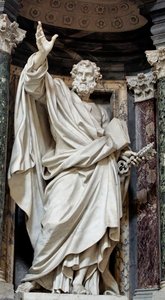
St Peter


 Ver más
Adquiera una imagen digital de alta resolución y optimizada, muy superior a la vista previa en línea.
Cada archivo es preparado meticulosamente por nuestros especialistas internos mediante el uso de herramientas avanzadas y un experto retoque manual. Nos aseguramos de que cada imagen posea una claridad excepcional, una precisión cromática impecable y un detalle minucioso.
El archivo final se entrega por correo electrónico en un plazo de 72 horas, optimizado para su uso inmediato en entornos profesionales, editoriales y de impresión. Esta es la misma calidad en la que confían los estudios de diseño, las editoriales y las galerías de primer nivel.
Imagen Digital
Descarga un archivo de alta resolución para exhibición personal, impresión y proyectos creativos. ( Comprar impresión Comprar pintura hecha a mano)
Incluido en cada pedido de imágenes digitales
Entrega digital experta, garantizada.
Al elegir OriginalUniqueArt.com, no solo está adquiriendo una imagen; está recibiendo una obra de arte digital mejorada profesionalmente, elaborada con precisión y respaldada por una garantía de satisfacción. Esto es todo lo que incluye su pedido, automáticamente:

Entrega rápida por email
Recibirá su archivo de imagen digital en alta resolución por correo electrónico en un plazo de 72 horas tras realizar su pedido, listo para su uso inmediato.

Archivo digital optimizado por IA
Su obra de arte se optimiza profesionalmente mediante herramientas avanzadas de IA y edición manual, garantizando el máximo detalle, claridad y precisión cromática.

Reenvío gratuito de por vida
¿Has borrado o perdido tu archivo por error? No te preocupes: te lo volveremos a enviar en cualquier momento, sin coste adicional.

Sin gastos de importación, siempre
Disfrute de su obra de arte al instante sin aduanas, aranceles ni gastos de envío; las descargas digitales siempre están libres de impuestos.

Garantía de fidelidad de color
Garantizamos que su imagen digital refleje los colores originales con la mayor fidelidad posible, mediante el uso de herramientas profesionales y gestión del color.

Garantía de satisfacción de 100 días
Si no está satisfecho con su imagen digital, la revisaremos o le reembolsaremos el 100% en un plazo de 100 días, sin preguntas.

100% Garantía de devolución de dinero
¿No está satisfecho? Obtenga un reembolso completo dentro de los 100 días posteriores a la recepción de su archivo digital, sin preguntas.

Descuentos por pedidos grandes
Compra 3 imágenes, ahorra 10% - Compra 5, ahorra 15% - Compra 10+, ahorra 20%. Ideal para proyectos creativos, galerías y agencias.
Biografía del artista
El legado escultórico de Pierre-Étienne Monnot
En la grandiosa y envolvente era del Barroco tardío, pocos artistas capturaron el drama divino y la gracia física del mármol con tanta eficacia como Pierre-Étienne Monnot. Nacido en 1657 en la agreste belleza de Doubs, Francia, el viaje de Monnot, desde aprendiz de tallador de madera provincial hasta célebre escultor en el corazón de Roma, es un testimonio del paisaje artístico interconectado de la época. Formado inicialmente por su padre, perfeccionó sus habilidades fundamentales en los talleres de Dijon, pero fue su traslado a Italia lo que finalmente definiría su destino. Para 1687, Monnot se había establecido en Roma, donde se convirtió en una figura vital dentro de una vibrante comunidad de expatriados borgoñones, insuflando vida a la piedra a través de un estilo que combinaba la precisión francesa con la grandeza italiana.
La evolución artística de Monnot estuvo profundamente marcada por los maestros que le precedieron y por la atmósfera monumental de la Ciudad Eterna. A menudo referido en los registros italianos como Pietro Stefano Monnot, navegó con notable éxito las complejas jerarquías sociales y religiosas de Roma. Sus primeras obras en Italia reflejaron la influencia de Domenico Guidi, algo particularmente evidente en sus exquisitos relieves de mármol para la iglesia de Santa Maria della Vittoria. En estas piezas, como la Natividad y la Huida a Egipto, se puede observar un delicado equilibrio entre el movimiento narrativo y la estabilidad clásica, un sello distintivo de la transición del Barroco pleno a un lenguaje más refinado del Barroco tardío.
Maestría del mármol y encargos divinos
La verdadera importancia de la carrera de Monnot reside en su capacidad para asegurar encargos que lo situaron en el centro mismo de la iconografía católica. Su talento para traducir el fervor espiritual en formas tangibles lo convirtió en la opción predilecta para las instituciones religiosas más prestigiosas de Europa. Uno de sus logros más profundos fue su contribución al altar de San Ignacio en la Iglesia del Gesù, donde esculpió un par de ángeles sosteniendo el monograma IHS. Esta obra lo situó junto a otros titanes de la época, como Pierre Le Gros el Joven, consolidando su estatus dentro del círculo de élite de escultores que dieron forma a la identidad visual de la Contrarreforma.
Más allá de los altares de Roma, el alcance de Monnot se extendió a los más altos escalafones del papado y la nobleza internacional. Su trabajo en la tumba del Papa Inocencio XI en la Basílica de San Pedro, ejecutado bajo el diseño del legendario Carlo Maratta, representa la cúspide de su destreza técnica. En esta monumental empresa, Monnot demostró una capacidad inigualable para manejar el peso de la historia y la solemnidad de la muerte, utilizando el mármol para evocar tanto la permanencia de la Iglesia como la naturaleza fugaz de la vida mortal. Su habilidad no se limitó a lo sagrado; fue igualmente hábil capturando el espíritu humano en bustos retratistas y escenas mitológicas, atendiendo a una clientela sofisticada que buscaba inmortalizar su propio legado a través de su cincel.
Una impresión duradera en el arte barroco
La importancia histórica de Pierre-Étienne Monnot trasciende la mera ejecución de objetos bellos. Sirvió como un puente cultural, aportando la meticulosidad de la formación francesa al poder emotivo de la escultura italiana. Su carrera representa el cenit de un movimiento artístico internacional donde las fronteras eran fluidas y el talento era la principal moneda de cambio. A través de sus obras, vemos el periodo del Barroco tardío no solo como un estilo de exceso, sino como un lenguaje sofisticado de devoción, poder y emoción humana.
Para reflexionar sobre el impacto perdurable de Monnot, se podrían considerar estos elementos definitorios de su carrera:
- Versatilidad técnica: Su capacidad para transitar sin interrupciones desde el detalle íntimo de los relieves hasta la escala monumental de las tumbas papales.
- Síntesis cultural: La fusión única de la claridad estructural francesa con la energía dramática y arrolladora característica de la escultura barroca romana.
- Influencia eclesiástica: Un papel profundo en la decoración de los espacios más sagrados de Roma, contribuyendo al esplendor visual de la orden jesuita y el Papado.
- Alcance internacional: Su éxito al establecer una reputación duradera que resonó mucho más allá de su natal Franco Condado, llegando a las cortes y catedrales de Europa.
Pierre-Étienne Monnot
1657 - 1733 , Francia
Breves datos
- Artistas Que Influyeron En Este Artista:
- Domenico Guidi
- Alessandro Algardi
- Carlo Maratta
- Fecha De Fallecimiento: 1733
- Fecha De Nacimiento: 1657
- Lugar De Nacimiento: Doubs, Francia
- Movimiento O Estilo Artístico: Barroco tardío
- Nacionalidad: Francés
- Nombre Completo: Pierre-Étienne Monnot
- Obras Notables:
- Relieve de la Nativity
- Relieve de la Huida a Egipto
- Tumba del Papa Inocencio XI
- Ángeles con el monograma IHS