

 Vista previa
 Compartir
 Compartir
 Ver detalles

 Descargar
 Ver artículos similares
 Radiografía
 Presentación de diapositivas
 Estadísticas
Vista de Antibes


 Leer más
Giclée / Impresión de arte
Impresiones giclée o en lienzo de calidad de museo con producción rápida y opciones de acabado flexibles. ( Encargar reproducción pintada a mano Ver versión en imagen digital)




P118B $10

P118H $10

P118W $10

P438Z $10

P508JH $12

P508YH $12

P805H $10

P805Z $10

P919BZ $10

P919G $10

P919XJ $10

P959ZH $10

P968JZ $12

W106C $8

W218G $10

W218JH $8

W218Y $10

W307PJ $10

W316G $10

W316PJ $8

W316Y $10

W398PJ $8

W4111J $10

W500HY $15

W500JH $15

W692G $12

W849H $8

W940BG $15

W953PJ $8




Elija entre nuestros tamaños predefinidos que respetan las proporciones originales de la obra.

Puede introducir sus propias dimensiones para adaptarse a un marco o espacio específico. Si el tamaño seleccionado no coincide con las proporciones de la imagen original, recortaremos la obra de arte o extenderemos la imagen con un borde con efecto espejo o de color sólido. Se enviará una maqueta digital para su aprobación antes de que comience la producción.
Tenga en cuenta que la vista previa en pantalla no refleja el recorte o la extensión real. Solo la maqueta mostrará con precisión la composición final.
Aunque existen tamaños personalizados, recomendamos seleccionar una dimensión de la lista predefinida para preservar las proporciones originales.
Envío a todo el mundo () en 2 semanas en lugar de las 4/5 semanas estándar. (18 septiembre)

Envío exprés gratuito a todo el mundo

Lienzo de lino de alta calidad

Seguro de envío completo

Garantía de reembolso de impuestos aduaneros

Garantía de fidelidad cromática exacta

Política de devolución de 100 días (solo por defectos)

Garantía de devolución del 100% del dinero

Oferta por volumen
 La opción de vidrio solo está disponible en tamaños inferiores a 110 cm.

Vista de Antibes
Giclée / Impresión de arte
Tamaño de la reproducción
-


Precio total
$ 80
View of Antibes
Pierre-Auguste Renoir’s View of Antibes stands as a quintessential embodiment of Impressionism—a movement that revolutionized painting by prioritizing fleeting moments of light and color over meticulous detail. Created in 1893 during Renoir’s prolific period exploring the landscapes of Provence, this oil on canvas masterpiece captures the serene beauty of the Mediterranean coast with an unparalleled sensitivity to atmosphere.The Painting's Composition: A Symphony of Light
Renoir skillfully orchestrates a visual narrative within his canvas. Dominating the foreground is a magnificent tree—its branches gracefully bent towards the left—a motif recurrent in Renoir’s oeuvre and symbolizing resilience amidst tranquility. Behind this arboreal anchor unfolds a cityscape bathed in diffused sunlight, featuring buildings rendered with soft brushstrokes that convey depth without resorting to traditional perspective. Two figures are subtly integrated into the scene: one positioned on the upper right corner, adding human presence to the natural panorama; another appears further back, contributing to the overall sense of spaciousness. A boat drifts peacefully along the water’s surface, completing this harmonious composition and reinforcing the painting's tranquil mood.Impressionist Technique and Artistic Influence
Renoir’s technique exemplifies the core principles of Impressionism. He employs loose, visible brushstrokes—a hallmark of his style—to capture the ephemeral qualities of light and color as they shift across the landscape. Instead of blending pigments to achieve smooth gradations, Renoir applies paint in broken touches, allowing individual strokes to retain their vibrancy and creating a shimmering effect that mimics the dappled sunlight filtering through the foliage. This approach directly contrasts with academic painting traditions of his time, prioritizing subjective perception over objective representation. Notably, The Boating Party Lunch shares similar stylistic characteristics—particularly the luminous palette and expressive brushwork—demonstrating Renoir’s consistent commitment to capturing the essence of Impressionist ideals.Comparative Analysis: Echoes of Monet
View of Antibes from the Plateau Notre-Dame by Claude Monet, another titan of Impressionism, presents a comparable vision of Antibes—a landscape infused with light and color. While Monet’s palette leans towards cooler tones, both artists share a fascination for portraying natural scenery alongside human figures, albeit in subtly different ways. The similarities between Renoir's and Monet’s works underscore the broader artistic dialogue occurring during this period, highlighting shared concerns about capturing fleeting moments of beauty and conveying emotion through visual language.Concluding Reflections: A Timeless Masterpiece
View of Antibes transcends mere depiction—it embodies the spirit of Impressionism itself. Renoir’s masterful use of color and brushstroke elevates this landscape painting to a level of artistic achievement that continues to inspire admiration and contemplation. For those seeking to immerse themselves in the splendor of Impressionist art, OriginalUniqueArt offers exceptional reproductions crafted by skilled artisans—allowing you to experience the captivating beauty of View of Antibes in exquisite detail. Explore more remarkable artworks from this era at Museo Di Certosa, Certosa Di Pavia, Italy—a testament to the enduring legacy of Renoir’s artistic vision.Biografía del artista
vida temprana y carrera
pierre-auguste renoir, un artista francés fundamental, nació el 25 de febrero de 1841 en Limoges, Francia. Jugó un papel crucial a la hora de dar forma al movimiento impresionista, conocido por su luz vibrante y sus colores saturados. La obra de Renoir celebraba la belleza, particularmente la sensualidad femenina, colocándolo en una línea de artistas que se extendía desde Rubens hasta Watteau.legado artístico
El legado de Renoir se extendió más allá de su lienzo, como patriarca de una familia donde el arte florecía en diversas formas. Sus hijos, pierre renoir (1885–1952), el cineasta jean renoir (1894–1979) y el artista ceramista claude renoir (1901–1969), cada uno hizo contribuciones significativas en sus campos. Su nieto, el cineasta claude renoir (1913–1993), avanzó aún más la herencia artística de la familia.obras notables y museos
* dance at bougival, una pintura notable de Renoir, muestra su dominio para capturar la esencia del arte impresionista. * El musée des collettes, ubicado en Cagnes-sur-Mer, Francia, es un destino imprescindible para los amantes del arte. Este museo, que fue la casa de Pierre-Auguste Renoir, sirve como testimonio de su vida y obra, alberga quince de sus pinturas. * El musée maurice denis, otra joya oculta en Francia, presenta una impresionante colección de pinturas postimpresionistas franceses de finales del siglo XIX y principios del siglo XX.explora el arte de Renoir con OriginalUniqueArt
- Descubre el encanto del musée des collettes (Francia) y su arte impresionista en OriginalUniqueArt: [https://OriginalUniqueArt.com/@@/a@d3aupf](https://OriginalUniqueArt.com/@@/a@d3aupf)
- Explora las maravillas del musée maurice denis (Francia) con OriginalUniqueArt: /es/art/show/art-d3aue3-es/
- Visualiza las pinturas de Renoir, incluyendo dance at bougival, en OriginalUniqueArt: [https://OriginalUniqueArt.com/@/pierre-auguste renoir](https://OriginalUniqueArt.com/@/pierre-auguste%20renoir)
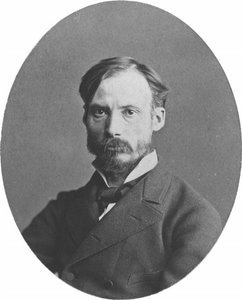
Pierre-Auguste Renoir
1841 - 1919 , Francia
Datos clave
- Artistas Que Influyeron:
- Rubens
- Watteau
- Camille Pissarro
- Édouard Manet
- Fecha De Fallecimiento: 3 de diciembre de 1919
- Fecha De Nacimiento: 25 de febrero de 1841
- Lugar De Nacimiento: Limoges, Francia
- Movimiento Artístico: Impresionismo
- Nacionalidad: Francés
- Nombre Completo: Pierre-Auguste Renoir
- Obras Notables:
- Baile en Bougival
- Almuerzo de la fiesta de remo
- Los grandes bañistas
- Dos hermanas
- Jóvenes tocando el piano
Artículos relacionados
Los 10 Maestros Impresionistas que Revolucionaron el Arte | OriginalUniqueArt
Descubre los 10 cuadros impresionistas más influyentes de Monet, Renoir y Degas. Explora la historia, técnica y colores vibrantes del impresionismo. Encuentra reproducciones de arte exclusivas en OriginalUniqueArt.com.
Los 10 Maestros Impresionistas que Revolucionaron el Arte | OriginalUniqueArt
Descubre los 10 cuadros impresionistas más influyentes de Monet, Renoir y Degas. Explora la historia, técnica y belleza de este movimiento artístico. Reproducciones de arte en OriginalUniqueArt.com para decorar tu hogar con estilo.

Los 10 Maestros del Paisaje Impresionista: Obras que Cambiaron la Historia del Arte
Descubre los 10 lienzos impresionistas que revolucionaron el arte. Monet, Renoir y más… Explora la historia, técnica y belleza de cada obra maestra. Encuentra reproducciones de alta calidad para tu hogar en OriginalUniqueArt.com.

The Luminous World of Pierre-Auguste Renoir: An Exploration of Impressionism's Sensuous Embrace
Explore the captivating world of Pierre-Auguste Renoir! Discover his life, iconic Impressionist masterpieces & enduring legacy with our expert guide. High-quality reproductions available.
Renoir: Las 25 Obras Maestras del Impresionismo para Decorar tu Hogar con Arte
Descubre las 25 obras maestras de Renoir, el rey del impresionismo. Explora su técnica, historia y significado en cada pintura. Encuentra reproducciones de arte de alta calidad para decorar tu hogar con OriginalUniqueArt.com.


