 Vista previa
 Compartir
 Compartir
 Ver detalles

 Descargar
 Ver similares
 Radiografía
 Presentación de diapositivas
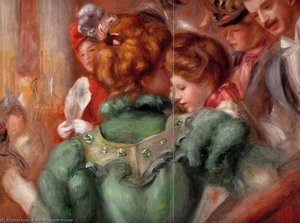
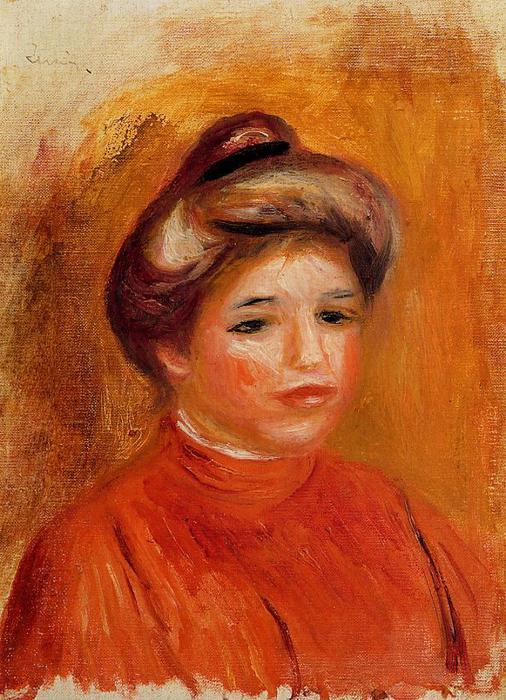
Cabeza de Mujer 6

 Leer más
Giclée / Impresión de arte
Impresiones giclée o en lienzo de calidad de museo con producción rápida y opciones de acabado flexibles. ( Comprar pintura hecha a mano Comprar imagen)




P118B $10

P118H $10

P118W $10

P438Z $10

P508JH $12

P508YH $12

P805H $10

P805Z $10

P919BZ $10

P919G $10

P919XJ $10

P959ZH $10

P968JZ $12

W106C $8

W218G $10

W218JH $8

W218Y $10

W307PJ $10

W316G $10

W316PJ $8

W316Y $10

W398PJ $8

W4111J $10

W500HY $15

W500JH $15

W692G $12

W849H $8

W940BG $15

W953PJ $8




Elija entre nuestros tamaños predefinidos que respetan las proporciones originales de la obra.

Puede introducir sus propias dimensiones para adaptarse a un marco o espacio específico. Si el tamaño seleccionado no coincide con las proporciones de la imagen original, recortaremos la obra de arte o extenderemos la imagen con un borde con efecto espejo o de color sólido. Se enviará una maqueta digital para su aprobación antes de que comience la producción.
Tenga en cuenta que la vista previa en pantalla no refleja el recorte o la extensión real. Solo la maqueta mostrará con precisión la composición final.
Aunque existen tamaños personalizados, recomendamos seleccionar una dimensión de la lista predefinida para preservar las proporciones originales.
Envío a todo el mundo () en 2 semanas en lugar de las 4/5 semanas estándar. (13 agosto)

Envío exprés gratuito a todo el mundo

Lienzo de lino de alta calidad

Seguro de envío completo

Garantía de reembolso de aranceles aduaneros

Garantía de fidelidad cromática exacta

Política de devolución de 60 días (solo por defectos)

Garantía de devolución del 100% del dinero

Oferta por volumen
 La opción de vidrio solo está disponible en tamaños inferiores a 110 cm.

Cabeza de Mujer 6
Giclée / Impresión de arte
Tamaño de la reproducción
-


Precio total
$ 80
Descripción de la pieza
A Window into Impressionistic Beauty: Exploring Renoir’s “Woman's Head 6”
Pierre-Auguste Renoir’s “Woman’s Head 6,” a captivating portrait rendered in the luminous style of Impressionism, transcends mere representation to capture a fleeting moment of serene contemplation. Painted circa 1885 during his prolific Parisian period, this artwork exemplifies Renoir's masterful command of light and color—elements he honed through meticulous observation of the natural world and unwavering admiration for the artistic legacy of Old Masters like Rembrandt and Velázquez. The painting depicts a woman with chestnut hair elegantly styled in a ponytail, gazing directly at the viewer with an expression that speaks volumes about inner peace and quiet confidence. Her gaze is framed by soft shadows, enhancing the sense of depth and dimensionality achieved through Renoir’s innovative brushstrokes—a technique characterized by layering thin glazes of pigment to create shimmering surfaces that capture the subtleties of light and atmosphere.The Impressionistic Technique: Light as Subject Matter
Renoir's approach to painting departed significantly from academic conventions prevalent at the time, prioritizing sensory experience over precise anatomical detail. Like Monet and Sisley, he embraced plein air painting—working outdoors directly before his easel—allowing him to capture the ephemeral qualities of sunlight and its impact on color. The dominant hue in “Woman’s Head 6” is a warm yellow, skillfully blended with shades of peach and cream, which radiates outwards from the woman's face, illuminating her skin tones and creating an inviting visual environment. Renoir achieved this effect by applying paint in broken strokes—short, irregular marks that blend together optically rather than merging physically—a technique that mimics the way light scatters through air and reflects off surfaces. This deliberate disregard for traditional perspective contributes to the painting’s dreamlike atmosphere and invites viewers to immerse themselves in its radiant beauty.Symbolism Within Impressionistic Vision
Beyond its technical brilliance, “Woman's Head 6” possesses a subtle symbolic resonance reflecting Renoir’s fascination with femininity and idealized beauty—themes recurrent throughout his oeuvre. The woman’s pose—seated calmly, her eyes fixed on the viewer—suggests introspection and receptiveness, embodying qualities valued during the Belle Époque era. Furthermore, the choice of yellow as a dominant color carries connotations of optimism, warmth, and enlightenment, aligning with Renoir's broader artistic philosophy centered on capturing the joyous spirit of life. The artist’s meticulous attention to detail—particularly in rendering the woman’s eyes—underscores his belief that art should strive to convey emotion and psychological depth.Historical Context: Parisian Artistic Innovation
“Woman’s Head 6” emerged during a period of unprecedented artistic experimentation in Paris, where Impressionists challenged established norms and championed new approaches to painting. Artists like Renoir, Monet, Sisley, Degas, and Cézanne rejected the rigid formalism of academic art academies, advocating instead for direct observation of nature and expressive brushwork—a revolutionary shift that fundamentally altered the course of Western art history. This artwork stands as a testament to Renoir’s contribution to this transformative movement, securing his place among the most influential painters of the 19th century and establishing Impressionism as one of the defining styles of its time.Emotional Resonance: Capturing Transient Beauty
Ultimately, “Woman's Head 6” succeeds in conveying a profound sense of serenity and grace—a testament to Renoir’s ability to distill complex emotions into visual form. The painting invites contemplation and encourages viewers to appreciate the fleeting beauty of everyday life, mirroring Renoir’s own artistic vision as he sought to capture the essence of human experience through luminous color and evocative brushstrokes. Its enduring appeal lies in its capacity to evoke feelings of warmth, tranquility, and admiration for feminine grace—qualities that continue to resonate with audiences today.Biografía del artista
vida temprana y carrera
pierre-auguste renoir, un artista francés fundamental, nació el 25 de febrero de 1841 en Limoges, Francia. Jugó un papel crucial a la hora de dar forma al movimiento impresionista, conocido por su luz vibrante y sus colores saturados. La obra de Renoir celebraba la belleza, particularmente la sensualidad femenina, colocándolo en una línea de artistas que se extendía desde Rubens hasta Watteau.legado artístico
El legado de Renoir se extendió más allá de su lienzo, como patriarca de una familia donde el arte florecía en diversas formas. Sus hijos, pierre renoir (1885–1952), el cineasta jean renoir (1894–1979) y el artista ceramista claude renoir (1901–1969), cada uno hizo contribuciones significativas en sus campos. Su nieto, el cineasta claude renoir (1913–1993), avanzó aún más la herencia artística de la familia.obras notables y museos
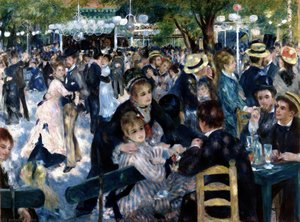
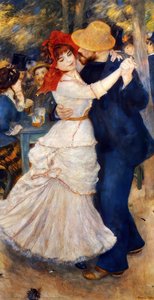
* dance at bougival, una pintura notable de Renoir, muestra su dominio para capturar la esencia del arte impresionista. * El musée des collettes, ubicado en Cagnes-sur-Mer, Francia, es un destino imprescindible para los amantes del arte. Este museo, que fue la casa de Pierre-Auguste Renoir, sirve como testimonio de su vida y obra, alberga quince de sus pinturas. * El musée maurice denis, otra joya oculta en Francia, presenta una impresionante colección de pinturas postimpresionistas franceses de finales del siglo XIX y principios del siglo XX.explora el arte de Renoir con OriginalUniqueArt
- Descubre el encanto del musée des collettes (Francia) y su arte impresionista en OriginalUniqueArt: [https://OriginalUniqueArt.com/@@/a@d3aupf](https://OriginalUniqueArt.com/@@/a@d3aupf)
- Explora las maravillas del musée maurice denis (Francia) con OriginalUniqueArt: /es/art/show/art-d3aue3-es/
- Visualiza las pinturas de Renoir, incluyendo dance at bougival, en OriginalUniqueArt: [https://OriginalUniqueArt.com/@/pierre-auguste renoir](https://OriginalUniqueArt.com/@/pierre-auguste%20renoir)
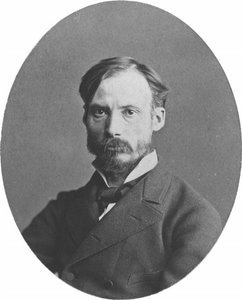
Pierre-Auguste Renoir
1841 - 1919 , Francia
Datos clave
- Artistas Que Influyeron:
- Rubens
- Watteau
- Camille Pissarro
- Édouard Manet
- Fecha De Fallecimiento: 3 de diciembre de 1919
- Fecha De Nacimiento: 25 de febrero de 1841
- Lugar De Nacimiento: Limoges, Francia
- Movimiento Artístico: Impresionismo
- Nacionalidad: Francés
- Nombre Completo: Pierre-Auguste Renoir
- Obras Notables:
- Baile en Bougival
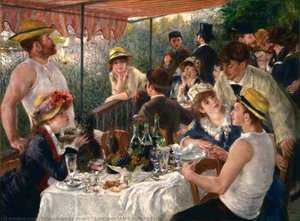
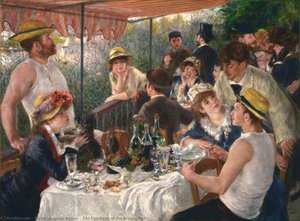
- Almuerzo de la fiesta de remo
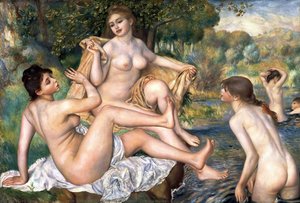
- Los grandes bañistas
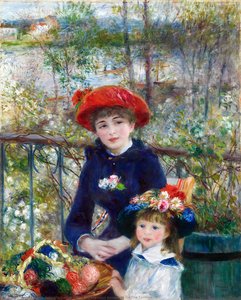
- Dos hermanas
- Jóvenes tocando el piano
Artículos relacionados
Renoir: Las 25 Obras Maestras del Impresionismo para Decorar tu Hogar con Arte
Descubre las 25 obras maestras de Renoir, el rey del impresionismo. Explora su técnica, historia y significado en cada pintura. Encuentra reproducciones de arte de alta calidad para decorar tu hogar con OriginalUniqueArt.com.

Crimson Threads of Narrative: Exploring Symbolism & Representation in Artworks Featuring the Red Dress
Explore the rich symbolism of the red dress in art history! From ancient power displays to iconic portraits like Cézanne’s 'Madame Cezanne', discover the cultural and artistic significance behind this captivating color. Expert analysis & insights.
Los 10 Maestros Impresionistas que Revolucionaron el Arte | OriginalUniqueArt
Descubre los 10 cuadros impresionistas más influyentes de Monet, Renoir y Degas. Explora la historia, técnica y belleza de este movimiento artístico. Reproducciones de arte en OriginalUniqueArt.com para decorar tu hogar con estilo.
The Golden Hue: Exploring Symbolism & Emotion in Yellow Art
Explore the rich symbolism & emotional power of yellow in art history! From Van Gogh to Kandinsky, discover how artists used this vibrant hue. Expert analysis & high-quality reproductions at OriginalUniqueArt.
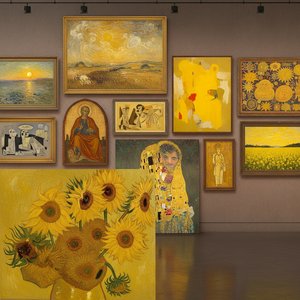
Los 10 cuadros más famosos dominados por el 'amarillo cromo': Arte y decoración
Descubre los 10 cuadros más emblemáticos dominados por el 'amarillo cromo': Van Gogh, Monet y otros maestros. Historia del arte, técnicas y decoración con lienzos impresionistas. ¡Explora la colección completa en OriginalUniqueArt.com!