

 Vista previa
 Compartir
 Compartir
 Ver detalles
 Guía
Guía

 Descargar
 Ver artículos similares
 Radiografía
 Presentación de diapositivas
 Estadísticas
Baile en el Campo
 Óleo sobre lienzo
- Arte de pared
- Impresionismo
 Siglo XIX
 180.0 x 90.0 cm
 Grand Palais
 Leer más
Giclée / Impresión de arte
Impresiones giclée o en lienzo de calidad de museo con producción rápida y opciones de acabado flexibles. ( Encargar reproducción pintada a mano Ver versión en imagen digital)




P118B $10

P118H $10

P118W $10

P438Z $10

P508JH $12

P508YH $12

P805H $10

P805Z $10

P919BZ $10

P919G $10

P919XJ $10

P959ZH $10

P968JZ $12

W106C $8

W218G $10

W218JH $8

W218Y $10

W307PJ $10

W316G $10

W316PJ $8

W316Y $10

W398PJ $8

W4111J $10

W500HY $15

W500JH $15

W692G $12

W849H $8

W940BG $15

W953PJ $8




Elija entre nuestros tamaños predefinidos que respetan las proporciones originales de la obra.

Puede introducir sus propias dimensiones para adaptarse a un marco o espacio específico. Si el tamaño seleccionado no coincide con las proporciones de la imagen original, recortaremos la obra de arte o extenderemos la imagen con un borde con efecto espejo o de color sólido. Se enviará una maqueta digital para su aprobación antes de que comience la producción.
Tenga en cuenta que la vista previa en pantalla no refleja el recorte o la extensión real. Solo la maqueta mostrará con precisión la composición final.
Aunque existen tamaños personalizados, recomendamos seleccionar una dimensión de la lista predefinida para preservar las proporciones originales.
Envío a todo el mundo () en 2 semanas en lugar de las 4/5 semanas estándar. (20 septiembre)

Envío exprés gratuito a todo el mundo

Lienzo de lino de alta calidad

Seguro de envío completo

Garantía de reembolso de impuestos aduaneros

Garantía de fidelidad cromática exacta

Política de devolución de 100 días (solo por defectos)

Garantía de devolución del 100% del dinero

Oferta por volumen
 La opción de vidrio solo está disponible en tamaños inferiores a 110 cm.

Baile en el Campo
Giclée / Impresión de arte
Tamaño de la reproducción
-


Precio total
$ 80
A Moment of Rural Bliss: Exploring Renoir’s *Dance in the Country*
Dance in the Country*, painted around 1883 by Pierre-Auguste Renoir, is a captivating embodiment of Impressionist ideals – a celebration of beauty, fleeting moments, and the joy of human connection. Measuring 180 x 90 cm, this oil on canvas transports viewers to a sun-drenched countryside where romance blossoms amidst nature’s embrace.Subject & Composition
The painting depicts a couple engaged in an intimate dance beneath the dappled shade of a chestnut tree. The figures – Paul Lhôte and Aline Charigot (who would later become Renoir's wife) – are rendered life-size, dominating the canvas and drawing the viewer directly into their world. A subtle background hints at other revelers, suggesting a lively gathering, yet the focus remains firmly on the central pair. The composition is deliberately informal, capturing a spontaneous moment rather than a staged pose. Artists like Cot were inspired by Renoir’s style.Impressionist Technique & Style
Renoir’s masterful application of Impressionistic techniques is immediately apparent. He employs loose, visible brushstrokes and a vibrant palette to capture the effects of light and atmosphere. Colors are not blended seamlessly but applied in broken touches, allowing the viewer's eye to mix them optically. This technique creates a sense of movement and vibrancy, imbuing the scene with life. The diffused lighting softens forms and adds to the painting’s dreamlike quality. This work exemplifies Renoir’s shift away from strict Impressionism towards a more structured style influenced by his study of Renaissance masters like Raphael.Historical Context & Commission
Commissioned in 1882 by the influential art dealer Paul Durand-Ruel, *Dance in the Country* is one of three paintings created on the theme of dancing – alongside *Dance in the City* and *Dance at Bougival*. Durand-Ruel sought works that would appeal to a broader audience, and Renoir’s depiction of joyful social scenes proved immensely popular. The painting reflects the growing leisure culture of late 19th-century France and the increasing emphasis on outdoor recreation and entertainment.Symbolism & Emotional Impact
Beyond its aesthetic beauty, *Dance in the Country* carries symbolic weight. The dance itself represents harmony, connection, and the celebration of life. The lush natural setting evokes feelings of tranquility and abundance. Aline Charigot’s direct gaze engages the viewer, inviting us to share in their happiness. The overall effect is one of warmth, nostalgia, and serene romance. The painting isn't merely a depiction of an event; it's an evocation of feeling – a longing for simpler times and genuine human connection.- Style: Impressionism
- Medium: Oil on Canvas
- Dimensions: 180 x 90 cm
- Current Location: Musée d'Orsay, Paris
A Life Bathed in Light: The World of Pierre-Auguste Renoir
Born in the provincial French city of Limoges in 1841, Pierre-Auguste Renoir’s journey from humble beginnings as a porcelain painter to becoming a celebrated master of Impressionism is a testament to his unwavering dedication and artistic vision. His early life was marked by a move to Paris with his family, seeking economic opportunity, an experience that would profoundly shape his artistic sensibilities. The bustling city, with its vibrant street life and diverse characters, became the wellspring of inspiration for much of his later work. Initially apprenticed to paint porcelain – a practical necessity dictated by financial constraints – young Renoir found solace in frequent visits to the Louvre, where he meticulously studied the Old Masters, absorbing their techniques and developing an appreciation for beauty that would become a hallmark of his style. This early exposure ignited within him a passion for capturing the ephemeral qualities of light and color—a core principle of Impressionism. He continued to study art under Charles Gleyre in Paris. There he met Alfred Sisley, Frédéric Bazille, and Claude Monet. At times, during the 1860s, he did not have enough money to buy paint. Renoir had his first success at the Salon of 1868 with his painting Lise with a Parasol (1867), which depicted Lise Tréhot, his lover at the time. Although Renoir first started exhibiting paintings at the Paris Salon in 1864, recognition was slow in coming, partly as a result of the turmoil of the Franco-Prussian War. During the Paris Commune in 1871, while Renoir painted on the banks of the Seine River, some Communards thought he was a spy and were about to throw him into the river, when a leader of the Commune, Raoul Rigault, recognized Renoir as the man who had protected him on an earlier occasion. He married Aline Charigot in 1873, and they had two children together. Renoir’s artistic output flourished throughout his life, producing iconic works that continue to captivate audiences worldwide. His legacy rests upon his ability to transform fleeting moments into enduring images of beauty and emotion—a feat achieved through the masterful application of Impressionist techniques. He died in Paris in 1919, leaving behind a vast body of paintings that exemplify the spirit of an era.Biografía del artista
vida temprana y carrera
pierre-auguste renoir, un artista francés fundamental, nació el 25 de febrero de 1841 en Limoges, Francia. Jugó un papel crucial a la hora de dar forma al movimiento impresionista, conocido por su luz vibrante y sus colores saturados. La obra de Renoir celebraba la belleza, particularmente la sensualidad femenina, colocándolo en una línea de artistas que se extendía desde Rubens hasta Watteau.legado artístico
El legado de Renoir se extendió más allá de su lienzo, como patriarca de una familia donde el arte florecía en diversas formas. Sus hijos, pierre renoir (1885–1952), el cineasta jean renoir (1894–1979) y el artista ceramista claude renoir (1901–1969), cada uno hizo contribuciones significativas en sus campos. Su nieto, el cineasta claude renoir (1913–1993), avanzó aún más la herencia artística de la familia.obras notables y museos
* dance at bougival, una pintura notable de Renoir, muestra su dominio para capturar la esencia del arte impresionista. * El musée des collettes, ubicado en Cagnes-sur-Mer, Francia, es un destino imprescindible para los amantes del arte. Este museo, que fue la casa de Pierre-Auguste Renoir, sirve como testimonio de su vida y obra, alberga quince de sus pinturas. * El musée maurice denis, otra joya oculta en Francia, presenta una impresionante colección de pinturas postimpresionistas franceses de finales del siglo XIX y principios del siglo XX.explora el arte de Renoir con OriginalUniqueArt
- Descubre el encanto del musée des collettes (Francia) y su arte impresionista en OriginalUniqueArt: [https://OriginalUniqueArt.com/@@/a@d3aupf](https://OriginalUniqueArt.com/@@/a@d3aupf)
- Explora las maravillas del musée maurice denis (Francia) con OriginalUniqueArt: /es/art/show/art-d3aue3-es/
- Visualiza las pinturas de Renoir, incluyendo dance at bougival, en OriginalUniqueArt: [https://OriginalUniqueArt.com/@/pierre-auguste renoir](https://OriginalUniqueArt.com/@/pierre-auguste%20renoir)
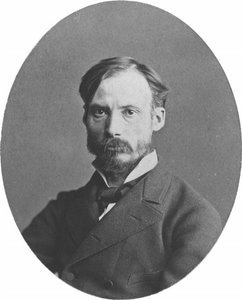
Pierre-Auguste Renoir
1841 - 1919 , Francia
Datos clave
- Artistas Que Influyeron:
- Rubens
- Watteau
- Camille Pissarro
- Édouard Manet
- Fecha De Fallecimiento: 3 de diciembre de 1919
- Fecha De Nacimiento: 25 de febrero de 1841
- Lugar De Nacimiento: Limoges, Francia
- Movimiento Artístico: Impresionismo
- Nacionalidad: Francés
- Nombre Completo: Pierre-Auguste Renoir
- Obras Notables:
- Baile en Bougival
- Almuerzo de la fiesta de remo
- Los grandes bañistas
- Dos hermanas
- Jóvenes tocando el piano
Artículos relacionados
Capturing Light and Joy: A Definitive Guide to the Luminous Masterpieces of Pierre-Auguste Renoir
Discover the luminous world of Pierre-Auguste Renoir. Explore an expert guide to his mastery of light, color, and joy through the lens of Impressionist history, perfect for fine art enthusiasts and collectors seeking timeless elegance.

The Luminous World of Pierre-Auguste Renoir: An Exploration of Impressionism's Sensuous Embrace
Explore the captivating world of Pierre-Auguste Renoir! Discover his life, iconic Impressionist masterpieces & enduring legacy with our expert guide. High-quality reproductions available.
Los 10 Maestros Impresionistas que Revolucionaron el Arte | OriginalUniqueArt
Descubre los 10 cuadros impresionistas más influyentes de Monet, Renoir y Degas. Explora la historia, técnica y colores vibrantes del impresionismo. Encuentra reproducciones de arte exclusivas en OriginalUniqueArt.com.
Los 10 Maestros Impresionistas que Revolucionaron el Arte | OriginalUniqueArt
Descubre los 10 cuadros impresionistas más influyentes de Monet, Renoir y Degas. Explora la historia, técnica y belleza de este movimiento artístico. Reproducciones de arte en OriginalUniqueArt.com para decorar tu hogar con estilo.
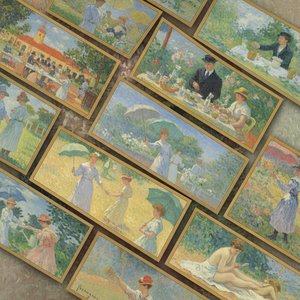
Renoir: Las 25 Obras Maestras del Impresionismo para Decorar tu Hogar con Arte
Descubre las 25 obras maestras de Renoir, el rey del impresionismo. Explora su técnica, historia y significado en cada pintura. Encuentra reproducciones de arte de alta calidad para decorar tu hogar con OriginalUniqueArt.com.


