- Inicio

- Reproducción al óleo
- Philips Wouwermans
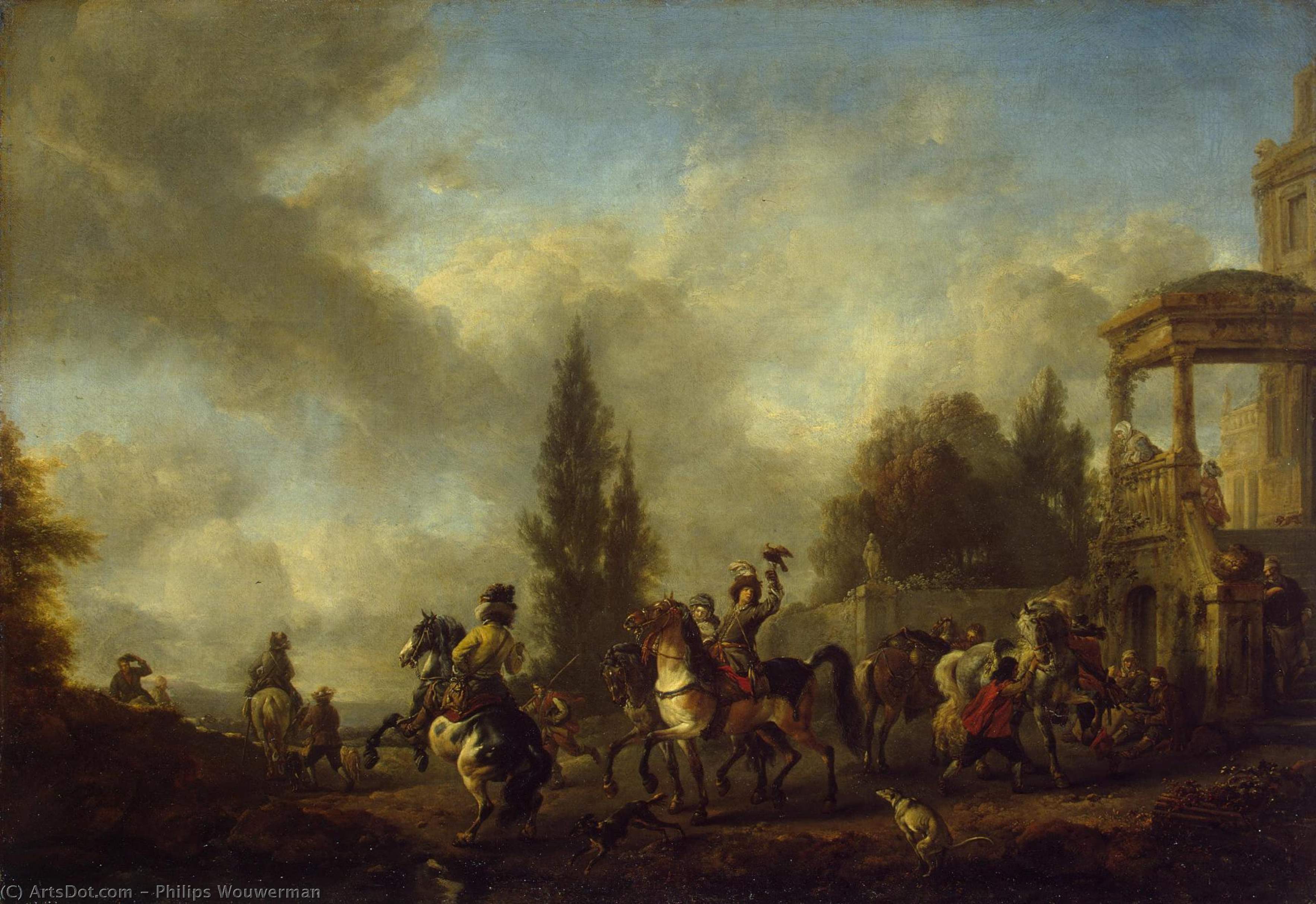
- Huntsmen Setting Out
 Vista previa
 Compartir
 Compartir
 Ver detalles

 Descargar
 Ver similares
 Radiografía
 Presentación automática
Huntsmen Setting Out
 Oil On Canvas
- WallArt
- Baroque Painting
 55.0 x 80.0 cm
 Museo del Hermitage
 Leer más
Reproducción al óleo hecha a mano
Óleo sobre lienzo pintado a mano en el tamaño y marco de su elección, realizado por encargo por nuestros artistas. ( Cambiar a impresión Cambiar a imagen)




P118B $10

P118H $10

P118W $10

P438Z $10

P508JH $12

P508YH $12

P805H $10

P805Z $10

P919BZ $10

P919G $10

P919XJ $10

P959ZH $10

P968JZ $12

W106C $8

W218G $10

W218JH $8

W218Y $10

W307PJ $10

W316G $10

W316PJ $8

W316Y $10

W398PJ $8

W4111J $10

W500HY $15

W500JH $15

W692G $12

W849H $8

W940BG $15

W953PJ $8




Elija entre nuestros tamaños predefinidos que respetan las proporciones originales de la obra.

Puede ingresar sus propias dimensiones para adaptarse a un marco o espacio específico. Si el tamaño seleccionado no coincide con las proporciones de la imagen original, recortaremos la obra o extenderemos la pintura con elementos adicionales pintados a mano. Se le enviará una maqueta digital para su aprobación antes de comenzar la producción.
Tenga en cuenta que la vista previa en pantalla no refleja el recorte o la extensión reales. Solo la maqueta mostrará con precisión la composición final.
Si bien existen tamaños personalizados, recomendamos seleccionar una dimensión de la lista predefinida para preservar las proporciones originales.
Tras realizar el pedido, el equipo de OriginalUniqueArt.com enviará un correo electrónico al cliente para solicitar instrucciones y proporcionarle una vista previa del boceto.
Entrega mundial () en 3-4 semanas en lugar de las 5 semanas estándar. (31 julio). Sin compromisos con la calidad.

Envío exprés gratuito a todo el mundo

Lienzo de lino de alta calidad

Seguro de envío completo

Garantía de reembolso de aranceles aduaneros

Garantía de fidelidad cromática exacta

Política de devolución de 60 días (solo por defectos)

Garantía de devolución del 100% del dinero

Oferta por volumen
 La opción de vidrio solo está disponible en tamaños inferiores a 110 cm.

Huntsmen Setting Out
Técnica de reproducción
Tamaño de la reproducción
-


Precio total
$ 300
Descripción de la obra
Philips Wouwerman’s “Huntsmen Setting Out”: A Dutch Golden Age Masterpiece
“Huntsmen Setting Out,” painted by Philips Wouwerman around 1665, is more than just a hunting scene; it's a meticulously crafted tableau of aristocratic leisure and the vibrant energy of the Dutch Golden Age. This oil on canvas, currently residing in the Hermitage Museum in St. Petersburg, Russia – a testament to its enduring appeal – offers a captivating glimpse into the lives of the wealthy elite and their elaborate pursuits. Wouwerman, a prolific artist known for his dynamic depictions of hunting, landscapes, and battle scenes, masterfully captures a fleeting moment of preparation before the chase, imbuing it with a sense of movement, drama, and subtle social commentary.
A Symphony of Light and Movement
Wouwerman’s technique is immediately striking. The painting pulsates with life through his masterful use of light and shadow – a hallmark of Baroque art that he expertly employs to create depth and drama. Notice how the sunlight, seemingly originating from an unseen source, illuminates the hunters' attire, highlighting the rich textures of their coats and the gleam of their weapons. Conversely, areas in shadow suggest the cool air and impending darkness of the forest. The composition itself is a carefully orchestrated dance of movement; horses gallop forward with powerful strides, hounds strain at their leashes, and riders gesture excitedly, all contributing to an overwhelming sense of kinetic energy. The artist’s attention to detail is remarkable – from the individual strands of hair on the hunters' heads to the intricate patterns on their clothing, every element feels deliberately placed.
Symbolism and Social Commentary
Beyond its technical brilliance, “Huntsmen Setting Out” carries layers of symbolic meaning. The scene depicts a hunt, a pastime deeply intertwined with aristocratic status in 17th-century Holland. The lavish attire of the hunters – their elaborate coats, feathered hats, and finely crafted weapons – clearly signal their wealth and privilege. However, Wouwerman subtly introduces an element of social critique through the inclusion of a beggar at the bottom left corner of the painting. This figure, starkly contrasting with the opulent setting, serves as a poignant reminder of the vast disparity between the wealthy elite and the less fortunate. The hermit on the hillside further emphasizes this contrast, representing a moral counterpoint to the aristocratic pursuit of pleasure.
Historical Context: The Dutch Golden Age
To fully appreciate “Huntsmen Setting Out,” it’s crucial to understand the historical context in which it was created – the Dutch Golden Age. This period, spanning roughly from the mid-16th to the early 18th centuries, witnessed an unprecedented flourishing of art, science, and commerce in the Netherlands. Philips Wouwerman thrived during this era, becoming one of its most celebrated artists. His works reflect the values and sensibilities of the time – a fascination with realism, a celebration of human activity, and a keen awareness of social dynamics. The painting’s presence in the Hermitage Museum underscores its significance as a key example of Dutch Golden Age art, offering a window into the lives and aspirations of a remarkable era.
Bringing Wouwerman Home: High-Quality Reproductions
Experience the timeless beauty of “Huntsmen Setting Out” in stunning detail with our meticulously crafted oil painting reproductions. Each reproduction is hand-painted by skilled artists using archival-quality materials, ensuring that every brushstroke and color nuance faithfully captures the original’s artistry. Available in a range of sizes to suit your space and budget, these reproductions are an exquisite addition to any home or office – a vibrant reminder of the artistic brilliance of Philips Wouwerman and the captivating spirit of the Dutch Golden Age. Explore our collection at OriginalUniqueArt.com and discover how you can bring this masterpiece into your life.
Biografía del artista
Philips Wouwerman: Una Vida en el Siglo de Oro Neerlandés
- Nacido: Haarlem, Países Bajos (1619)
- Fallecido: 1668
Philips Wouwerman (bautizado el 24 de mayo de 1619 – fallecido el 19 de mayo de 1668) fue un pintor holandés muy prolífico y versátil, reconocido por sus representaciones de escenas de caza, paisajes y escenas de batalla. Se erige como una figura significativa dentro del panorama artístico del Siglo de Oro Neerlandés.
Vida Temprana y Formación
Nacido en Haarlem, Países Bajos, Philips Wouwerman era hijo de Pouwels Joostsz Wouwerman, también pintor, aunque menos conocido que su hijo. Los detalles sobre su temprana formación artística son algo escasos. Sin embargo, se cree que estudió bajo la tutela de Frans Hals (1581/85–1666), un prominente retratista de Haarlem. Si bien el estilo distintivo de Hals no influyó fuertemente en la obra madura de Wouwerman, la formación fundamental probablemente demostró ser invaluable. Al principio de su carrera, Wouwerman fue influenciado por la tradición *bamboccianti*, particularmente por las obras de Pieter van Laer (1592/99–después de 1642), adoptando su enfoque en la vida cotidiana y las escenas de género.
Desarrollo Artístico y Estilo
- Influencias Tempranas: Imitando inicialmente a los pintores *bamboccianti*, las primeras obras de Wouwerman presentaban representaciones de la vida diaria.
- Estilo Emergente (Mediados de la década de 1640): Surgió un elemento compositivo característico: una pendiente diagonal del terreno, a menudo acompañada por un árbol que actúa como repoussoir (un dispositivo utilizado para crear profundidad). Figuras, frecuentemente acompañadas de caballos, poblaban estas escenas.
- Período Maduro (c. 1650-1660): Wouwerman desarrolló su propio estilo individual, ampliando considerablemente su temática. Pintó escenas de género, paisajes con viajeros, batallas de caballería, campamentos militares y reuniones festivas de campesinos.
- Dominio del Caballo: Wouwerman es particularmente celebrado por su excepcional habilidad para representar caballos de diversas razas en movimiento dinámico. El historiador del arte Frederik J. Duparc ha llamado famosamente a Wouwerman "indudablemente el pintor holandés más logrado y exitoso del siglo XVII de caballos".
- Características Distintivas: Sus pinturas se caracterizan por colores apagados, una atmósfera fresca y una atención meticulosa al detalle, creando narrativas ingeniosas y anecdóticas dentro de sus escenas. A menudo combinaba paisajes imaginarios del sur con un ambiente distintivamente holandés.
Logros Mayores y Legado
Las obras de Wouwerman fueron muy solicitadas durante su vida y continuaron ganando popularidad en el siglo XVIII. Sus pinturas encontraron su camino hacia colecciones prominentes en toda Europa, incluyendo las de casas principescas en Dresde y San Petersburgo, demostrando una admiración generalizada por su arte.
- Producción Prolífica: Wouwerman fue notablemente prolífico; los catálogos tempranos enumeraban alrededor de 800 obras atribuidas a él, superando posteriormente las 1200. Un catálogo raisonné más reciente (Schumacher, 2006) identifica aproximadamente 570 obras auténticas, reconociendo los numerosos seguidores e imitadores que produjeron obras en su estilo.
- Familia de Artistas: Sus hermanos, Jan (1629–1666) y Pieter (1623–1682), también fueron pintores, a menudo inicialmente atribuidos a Philips. Si bien la obra de Pieter reflejaba claramente la influencia de Philips, desarrolló un estilo distintivo. Jan fue reconocido como un pintor paisajista más autónomo.
- Influencia en Artistas Posteriores: El estilo de Wouwerman influyó en numerosos artistas, incluyendo Jan van Huchtenburgh (1647–1733), los hermanos Jan Frans y Joseph van Bredael (1688–1739) y Carel van Falens (1683–1733).
- Membresía de la Cofradía y Rol Cívico: Fue miembro de la Cofradía de San Lucas de Haarlem, ocupando varios cargos oficiales dentro de ella. Más allá de sus actividades artísticas, Wouwerman también sirvió como agente inmobiliario en Haarlem, lo que refleja su participación en la vida cívica.
Significado Histórico
La contribución de Philips Wouwerman al Siglo de Oro Neerlandés radica en su capacidad para capturar una amplia gama de escenas – desde bulliciosos mercados y expediciones de caza hasta campos de batalla dramáticos y paisajes tranquilos – con un detalle y dinamismo notables. Su dominio en la representación de caballos, combinado con su agudo ojo para el relato anecdótico, consolidó su lugar como uno de los pintores más celebrados e influyentes de su tiempo. Una exposición retrospectiva en Kassel y La Haya (2009/2010) destacó aún más su legado perdurable.

Philips Wouwermans
1619 - 1668 , Países Bajos
Datos clave
- Artistas Influenciados:
- Jan van Huchtenburgh
- Joseph van Bredael
- Carel van Falens
- Artistas Que Influyeron:
- Pieter van Laer
- Frans Hals
- Jan Wijnants
- Fecha De Fallecimiento: 19 de mayo de 1668
- Fecha De Nacimiento: 24 de mayo de 1619
- Lugar De Nacimiento: Haarlem, Países Bajos
- Movimiento Artístico: Edad de Oro Neerlandesa
- Nacionalidad: Neerlandés
- Nombre Completo: Philips Wouwerman
- Obras Notables:
- Dos Caballos
- Jinetes en campamento gitano
- Paisaje costero invernal
- Mercado con caballos
- Campo militar cerca de un campamento
Artículos relacionados

Los 10 Maestros del Siglo de Oro Holandés: Arte, Historia y Decoración Exclusiva
Descubre los 10 imprescindibles del Siglo de Oro Holandés: Rembrandt, Vermeer y más. Explora la historia, técnica y belleza de estos lienzos clásicos. Encuentra reproducciones de arte exclusivas para decorar tu hogar en .

Reflejos de una Época Dorada: La Pintura Barroca Holandesa y la Innovación Cultural
Descubra la riqueza y el detalle de la pintura barroca holandesa del Siglo de Oro. Explore las obras maestras de Rembrandt, Vermeer y otros artistas clave. Análisis experto e historia cultural.
Charles Leickert: Capturing the Dutch Golden Age Light – A Comprehensive Study of Technique, Context, and Legacy
Explore the captivating winter landscapes of Charles Leickert, a master of Dutch Golden Age light & atmosphere. Discover his techniques, symbolism, and lasting legacy – a comprehensive study for art enthusiasts and collectors.

La Luz y la República: Innovación Artística en el Siglo de Oro Neerlandés
Descubra la innovación artística del Siglo de Oro Neerlandés. Explore las obras maestras de Rembrandt y Vermeer, técnicas revolucionarias y el legado perdurable de este florecimiento cultural. ¡Sumérjase en la luz y la belleza!
Illuminating Realism: Exploring the Dutch Golden Age of Painting (1600-1700)
Explore the Dutch Golden Age of painting (1600-1700) with OriginalUniqueArt. Discover Rembrandt, Vermeer & other masters. Learn about techniques, history & find museum-quality reproductions.



