

 Vista previa
 Compartir
 Compartir
 Ver detalles

 Descargar
 Ver similares
 Radiografía
 Presentación de diapositivas
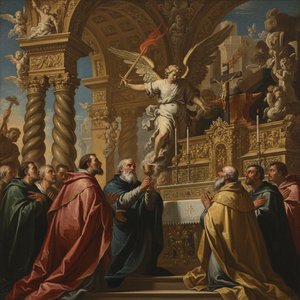
The Penitent Magdalen
 Oil On Canvas
- WallArt
- Baroque
 115.0 x 87.0 cm
 Museo de Bellas Artes (Houston)
 Leer más
Giclée / Impresión de arte
Impresiones giclée o en lienzo de calidad de museo con producción rápida y opciones de acabado flexibles. ( Encargar reproducción pintada a mano Comprar descarga)




P118B $10

P118H $10

P118W $10

P438Z $10

P508JH $12

P508YH $12

P805H $10

P805Z $10

P919BZ $10

P919G $10

P919XJ $10

P959ZH $10

P968JZ $12

W106C $8

W218G $10

W218JH $8

W218Y $10

W307PJ $10

W316G $10

W316PJ $8

W316Y $10

W398PJ $8

W4111J $10

W500HY $15

W500JH $15

W692G $12

W849H $8

W940BG $15

W953PJ $8




Elija entre nuestros tamaños predefinidos que respetan las proporciones originales de la obra.

Puede introducir sus propias dimensiones para adaptarse a un marco o espacio específico. Si el tamaño seleccionado no coincide con las proporciones de la imagen original, recortaremos la obra de arte o extenderemos la imagen con un borde con efecto espejo o de color sólido. Se enviará una maqueta digital para su aprobación antes de que comience la producción.
Tenga en cuenta que la vista previa en pantalla no refleja el recorte o la extensión real. Solo la maqueta mostrará con precisión la composición final.
Aunque existen tamaños personalizados, recomendamos seleccionar una dimensión de la lista predefinida para preservar las proporciones originales.
Envío a todo el mundo () en 2 semanas en lugar de las 4/5 semanas estándar. (22 agosto)

Envío exprés gratuito a todo el mundo

Lienzo de lino de alta calidad

Seguro de envío completo

Garantía de reembolso de aranceles aduaneros

Garantía de fidelidad cromática exacta

Política de devolución de 60 días (solo por defectos)

Garantía de devolución del 100% del dinero

Oferta por volumen
 La opción de vidrio solo está disponible en tamaños inferiores a 110 cm.

The Penitent Magdalen
Giclée / Impresión de arte
Tamaño de la reproducción
-


Precio total
$ 80
Descripción de la pieza
A Portrait of Profound Contemplation
Philippe de Champaigne’s “The Penitent Magdalen” is not merely a depiction of a biblical scene; it's an immersion into the depths of human sorrow, faith, and ultimately, redemption. Painted around 1648 during a period when French art was grappling with the complexities of Jansenism – a devout Catholic movement emphasizing rigorous self-discipline and spiritual introspection – this work transcends simple religious illustration to become a powerful meditation on repentance and inner turmoil. The painting immediately commands attention through its masterful use of chiaroscuro, a technique perfected by de Champaigne himself, where stark contrasts between light and shadow sculpt the figure of Mary Magdalene with an almost sculptural intensity.
The composition is deliberately restrained, focusing entirely on the central figure within a dark, undefined space. This isolation amplifies her vulnerability and intensifies the viewer’s emotional connection. Her posture – arms crossed tightly across her body, head bowed in quiet despair – speaks volumes of past transgressions and present anguish. The subtle details—the delicate folds of her blue garment, the sorrowful curve of her neck, the almost palpable weight of her grief—are rendered with an astonishing level of realism, achieved through meticulous observation and a deep understanding of human anatomy. De Champaigne’s skill lies not just in capturing physical likeness but also in conveying the profound emotional state of his subject.
Symbolism Woven into the Canvas
Beyond its immediate visual impact, “The Penitent Magdalen” is rich with symbolic meaning. The skull, positioned prominently at Mary Magdalene’s feet, serves as a stark reminder of mortality and the consequences of sin. It's not presented in a gruesome or overtly dramatic manner; rather, it exists almost as an understated punctuation mark, emphasizing the fragility of life and the weight of her past actions. The open book, partially visible beneath her arm, represents knowledge, scripture, and the path to spiritual enlightenment – suggesting that repentance is not merely about acknowledging wrongdoing but also about seeking forgiveness and striving for a deeper understanding of faith.
Furthermore, the setting itself contributes significantly to the painting’s symbolic weight. The dark, cavernous space evokes a sense of isolation and introspection, mirroring Mary Magdalene's internal struggle. It’s reminiscent of the grotto where she is believed to have sought refuge after her encounter with Jesus, symbolizing a retreat into solitude for reflection and spiritual renewal. The muted color palette – dominated by blues, browns, and grays – reinforces this atmosphere of solemnity and contemplation.
A Masterpiece of Baroque Emotion
Philippe de Champaigne’s “The Penitent Magdalen” stands as a testament to the power of Baroque art to evoke profound emotional responses. Influenced by his apprenticeship with Nicolas Poussin, he skillfully blended classical compositional principles with a heightened sense of drama and realism. The painting's enduring appeal lies in its ability to resonate with viewers across centuries – a timeless portrayal of human suffering, faith, and the possibility of redemption. It’s a work that invites contemplation, prompting us to consider our own struggles with guilt, forgiveness, and the search for meaning in a world often marked by sorrow.
Originally commissioned for a Parisian convent, this painting served as a visual reminder of the importance of piety and repentance within the religious community. Today, reproductions offer a window into this remarkable work, allowing us to appreciate de Champaigne’s technical brilliance and his profound understanding of the human condition. Its somber beauty continues to captivate and inspire, solidifying its place as a cornerstone of French Baroque art.
Biografía del artista
Philippe de Champaigne: Una Vida en la Pintura Barroca
- Nacido: Bruselas, Países Bajos (1602)
- Fallecido: 1674
Primeros Años y Formación
- Nacido en una familia modesta en Bruselas, Philippe de Champaigne demostró talento artístico desde temprana edad.
- Inicialmente estudió bajo Jacques Fouquieres, un pintor de paisajes, adquiriendo habilidades fundamentales.
- En 1621, se mudó a París, donde fue aprendiz de Nicolas Poussin, una figura significativa en la pintura francesa. Este período fue crucial para desarrollar su comprensión de la composición y el dibujo.
- Su trabajo inicial involucró decorar el Palacio del Luxemburgo bajo Nicolas Duchesne, una experiencia que moldeó su trayectoria artística.
Obras Principales y Estilo Artístico
- Champaigne es reconocido por sus pinturas religiosas y retratos, reflejando los temas dominantes de la era barroca.
- Obras notables incluyen: San Jerónimo en el Desierto, Retrato de Omer Talon, y Moisés Sosteniendo las Tablas de la Ley. Estas piezas demuestran su dominio de la luz, la sombra y la composición dramática.
- Producio numerosas pinturas para la Catedral de Notre Dame, mostrando su capacidad para crear obras a gran escala con detalles intrincados.
- Su serie de retratos del Cardenal Richelieu son particularmente significativos, capturando el poder y la autoridad del influyente estadista. Pintó once retratos de Richelieu con ropas de cardenal, un testimonio de su estrecha relación.
- El estilo de Champaigne se caracteriza por su realismo, intensidad emocional y uso dramático del claroscuro (el contraste entre luz y oscuridad).
Influencia y Legado
- Como miembro fundador de la Académie royale de peinture et de sculpture, Champaigne jugó un papel vital en la configuración de la escena artística francesa. La academia formalizó la formación artística y promovió estándares de excelencia.
- Fue un importante exponente de la escuela francesa de pintura, contribuyendo a sus características distintivas: una mezcla de dinamismo barroco con restricción clásica.
- Su influencia se extendió más allá de su propio tiempo; ayudó a allanar el camino para generaciones posteriores de artistas franceses.
- Las obras de Champaigne se pueden encontrar en prestigiosos museos de todo el mundo, incluyendo el Louvre y la Catedral de Notre Dame, asegurando que su legado continúe inspirando a los amantes del arte.
Años Posteriores y Desarrollo Artístico
- A lo largo de su carrera, el estilo de Champaigne evolucionó, volviéndose cada vez más sombrío e introspectivo, particularmente evidente en sus obras religiosas posteriores.
- Sus representaciones de escenas bíblicas a menudo transmitían una sensación de profunda contemplación espiritual.
- Exploró temas relacionados con el jansenismo, un movimiento teológico católico que enfatizaba la gracia divina y la depravación humana, lo que influyó en el estado de ánimo y el tema de algunas de sus pinturas.
- Jean-Baptiste de Champaigne, su hijo, también se convirtió en pintor, demostrando el compromiso familiar con las actividades artísticas.

Philippe De Champaigne
1602 - 1674 , Países Bajos
Datos clave
- Artistas Que Influyeron: ['Nicolas Poussin']
- Fecha De Fallecimiento: 12 de agosto de 1674
- Fecha De Nacimiento: 26 de mayo de 1602
- Lugar De Nacimiento: Bruselas, Países Bajos
- Movimiento Artístico: Barroco
- Nacionalidad: Francés
- Nombre Completo: Philippe de Champaigne
- Obras Notables:
- San Jerónimo en el desierto
- Retrato de Omer Talon
- Moisés sosteniendo las tablas
Artículos relacionados

Goya: Las 25 Obras Maestras del Genio Español | Reproducciones de Arte en OriginalUniqueArt
Descubre las 25 obras maestras de Goya, el genio español. Explora retratos icónicos, 'Los Caprichos' y 'Las Pinturas Negras'. Reproducciones de arte en lienzo de alta calidad para decorar tu hogar con estilo. ¡Encuentra tu obra favorita en OriginalUniqueArt.com!

The Dramatic Flourish: Exploring the Baroque Movement's Enduring Legacy in Art History
Explore the dramatic world of Baroque art! Discover iconic artists like Caravaggio & Rubens, defining techniques, and its lasting impact on art history. Expert insights for collectors & enthusiasts at OriginalUniqueArt.

Acerca de nosotros
Descubre nuestra historia! Llevamos el arte de clase mundial a tu vida gracias a una selección experta, creaciones personalizadas y vistas previas gratuitas. Aprobado por particulares y empresas desde el año 2000.
The Golden Age Reforged: Dramatic Realism & Religious Zeal in Spanish Baroque Art
Explore the dramatic world of Spanish Baroque art! Discover masters like Zurbarán & the powerful influence of religious zeal on painting techniques – a guide for collectors and enthusiasts.

Barroco Sublime: 10 Obras Maestras que Definieron una Época |
Descubre las 10 obras maestras del Barroco que marcaron una época. Caravaggio, Bernini y Velázquez cobran vida en . Reproducciones de arte de calidad museo para decorar tu hogar con elegancia. ¡Explora la colección online!



