

 Ver en contexto
 Enviar
 Compartir
 Detalles

 Descargar
 Similares
 Radiografía
 Presentación de diapositivas
Pauline Morton Sabin
 Acrylic On Canvas
- WallArt
- Contemporary Realism
 1926
1926- 19th Century
 59.0 x 73.0 cm
 Galería Nacional de Retratos
 Ver más
Giclée / Impresión de arte
Impresiones giclée o en lienzo de calidad de museo con producción rápida y opciones de acabado flexibles. ( Comprar pintura hecha a mano Comprar imagen)




P118B $10

P118H $10

P118W $10

P438Z $10

P508JH $12

P508YH $12

P805H $10

P805Z $10

P919BZ $10

P919G $10

P919XJ $10

P959ZH $10

P968JZ $12

W106C $8

W218G $10

W218JH $8

W218Y $10

W307PJ $10

W316G $10

W316PJ $8

W316Y $10

W398PJ $8

W4111J $10

W500HY $15

W500JH $15

W692G $12

W849H $8

W940BG $15

W953PJ $8




Elija entre nuestros tamaños predefinidos que respetan las proporciones originales de la obra.

Puede introducir sus propias dimensiones para adaptarse a un marco o espacio específico. Si el tamaño seleccionado no coincide con las proporciones de la imagen original, recortaremos la obra de arte o extenderemos la imagen con un borde con efecto espejo o de color sólido. Se enviará una maqueta digital para su aprobación antes de que comience la producción.
Tenga en cuenta que la vista previa en pantalla no refleja el recorte o la extensión real. Solo la maqueta mostrará con precisión la composición final.
Aunque existen tamaños personalizados, recomendamos seleccionar una dimensión de la lista predefinida para preservar las proporciones originales.
Envío a todo el mundo () en 2 semanas en lugar de las 4/5 semanas estándar. (25 agosto)

Envío exprés gratuito a todo el mundo

Lienzo de lino de alta calidad

Seguro de envío total

Garantía de reembolso de impuestos aduaneros

Garantía de fidelidad cromática exacta

Política de devolución de 60 días (solo por defectos)

Garantía de devolución del 100% del dinero

Descuento por cantidad
 La opción de vidrio solo está disponible en tamaños inferiores a 110 cm.

Pauline Morton Sabin
Giclée / Impresión de arte
Dimensiones de la reproducción
-


Precio total final
$ 80
Descripción de la pieza
Pauline Morton Sabin – A Portrait of Elegance in the Jazz Age
Philip Alexius de László’s 1926 painting, “Pauline Morton Sabin,” is more than just a portrait; it's a meticulously crafted snapshot of a moment within the opulent social landscape of the early 20th century. The canvas, measuring 59 x 73 cm, immediately draws the eye to its subject – Pauline Morton Sabin – a woman radiating quiet confidence and understated glamour. De László’s masterful technique, honed through years of studying academic traditions alongside contemporary portraiture trends, results in an image brimming with realism and a palpable sense of atmosphere.
- Subject & Composition: The painting centers on Pauline Sabin, depicted in a pose that suggests both formality and relaxed engagement. Her blonde hair is elegantly styled, complemented by a delicate pearl necklace – a symbol of wealth and status prevalent during this era. The inclusion of the fur coat, a hallmark of fashionable attire at the time, further emphasizes her privileged position.
- The Supporting Figures: Intriguingly, Sabin isn't alone. Two other individuals are present in the scene, positioned on either side of her. Their interaction, whether observation or conversation, adds layers of narrative and invites speculation about the context of this portrait session. This compositional choice elevates the work beyond a simple likeness, hinting at social dynamics and relationships within the elite circles De László frequented.
De László’s Technique: Realism and Atmospheric Depth
De László was renowned for his ability to capture not just physical appearance but also the very essence of his subjects. His technique involved meticulous layering of thin glazes, building up color gradually to achieve a luminous effect – a signature characteristic of his work. This approach is particularly evident in the rendering of Pauline’s skin tones, which possess a remarkable softness and depth. The subtle gradations of light and shadow create an almost three-dimensional quality, drawing the viewer into the scene.
- Brushwork: His brushstrokes are generally smooth and controlled, contributing to the overall sense of realism. However, he skillfully employs variations in pressure and direction to suggest texture – the plushness of the fur coat, the sheen of the pearl necklace, and the delicate flow of her hair.
- Color Palette: The color palette is restrained yet sophisticated, dominated by warm tones—ochres, browns, and creams—that evoke a sense of luxury and refinement. These colors are expertly balanced to create harmony and visual interest.
Historical Context & Symbolism
Painted in 1926, “Pauline Morton Sabin” reflects the vibrant social scene of the Jazz Age. The period was marked by economic prosperity, technological advancements, and a burgeoning fascination with modernity. Portraits like this one were commissioned not just to commemorate individuals but also to solidify their place within the established order. The inclusion of the fur coat, a symbol of wealth and status, underscores the subject's belonging to an elite social class.
- Social Portraiture: De László’s portraits were often commissioned by wealthy families and prominent figures, serving as visual records of their lives and achievements.
- The Role of the Artist: The artist himself played a crucial role in shaping the subject's image, carefully considering pose, expression, and attire to create a portrait that was both flattering and representative of the individual’s character.
Emotional Impact & Artistic Legacy
"Pauline Morton Sabin" transcends a simple depiction of a woman; it is an evocative portrayal of elegance, confidence, and social grace. De László's ability to capture not just physical likeness but also the subtle nuances of personality ensures that this painting continues to resonate with viewers today. This piece exemplifies De László’s enduring legacy as one of the most celebrated portrait painters of his time, a testament to his technical skill, artistic vision, and profound understanding of human character.
Biografía del artista
Philip Alexius de László: Vida y Legado
Primeros Años y Educación
Philip Alexius de László, nacido Fülöp Laub el 30 de abril de 1869 en Budapest, Hungría, surgió de humildes orígenes para convertirse en un celebrado pintor de retratos de la realeza y la aristocracia europea. Sus padres, Adolf y Johanna Laub, eran respectivamente un sastre y costurera, de origen judío. Inicialmente aprendió como fotógrafo mientras perseguía sus estudios artísticos. Obtuvo admisión a la Academia Nacional de Arte en Budapest, donde estudió bajo Bertalan Székely y Károly Lotz. Estudios adicionales en Múnich y París ampliaron sus horizontes artísticos.
Desarrollo Artístico e Influencias
El trabajo temprano de De László demostró un agudo ojo para el detalle y una madurez creciente en la maestría del realismo. Sus influencias incluían las tradiciones académicas que aprendió en la Academia, así como las tendencias predominantes en la pintura de retratos durante la última parte del siglo XIX y principios del XX. Rápidamente se distinguió por su capacidad para captar no solo la semejanza física sino también la personalidad y el estatus social de sus modelos. Un momento decisivo llegó en 1900, cuando su retrato de Pío XII le valió una Medalla de Oro Grande en la Exposición Internacional de París, estableciendo su reputación internacional.
Carrera y Logros Principales
Tras su éxito en París, De László se trasladó a Viena en 1903 y luego se estableció en Londres en 1907, donde permaneció por el resto de su vida. Se convirtió en un pintor de retratos muy solicitado entre la élite europea. Su clientela incluía monarcas, nobles, industriales, científicos y figuras destacadas de diversos campos.
- Modelos Notables: Sir Alfred East, Winifred Cavendish-Bentinck (Duquesa de Portland), Lady Louise Mountbatten (Reina de Suecia), Vita Sackville-West, Pío XII, Augusta Victoria (Emperatriz Alemana), Princesa Alicia de Battenberg y muchos otros.
- Honores y Reconocimientos: Investido como Miembro del Orden Victoriano Real (MVO) por Eduardo VII en 1909. Ennoblado por el Rey Francisco José I de Hungría en 1912, adoptando el nombre “de László de Lombos.”
Vida Personal y Desafíos
En 1900, De László se casó con Lucy Madeleine Guinness, miembro de la prominente familia bancaria. Tuvieron seis hijos y diecisiete nietos. Se bautizó en la Iglesia Anglicana tras su matrimonio después de un interés previo en el catolicismo. A pesar de su ciudadanía británica y su vida establecida en Inglaterra, fue internado durante la Primera Guerra Mundial (1917-1918) debido a sospechas sobre sus conexiones austriacas, un período de significativa dificultad.
Estilo Artístico y Temas
El estilo de De László se caracteriza por su realismo, detalle meticuloso y vibrante paleta de colores. Era hábil para captar las texturas de los tejidos, la joyería y los tonos de piel. Sus retratos a menudo transmiten una sensación de elegancia, sofisticación y estatus social. Si bien es principalmente conocido por el retrato, también creó paisajes y escenas de género.
Significado Histórico y Legado
La obra de Philip de László proporciona valiosas perspectivas sobre las vidas y la apariencia de la alta sociedad europea durante la última parte del siglo XIX y principios del XX. Sus retratos sirven como documentos históricos, capturando una época específica y sus dinámicas sociales. Aunque a veces se critica por ser principalmente un pintor de retratos de la sociedad, su habilidad técnica y su capacidad para captar el carácter son innegables. Su obra comprende casi 4.000 obras, incluyendo dibujos, y un catálogo razonado está en progreso. Falleció el 22 de noviembre de 1937 en Londres, dejando atrás un legado perdurable como uno de los principales pintores de retratos de su tiempo.

philip alexius de lászló
1869 - 1937 , Hungría
Datos clave
- Artistic Movement Or Style: Realismo, Retrato
- Artists Who Influenced This Artist:
- Bertalan Székely
- Károly Lotz
- Date Of Birth: 1869
- Full Name: Philip Alexius László de Lombos
- Nationality: Húngaro, Británico
- Notable Artworks: ['Retrato del Papa León XIII']
- Place Of Birth: Budapest, Hungary
Artículos relacionados

Goya: Las 25 Obras Maestras del Genio Español | Reproducciones de Arte en OriginalUniqueArt
Descubre las 25 obras maestras de Goya, el genio español. Explora retratos icónicos, 'Los Caprichos' y 'Las Pinturas Negras'. Reproducciones de arte en lienzo de alta calidad para decorar tu hogar con estilo. ¡Encuentra tu obra favorita en OriginalUniqueArt.com!
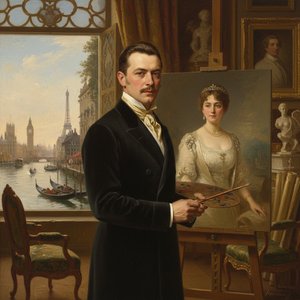
Philip de László: A Portrait of Aristocratic Society & the Cosmopolitan Painter's Evolution
Explore the life & art of Philip de László, master portraitist of European aristocracy. Discover his stunning paintings, royal commissions, and enduring legacy. A guide for discerning collectors.

Acerca de nosotros
Descubre nuestra historia! Llevamos el arte de clase mundial a tu vida gracias a una selección experta, creaciones personalizadas y vistas previas gratuitas. Aprobado por particulares y empresas desde el año 2000.

The Enduring Legacy of Oil on Canvas: Technique, History & Aesthetic Impact
Explore the rich history & techniques of oil painting – from Renaissance masters to Impressionism. Discover pigments, layering methods, and why this timeless medium endures. Expert insights for artists & art enthusiasts.

El Óleo sobre Lienzo: Historia, Técnica y la Persistencia de un Medio Artístico Atemporal
Descubre la historia y técnica del óleo sobre lienzo. Explora reproducciones fieles hechas a mano, personalización artística y consejos de expertos con OriginalUniqueArt. ¡Colecciona arte con confianza!


