

 Ver en contexto
 Enviar
 Compartir
 Detalles
 Guía
Guía

 Descargar
 Similares
 Radiografía
 Presentación de diapositivas
 Estadísticas
Falling Leaves
 Oil On Panel
- Realism
 1895
1895- 19th Century
 80.0 x 64.0 cm
 Ver más
Reproducción al óleo hecha a mano
Óleo sobre lienzo pintado a mano en el tamaño y marco de su elección, realizado por encargo por nuestros artistas. ( Cambiar a impresiones Cambiar a imagen digital)




P118B €10

P118H €10

P118W €10

P438Z €10

P508JH €12

P508YH €12

P805H €10

P805Z €10

P919BZ €10

P919G €10

P919XJ €10

P959ZH €10

P968JZ €12

W106C €8

W218G €10

W218JH €8

W218Y €10

W307PJ €10

W316G €10

W316PJ €8

W316Y €10

W398PJ €8

W4111J €10

W500HY €15

W500JH €15

W692G €12

W849H €8

W940BG €15

W953PJ €8




Elija entre nuestros tamaños predefinidos que respetan las proporciones originales de la obra.

Indique el ancho y el alto que necesite para adaptarse a su marco o pared. Al tratarse de una obra pintada a mano, si requiere un tamaño con una proporción distinta, el artista puede pintar un poco más alrededor de la imagen o recortarla ligeramente; usted elige. Le enviaremos una maqueta digital para su aprobación antes de comenzar la pintura. La imagen que se muestra en esta página no refleja el resultado real; solo la maqueta lo hace.
Tras realizar el pedido, el equipo de OriginalUniqueArt.com enviará un correo electrónico al cliente para solicitar instrucciones y proporcionarle una vista previa del boceto.
Envío a todo el mundo () en 3-4 semanas en lugar de las 5 semanas estándar. (25 octubre). Sin comprometer la calidad.

Envío exprés gratuito a todo el mundo

Lienzo de lino de alta calidad

Seguro de envío total

Garantía de reembolso de aranceles aduaneros

Garantía de fidelidad cromática exacta

Política de devolución de 100 días (solo por defectos)

Garantía de devolución del 100% del dinero

Descuento por cantidad
 La opción de vidrio solo está disponible en tamaños inferiores a 110 cm.

Falling Leaves
Técnica de reproducción
Dimensiones de la reproducción
-


Precio total final
€ 263
A Moment Frozen in Time: The Serenity of Falling Leaves
In the quietude of an autumnal afternoon, Philip Alexius De László invites us into a world where time seems to decelerate. His 1895 masterpiece, Falling Leaves, is far more than a mere depiction of a woodland scene; it is a profound meditation on solitude and the gentle passage of time. The painting captures an elderly man seated at a table amidst the dappled sunlight of a forest, a figure seemingly lost in the depths of his own reflections. As the golden light filters through the canopy, it illuminates a scene that feels both intimate and expansive, pulling the viewer into a shared moment of peaceful contemplation. There is a palpable sense of stillness here, broken only by the imagined rustle of descending foliage and the distant flight of a single bird, which adds a delicate pulse of life to the tranquil atmosphere.
The composition is masterfully orchestrated to evoke a feeling of comfort and domesticity within the wildness of nature. The presence of a dining table and chairs nestled among the trees suggests a harmonious coexistence between human civilization and the natural world. This juxtaposition creates a unique emotional resonance, making the woods feel not like a daunting wilderness, but like a sanctuary for the soul. For the collector or interior designer, this piece offers a transformative quality; it possesses the rare ability to instill a sense of calm and groundedness in any space, acting as a window into a more contemplative era.
Mastery of Light and the Elegance of Technique
De László, an artist renowned for his ability to capture the essence of European aristocracy, applies his formidable skill to this landscape with breathtaking precision. Utilizing oil on panel, the artist achieves a level of textural richness and luminous detail that is difficult to replicate in other mediums. The panel support allows for fine, controlled brushwork, which is evident in the way the sunlight dances across the man's features and the delicate textures of the surrounding trees. The play of light and shadow—a hallmark of late 19th-century realism—is used here to create depth and volume, making the forest feel three-dimensional and immersive.
The color palette is a sophisticated arrangement of warm, autumnal tones that wrap the viewer in a gentle glow. De László employs subtle gradations of amber, gold, and deep earth tones to build the atmosphere, ensuring that the light feels organic rather than staged. This technical prowess ensures that every time one views a high-quality reproduction of this work, the interplay of warmth and shadow remains as captivating as it was when the paint first dried in 1895. It is this meticulous attention to the physical properties of light that elevates the painting from a simple landscape to a living, breathing environment.
A Legacy of Poetic Realism
To understand Falling Leaves, one must consider the historical context of De László’s career. Emerging from the academic traditions of Budapest and refined in the artistic hubs of Munich and Paris, the artist was a master of capturing both the physical likeness and the inner spirit of his subjects. While he is often celebrated for his grand portraits of royalty, this particular work reveals his softer, more poetic side. It reflects the late 19th-century fascination with plein air sensibilities and the Romantic movement's reverence for nature as a mirror to human emotion.
The symbolism within the piece is subtle yet deeply moving. The open book on the table serves as a metaphor for the unfolding narrative of life, while the falling leaves represent the cyclical nature of existence—the beauty found in transition and decay. For those seeking to adorn their homes with art that speaks to the enduring beauty of the natural cycle, this painting provides an incomparable focal point. It is a work that does not merely decorate a wall; it enriches the spirit, offering a perennial escape into a sun-drenched woodland where the only requirement is to sit, observe, and breathe.
Preguntas y respuestas
¿Cómo se describe la paleta de colores de "Falling Leaves" de Philip Alexius De László?
Los colores de "Falling Leaves" conforman una paleta Earthy. Esta clasificación describe las familias de colores dominantes.
¿A qué etapa de la trayectoria de Philip Alexius De László pertenece "Falling Leaves" (1895)?
La fecha de 1895 sitúa a "Falling Leaves" en el Early Period del desarrollo de Philip Alexius De László.
¿Cuál es la técnica y las dimensiones de "Falling Leaves" de Philip Alexius De László?
La obra original "Falling Leaves" de Philip Alexius De László es una pieza de Oil On Panel con unas dimensiones de 80 x 64 cm. La técnica y el tamaño describen la obra original.
Biografía del artista
Philip Alexius de László: Vida y Legado
Primeros Años y Educación
Philip Alexius de László, nacido Fülöp Laub el 30 de abril de 1869 en Budapest, Hungría, surgió de humildes orígenes para convertirse en un celebrado pintor de retratos de la realeza y la aristocracia europea. Sus padres, Adolf y Johanna Laub, eran respectivamente un sastre y costurera, de origen judío. Inicialmente aprendió como fotógrafo mientras perseguía sus estudios artísticos. Obtuvo admisión a la Academia Nacional de Arte en Budapest, donde estudió bajo Bertalan Székely y Károly Lotz. Estudios adicionales en Múnich y París ampliaron sus horizontes artísticos.
Desarrollo Artístico e Influencias
El trabajo temprano de De László demostró un agudo ojo para el detalle y una madurez creciente en la maestría del realismo. Sus influencias incluían las tradiciones académicas que aprendió en la Academia, así como las tendencias predominantes en la pintura de retratos durante la última parte del siglo XIX y principios del XX. Rápidamente se distinguió por su capacidad para captar no solo la semejanza física sino también la personalidad y el estatus social de sus modelos. Un momento decisivo llegó en 1900, cuando su retrato de Pío XII le valió una Medalla de Oro Grande en la Exposición Internacional de París, estableciendo su reputación internacional.
Carrera y Logros Principales
Tras su éxito en París, De László se trasladó a Viena en 1903 y luego se estableció en Londres en 1907, donde permaneció por el resto de su vida. Se convirtió en un pintor de retratos muy solicitado entre la élite europea. Su clientela incluía monarcas, nobles, industriales, científicos y figuras destacadas de diversos campos.
- Modelos Notables: Sir Alfred East, Winifred Cavendish-Bentinck (Duquesa de Portland), Lady Louise Mountbatten (Reina de Suecia), Vita Sackville-West, Pío XII, Augusta Victoria (Emperatriz Alemana), Princesa Alicia de Battenberg y muchos otros.
- Honores y Reconocimientos: Investido como Miembro del Orden Victoriano Real (MVO) por Eduardo VII en 1909. Ennoblado por el Rey Francisco José I de Hungría en 1912, adoptando el nombre “de László de Lombos.”
Vida Personal y Desafíos
En 1900, De László se casó con Lucy Madeleine Guinness, miembro de la prominente familia bancaria. Tuvieron seis hijos y diecisiete nietos. Se bautizó en la Iglesia Anglicana tras su matrimonio después de un interés previo en el catolicismo. A pesar de su ciudadanía británica y su vida establecida en Inglaterra, fue internado durante la Primera Guerra Mundial (1917-1918) debido a sospechas sobre sus conexiones austriacas, un período de significativa dificultad.
Estilo Artístico y Temas
El estilo de De László se caracteriza por su realismo, detalle meticuloso y vibrante paleta de colores. Era hábil para captar las texturas de los tejidos, la joyería y los tonos de piel. Sus retratos a menudo transmiten una sensación de elegancia, sofisticación y estatus social. Si bien es principalmente conocido por el retrato, también creó paisajes y escenas de género.
Significado Histórico y Legado
La obra de Philip de László proporciona valiosas perspectivas sobre las vidas y la apariencia de la alta sociedad europea durante la última parte del siglo XIX y principios del XX. Sus retratos sirven como documentos históricos, capturando una época específica y sus dinámicas sociales. Aunque a veces se critica por ser principalmente un pintor de retratos de la sociedad, su habilidad técnica y su capacidad para captar el carácter son innegables. Su obra comprende casi 4.000 obras, incluyendo dibujos, y un catálogo razonado está en progreso. Falleció el 22 de noviembre de 1937 en Londres, dejando atrás un legado perdurable como uno de los principales pintores de retratos de su tiempo.

Philip Alexius De László
1869 - 1937 , Hungría
Datos clave
- Artistic Movement Or Style: Realismo, Retrato
- Artists Who Influenced This Artist:
- Bertalan Székely
- Károly Lotz
- Date Of Birth: 1869
- Full Name: Philip Alexius László de Lombos
- Nationality: Húngaro, Británico
- Notable Artworks: ['Retrato del Papa León XIII']
- Place Of Birth: Budapest, Hungary
Artículos relacionados

The Enduring Power of Painting: A Historical & Contemporary Exploration of Form and Emotion
Explore the rich history & enduring techniques of oil painting with OriginalUniqueArt. Discover masterpieces, learn about art collecting, and find authentic handmade reproductions crafted by skilled artists.

The Enduring Legacy of Oil on Canvas: Technique, History & Aesthetic Impact
Explore the rich history & techniques of oil painting – from Renaissance masters to Impressionism. Discover pigments, layering methods, and why this timeless medium endures. Expert insights for artists & art enthusiasts.
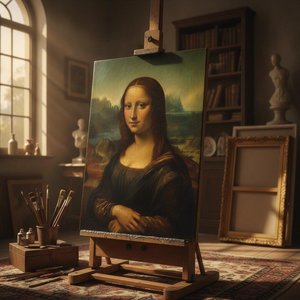
Mastering the Surface: A Historical and Technical Guide to the Art of Oil on Panel Painting
Explore the profound history and technical brilliance of oil on panel painting. From Renaissance masters to modern techniques, discover why this rigid support offers unparalleled precision and permanence for fine art lovers and collectors.

Oil on Board: A Historical Survey of Technique, Aesthetic Qualities & Enduring Appeal
Explore the rich history of oil on board painting! Discover techniques, aesthetic qualities & enduring appeal from early masters to modern practice. Expert insights for collectors and art enthusiasts.

El Óleo sobre Lienzo: Historia, Técnica y la Persistencia de un Medio Artístico Atemporal
Descubre la historia y técnica del óleo sobre lienzo. Explora reproducciones fieles hechas a mano, personalización artística y consejos de expertos con OriginalUniqueArt. ¡Colecciona arte con confianza!

