Ver en contexto
 Enviar
 Compartir
 Detalles
 Guía
Guía

 Descargar
 Similares
 Radiografía
 Presentación de diapositivas
 Preguntas y respuestas
 Estadísticas
Denial of Peter

- 28.0 x 46.0 cm


 Ver más
Giclée / Impresión de arte
Impresiones giclée o en lienzo de calidad de museo con producción rápida y opciones de acabado flexibles. ( Comprar pintura hecha a mano Cambiar a imagen digital)




P118B €10

P118H €10

P118W €10

P438Z €10

P508JH €12

P508YH €12

P805H €10

P805Z €10

P919BZ €10

P919G €10

P919XJ €10

P959ZH €10

P968JZ €12

W106C €8

W218G €10

W218JH €8

W218Y €10

W307PJ €10

W316G €10

W316PJ €8

W316Y €10

W398PJ €8

W4111J €10

W500HY €15

W500JH €15

W692G €12

W849H €8

W940BG €15

W953PJ €8




Elija entre nuestros tamaños predefinidos que respetan las proporciones originales de la obra.

Introduzca el ancho y el alto que necesite para adaptarse a su marco o pared. Una impresión solo puede recortarse, nunca hacerse más grande que la imagen original, por lo que un tamaño con una forma distinta perderá parte de la obra. Le enviaremos una maqueta digital para su aprobación antes de realizar cualquier impresión. La imagen que se muestra en esta página no refleja el recorte real; solo la maqueta lo hace.
Envío a todo el mundo () en 2 semanas en lugar de las 4/5 semanas estándar. (7 noviembre)

Envío exprés gratuito a todo el mundo

Lienzo de lino de alta calidad

Seguro de envío total

Garantía de reembolso de aranceles aduaneros

Garantía de fidelidad cromática exacta

Política de devolución de 100 días (solo por defectos)

Garantía de devolución del 100% del dinero

Descuento por cantidad
 La opción de vidrio solo está disponible en tamaños inferiores a 110 cm.

Denial of Peter
Giclée / Impresión de arte
Dimensiones de la reproducción
-


Precio total final
€ 72
The Drama of Betrayal: Exploring Peter Wtewael's Denial of Peter
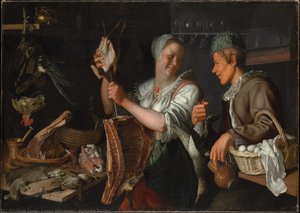
To stand before Peter Wtewael’s Denial of Peter is to be plunged immediately into the raw, visceral heart of human conflict and spiritual crisis. This oil on panel painting, executed in 1625, is far more than a mere depiction of a biblical event; it is a masterclass in Baroque drama, capturing that agonizing instant when denial becomes a physical blow. The scene pulses with unspoken tension—the moment the apostle Peter, cornered and vulnerable, faces the accusation from Roman soldiers. Wtewael does not shy away from the brutality inherent in the narrative, presenting it with an unflinching gaze that forces the modern viewer to confront themes of loyalty, fear, and ultimate redemption.
Mastery of Baroque Light and Shadow
Technically, this work is a profound testament to Wtewael’s command over light. He channels the dramatic intensity associated with Caravaggio's tenebrism, using deep, velvety shadows not merely as background filler, but as active participants in the drama itself. The illumination seems to originate from an unseen, harsh source, spotlighting the central figures—Peter and the aggressive soldier. This stark chiaroscuro effect carves out every muscle tension, every bead of sweat, and every flicker of despair on the faces surrounding the core conflict. It is this masterful manipulation of light that gives the composition its incredible depth, pulling the eye inexorably toward the point of impact.
Compositional Tension and Emotional Resonance
The arrangement of figures within the 28 x 46 cm panel is nothing short of theatrical. Peter’s posture, struck and recoiling, speaks volumes about his emotional collapse. Contrasting this vulnerability is the soldier's rigid, aggressive stance, embodying institutional power. Yet, it is the surrounding onlookers—their varied expressions ranging from shock to detached observation—that build the narrative tapestry. Wtewael populates the space with humanity, ensuring that every peripheral figure contributes a note of dismay or judgment, amplifying the profound sense of isolation felt by Peter at this pivotal moment.
A Timeless Study in Human Frailty
For the collector or admirer of art history, Denial of Peter offers more than just aesthetic pleasure; it provides a deep meditation on human frailty. Wtewael, while celebrated for his domestic scenes, proves here that he could elevate historical narrative to epic proportions. The painting resonates because its themes—the pressure of circumstance forcing a man to deny his deepest convictions—are eternally relevant. Owning a reproduction of this piece allows one to bring home not just the image of 17th-century Dutch mastery, but a palpable echo of profound human struggle and dramatic consequence.
Preguntas y respuestas
¿Dónde puedo comprar una imagen digital de "Denial of Peter" de Peter Wtewael?
Para obtener una copia digital de "Denial of Peter" de Peter Wtewael, puede solicitar descarga de una imagen digital en alta resolución en su página de Imagen digital de alta resolución.
¿Cuándo se creó "Denial of Peter" y a qué movimiento pertenece?
"Denial of Peter" fue realizada en 1625, dentro del movimiento Baroque.
¿Cuáles son las dimensiones de la obra original "Denial of Peter"?
Las dimensiones registradas de "Denial of Peter" de Peter Wtewael son 28 x 46 cm. Se pueden solicitar reproducciones en otros tamaños manteniendo las mismas proporciones.
Biografía del artista
Un maestro de la luz y el drama doméstico
En el vibrante tapiz de la Edad de Oro holandesa, pocos nombres evocan la tensión íntima de una habitación iluminada por el parpadeo de una vela como Peter Wtewael. Nacido en Utrecht en 1596, Wtewael fue un artista moldeado por un profundo linaje de creatividad; era hijo del estimado pintor y grabador Joachim Wtewael y hermano de Johan Wtewael. Esta inmersión familiar en las artes le proporcionó algo más que una simple formación técnica: le ofreció una ventana al alma misma de la narrativa visual neerlandesa. Aunque su periodo de actividad como pintor fue relativamente breve, abarcando aproximadamente entre 1624 y 1630, el impacto de su pincelada permanece grabado en la historia de la era barroca.
La identidad artística de Wtewaje fue forjada profundamente bajo la revolucionaria influencia de Caravaggio. Se convirtió en un dedicado seguidor de este estilo dramático, adoptando la técnica del tenebrismo para transformar temas ordinarios en profundos estudios psicológicos. Al utilizar contrastes marcados entre sombras profundas y envolventes y luces penetrantes, dotó de vida a sus lienzos. Este dominio del claroscuro le permitió elevar lo mundano —una simple reunión en la cocina o una pieza de fruta— a algo monumental y espiritualmente resonante. Su capacidad para manipular la luz creó una atmósfera inmersiva donde el espectador se siente menos como un observador y más como un participante silencioso de la escena.
La intimidad de la cocina y la grandeza del mito
Mientras muchos de sus contemporáneos buscaban la vastedad de los paisajes, Wtewael encontró una complejidad infinita dentro de los confines de los interiores domésticos. Se convirtió en un pionera de la escena de cocina, un género que le permitió exhibir un extraordinario dominio de la textura y el detalle. En estas obras, casi se puede sentir la rugosidad fría de las paredes de piedra o las superficies brillantes y suculentas de la carne y el peltre. Sin embargo, bajo este realismo superficial yacía una capa de complejo simbolismo e incluso humor atrevido. Sus representaciones de la vida doméstica a menudo presentaban sutiles bromas visuales y matices eróticos, donde la abundancia de alimentos servía como alegoría de los placeres de la carne, mezclando lo sensual con lo cotidiano.
Más allá de la cocina, la imaginación de Wtewael se elevó hacia el reino de lo mitológico y lo bíblico. Poseía una capacidad poco común para tejer narrativas complejas a través del gesto y la expresión, como se observa en obras maestras como La negación de Pedro. En estas composiciones, la iluminación dramática hace más que iluminar; subraya temas de vulnerabilidad humana, duda y fe. Ya fuera pintando a un bufón con una flauta o un momento bíblico sagrado, su obra permaneció anclada en una observación meticulosa de la condición humana, convirtiéndolo en una voz singular dentro de la escuela de pintores de Utrecht.
Legado e importancia artística
La verdadera medida de la importancia de Peter Wtewael reside en su capacidad para cerrar la brecha entre el realismo crudo de la pintura de género y el alto drama de la narrativa mitológica. Aunque su obra conocida es relativamente pequeña —consistente en un puñado de obras firmadas y varias piezas atribuidas—, cada lienzo sirve como testimonio de su destreza técnica y profundidad emocional. Su influencia puede rastrearse a través de la evolución de la pintura de género holandesa, particularmente en cómo utilizó la luz para dotar a la domesticidad de un sentido de lo extraordinario.
Hoy en día, sus contribuciones se preservan en algunas de las instituciones más prestigiosas del mundo, incluyendo el Metropolitan Museum of Art, donde sus escenas de cocina continúan cautivando tanto a estudiosos como a amantes del arte. Wtewael sigue siendo una figura vital para cualquiera que busque comprender el poder transformador del período Barroco, recordándonos que incluso en el rincón más pequeño y sombrío de una habitación, existe un universo de drama esperando ser descubierto.

Peter Wtewael
1596 - 1660 , Países Bajos
Datos clave
- Artistic Movement Or Style: Caravaggesque
- Artists Or Movements Influenced By This Artist: ['Baroque']
- Artists Who Influenced This Artist: ['Joachim Wtewael']
- Date Of Birth: Utrecht, Netherlands (1596)
- Date Of Death: 1660
- Full Name: Peter Wtewael
- Nationality: Dutch
- Notable Artworks:
- Denial of Peter
- Saint Peter Receiving the Keys
- Place Of Birth: Utrecht
Artículos relacionados

Impresiones Giclée: Guía Técnica sobre Pigmentos de Archivo y Calidad de Soporte para Coleccionistas
Domina la técnica Giclée y el uso de pigmentos de archivo para coleccionismo. Descubre cómo evaluar la calidad de tus reproducciones hoy.

The Enduring Legacy of Fine Art Prints: Technique, History & Aesthetic Impact
Explore the rich history & techniques of fine art prints. Discover investment potential, assess authenticity, and learn how to preserve your collection with expert guidance. Trusted insights for discerning collectors.

Reflejos de una Época Dorada: La Pintura Barroca Holandesa y la Innovación Cultural
Descubra la riqueza y el detalle de la pintura barroca holandesa del Siglo de Oro. Explore las obras maestras de Rembrandt, Vermeer y otros artistas clave. Análisis experto e historia cultural.

Los 10 Maestros del Barroco Holandés: Obras que Definen una Época | OriginalUniqueArt
Descubre los 10 imprescindibles del Barroco holandés: Rembrandt, Vermeer y más. Explora la historia, técnica y belleza de estas obras maestras. Reproducciones de arte en OriginalUniqueArt.com para decorar tu hogar con elegancia.

Barroco Sublime: 10 Obras Maestras que Definieron una Época |
Descubre las 10 obras maestras del Barroco que marcaron una época. Caravaggio, Bernini y Velázquez cobran vida en . Reproducciones de arte de calidad museo para decorar tu hogar con elegancia. ¡Explora la colección online!