

 Ver en contexto
 Enviar
 Compartir
 Detalles

 Descargar
 Similares
 Radiografía
 Presentación de diapositivas
 Estadísticas
The storm
 Acrylic On Canvas
- WallArt
- Biedermeier
 1837
1837 50.0 x 67.0 cm
 Galería Austriaca Belvedere
 Ver más
Giclée / Impresión de arte
Impresiones giclée o en lienzo de calidad de museo con producción rápida y opciones de acabado flexibles. ( Comprar pintura hecha a mano Cambiar a imagen digital)




P118B $10

P118H $10

P118W $10

P438Z $10

P508JH $12

P508YH $12

P805H $10

P805Z $10

P919BZ $10

P919G $10

P919XJ $10

P959ZH $10

P968JZ $12

W106C $8

W218G $10

W218JH $8

W218Y $10

W307PJ $10

W316G $10

W316PJ $8

W316Y $10

W398PJ $8

W4111J $10

W500HY $15

W500JH $15

W692G $12

W849H $8

W940BG $15

W953PJ $8




Elija entre nuestros tamaños predefinidos que respetan las proporciones originales de la obra.

Puede introducir sus propias dimensiones para adaptarse a un marco o espacio específico. Si el tamaño seleccionado no coincide con las proporciones de la imagen original, recortaremos la obra de arte o extenderemos la imagen con un borde con efecto espejo o de color sólido. Se enviará una maqueta digital para su aprobación antes de que comience la producción.
Tenga en cuenta que la vista previa en pantalla no refleja el recorte o la extensión real. Solo la maqueta mostrará con precisión la composición final.
Aunque existen tamaños personalizados, recomendamos seleccionar una dimensión de la lista predefinida para preservar las proporciones originales.
Envío a todo el mundo () en 2 semanas en lugar de las 4/5 semanas estándar. (12 septiembre)

Envío exprés gratuito a todo el mundo

Lienzo de lino de alta calidad

Seguro de envío total

Garantía de reembolso de impuestos aduaneros

Garantía de fidelidad cromática exacta

Política de devolución de 100 días (solo por defectos)

Garantía de devolución del 100% del dinero

Descuento por cantidad
 La opción de vidrio solo está disponible en tamaños inferiores a 110 cm.

The storm
Giclée / Impresión de arte
Dimensiones de la reproducción
-


Precio total final
$ 80
A Window to a Turbulent Soul: Exploring Peter Fendi’s “The Storm”
Peter Fendi's "The Storm," painted in 1837, isn’t merely a depiction of a tempestuous sky; it’s a profound meditation on domesticity, vulnerability, and the quiet drama unfolding within a family’s sanctuary. This intimate scene, rendered with the characteristic warmth and realism of Biedermeier painting, immediately draws the viewer into a tableau of contained chaos – a woman cradling her child before a window that frames both the fury of nature and the steadfastness of home. The composition is deceptively simple: a mother and child, bathed in soft light, facing an exterior world rendered with dramatic brushstrokes and swirling clouds. Yet, within this apparent tranquility lies a palpable tension, a suggestion of unease that speaks volumes about the anxieties inherent in family life.
Fendi’s masterful use of color is crucial to conveying this emotional complexity. The palette leans heavily on muted browns, grays, and blues – colors associated with storm clouds and introspection. However, these somber tones are punctuated by flashes of warm light emanating from the interior, highlighting the figures and creating a subtle contrast between safety and the unknown. The woman’s posture is particularly telling; she isn't actively shielding her child, nor does she appear panicked. Instead, she gazes out with a thoughtful expression, suggesting an acceptance of the storm both outside and within. The inclusion of other family members – two children playing near the window and another figure on the right – subtly expands the narrative, hinting at a larger household grappling with shared experiences.
The Biedermeier Aesthetic: Intimacy and Observation
“The Storm” is a quintessential example of the Biedermeier style, which flourished in Austria during the early 19th century. This artistic movement prioritized realism and domestic scenes, often depicting everyday life with an emphasis on intimacy and observation. Unlike the grand historical or mythological subjects favored by earlier periods, Biedermeier artists sought to capture the beauty and simplicity of the ordinary – a shift reflecting the growing middle class’s desire for comfort and connection within their own homes. Fendi's work embodies this ethos perfectly; he doesn’t attempt to glorify the storm itself but rather focuses on how it affects those closest to him, creating a deeply personal and relatable image.
Fendi’s technical skill is evident in his meticulous attention to detail – from the texture of the fabrics to the subtle nuances of expression on the figures' faces. He employed a technique known as “pointillé,” using small, closely spaced brushstrokes to create an illusion of depth and texture, particularly noticeable in the depiction of the clouds. This method allowed him to capture the dynamic movement of the storm while maintaining a sense of realism and warmth. Furthermore, his use of light is masterful, creating a soft, diffused glow that illuminates the figures and imbues the scene with a feeling of quiet dignity.
Symbolism and Emotional Resonance
The window itself serves as a powerful symbol in “The Storm.” It represents not only a physical barrier between the interior and exterior but also a metaphorical one – separating the family from the uncertainties of the world. The storm raging outside can be interpreted as a representation of life’s challenges, anxieties, and hardships. However, within the confines of the home, the family finds solace and strength in their connection to one another. The child, nestled securely in his mother's arms, embodies innocence and hope, suggesting that even amidst turmoil, new beginnings are possible.
Fendi’s painting resonates with a timeless emotional truth. It speaks to the universal experience of navigating difficult times while cherishing the bonds of family. “The Storm” is more than just a beautiful artwork; it's a poignant reminder of the resilience of the human spirit and the enduring power of love in the face of adversity. Reproductions of this evocative piece offer a captivating glimpse into a bygone era, inviting viewers to contemplate their own relationships and find beauty amidst life’s inevitable storms.
Biografía del artista
Peter Fendi: Un Pionero de la Pintura Biedermeier Vienesa
Peter Fendi, nacido en el corazón de Viena el 4 de septiembre de 1796, fue mucho más que un pintor; se convirtió en una figura fundamental en el desarrollo del arte austriaco durante el período Biedermeier. Su vida, marcada por un desafío físico temprano – una caída desde un cambiador de pañales como bebé que le dejó problemas espinales persistentes – paradójicamente impulsó un talento extraordinario para el dibujo y, finalmente, moldeó su visión artística. Su padre, maestro, reconoció esta habilidad innata, inscribiéndolo en la prestigiosa Academia de Bellas Artes de Viena en 1810. Allí, bajo la tutela de artistas destacados como Johann Martin Fischer, Hubert Maurer y Johann Baptist von Lampi el Mayor, Fendi perfeccionó sus habilidades, sentando las bases para una prolífica carrera que abarcaba pinturas al óleo, acuarelas, grabados, litografías e incluso tallas en madera. La vida profesional temprana de Fendi comenzó en la Galería Imperial de Monedas y Antigüedades en 1818, donde sirvió como dibujante y grabador bajo Joseph Barth, un influyente coleccionista de arte y oftalmólogo personal del Emperador José II. Esta posición le brindó acceso invaluable a círculos artísticos y lo expuso al meticuloso detalle exigido por las comisiones imperiales. Un hito significativo llegó en 1821 cuando Fendi recibió una medalla de oro por su pintura al óleo *Vilenica*, consolidando su reputación dentro del panorama artístico vienés. Este reconocimiento condujo a su elección como miembro de la Academia de Bellas Artes de Viena en 1836, lo que reforzó aún más su posición entre sus pares.Influencias Holandesa y Inspiración Veneciana
El estilo artístico de Fendi fue profundamente influenciado por dos fuentes distintas pero complementarias: los maestros holandeses y el Renacimiento italiano. El realismo y las escenas de género prevalecientes en las obras de artistas como Adriaen Brouwer, Adriaen van Ostade y Rembrandt resonaron profundamente con Fendi, dando forma a sus representaciones de la vida cotidiana – bulliciosos mercados, escenas de taberna e íntimos momentos familiares. Estas pinturas se caracterizan por una aguda observación del comportamiento humano, a menudo impregnadas de un sutil sentido del humor o comentario social. Simultáneamente, el viaje de Fendi a Venecia en 1821 resultó transformador. Inmerso en las opulentas colecciones de arte de Giovanni Bellini, Tintoretto, Tiziano y Paolo Veronese, absorbió sus composiciones dramáticas, ricos colores y maestrosa utilización de la luz – elementos que más tarde infundirían a su propio trabajo un sentido de grandeza y teatralidad. La influencia holandesa se manifiesta en su enfoque en la vida cotidiana y el detalle minucioso, mientras que la inspiración veneciana le proporciona una paleta vibrante y una sensación de drama.Innovación Litográfica y Retratos
Más allá de las técnicas tradicionales de pintura, Fendi fue un verdadero innovador en el campo de la litografía. Sus grabados multicolores, particularmente aquellos producidos en los años 30 y 40, fueron revolucionarios para su época, demostrando una notable habilidad técnica y sensibilidad artística. Estos grabados no eran meras reproducciones; eran obras de arte independientes, a menudo representando escenas de la vida vienesa con una paleta vibrante y una composición dinámica. Además, Fendi era un retratista muy solicitado, capturando los rasgos de nobles y gente común por igual. Sus retratos son notables por su profundidad psicológica y su capacidad para transmitir la personalidad de sus sujetos – un testimonio de su agudo ojo y comprensión del carácter humano. Destacadamente, grabó una serie de cinco billetes austriacos emitidos en 1841, mostrando su versatilidad como grabador.Legado e Importancia Artística
El legado de Peter Fendi se extiende más allá de las obras individuales que llevan su firma. Jugó un papel crucial en la configuración del estilo Biedermeier – caracterizado por su escala íntima, representación realista de la vida cotidiana y sutil comentario social. Su influencia se puede ver en el trabajo de generaciones posteriores de artistas austriacos. Su atención meticulosa al detalle, combinada con su enfoque innovador en la litografía, consolidó su lugar como una de las figuras más importantes del período Biedermeier. Hoy en día, las pinturas de Fendi están preservadas en prestigiosas colecciones como el Museo Albertina, la Galería Belvedere y la colección del Príncipe de Liechtenstein en Vaduz, asegurando que sus contribuciones artísticas sigan siendo apreciadas y estudiadas por generaciones venideras. Su obra ofrece una valiosa visión de la sociedad austriaca del siglo XIX, capturando tanto su belleza como sus complejidades con notable habilidad y sensibilidad.
Peter Fendi
1796 - 1842 , Austria
Datos clave
- Artistic Movement Or Style: Biedermeier
- Artists Or Movements Influenced By This Artist:
- Dutch Masters
- Renacimiento
- Artists Who Influenced This Artist:
- Rembrandt
- Brouwer
- Date Of Birth: 4 Sept 1796
- Date Of Death: 28 agosto 1842
- Full Name: Peter Fendi
- Nationality: Austríaco
- Notable Artworks:
- Vilenica
- The Rise
- Place Of Birth: Viena, Austria
Artículos relacionados

Evolución de los Retratos: El Arte Personalizado como Crónica de la Vida Familiar a Través de las Generaciones
Descubre la evolución del retrato familiar y cómo convertir tus recuerdos en obras de arte atemporales. Pinturas al óleo personalizadas por artistas expertos. ¡Preserva tu legado con OriginalUniqueArt!
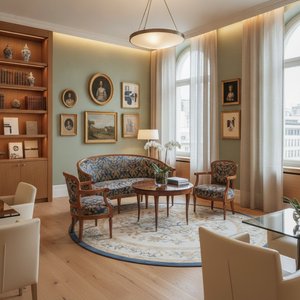
Biedermeier Style Guide: Integrating Elegant, Functional 19th-Century Art into Modern Hotel & Hospitality Interiors
Master the Biedermeier style for hospitality design. Our professional guide explores integrating 19th-century elegance and functional simplicity into modern hotel interiors through expert art procurement and large-scale custom reproductions.

Biedermeier: Intimidad y Sociedad en la Europa de la Restauración – Un Análisis Estético y Cultural
Explora el Biedermeier: un análisis profundo de este movimiento artístico y cultural surgido en la Europa de la Restauración. Descubre su estética, temas y legado con OriginalUniqueArt.
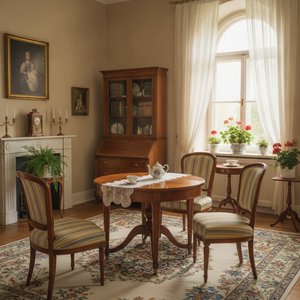
Biedermeier Style: The Art of Comfort, Elegance, and Home Harmony in 19th-Century Europe
Discover the soulful elegance of Biedermeier style. Explore how 19th-century Europe turned to domestic comfort and refined simplicity through art and design. A deep dive into the era of bourgeois sophistication for the true classic art enthusiast.

Biedermeier Style: The Elegant Art of Comfort, Simplicity, and Bourgeois Sophistication
Discover the refined elegance of Biedermeier style. Explore how this 19th-century movement blended simplicity with comfort, shaping the art and design of the middle class through Romanticism and functional beauty. An expert guide for classic art enthusiasts.