Menú
Text size

() ·

A painting made for you, by hand

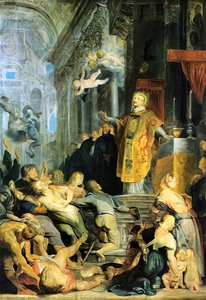
El Hércules Ebrio

Reproducción al óleo hecha a mano

Óleo sobre lienzo pintado a mano en el tamaño y marco de su elección, realizado por encargo por nuestros artistas. ( Cambiar a impresiones Cambiar a imagen digital)

Descripción del objeto

¡Experimenta 'El Hércules Ebrio' de Rubens! Una obra maestra barroca dinámica con colores ricos y drama mitológico. Posee una pieza de historia del arte – explora esta obra icónica!

Biografía del artista

Sir Peter Paul Rubens: Maestro del Barroco flamenco. Famoso por composiciones dinámicas, colores vibrantes y obras icónicas como 'La Masacre de los Inocentes'. Descubre su vida y arte.

from ·

Chapter 1

How large should it be?

Slide to change the size; the picture on the left shows the frame at its real width. The proportions of the original are kept.

Tamaño estándar
a medida
CM
INCH

Elija entre nuestros tamaños predefinidos que respetan las proporciones originales de la obra.

ancho
altura

Indique el ancho y el alto que necesite para adaptarse a su marco o pared. Al tratarse de una obra pintada a mano, si requiere un tamaño con una proporción distinta, el artista puede pintar un poco más alrededor de la imagen o recortarla ligeramente; usted elige. Le enviaremos una maqueta digital para su aprobación antes de comenzar la pintura. La imagen que se muestra en esta página no refleja el resultado real; solo la maqueta lo hace.

Chapter 2

How should it arrive?

Choose the edges of the stretched canvas

Choose your frame

Corner sample of the WhiteWrap canvas edge finish, stretched on madera maciza bars
White €1
Corner sample of the BlurSideWrap canvas edge finish, stretched on madera maciza bars
Blurside €1
Corner sample of the ExtendedWrap canvas edge finish, stretched on madera maciza bars
Extended €1
Corner sample of the P118B picture frame: poliestireno moldeado, 5 cm wide and 3 cm thick
P118B €10
Corner sample of the P118H picture frame: poliestireno moldeado, 5 cm wide and 3 cm thick
P118H €10
Corner sample of the P118W picture frame: poliestireno moldeado, 5 cm wide and 3 cm thick
P118W €10
Corner sample of the P438Z picture frame: poliestireno moldeado, 5.5 cm wide and 3.5 cm thick
P438Z €10
Corner sample of the P508JH picture frame: poliestireno moldeado, 7 cm wide and 3.5 cm thick
P508JH €12
Corner sample of the P508YH picture frame: poliestireno moldeado, 7 cm wide and 3.5 cm thick
P508YH €12
Corner sample of the P805H picture frame: poliestireno moldeado, 5 cm wide and 3.5 cm thick
P805H €10
Corner sample of the P805Z picture frame: poliestireno moldeado, 5 cm wide and 3.5 cm thick
P805Z €10
Corner sample of the P919BZ picture frame: poliestireno moldeado, 7 cm wide and 3.5 cm thick
P919BZ €10
Corner sample of the P919G picture frame: poliestireno moldeado, 7 cm wide and 3.5 cm thick
P919G €10
Corner sample of the P919XJ picture frame: poliestireno moldeado, 7 cm wide and 3.5 cm thick
P919XJ €10
Corner sample of the P959ZH picture frame: poliestireno moldeado, 5 cm wide and 3 cm thick
P959ZH €10
Corner sample of the P968JZ picture frame: poliestireno moldeado, 6 cm wide and 4 cm thick
P968JZ €12
Corner sample of the W106C picture frame: madera maciza, 5 cm wide and 3 cm thick
W106C €8
Corner sample of the W218G picture frame: madera maciza, 5 cm wide and 3 cm thick
W218G €10
Corner sample of the W218JH picture frame: madera maciza, 5 cm wide and 3 cm thick
W218JH €8
Corner sample of the W218Y picture frame: madera maciza, 5 cm wide and 3 cm thick
W218Y €10
Corner sample of the W307PJ picture frame: madera maciza, 6 cm wide and 3 cm thick
W307PJ €10
Corner sample of the W316G picture frame: madera maciza, 6 cm wide and 3 cm thick
W316G €10
Corner sample of the W316PJ picture frame: madera maciza, 6 cm wide and 3 cm thick
W316PJ €8
Corner sample of the W316Y picture frame: madera maciza, 6 cm wide and 3 cm thick
W316Y €10
Corner sample of the W398PJ picture frame: madera maciza, 5 cm wide and 3 cm thick
W398PJ €8
Corner sample of the W4111J picture frame: madera maciza, 6.5 cm wide and 3.5 cm thick
W4111J €10
Corner sample of the W500HY picture frame: madera maciza, 7 cm wide and 5 cm thick
W500HY €15
Corner sample of the W500JH picture frame: madera maciza, 7 cm wide and 5 cm thick
W500JH €15
Corner sample of the W692G picture frame: madera maciza, 8 cm wide and 4 cm thick
W692G €12
Corner sample of the W849H picture frame: madera maciza, 5 cm wide and 3 cm thick
W849H €8
Corner sample of the W940BG picture frame: madera maciza, 7.5 cm wide and 4.5 cm thick
W940BG €15
Corner sample of the W953PJ picture frame: madera maciza, 6 cm wide and 3.5 cm thick
W953PJ €8
Corner sample of the H24-GOLD picture frame: madera tallada con estuco, 10 cm wide and 6 cm thick
H24-GOLD €30
Corner sample of the H24-SILVER picture frame: madera tallada con estuco, 10 cm wide and 6 cm thick
H24-SILVER €30
Corner sample of the H36-GOLD picture frame: madera tallada con estuco, 15 cm wide and 6.5 cm thick
H36-GOLD €45
Corner sample of the H36-SILVER picture frame: madera tallada con estuco, 15 cm wide and 6.5 cm thick
H36-SILVER €45

Moulding: . Overall size with the frame: .

Chapter 3

Who paints it, and should anything change?

Examples of what can be changed: Replace face with customer photo; Add pet (e.g., replace cat with dog); Include hidden message in background; Change background landscape or elements.
After order, OriginalUniqueArt.com team will email client for instructions and provide a mockup preview

Envío a todo el mundo () en 3-4 semanas en lugar de las 5 semanas estándar. (30 octubre). Sin comprometer la calidad.

Chapter 4

The finishing touches

A nameplate, as in a museum?

Detalles de la placa de bronce grabada

This elegant plaque features the artist's name and the title of the artwork, finely engraved for a timeless presentation.

It is made from bronze with a refined, elegant finish. The text is precisely laser-engraved for a sharp and permanent result. Measuring 9x2 cm, the plaque is compact yet easy to read. It's built to be durable and scratch-resistant, offering a professional, museum-quality look. Mounting is simple thanks to the included adhesive backing.

Detalles de la placa de acrílico transparente

The plaque includes essential engraved details such as the artist's name, the title of the artwork, the date it was created, the type of media used-like oil on canvas or watercolor-a brief description of the piece, and a QR code that links to the complete artwork information.

It is crafted from clear acrylic, offering a sleek, modern appearance. The text is UV-engraved in black to ensure strong visual contrast. With a size of 10x15 cm, it ensures optimal readability. It comes equipped with two metal hooks for secure wall mounting. The plaque is designed to be weather-resistant, making it suitable for various environments, and it includes interactive features that work seamlessly with smartphone scanning.

Detalles de la placa de acrílico negro

This elegant plaque includes engraved information such as the artist's name, the title of the artwork, the date it was created, the type of media used (like oil on canvas or watercolor), a short description of the artwork, and a QR code for quick access to more information.

The plaque itself is made from refined black acrylic with a premium finish. The text is laser-engraved in white for high contrast and readability. Its size is 10x15 cm, designed to be easy to read. It comes with two metal hooks for professional mounting. The design is sleek and fits any interior style. It is also weather-resistant and durable, with built-in digital integration for mobile compatibility.

A protective varnish?

When do you need it?

Chapter 5

Your painting, as you ordered it

El Hércules Ebrio

Técnica de reproducción

Dimensiones de la reproducción

-

Selección de artistas premium

Mayor nivel de detalle, delicadeza y tiempo de producción adicional

-

Enmarcado de reproducción

-

-

Para obras de arte o reproducciones que midan más de 105 cm (aproximadamente 41 pulgadas) en cualquiera de sus lados, el marco se enviará como un kit desmontado. Este método garantiza una entrega segura y evita daños durante el transporte.

Se requiere montaje profesional: este no es un producto para hacer usted mismo (DIY).
El kit debe ser ensamblado y el lienzo tensado por un enmarcador profesional con experiencia, utilizando cola para madera (no incluida), una tenaza para tensar lienzos y sargentos para mantener los bastidores alineados mientras la cola se seca. Un montaje incorrecto o una tensión desigual del lienzo pueden dañar la obra de arte de forma permanente y no están cubiertos por nuestra garantía.

  • Se incluyen todos los listones de madera maciza, cortados con precisión según las medidas.

  • Se ensambla con los tornillos incluidos, además de cola para madera para las uniones de las esquinas, la cual no se incluye y debe ser proporcionada por su enmarcador.

  • Se requieren herramientas profesionales que no están incluidas: un alicate para tensar lienzos (tensor) y abrazaderas para mantener los bastidores alineados mientras se seca el pegamento.

Importante:
Las uniones de las esquinas requieren cola para madera, los listones deben sujetarse con prensas hasta que la cola esté completamente seca, y para tensar el lienzo en el bastidor ensamblado se requiere una pinza para tensar lienzos. Ninguno de estos elementos está incluido en el kit. Por favor, contacte con un profesional del enmarcado con experiencia antes de realizar un pedido de este tamaño.

Cartela

-

-

Barniz protector

Barniz brillante (realza los colores y protege contra la luz y la humedad)

-

Personalizar mi obra

Ejemplos de lo que se puede personalizar: sustituir el rostro por una foto del cliente; añadir una mascota (por ejemplo, cambiar un gato por un perro); incluir un mensaje oculto en el fondo; cambiar el paisaje o los elementos del fondo.

-

Envío urgente

Envío a todo el mundo () en 3 o 4 semanas, en lugar de las 5 semanas habituales. (30 octubre). Sin comprometer la calidad.

-

Envío urgente

Envío internacional () en 5 semanas. (6 noviembre).

Incluido

Precio total final

€ 309

Precio total € 309

La opción de vidrio solo está disponible en tamaños inferiores a 110 cm.

Included with every order

  • Envío exprés gratuito a todo el mundo
  • Lienzo de lino de alta calidad
  • Seguro de envío total
  • Garantía de reembolso de aranceles aduaneros
  • Garantía de fidelidad cromática exacta
  • Política de devolución de 100 días (solo por defectos)
  • Garantía de devolución del 100% del dinero
  • Descuento por cantidad

La Maestría de Pedro Pablo Rubenses

Pedro Pablo Rubenses, un titán del período barroco flamenco, creó "Hércules Borrachero" en 1611. Esta obra maestra ejemplifica las composiciones dinámicas y los colores vibrantes de Rubenses, convirtiéndola en un ejemplo fundamental de su genio artístico.

Composición Dinámica y Narrativa Mitológica

La obra es una composición dramática y dinámica que presenta múltiples figuras dispuestas en una disposición diagonal desde la parte inferior izquierda hasta la superior derecha. Esto crea una sensación de profundidad y guía la mirada del espectador a través de la escena. La figura central, probablemente Hércules, está ubicada prominentemente, atrayendo la atención inmediata, mientras que las figuras circundantes añaden capas de interacción y narrativa.

Paleta de Colores Rica y Iluminación Dramática

La paleta de colores se domina por tonos cálidos de carne, marrones terrosos y sombras profundas. Destellos de oro y azul en la indumentaria y los accesorios añaden contraste e interés visual. La iluminación es dramática, con fuertes contrastes entre luz y sombra, que realzan los contornos de las figuras y crean una sensación de profundidad.

Estilo Barroco y Técnica

El estilo es barroco, caracterizado por el uso dramático de la luz y la sombra, las composiciones dinámicas y la intensidad emocional. La técnica de Rubenses implica un detallado trazo de pincel y un alto nivel de realismo en la representación de figuras y texturas. Es probable que la obra utilice pinturas al óleo, dada la rica aplicación y mezcla de colores en capas.

Contexto Histórico y Simbolismo

Creada durante el apogeo del período barroco, "Hércules Borrachero" refleja la fascinación de Rubenses por la mitología clásica y su capacidad para infundir estos temas con profundidad emocional. La presencia del cisne añade un elemento simbólico, probablemente haciendo referencia al mito de Leda y el Cisne, sugiriendo temas de transformación, poder e interacción humano-divina.

Impacto Emocional y Legado Artístico

El tono emocional de la obra es intenso y dramático, con expresiones y poses que transmiten una gama de emociones desde la pasión hasta el desespero. La capacidad de Rubenses para evocar una respuesta apasionada a través de su arte hace de "Hércules Borrachero" una obra maestra atemporal. Esta pieza no solo es un testimonio de la habilidad de Rubenses, sino también una adición cautivadora a cualquier colección o espacio interior.

Lleva la Obra Maestra de Rubenses a tu Espacio

Ponte en posesión de una parte de la historia del arte con nuestra reproducción de alta calidad de "Hércules Borrachero". Perfecta para amantes del arte, coleccionistas e diseñadores de interiores que buscan añadir un toque de grandeza barroca a sus espacios. Experimenta el drama y la belleza del trabajo de Rubenses en tu propio hogar u oficina.

Preguntas y respuestas

¿Se puede descargar la imagen de "El Hércules Ebrio"?

Puede descargar "El Hércules Ebrio" de Pedro Pablo Rubens desde la página de Descargar imagen digital de la obra, como descarga de una imagen digital en alta resolución.

¿Qué técnica y estilo caracterizan a "El Hércules Ebrio" de Pedro Pablo Rubens?

En "El Hércules Ebrio", la técnica de Óleo sobre lienzo se funde con el movimiento Barroco.

¿Qué representa "El Hércules Ebrio" de Pedro Pablo Rubens?

"El Hércules Ebrio" de Pedro Pablo Rubens representa: figura mitológica, tema del embriaguez, héroe clásico, drama barroco, colores ricos, pose heroica, mitología romana.

More about this painting

Ver en contexto Vista previa en RA Cambiar a impresiones Cambiar a imagen digital Enviar
Detalles Guía Añadir a favoritos Descargar Similares Radiografía Presentación de diapositivas Q&A Estadísticas

In numbers

  • 1611the year it was painted
  • 29frames to choose from
  • standard sizes, in its own proportions
  • 5weeks to paint and deliver it
Pedro Pablo Rubens

Pedro Pablo Rubens

1577 - 1640, Alemania

Quick facts about Pedro Pablo Rubens

  • Artistic Movement Or Style: Barroco
  • Artists Or Movements Influenced By This Artist:
    • Van Dyck
    • Jordaens
  • Artists Who Influenced This Artist:
    • Miguel Ángel
    • Rafael
    • Tiziano
  • Date Of Birth: 1577
  • Date Of Death: 1640
  • Full Name: Sir Peter Paul Rubens
  • Nationality: Flamenco
  • Notable Artworks:
    • Descenso de la Cruz
    • Rayo de luz
  • Place Of Birth: Siegen, Alemania

Biografía del artista

A Life Forged in Baroque Splendor

Sir Peter Paul Rubens, a name synonymous with the very essence of Baroque dynamism, was far more than simply a painter; he was a diplomat, a scholar, and a cultural architect who fundamentally reshaped the artistic landscape of 17th-century Europe. Born in Siegen, Germany, in 1577, his early life was marked by displacement—a formative experience that subtly permeated his later work with an undercurrent of drama and emotional depth. His father, Jan Rubens, a lawyer fleeing religious persecution for his Calvinist beliefs, uprooted the family from their native Antwerp, then under Spanish rule. This initial exile instilled in young Peter Paul a sense of resilience and adaptability—qualities that would serve him well throughout his multifaceted career. Following his father’s death in 1587, the family returned to Antwerp, where he received a humanist education before embarking on his artistic training around 1590, apprenticing under Tobias Verhaecht and Adam van Noort, honing foundational skills in drawing and painting techniques. However, it was his time with Otto van Veen that proved pivotal, exposing him to the rich legacy of Italian Renaissance art—a world he would soon embrace wholeheartedly.

The Italian Awakening and Artistic Synthesis

In 1600, Rubens embarked on a transformative journey to Italy, a pilgrimage that irrevocably shaped his artistic vision. For eight years, he immersed himself in the masterpieces of Michelangelo, Raphael, and Titian, absorbing their mastery of form, color, and composition. The influence of these Renaissance giants is readily apparent in his early Italian works, characterized by classical themes and idealized figures—a testament to his meticulous study of antiquity. Yet, Rubens didn’t merely imitate; he synthesized these influences with his own innate talent, developing a distinctive style marked by vibrant hues, dynamic compositions, and a sensuous depiction of the human form. He studied anatomy meticulously, resulting in figures that possessed both physical realism and emotional power—robust bodies imbued with life and movement. This period wasn’t solely about artistic development; it was a profound intellectual awakening, fostering a deep appreciation for classical mythology and literature which would become recurring motifs throughout his oeuvre. The intensity of the Italian light, the dramatic use of color, and the sheer scale of the works he encountered profoundly impacted his approach to painting. Upon returning to Antwerp in 1608, Rubens swiftly established himself as the leading artist of his time, receiving a flood of commissions that testified to his burgeoning reputation and solidifying his position at the forefront of Flemish art.

A Master of Many Forms: Painting Beyond Boundaries

Rubens’s artistic output was astonishingly diverse and prolific. He didn't confine himself to a single genre; instead, he excelled in history paintings, mythological scenes, portraits, landscapes, and religious works—a testament to his versatility and boundless creativity. His large-scale canvases, often intended for churches, palaces, and public spaces, were breathtaking displays of technical virtuosity and dramatic storytelling. The Descent from the Cross (c. 1616-1617) exemplifies his masterful use of light and shadow to create a scene of profound emotional intensity—a moment of grief and sacrifice rendered with unparalleled drama. The Raising of the Cross (1610-1611), with its swirling figures and dynamic composition, showcases his ability to convey movement and energy—a hallmark of his Baroque style. Even in seemingly static subjects like The Judgement of Paris (c. 1636), Rubens infused a sense of life and vitality through his vibrant color palette and sensual depiction of the human form. His technique was equally remarkable – a masterful command of oil painting, employing impasto to create texture and depth, alongside delicate glazing techniques to achieve luminous effects. He frequently employed allegorical figures and symbolic imagery, layering narratives with complex meanings that invited contemplation and interpretation. Rubens’s workshop produced an astonishing volume of work, often involving numerous assistants who helped him realize his ambitious visions.

The Diplomatic Years and Legacy

Beyond his artistic achievements, Rubens played a significant role in the political affairs of Europe. His diplomatic skills were highly sought after by the Southern Netherlands (modern-day Belgium), and he undertook numerous missions to England, France, and Spain, negotiating treaties and fostering political alliances—a unique dual role that afforded him a nuanced perspective on European affairs and further enhanced his reputation as a man of intellect and influence. In 1622, Rubens was commissioned by Maria de Medici, widow of King Henry IV of France, to decorate two entire galleries in her palace at Versailles. This ambitious project proved fraught with difficulties due to the Queen’s unpredictable nature and the interference of Cardinal Richelieu, ultimately leading to its incomplete abandonment. Despite this setback, Rubens continued his diplomatic endeavors, traveling extensively throughout Europe and solidifying his connections with powerful figures. In 1625, a devastating plague swept through Antwerp, claiming the lives of many residents, including Rubens’s beloved wife, Isabella Brant. This profound loss deeply affected him, yet he persevered in his work, continuing to paint and serve as a diplomat until his death in 1640. His legacy extends far beyond his artistic creations; he is remembered as a pioneering figure who bridged the gap between art and politics, leaving an indelible mark on the cultural landscape of Europe.

Key Characteristics of Rubens’s Style

  • Dynamic Composition: Rubens' paintings are known for their energetic and dramatic arrangements of figures—a hallmark of Baroque art.
  • Vibrant Color Palette: He employed a rich, warm color scheme that brought his canvases to life—often utilizing contrasting hues to heighten drama.
  • Sensuous Figures: His depictions of the human form were characterized by fullness, vitality, and often, overt sensuality—reflecting the Renaissance ideal of beauty.
  • Masterful Use of Light and Shadow: Rubens skillfully manipulated light and shadow to create depth, drama, and emotional impact—a technique known as chiaroscuro.
  • Allegorical Symbolism: His works frequently incorporated allegorical figures and symbolic imagery, adding layers of meaning and complexity.

Datos clave

  • Location: Museo de Historia Natural de Londres
  • Subject or theme: Mitología griega
  • Medium: Óleo sobre lienzo
  • Artistic style: Rubenesque
  • Dimensions: 220 x 220 cm
  • Influences: Clasicismo romano

Test de conocimientos artísticos

Cada pregunta tiene una única respuesta correcta.

Pregunta 1:
¿Quién fue el artista encargado de pintar "El Hercules Ebrio"?
Pregunta 2:
¿En qué período artístico se desarrolló esta obra maestra?
Pregunta 3:
¿Qué técnica pictórica predominó en la creación de "El Hercules Ebrio"?
Pregunta 4:
¿Cuál es el tema principal representado en esta pintura?
Pregunta 5:
¿Qué elemento simbólico destaca en la composición de "El Hercules Ebrio", haciendo referencia a una leyenda clásica?