

 Ver en contexto
 Enviar
 Compartir
 Detalles

 Descargar
 Similares
 Radiografía
 Presentación de diapositivas
Anacapri


 Ver más
Giclée / Impresión de arte
Impresiones giclée o en lienzo de calidad de museo con producción rápida y opciones de acabado flexibles. ( Comprar pintura hecha a mano Comprar imagen)




P118B $10

P118H $10

P118W $10

P438Z $10

P508JH $12

P508YH $12

P805H $10

P805Z $10

P919BZ $10

P919G $10

P919XJ $10

P959ZH $10

P968JZ $12

W106C $8

W218G $10

W218JH $8

W218Y $10

W307PJ $10

W316G $10

W316PJ $8

W316Y $10

W398PJ $8

W4111J $10

W500HY $15

W500JH $15

W692G $12

W849H $8

W940BG $15

W953PJ $8




Elija entre nuestros tamaños predefinidos que respetan las proporciones originales de la obra.

Puede introducir sus propias dimensiones para adaptarse a un marco o espacio específico. Si el tamaño seleccionado no coincide con las proporciones de la imagen original, recortaremos la obra de arte o extenderemos la imagen con un borde con efecto espejo o de color sólido. Se enviará una maqueta digital para su aprobación antes de que comience la producción.
Tenga en cuenta que la vista previa en pantalla no refleja el recorte o la extensión real. Solo la maqueta mostrará con precisión la composición final.
Aunque existen tamaños personalizados, recomendamos seleccionar una dimensión de la lista predefinida para preservar las proporciones originales.
Envío a todo el mundo () en 2 semanas en lugar de las 4/5 semanas estándar. (24 agosto)

Envío exprés gratuito a todo el mundo

Lienzo de lino de alta calidad

Seguro de envío total

Garantía de reembolso de impuestos aduaneros

Garantía de fidelidad cromática exacta

Política de devolución de 60 días (solo por defectos)

Garantía de devolución del 100% del dinero

Descuento por cantidad
 La opción de vidrio solo está disponible en tamaños inferiores a 110 cm.

Anacapri
Giclée / Impresión de arte
Dimensiones de la reproducción
-


Precio total final
$ 80
Descripción de la pieza
A Sun-Drenched Escape into Mediterranean Serenity
In the luminous masterpiece Anacapri, Peder Mørk Mønsted invites the viewer to step out of the mundane and into a world bathed in the golden warmth of a Mediterranean afternoon. The painting captures a quiet, evocative moment within a narrow cobblestone alleyway, where the architecture of a sun-soaked village seems to breathe with the rhythm of local life. As your eyes wander through the composition, you are led down a path of whitewashed walls, adorned with the vibrant textures of cacti and the delicate greenery of olive branches. This is not merely a depiction of a place, but an invitation to experience the stillness and the timelessness of a summer day in Italy.
The scene is populated by a gentle tapestry of human connection; a child rests on the ground, figures converse near a resting donkey, and a solitary woman observes the passing afternoon. These small, intimate vignettes imbue the artwork with a profound sense of community and peace. For the collector or interior designer, this piece serves as a window to tranquility, offering a focal point that radiates light and warmth, making it an ideal centerpiece for spaces designed for relaxation and contemplation.
Mastery of Light and Realist Technique
Mønsted, a titan of Danish Realism, demonstrates his unparalleled command over light and texture in this work. While his reputation often rests upon his ability to capture the crisp, crystalline atmosphere of Scandinavian winters, Anacapri showcases his versatility in rendering the heavy, radiant heat of the South. The technique is a sophisticated blend of meticulous realism and subtle Impressionistic touches. Through deliberate, layered brushstrokes, the artist achieves a tactile quality—one can almost feel the rough grit of the cobblestones, the sun-baked stucco of the walls, and the prickly skin of the desert flora.
The use of light is particularly transformative here. Mønsted employs strong, directional lighting that casts deep, dramatic shadows, creating a rhythmic interplay between brightness and shade. This contrast defines the geometric forms of the village—the rectangular walls and square stones—while simultaneously softening the edges of the foliage. The color palette, dominated by brilliant whites, earthy browns, and sky blues, works in harmony to evoke an atmosphere of idyllic calm. It is this technical precision that makes a high-quality reproduction of this piece so captivating; the depth of the shadows and the brilliance of the highlights are preserved to bring the Mediterranean sun directly into your home.
A Timeless Symbolism for the Modern Interior
Beyond its aesthetic beauty, Anacapri carries a symbolic weight that resonates with the modern soul. The painting celebrates the concept of slow living—a nostalgic return to a time when life moved at the pace of a walking donkey and the sun's movement across the sky. It represents a sanctuary from the frantic energy of contemporary existence, offering a sense of permanence and continuity. The interaction between the villagers suggests a harmonious relationship with both nature and neighbor, a theme that remains deeply poignant in our interconnected yet often fragmented world.
For those looking to curate an art collection or design a sophisticated interior, this artwork offers more than just decoration; it offers an emotional atmosphere. Whether placed in a sunlit living room or a quiet study, the painting brings with it a sense of historical grandeur and Mediterranean charm. It is a piece that speaks of heritage, craftsmanship, and the enduring allure of the sun-drenched landscapes that continue to captivate the human imagination.
Biografía del artista
Peder Mørk Mønsted: Un Pintor Realista Danés
- Nacido: Balle, Dinamarca (1859)
- Fallecido: 1941
Primeros Años y Formación Artística
Peder Mørk Mønsted nació el 10 de diciembre de 1859 en Balle Mølle cerca de Grenå, Dinamarca. Su padre, Otto Christian Mønsted, era un exitoso constructor naval, lo que proporcionó a la familia estabilidad financiera que permitió a Peder perseguir sus aspiraciones artísticas. El viaje artístico temprano de Mønsted comenzó con lecciones en la escuela de arte de Aarhus. De 1875 a 1879, estudió formalmente en la Real Academia de Bellas Artes de Dinamarca en Copenhague. Instructores clave durante este período incluyeron a Niels Simonsen y Julius Exner, quienes sentaron las bases para técnicas de pintura tradicionales. Notablemente, en 1878, Mønsted tuvo la oportunidad de estudiar bajo el renombrado artista Peder Severin Krøyer, perfeccionando aún más sus habilidades.
Estilo Artístico y Características Clave
Mønsted es reconocido principalmente como un pintor realista danés. Su estilo enfatizaba las representaciones precisas de la vida cotidiana y los paisajes con meticuloso detalle. Varias características clave definen su enfoque artístico:
- Realismo: El compromiso de Mønsted con el realismo significó representar los sujetos fielmente, evitando una idealización o romantización excesiva.
- Enfoque en Paisajes: Su tema preferido era el paisaje danés, particularmente escenas invernales nevadas, tranquilas acuarelas y densos bosques.
- Atención al Detalle: Una seña de identidad de su trabajo fue una excepcional atención al detalle, evidente en la representación de texturas, luz y sombra.
- Naturalismo Académico: Combinó la formación académica con un enfoque casi fotorrealista, creando obras que eran tanto técnicamente competentes como visualmente impactantes.
Viajes e Influencias
El desarrollo artístico de Mønsted fue moldeado significativamente por sus extensos viajes por Europa y más allá. Después de estudios iniciales en París bajo William Adolphe Bouguereau (1882-1883), emprendió numerosos viajes que ampliaron sus perspectivas e influyeron en su tema:
- Norte de África (1889): Su visita a Argelia lo introdujo a nuevos paisajes y condiciones de luz.
- Grecia (1892): Fue invitado por el rey Jorge I, pintando retratos de la familia real y capturando paisajes griegos.
- Egipto y España: Las exploraciones posteriores ampliaron sus horizontes artísticos.
- Suiza y Mediterráneo: Pasó un tiempo considerable en Suiza y por toda la región mediterránea durante los años posteriores, inspirándose en estos lugares.
Logros Principales y Legado
A lo largo de su carrera, Mønsted expuso regularmente en la Exposición Charlottenborg en Copenhague, obteniendo reconocimiento dentro de Dinamarca e internacionalmente. Sus obras fueron particularmente populares en Alemania, donde celebró varias exposiciones en el Glaspalast de Munich. Si bien muchas de sus pinturas se encuentran en colecciones privadas, instituciones como el Museo Chi-Mei en Taiwán y el Museo Dahesh en Nueva York albergan ejemplos de su trabajo.
Se llevó a cabo una importante exposición retrospectiva titulada "Luz del Norte" en Frankfurt am Main en 1995, mostrando una colección completa de sus pinturas. El legado de Mønsted radica en su capacidad para capturar la belleza y la grandeza del paisaje danés con un realismo y detalle notables, influyendo en generaciones posteriores de artistas.
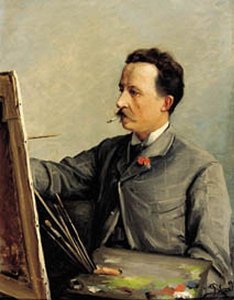
Peder Mørk Mønsted
1859 - 1941 , Dinamarca
Datos clave
- Artistas Que Influyeron:
- Niels Simonsen
- Julius Exner
- Peder Severin Krøyer
- William Bouguereau
- Fecha De Fallecimiento: 20 de junio de 1941
- Fecha De Nacimiento: 10 de diciembre de 1859
- Lugar De Nacimiento: Balle, Dinamarca
- Movimiento Artístico: Realismo
- Nacionalidad: Danés
- Nombre Completo: Peder Mørk Mønsted
- Obras Notables:
- Un día de verano
- Bodegón con flores
- Legende Born I Sneen
- Iglesia de St. Andrea
- Un arroyo boscoso
Artículos relacionados

Peder Mørk Mønsted: Capturing the Danish Golden Age Landscape – A Study in Atmospheric Realism
Explore the captivating landscapes of Peder Mørk Mønsted, a master of Danish Golden Age realism. Discover his atmospheric techniques, influences, and enduring legacy in our expert analysis.

The Enduring Legacy of Oil on Canvas: Technique, History & Aesthetic Impact
Explore the rich history & techniques of oil painting – from Renaissance masters to Impressionism. Discover pigments, layering methods, and why this timeless medium endures. Expert insights for artists & art enthusiasts.

The Enduring Power of Painting: A Historical & Contemporary Exploration of Form and Emotion
Explore the rich history & enduring techniques of oil painting with OriginalUniqueArt. Discover masterpieces, learn about art collecting, and find authentic handmade reproductions crafted by skilled artists.

El Óleo sobre Lienzo: Historia, Técnica y la Persistencia de un Medio Artístico Atemporal
Descubre la historia y técnica del óleo sobre lienzo. Explora reproducciones fieles hechas a mano, personalización artística y consejos de expertos con OriginalUniqueArt. ¡Colecciona arte con confianza!

El Legado Duradero del Óleo sobre Lienzo: Técnica, Historia y Práctica Contemporánea
Descubre la historia y técnica del óleo sobre lienzo. Explora reproducciones fieles hechas a mano, personalización artística y consejos de expertos con .

