
 Vista previa
 Compartir
 Compartir
 Ver detalles

 Descargar
 Ver similares
 Radiografía
 Presentación de diapositivas
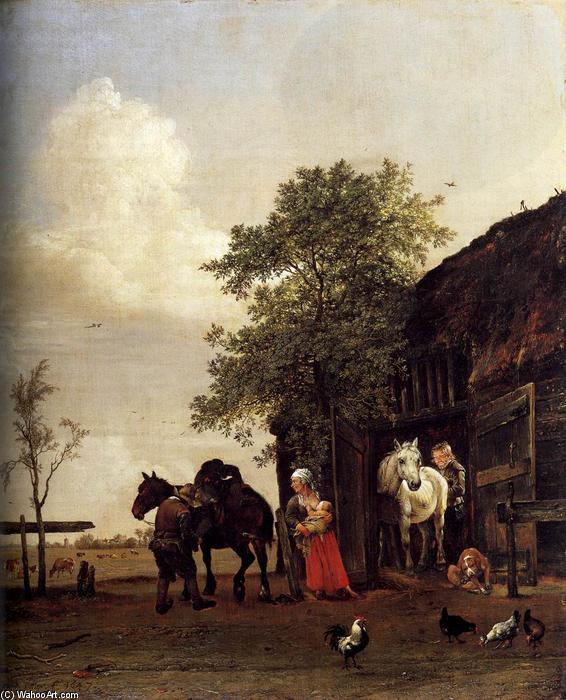
Figures with Horses by a Stable
 Acrylic On Canvas
- WallArt
- Romantic Landscape Painting
 1647
1647 45.0 x 38.0 cm
 Museo de Arte
 Leer más
Adquiera una imagen digital de alta resolución y optimizada, muy superior a la vista previa en línea.
Cada archivo es preparado meticulosamente por nuestros especialistas internos mediante el uso de herramientas avanzadas y un experto retoque manual. Nos aseguramos de que cada imagen posea una claridad excepcional, una precisión cromática impecable y un detalle minucioso.
El archivo final se entrega por correo electrónico en un plazo de 72 horas, optimizado para su uso inmediato en entornos profesionales, editoriales y de impresión. Esta es la misma calidad en la que confían los estudios de diseño, las editoriales y las galerías de primer nivel.
Imagen Digital
Descarga un archivo de alta resolución para exhibición personal, impresión y proyectos creativos. ( Pedir impresión Encargar reproducción pintada a mano)
Incluido en cada compra de imágenes digitales
Entrega digital experta, garantizada.
Al elegir OriginalUniqueArt.com, no solo está adquiriendo una imagen; está recibiendo una obra de arte digital mejorada profesionalmente, elaborada con precisión y respaldada por una garantía de satisfacción. Esto es todo lo que incluye su pedido, automáticamente:

Entrega rápida por email
Recibirá su archivo de imagen digital en alta resolución por correo electrónico en un plazo de 72 horas tras realizar su pedido, listo para su uso inmediato.

Archivo digital optimizado por IA
Su obra de arte se optimiza profesionalmente mediante herramientas avanzadas de IA y edición manual, garantizando el máximo detalle, claridad y precisión cromática.

Reenvío gratuito de por vida
¿Has borrado o perdido tu archivo por error? No te preocupes: te lo volveremos a enviar en cualquier momento, sin coste adicional.

Sin gastos de importación, siempre
Disfrute de su obra de arte al instante sin aduanas, aranceles ni gastos de envío; las descargas digitales siempre están libres de impuestos.

Garantía de precisión de color
Garantizamos que su imagen digital refleje los colores originales con la mayor fidelidad posible, mediante el uso de herramientas profesionales y gestión del color.

Garantía de satisfacción de 60 días
Si no está satisfecho con su imagen digital, la revisaremos o le reembolsaremos el 100% en un plazo de 60 días, sin preguntas.

100% Garantía de devolución de dinero
¿No está satisfecho? Obtenga un reembolso completo dentro de los 60 días posteriores a la recepción de su archivo digital, sin necesidad de explicaciones.

Descuentos por volumen
Compra 3 imágenes, ahorra 10% - Compra 5, ahorra 15% - Compra 10+, ahorra 20%. Ideal para proyectos creativos, galerías y agencias.
Descripción del coleccionable
A Window Into Dutch Baroque: Paulus Potter’s “Figures with Horses by a Stable”
Paulus Potter (1625-1654), a name that resonates deeply within the annals of Dutch Golden Age art, stands as an unparalleled pioneer—a visionary who bridged the gap between meticulous observation and emotive expression. Born in Enkhuizen on November 20, 1625, his artistic journey commenced amidst a familial tapestry woven with threads of creative talent; his father, Pieter Symonsz Potter, was celebrated for his masterful execution of gilded leather hangings and charming genre scenes, while his mother, Aaltje Paulusdr Bartsius, carried the legacy of Willem Bartsius’s esteemed artistry. This formative environment undoubtedly instilled in young Paulus a profound appreciation for the natural world and cultivated an unwavering dedication to artistic precision—qualities that would define his oeuvre. His relocation to Leiden in 1628, followed by Amsterdam in 1631, cemented his position within a vibrant artistic ecosystem brimming with intellectual ferment and transformative influences. It was precisely in Amsterdam’s bustling studios that Potter honed his craft under the tutelage of his father, absorbing invaluable lessons in composition and rendering realistic animal forms.- Subject Matter: The painting depicts a serene tableau—a man attempting to mount his horse with assistance from another individual within the confines of a modest stable yard. This seemingly simple scene transcends mere depiction; it embodies a profound meditation on human interaction with domesticated animals, reflecting the prevailing pastoral ethos of the era.
- Style: Potter’s work exemplifies the burgeoning Romantic movement's influence on Dutch Baroque art. Unlike earlier depictions prioritizing idealized beauty, “Figures with Horses” prioritizes unflinching realism—a commitment to capturing the textures and nuances of animal musculature and behavior with breathtaking accuracy.
- Technique: Potter employed a masterful oil painting technique characterized by meticulous layering and blending—a painstaking process that allowed him to achieve an astonishing level of detail. The artist skillfully utilized chiaroscuro, employing dramatic contrasts between light and shadow to sculpt the forms of the horse and man, imbuing them with palpable physicality and conveying a sense of immediacy.
- Historical Context: Created in 1647, “Figures with Horses” emerged during a period marked by significant societal shifts—the rise of mercantilism fueled economic prosperity alongside growing anxieties about social hierarchy and moral virtue. Potter’s depiction aligns seamlessly with the broader artistic preoccupation of his time—a fascination with capturing the beauty and dignity inherent in rural life and portraying animals as subjects worthy of contemplation.
- Symbolism: Beyond its visual splendor, “Figures with Horses” carries symbolic weight. The horse itself represents strength, nobility, and dominion—themes frequently explored within Dutch art during this period. Simultaneously, the act of mounting symbolizes ambition and aspiration, mirroring the aspirations of individuals striving for social advancement.
Further Exploration
For a deeper understanding of Potter’s artistic vision and its enduring influence, consult resources such as:
* Figures with Horses by a Stable by POTTER, Paulus (Web Gallery of Art)
* Paulus Potter - Figures with Horses by a Stable(OriginalUniqueArt)
Biografía del artista
Vida Temprana y Antecedentes Familiares
- Nacimiento y Bautismo: Paulus Potter nació en Enkhuizen, Países Bajos, el 20 de noviembre de 1625, y fue bautizado el mismo día.
- Familia de Artistas: Provenía de una familia con inclinaciones artísticas. Su padre, Pieter Symonsz Potter, era pintor especializado en tapices dorados y escenas de género. Su madre, Aaltje Paulusdr Bartsius, estaba relacionada con el pintor Willem Bartsius.
- Mudanza a Ámsterdam: La familia se trasladó a Leiden en 1628 y luego a Ámsterdam en 1631, donde Paulus comenzó su formación artística bajo la guía de su padre.
- Primeros Estudios: Aunque principalmente fue enseñado por su padre, algunas fuentes sugieren posibles estudios con Claes Moeyaert en Ámsterdam.
Desarrollo Artístico y Carrera
- Membresía del Gremio: Potter se convirtió en miembro del Gremio de San Lucas en Delft.
- Mudanza a La Haya: Para 1649, se había mudado a La Haya, estableciéndose cerca del pintor paisajista Jan van Goyen.
- Matrimonio y Conexiones Sociales: En julio de 1650, Potter contrajo matrimonio con Adriana van Balckeneynde. Su suegro, un destacado contratista de edificios, lo presentó a miembros influyentes de la sociedad holandesa, incluyendo a Amalia de Solms-Braunfels.
- Regreso a Ámsterdam: En mayo de 1652, regresó a Ámsterdam por invitación de Nicolaes Tulp, un médico y entusiasta del arte que le encargó un retrato de su hijo, Dirck Tulp.
- Muerte Prematura: Lamentablemente, Paulus Potter falleció en Ámsterdam el 17 de enero de 1654, a la joven edad de 28 años, víctima de la tuberculosis.
Estilo y Obras Principales
- Pinturas de Animales en Paisajes: Potter se especializó en representar animales – particularmente ganado – integrados en extensos paisajes. Sus composiciones a menudo presentaban un punto de vista bajo, enfatizando la escala de la naturaleza.
- El Toro Joven (c. 1647): Considerada su obra más famosa, *El Toro Joven*, ahora ubicada en el Mauritshuis en La Haya, es celebrada por su representación realista de un animal dentro de un vasto paisaje. Inicialmente fue recibida con algunas críticas pero luego ganó reconocimiento como un ejemplo temprano del Romanticismo.
- Otras Obras Notables: Sus otras obras significativas incluyen *Figuras con Caballos junto a un Estable* (1647), *Castigo de un Cazador* (c. 1647), *Dos Cerdos en un Corral* (1649) y *Sabueso* (c. 1650–1652).
- Grabados: Potter también produjo numerosos grabados, a menudo representando ganado y otros animales.
Influencias e Importancia Histórica
- Influencia de Jan van Goyen: Su tiempo pasado cerca de Jan van Goyen en La Haya probablemente influyó en su estilo paisajístico, particularmente el énfasis en los efectos atmosféricos y la representación realista de la naturaleza.
- Pionero del Romanticismo: Potter es reconocido como un precursor del movimiento Romántico debido a su conexión emocional con la naturaleza y su enfoque en retratar su grandeza. *El Toro Joven* se convirtió en un ejemplo icónico de esta sensibilidad romántica temprana.
- Legado y Reconocimiento: A pesar de su corta vida, Potter dejó atrás aproximadamente 100 pinturas. Su obra fue admirada durante el siglo XIX por su naturalismo y profundidad emocional.
- Monumentos Conmemorativos: Se erigió una estatua conmemorativa a Potter en Enkhuizen en 1991, que lo representa esbozando una cabra.
Características Artísticas
- Líneas de Horizonte Bajas: Potter empleaba frecuentemente líneas de horizonte bajas para crear una sensación de inmensidad y enfatizar la escala del paisaje.
- Representación Realista de Animales: Era conocido por su meticulosa atención al detalle en la representación de animales, capturando su anatomía y comportamiento con notable precisión.
- Efectos Atmosféricos: Sus paisajes a menudo presentan sutiles efectos atmosféricos, como la luz y la sombra, que contribuyen al estado de ánimo general y al realismo de la escena.
- Paleta de Colores Sutiles: Potter típicamente utilizaba una paleta de colores apagados dominada por tonos tierra, reflejando los colores naturales del campo holandés.

Paulus Potter
1625 - 1654 , Países Bajos
Datos clave
- Artistas Influenciados: ['Albert Jansz Klomp']
- Artistas Que Influyeron:
- Pieter Potter
- Jan van Goyen
- Fecha De Fallecimiento: 17 de enero de 1654
- Fecha De Nacimiento: 20 de noviembre de 1625
- Lugar De Nacimiento: Enkhuizen, Países Bajos
- Movimiento Artístico: Romanticismo
- Nacionalidad: Holandés
- Nombre Completo: Paulus Potter
- Obras Notables:
- El toro joven
- Figuras con caballos
- Castigo de un cazador

