Ver en contexto
 Enviar
 Compartir
 Detalles
 Guía
Guía

 Descargar
 Similares
 Radiografía
 Presentación de diapositivas
 Estadísticas
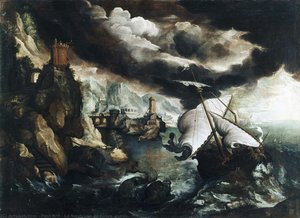
A Forest Pool
 Oil On Canvas
- WallArt
- Baroque Landscape
 1595
1595 201.0 x 270.0 cm
 Musées Royaux des Beaux-Arts
 Ver más
Reproducción al óleo hecha a mano
Óleo sobre lienzo pintado a mano en el tamaño y marco de su elección, realizado por encargo por nuestros artistas. ( Cambiar a impresiones Cambiar a imagen digital)




P118B €10

P118H €10

P118W €10

P438Z €10

P508JH €12

P508YH €12

P805H €10

P805Z €10

P919BZ €10

P919G €10

P919XJ €10

P959ZH €10

P968JZ €12

W106C €8

W218G €10

W218JH €8

W218Y €10

W307PJ €10

W316G €10

W316PJ €8

W316Y €10

W398PJ €8

W4111J €10

W500HY €15

W500JH €15

W692G €12

W849H €8

W940BG €15

W953PJ €8




Elija entre nuestros tamaños predefinidos que respetan las proporciones originales de la obra.

Indique el ancho y el alto que necesite para adaptarse a su marco o pared. Al tratarse de una obra pintada a mano, si requiere un tamaño con una proporción distinta, el artista puede pintar un poco más alrededor de la imagen o recortarla ligeramente; usted elige. Le enviaremos una maqueta digital para su aprobación antes de comenzar la pintura. La imagen que se muestra en esta página no refleja el resultado real; solo la maqueta lo hace.
Tras realizar el pedido, el equipo de OriginalUniqueArt.com enviará un correo electrónico al cliente para solicitar instrucciones y proporcionarle una vista previa del boceto.
Envío a todo el mundo () en 3-4 semanas en lugar de las 5 semanas estándar. (27 octubre). Sin comprometer la calidad.

Envío exprés gratuito a todo el mundo

Lienzo de lino de alta calidad

Seguro de envío total

Garantía de reembolso de aranceles aduaneros

Garantía de fidelidad cromática exacta

Política de devolución de 100 días (solo por defectos)

Garantía de devolución del 100% del dinero

Descuento por cantidad
 La opción de vidrio solo está disponible en tamaños inferiores a 110 cm.

A Forest Pool
Técnica de reproducción
Dimensiones de la reproducción
-


Precio total final
€ 264
A Forest Pool by Paul Bril
Paul Bril’s “A Forest Pool” stands as a testament to the Northern Renaissance fascination with capturing the sublime beauty of nature—a pursuit that profoundly shaped European artistic sensibilities during its time. Created in 1595, this drawing resides within the Musées Royaux des Beaux-Arts de Bruxelles, Belgium, offering viewers an intimate glimpse into Bril’s masterful approach to landscape depiction.Subject Matter and Composition
The artwork portrays a serene woodland scene dominated by a tranquil pool reflecting the surrounding trees—a motif prevalent in Renaissance art as it sought to convey spiritual contemplation and harmony. The composition is meticulously structured; the pool occupies the central axis, drawing the eye upwards towards the layered foliage of the trees. A solitary figure stands near the water’s edge, subtly anchoring the scene and introducing a human element into this predominantly natural panorama. This deliberate arrangement underscores Bril's intention to portray not merely visual splendor but also an idealized representation of the natural world.Artistic Style and Technique
“A Forest Pool” exemplifies the Northern Renaissance style—characterized by painstaking detail, refined line work, and a masterful use of perspective. Bril’s technique relies heavily on hatching and cross-hatching to imbue the tree trunks and branches with texture and volume, creating an illusion of depth that transcends mere representation. The artist skillfully employs shading to illuminate the scene, highlighting the interplay between light and shadow—a technique borrowed from Leonardo da Vinci and perfected by artists like Pieter Bruegel the Elder. This careful attention to tonal variation contributes significantly to the overall atmosphere of tranquility and contemplation.Historical Context and Influences
Bril’s work emerged during a period marked by intellectual curiosity and artistic experimentation, mirroring broader trends in European art. He drew inspiration from fellow Renaissance masters like Jan Brueghel the Elder and Pieter Bruegel the Elder, whose landscapes similarly explored themes of human interaction with nature—often imbued with moral lessons. Furthermore, Bril’s compositions resonate with classical ideals of beauty and order, reflecting the humanist spirit that characterized the era. The drawing's popularity spurred numerous reproductions on OriginalUniqueArt.com, showcasing Jan Sanders Van Hemessen's "The Prodigal Son" and Hans Memling's "The Martyrdom of St Sebastian"—comparisons highlighting Bril’s stylistic influence.Symbolism and Emotional Impact
Beyond its aesthetic qualities, “A Forest Pool” carries symbolic weight—representing serenity, contemplation, and the harmonious relationship between humanity and the natural world. The stillness of the water mirrors inner peace, while the towering trees symbolize strength and resilience. Bril's masterful rendering evokes a profound sense of tranquility and invites viewers to immerse themselves in the beauty of unspoiled wilderness. It serves as an enduring reminder of the Renaissance’s commitment to capturing both visual splendor and spiritual truth—a legacy that continues to inspire artists today.- Artist: Paulus Bril
- Date: 1595
- Location: Musées Royaux des Beaux-Arts de Bruxelles
Preguntas y respuestas
¿Qué representa "A Forest Pool" de Paulus Bril y qué atmósfera transmite?
"A Forest Pool" de Paulus Bril combina landscape, forest, tranquility, perspective, detail, baroque art, reflection, composition con una atmósfera Calm.
¿Qué paleta y qué color predominante definen a "A Forest Pool"?
"A Forest Pool" se define por una paleta de Neutrals con predominio del Driftwood (#8e7c5d).
¿A qué etapa de la trayectoria de Paulus Bril corresponde la fecha de 1595 de "A Forest Pool"?
Dada su fecha de 1595, "A Forest Pool" se sitúa en el Mature Period de Paulus Bril.
Biografía del artista
Paulus Bril (Paul Brill): Un Maestro del Paisaje Italianizante
Paulus Bril, también conocido como Paul Brill (1554-1626), fue un influyente pintor y grabador flamenco celebrado por su papel pionero en el desarrollo del género del paisaje italianizante. Nacido en Amberes, Bélgica, pasó la mayor parte de su carrera en Roma, donde su obra impactó significativamente tanto en la pintura paisajística italiana como en la norteuropea. Su legado artístico reside en su capacidad para capturar la belleza y la grandeza del campo italiano al tiempo que incorpora motivos clásicos y una perspectiva atmosférica distintiva.
Vida Temprana y Desarrollo Artístico
- Nacimiento y Familia: Paulus Bril nació en Amberes, aunque algunas fuentes sugieren Breda como posible lugar de nacimiento. Provenía de una familia artística; su padre era tanto pintor como comerciante de arte, proporcionando a joven Paulus una temprana exposición al mundo del arte.
- Formación Inicial e Influencias: Su formación inicial probablemente ocurrió dentro de su círculo familiar, absorbiendo las tradiciones de la pintura paisajística flamenca. Esta base enfatizaba los efectos atmosféricos – el uso de la luz, el color y la perspectiva aérea para crear una sensación de profundidad y estado de ánimo. Las primeras obras reflejan esta influencia, mostrando un meticuloso detalle y un enfoque en la representación realista.
- Traslado a Roma: Un momento crucial en la carrera de Bril fue su traslado a Roma. Este movimiento lo expuso directamente a los paisajes italianos y le permitió desarrollar su estilo característico – el paisaje italianizante.
El Paisaje Italianizante e Innovaciones Artísticas
- Características Definitorias: Los paisajes italianizantes de Bril se caracterizan por su representación de vistas idealizadas del campo italiano, a menudo con ruinas clásicas (templos, arcos, columnas), vías fluviales pintorescas, vegetación exuberante y escenas pastorales idílicas.
- Motivos Clásicos y Composición: Integró hábilmente elementos arquitectónicos clásicos en sus composiciones, creando una armoniosa mezcla de naturaleza y antigüedad. Sus paisajes no son meras representaciones de paisajes; evocan una sensación de historia, grandeza y belleza atemporal.
- Luz y Atmósfera: Su magistral uso de la luz y el color es crucial para el atractivo de su obra. Empleó tonos cálidos y sutiles degradados para crear una atmósfera luminosa que atrae al espectador a la escena. Su comprensión de la perspectiva aérea – cómo los objetos parecen más tenues y azules con la distancia – añade profundidad y realismo a sus paisajes.
- Influencia en Contemporáneos: El estilo de Bril tuvo un profundo impacto en otros artistas, notablemente Claude Lorrain, quien admiró y emuló enormemente el enfoque de Bril hacia la pintura paisajística. También influyó a Willem van Nieulandt, como lo demuestra su interés compartido en representar ruinas italianizantes.
Logros Mayores y Significado Histórico
- Revolucionando la Pintura Paisajística: Paulus Bril es considerado una figura clave en el desarrollo del género del paisaje italianizante, estableciendo un nuevo estándar para la pintura paisajística tanto en Italia como en Europa del Norte.
- Popularidad y Patronato: Sus obras fueron muy solicitadas durante su vida, lo que demuestra su popularidad entre coleccionistas y mecenas.
- Legado: El énfasis de Bril en los motivos clásicos, la perspectiva atmosférica y la representación idealizada de la naturaleza influyó en generaciones de pintores paisajísticos que le siguieron. Ayudó a elevar la pintura paisajística de un género secundario a uno de considerable mérito artístico.
Colecciones y Mayor Exploración
Obras de Paulus Bril se pueden encontrar en prestigiosas museos y colecciones de toda Europa. Destacan las siguientes posesiones:
- Museo Groeninge, Brujas, Bélgica
- Casa Rockox, Amberes, Bélgica
Para explorar más a fondo su arte, considere visitar la página del artista Paulus Bril y las obras de arte relacionadas en OriginalUniqueArt.com.

Paulus Bril
1554 - 1626 , Bélgica
Datos clave
- Fecha De Fallecimiento: 1626
- Fecha De Nacimiento: 1554
- Influenciado Por: ['Claude Lorrain']
- Lugar De Nacimiento: Amberes, Bélgica
- Movimiento Artístico: Italianizante, manierismo
- Nacionalidad: Flamenco
- Nombre Completo: Paulus Bril / Paul Brill
- Obras Notables:
- Vista de Bracciano
- Paisaje con Erminia
Artículos relacionados
Epic Drama & Dark Vibes: The Ultimate Collector's Guide to Baroque Landscapes
Master the art of drama with our ultimate guide to Baroque landscapes. Discover the power of chiaroscuro, explore legendary masters, and learn how to curate epic, dark-vibe masterpieces for your collection with expert insights from OriginalUniqueArt.

Mastering Drama and Light: A Definitive Guide to the Flemish Baroque Art Movement
Explore the dramatic brilliance of the Flemish Baroque movement. Discover how masters like Peter Paul Rubens utilized chiaroscuro and dynamic composition to redefine art history through light, shadow, and unparalleled emotion.

Paul Cézanne: Las 25 Obras Maestras que Definieron el Arte Moderno | OriginalUniqueArt
Descubre las 25 obras maestras de Paul Cézanne que revolucionaron el arte moderno. Explora su técnica, inspiración y significado en paisajes, bodegones y retratos. Reproducciones de alta calidad para decorar tu hogar con arte inolvidable. ¡Explora la colección completa en OriginalUniqueArt.com!

Drama and Light: A Definitive Guide to the Italian Baroque Masterpieces and the Revolution of Chiaroscuro
Explore the dramatic world of Italian Baroque art. Discover how masters like Caravaggio used chiaroscuro and tenebrism to revolutionize painting through light, shadow, and profound realism. A definitive guide for history lovers and art collectors.
Paul Klee: Las 25 Obras Maestras que Definen un Genio del Arte Moderno | OriginalUniqueArt
Descubre las 25 obras maestras de Paul Klee, el genio del arte moderno. Explora su expresionismo único, composiciones abstractas y vibrantes paletas de colores. Reproducciones de alta calidad y decoración con arte en OriginalUniqueArt.com.