
 Ver en contexto
 Enviar
 Compartir
 Detalles
 Guía
Guía

 Descargar
 Similares
 Radiografía
 Presentación de diapositivas
 Preguntas y respuestas
 Estadísticas
London Cries: A Man with a Bottle

- 19.0 x 14.0 cm


 Ver más
Giclée / Impresión de arte
Impresiones giclée o en lienzo de calidad de museo con producción rápida y opciones de acabado flexibles. ( Comprar pintura hecha a mano Cambiar a imagen digital)




P118B €10

P118H €10

P118W €10

P438Z €10

P508JH €12

P508YH €12

P805H €10

P805Z €10

P919BZ €10

P919G €10

P919XJ €10

P959ZH €10

P968JZ €12

W106C €8

W218G €10

W218JH €8

W218Y €10

W307PJ €10

W316G €10

W316PJ €8

W316Y €10

W398PJ €8

W4111J €10

W500HY €15

W500JH €15

W692G €12

W849H €8

W940BG €15

W953PJ €8




Elija entre nuestros tamaños predefinidos que respetan las proporciones originales de la obra.

Introduzca el ancho y el alto que necesite para adaptarse a su marco o pared. Una impresión solo puede recortarse, nunca hacerse más grande que la imagen original, por lo que un tamaño con una forma distinta perderá parte de la obra. Le enviaremos una maqueta digital para su aprobación antes de realizar cualquier impresión. La imagen que se muestra en esta página no refleja el recorte real; solo la maqueta lo hace.
Envío a todo el mundo () en 2 semanas en lugar de las 4/5 semanas estándar. (6 noviembre)

Envío exprés gratuito a todo el mundo

Lienzo de lino de alta calidad

Seguro de envío total

Garantía de reembolso de aranceles aduaneros

Garantía de fidelidad cromática exacta

Política de devolución de 100 días (solo por defectos)

Garantía de devolución del 100% del dinero

Descuento por cantidad
 La opción de vidrio solo está disponible en tamaños inferiores a 110 cm.

London Cries: A Man with a Bottle
Giclée / Impresión de arte
Dimensiones de la reproducción
-


Precio total final
€ 72
A Snapshot of London Life: Paul Sandby’s “London Cries”
Paul Sandby's "London Cries: A Man with a Bottle," painted in 1759, isn’t merely a depiction of a street scene; it’s a vibrant, almost theatrical window into the bustling heart of eighteenth-century London. This watercolor, now meticulously reproduced as a hand-painted artwork by OriginalUniqueArt, captures a moment of everyday commerce and perhaps, a touch of wry observation, offering a glimpse into the lives of ordinary people within the grand tapestry of the city.
The scene unfolds in a shadowed alleyway, dominated by a weathered brick wall – a common feature of London’s densely packed streets. A man, dressed in a simple brown coat and hat, stands center stage, holding a bottle and a small bag. His posture suggests a practiced routine, a familiar dance with the city's commerce. The details are remarkably precise for the era: the folds of his clothing, the worn texture of the brick, even the subtle shadows cast by the light – all speak to Sandby’s keen eye for observation and his commitment to realistic representation. The background hints at a tavern or public space, filled with figures engaged in conversation, further immersing the viewer within the scene.
A Master of Watercolor Technique
Sandby was a pioneer in watercolor painting, particularly known for his ability to capture light and atmosphere with remarkable subtlety. This work exemplifies his mastery of the medium. Notice how he uses washes of color – delicate blues and greens for the shadows, muted browns for the brickwork – to create depth and volume. The loose, expressive brushstrokes contribute to a sense of immediacy and spontaneity, as if Sandby were capturing the scene in real-time. He employed a technique known as ‘grisaille,’ using monochrome washes to establish the tonal values before adding color, ensuring accuracy and balance within the composition.
The choice of paper – slightly textured laid paper – is also significant. It provides an ideal surface for watercolor, allowing the pigment to flow freely while maintaining a certain toothiness that enhances the visual impact of the brushstrokes. The overall effect is one of luminous quality, with light dancing across the figures and surfaces.
Historical Context: London in Transition
"London Cries" offers a fascinating insight into the social and economic landscape of 18th-century London. The title itself refers to the practice of street vendors hawking their wares – bottles of ale, small bags of goods, and various other items – to passersby. These “criers” were an integral part of the city’s economy and daily life. Sandby's painting isn’t simply a portrait of a vendor; it’s a representation of a vital urban activity.
Painted during a period of significant social change, London was experiencing rapid growth and transformation. The city was becoming increasingly crowded and diverse, with new industries emerging and traditional trades evolving. Sandby's work reflects this dynamism, capturing the energy and complexity of a rapidly changing metropolis. The painting also provides a poignant reminder of the lives of ordinary people – often overlooked in grand historical narratives – who contributed to the vibrant pulse of the city.
Symbolism and Emotional Resonance
Beyond its documentary value, “London Cries” possesses a subtle emotional resonance. The man’s expression is ambiguous—is he weary, hopeful, or simply focused on his trade? The shadows and muted colors contribute to a sense of quiet melancholy, suggesting the hardships and uncertainties of urban life. Yet, there's also an undeniable charm in the scene – a testament to the resilience and adaptability of Londoners.
As a hand-painted reproduction by OriginalUniqueArt, this artwork retains Sandby’s original spirit while offering exceptional clarity and detail. It’s more than just a print; it’s a tangible connection to a pivotal moment in British art history—a captivating glimpse into the soul of London itself.
Preguntas y respuestas
¿Quién creó "London Cries: A Man with a Bottle" y de qué estilo es?
Paul Sandby creó "London Cries: A Man with a Bottle" dentro del movimiento Neoclassicism.
¿Qué técnica se utilizó para "London Cries: A Man with a Bottle" de Paul Sandby?
La técnica de "London Cries: A Man with a Bottle" de Paul Sandby es Acrylic On Canvas. Las reproducciones pretenden recrear la apariencia de esta técnica.
¿Qué temas aparecen en "London Cries: A Man with a Bottle" de Paul Sandby?
Los temas presentes en "London Cries: A Man with a Bottle" de Paul Sandby incluyen 18th century london, street performer scene, british portraiture, vintage print art, historical figure, urban life 1759, ink drawing style, los cuales resumen la temática de la obra.
Biografía del artista
Paul Sandby RA: Un Pionero de la Pintura del Paisaje Inglés
Paul Sandby (1731 – 7 de noviembre de 1809) se erige como una figura fundamental en la historia de la pintura del paisaje inglesa, reconocido no solo por su destreza artística sino también por establecer una nueva tradición estética que influyó profundamente en las generaciones posteriores. Nacido en Nottingham, hijo de Thomas Sandby, un trabajador textil, la infancia de Paul estuvo marcada por la autoeducación y una fascinación innata por la observación – cualidades que se convertirían en pilares fundamentales para forjar su extraordinario carrera como cartógrafo y pintor. A diferencia de muchos artistas de su época que buscaban formación formal, Sandby perfeccionó su oficio de manera independiente, sumergiéndose en el mundo natural y documentando meticulosamente su belleza a través del color aguafuerte.- Primeros Años y Formación: Los años formativos de Paul le inculcaron una profunda apreciación por el detalle y la precisión – habilidades que luego se traducirían sin problemas en sus trabajos cartográficos. Su hermano Thomas, también dibujante, fomentó esta inclinación artística, alentando la experimentación y promoviendo un espíritu colaborativo.
- Servicio Militar y la Encuesta del Paisaje Escocés: La participación de Sandby en el departamento de dibujo militar de la Torre de Londres lo impulsó a un papel que le expondría a la grandeza de Escocia durante la Rebelión Jacobita. Esta comisión le encomendaba la creación de mapas topográficos y dibujos de paisajes escoceses, un proyecto que consolidó su reputación como registrador visual de la historia y lo convirtió en uno de los pintores de paisaje más destacados de su época.
- Colaboración y Estilo Artístico: La asociación con Thomas fue crucial para el desarrollo artístico de Sandby. Juntos, establecieron una academia en Nottingham, atrayendo a jóvenes artistas ansiosos por aprender de su experiencia. Su estilo distintivo – caracterizado por suaves lavados de color y una magistral representación de la perspectiva atmosférica – se hizo instantáneamente reconocible e influyó profundamente.
- Patrocinio Real y Contribuciones Arquitectónicas: El vínculo de Sandby con Jorge III elevó su estatus dentro de la comunidad artística, asegurándole puestos en la Academia Militar de Woolwich y el Parque Real de Windsor. Sus diseños arquitectónicos, como Cumberland Lodge, demostraron su versatilidad y consolidaron su legado como un constructor visionario que buscaba armonizar arte y naturaleza.
- Legado e Influencia: Los acuarelas de Sandby son celebradas por su realismo incomparable – testimonio de su dedicación a capturar los sutiles efectos de la luz natural y la textura. Empleó hábilmente técnicas como el temple en capas y el punteado para lograr efectos impresionantes de luz y sombra, creando imágenes que no solo transmiten esplendor visual sino también una palpable sensación de ambiente y atmósfera. Su meticulosa atención al detalle se extendía más allá de la mera representación; buscaba evocar el espíritu del lugar – la esencia misma de los paisajes escoceses e ingleses – transformando los paisajes en vehículos para transmitir emoción e intelecto.
De la Cartografía al Paisaje: Un Artista en Evolución
La trayectoria de Sandby no se limitó a la pintura; su formación como cartógrafo le proporcionó una base sólida para comprender el mundo natural y sus complejidades. Su trabajo en la encuesta militar de Escocia, donde documentó los paisajes montañosos y las aldeas rurales, le permitió desarrollar un ojo agudo para la forma, la luz y el color. Esta experiencia influyó profundamente en su estilo pictórico, que se caracterizó por una precisión meticulosa y una capacidad excepcional para capturar la atmósfera y el ambiente de cada lugar.- El Impacto de la Encuesta Militar: La encarga de crear mapas topográficos y dibujos de paisajes escoceses durante la Rebelión Jacobita fue un momento crucial en la carrera de Sandby. Le permitió viajar extensamente por Escocia, observando de cerca los cambios que se estaban produciendo en el país después del conflicto. Estos viajes le proporcionaron una riqueza de material para sus pinturas, que reflejan tanto la belleza natural como las cicatrices de la guerra.
- La Evolución del Estilo: A medida que Sandby avanzaba en su carrera, su estilo pictórico evolucionó gradualmente. Inicialmente influenciado por el estilo realista de los pintores paisajistas franceses, comenzó a incorporar elementos de Romanticismo en su trabajo, como la exaltación de la naturaleza y la expresión de emociones intensas.
- La Experimentación con Nuevas Técnicas: Sandby fue un innovador en el uso de técnicas pictóricas. Fue uno de los primeros artistas en experimentar con el color aguafuerte, una técnica que le permitió crear imágenes vibrantes y luminosas. También desarrolló su propia técnica de temple en capas, que le permitía construir gradualmente la imagen, creando efectos de profundidad y textura impresionantes.
Reconocimiento Real y Legado Artístico
El patrocinio real fue un factor clave en el éxito de Sandby. Su habilidad para pintar paisajes con precisión y belleza atrajo la atención del rey Jorge III, quien le encomendó varios encargos importantes, incluyendo la creación de diseños para edificios públicos y monumentos. El reconocimiento real elevó su estatus dentro de la comunidad artística y le permitió dedicarse por completo a su arte.- Miembro Fundador de la Royal Academy: Sandby fue uno de los 28 miembros fundadores nominados para la Royal Academy en 1768, un hito que marcó el nacimiento de una nueva institución artística en Gran Bretaña. Su participación en la fundación de la Academia reflejó su compromiso con el avance del arte y la promoción de la educación artística.
- Influencia Duradera: El legado de Sandby perdura hasta nuestros días. Sus pinturas son admiradas por su belleza, su precisión y su capacidad para evocar emociones intensas. Es considerado “el padre de la pintura del paisaje inglesa”, un título merecidamente otorgado por su papel pionero en la configuración de la cultura artística británica y el establecimiento de un lenguaje visual que sigue resonando con los públicos actuales.
Paul Sandby: Un Artista en Contexto Histórico
Sandby vivió durante una época de importantes cambios sociales, políticos y culturales. La Revolución Industrial estaba transformando Gran Bretaña, y la pintura del paisaje se convirtió en un medio para documentar y celebrar los paisajes naturales que estaban siendo alterados por el progreso. Sandby fue testigo de estos cambios y su trabajo refleja tanto la belleza como la fragilidad del mundo natural.- El Romanticismo Inglés: El trabajo de Sandby está estrechamente relacionado con el movimiento romántico inglés, que enfatizaba la importancia de la emoción, la imaginación y la conexión con la naturaleza. Sus pinturas capturan la atmósfera y el ambiente de los paisajes escoceses e ingleses de una manera que evoca sentimientos de asombro, admiración y melancolía.
- El Papel del Artista: Sandby fue un artista comprometido con su tiempo. Participó activamente en debates sobre arte y cultura, y utilizó su trabajo para promover la educación artística y el amor por la naturaleza. Su legado perdura como un testimonio de la importancia del arte como una fuerza para el cambio social y cultural.

Paul Sandby
1798 - 1863 , Reino Unido
Datos clave
- Artistic Movement Or Style: Landscape Painting
- Artists Who Influenced This Artist: ['Thomas Gainsborough']
- Date Of Birth: 1731
- Date Of Death: 1809
- Full Name: Paul Sandby RA
- Nationality: English
- Notable Artworks:
- The Light Steps
- Paul Sandby
- Place Of Birth: Nottingham, United Kingdom
Artículos relacionados
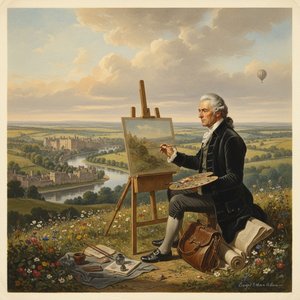
Thomas Sandby: Pioneering Watercolourist & Topographer of Georgian England
Explore the life & art of Thomas Sandby (1721-1798), a pioneering English watercolourist and architect. Discover his innovations, role in founding the Royal Academy, and lasting legacy at OriginalUniqueArt.

Dominando la Abstracción: Las 25 Obras Maestras de Paul Klee
Explora las 25 obras maestras de Paul Klee y su ritmo abstracto. Encuentra reproducciones de museo en OriginalUniqueArt.com.

Maestría y Forma: Las 25 Mejores Obras de Paul Cézanne
Explora las 25 obras maestras de Paul Cézanne y su legado postimpresionista. ¡Descubre toda la colección en OriginalUniqueArt.com!

25 Obras Maestras del Museo Británico que Debes Ver: Un Viaje por la Historia
Explora 25 tesoros del Museo Británico: de Da Vinci a Miguel Ángel. ¡Descubre estas obras maestras en OriginalUniqueArt.com!

Las 25 obras maestras imprescindibles de la National Gallery de Londres
Explora 25 joyas de la National Gallery, desde Van Gogh hasta Caravaggio. ¡Descubre estas obras maestras en OriginalUniqueArt.com!


