
 Ver en contexto
 Enviar
 Compartir
 Detalles
 Guía
Guía

 Descargar
 Similares
 Radiografía
 Presentación de diapositivas
 Preguntas y respuestas
 Estadísticas
Sunrise, Inverness Copse

- 25.0 x 36.0 cm


 Ver más
Giclée / Impresión de arte
Impresiones giclée o en lienzo de calidad de museo con producción rápida y opciones de acabado flexibles. ( Comprar pintura hecha a mano Cambiar a imagen digital)




P118B €10

P118H €10

P118W €10

P438Z €10

P508JH €12

P508YH €12

P805H €10

P805Z €10

P919BZ €10

P919G €10

P919XJ €10

P959ZH €10

P968JZ €12

W106C €8

W218G €10

W218JH €8

W218Y €10

W307PJ €10

W316G €10

W316PJ €8

W316Y €10

W398PJ €8

W4111J €10

W500HY €15

W500JH €15

W692G €12

W849H €8

W940BG €15

W953PJ €8




Elija entre nuestros tamaños predefinidos que respetan las proporciones originales de la obra.

Introduzca el ancho y el alto que necesite para adaptarse a su marco o pared. Una impresión solo puede recortarse, nunca hacerse más grande que la imagen original, por lo que un tamaño con una forma distinta perderá parte de la obra. Le enviaremos una maqueta digital para su aprobación antes de realizar cualquier impresión. La imagen que se muestra en esta página no refleja el recorte real; solo la maqueta lo hace.
Envío a todo el mundo () en 2 semanas en lugar de las 4/5 semanas estándar. (3 noviembre)

Envío exprés gratuito a todo el mundo

Lienzo de lino de alta calidad

Seguro de envío total

Garantía de reembolso de aranceles aduaneros

Garantía de fidelidad cromática exacta

Política de devolución de 100 días (solo por defectos)

Garantía de devolución del 100% del dinero

Descuento por cantidad
 La opción de vidrio solo está disponible en tamaños inferiores a 110 cm.

Sunrise, Inverness Copse
Giclée / Impresión de arte
Dimensiones de la reproducción
-


Precio total final
€ 72
A Vision of Desolation Amidst Beauty
In the hauntingly beautiful watercolor "Sunrise, Inverness Copse," painted in 1918, Paul Nash invites us into a landscape that is simultaneously devastating and transcendent. Created during the height of World War I, this masterpiece serves as a profound meditation on the scars left by conflict upon the natural world. The scene captures the Western Front near Ypres, Belgium, not through the lens of traditional combat, but through the quiet, eerie aftermath of destruction. As the sun begins to crest over the horizon, it illuminates a skeletal forest of shattered trees, their broken trunks silhouetted against a bruised and atmospheric sky. It is a work that captures a singular, breathless moment where the dawn of hope meets the heavy reality of loss.
Nash’s technical mastery is evident in his delicate yet impactful use of watercolor on paper. Eschewing the rigid lines of traditional realism, he employed a layered washing technique to achieve subtle gradations of tone and texture. This method allows for an ethereal quality to permeate the piece; the sky feels heavy with moisture and memory, while the earth appears saturated with the mud and ochre hues characteristic of the battlefield. The artist’s use of geometric shapes and fractured compositions mirrors the psychological trauma of the era, creating a visual language that speaks to the splintered psyche of a generation. For the discerning collector, this technique offers a depth of texture that makes a high-quality reproduction feel remarkably alive and atmospheric.
Symbolism and the Spirit of Resilience
Beyond its striking visual impact, "Sunrise, Inverness Copse" is rich with complex symbolism that resonates deeply with the human experience. The towering, broken trees stand as poignant metaphors for strength and endurance; though they have been violently uprooted and broken by the machinery of war, they remain stubbornly anchored to the earth, clinging to life amidst the wreckage. Nash further weaves a narrative of interconnectedness through the inclusion of a still lake, which acts as a mirror reflecting the sky, bridging the gap between the celestial and the terrestrial. Even the sparse presence of birds scattered across the canvas suggests a fragile, persistent beauty that refuses to be extinguished by darkness.
For interior designers and art enthusiasts alike, this painting offers a unique emotional resonance. It is not merely a depiction of war, but an exploration of resilience. The interplay between the somber browns of the devastated earth and the luminous light of the rising sun provides a sophisticated palette that can anchor a room with both gravity and grace. Whether placed in a quiet study or as a focal point in a contemporary living space, Nash’s work invites contemplation, offering a sense of peace found within the struggle. It is an exquisite choice for those seeking art that possesses both historical weight and a timeless, poetic soul.
Preguntas y respuestas
¿Es "Sunrise, Inverness Copse" una de las obras más populares de Paul Nash?
El nivel de popularidad registrado para "Sunrise, Inverness Copse" de Paul Nash es Iconic.
¿Dónde se recomienda exhibir el formato Landscape de "Sunrise, Inverness Copse"?
El formato (Landscape) y el espacio recomendado (Living Room) son los dos datos de colocación registrados para "Sunrise, Inverness Copse" de Paul Nash.
¿Es "Sunrise, Inverness Copse" de Paul Nash de dominio público?
"Sunrise, Inverness Copse" de Paul Nash es de en el dominio público: sus derechos de autor han expirado. Este estado determina cómo se puede reproducir la imagen de la obra.
Biografía del artista
Primeros Años e Influencias
- Nacido: Kensington, Reino Unido (1889)
- Fallecido: 1946
- Paul Nash nació el 11 de mayo de 1889 en Londres. Su padre, William Harry Nash, era abogado y su madre, Caroline Maude, mostró signos de enfermedad mental desde temprana edad. La familia se mudó a Iver Heath, Buckinghamshire, cuando Paul era joven, un movimiento destinado a beneficiar la salud de su madre.
- Educación: Asistió a la Parsons School of Art y luego a la Slade School of Fine Art. Aunque era competente en pintura de paisajes, le costaba dibujar figuras.
- Primeras Influencias: Nash estuvo fuertemente influenciado por William Blake y J.M.W. Turner, lo que se evidencia en sus primeras obras. También se inspiró en paisajes con elementos históricos antiguos como túmulos funerarios y fuertes de la Edad de Hierro.
Estilo Artístico y Desarrollo
- Estilo: El estilo de Paul Nash combinaba el modernismo con técnicas tradicionales. Utilizaba colores audaces, formas geométricas y formas abstractas, lo que lo distinguía de sus contemporáneos.
- Tendencias Surrealistas: Aunque no era estrictamente un surrealista, Nash se vio influenciado por este movimiento, particularmente después de ver una exposición de Giorgio de Chirico en 1928. Su obra incorporaba paisajes simbólicos con objetos cotidianos.
- Arte Bélico: Durante la Primera y Segunda Guerra Mundial, Nash sirvió como artista oficial de guerra. Sus representaciones de los campos de batalla eran notables por su belleza inquietante y su exploración del impacto del conflicto en el paisaje. Obras destacadas incluyen "The Menin Road".
- "Criaturas Aéreas": Una serie producida durante la Segunda Guerra Mundial que presenta representaciones antropomórficas de aviones derribados en paisajes, demostrando su estilo y simbolismo en evolución.
Logros Destacados y Reconocimiento
- Pionero del Modernismo Británico: Nash jugó un papel crucial en la configuración del arte moderno británico, combinando la pintura de paisajes tradicional con la estética modernista.
- Legado Artístico Bélico: Sus pinturas de guerra se consideran representaciones icónicas del impacto del conflicto tanto en los soldados como en el medio ambiente.
- Grupo Unit One: Co-fundó Unit One en 1933 junto con Ben Nicholson y Barbara Hepworth, un grupo significativo dentro de la escena artística británica.
- Escritor y Diseñador: Más allá de la pintura, Nash también fue un escritor respetado sobre arte y diseñó artes aplicadas como escenografía teatral, tejidos y carteles.
Influencias y Legado
- Influencia en Artistas Posteriores: El estilo único de Nash y su uso del color influyeron en generaciones de artistas que le siguieron.
- Conexión con el Romanticismo: Su obra a menudo se relaciona con la tradición romántica inglesa, particularmente a través de su conexión con William Blake y J.M.W. Turner.
- Exploración del Hombre vs. la Naturaleza: Un tema recurrente en las obras posteriores de Nash fue la relación entre la humanidad y la naturaleza, explorada a través de imágenes simbólicas.
- Relevancia Continua: Sus pinturas continúan siendo celebradas por su belleza, simbolismo y significado histórico, permaneciendo relevantes para el público contemporáneo.
Exposiciones y Colecciones
- Ruskin Gallery: La obra de Nash ha sido expuesta en la Ruskin Gallery del Reino Unido.
- Tate Britain: Sus obras se pueden encontrar en la colección de Tate Britain.
- Imperial War Museum: Varias de sus obras de arte bélico se encuentran en el Imperial War Museum.
- York Art Gallery: Su obra también forma parte de la colección de York Art Gallery.
- Government Art Collection: Una selección de las obras de Nash se exhibe en la Government Art Collection.

Paul Nash
1889 - 1946 , Reino Unido
Datos clave
- Artistas Influenciados: ['Artistas modernos']
- Artistas Que Influyeron:
- William Blake
- J.M.W. Turner
- Fecha De Fallecimiento: 11 de julio de 1946
- Fecha De Nacimiento: 11 de mayo de 1889
- Lugar De Nacimiento: Kensington, Reino Unido
- Movimiento Artístico: Modernismo, Surrealismo
- Nacionalidad: Británico
- Nombre Completo: Paul Nash
- Obras Notables: ['The Menin Road']
Artículos relacionados

Dominando la Abstracción: Las 25 Obras Maestras de Paul Klee
Explora las 25 obras maestras de Paul Klee y su ritmo abstracto. Encuentra reproducciones de museo en OriginalUniqueArt.com.

Maestría y Forma: Las 25 Mejores Obras de Paul Cézanne
Explora las 25 obras maestras de Paul Cézanne y su legado postimpresionista. ¡Descubre toda la colección en OriginalUniqueArt.com!

Acuarelas Legendarias: 10 Obras Maestras que Transformaron el Arte | OriginalUniqueArt
Descubre 10 acuarelas legendarias de Turner, Monet y Sargent que revolucionaron el arte. Explora la historia, técnica y belleza de estas obras maestras impresionistas y románticas. Reproducciones de museo en OriginalUniqueArt.com.
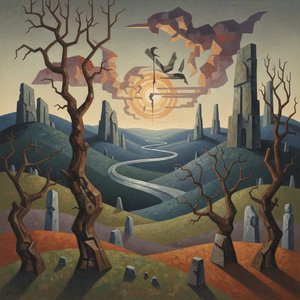
Paul Nash: Modernism, Myth & the British Landscape – A Visionary Artist
Explore the evocative landscapes & poignant war art of Paul Nash (1889-1946), a key figure in British Modernism. Discover his unique style and lasting impact on art history with OriginalUniqueArt.

Ephemeral Visions: Exploring the Artistic Legacy & Contemporary Practice of Watercolor Painting
Explore the captivating world of watercolor painting! Discover its rich history, essential techniques, influential artists & collecting tips. A comprehensive guide for art enthusiasts from OriginalUniqueArt.
