

 Vista previa
 Compartir
 Compartir
 Ver detalles
 Guía
Guía

 Descargar
 Ver artículos similares
 Radiografía
 Presentación de diapositivas
 Estadísticas
Landscape of Bleached Objects
 Acrylic On Canvas
- WallArt
- Surrealism
 1934
1934 74.0 x 62.0 cm
 Auckland Art Gallery Toi o Tāmaki
 Leer más
Giclée / Impresión de arte
Impresiones giclée o en lienzo de calidad de museo con producción rápida y opciones de acabado flexibles. ( Encargar reproducción pintada a mano Ver versión en imagen digital)




P118B €10

P118H €10

P118W €10

P438Z €10

P508JH €12

P508YH €12

P805H €10

P805Z €10

P919BZ €10

P919G €10

P919XJ €10

P959ZH €10

P968JZ €12

W106C €8

W218G €10

W218JH €8

W218Y €10

W307PJ €10

W316G €10

W316PJ €8

W316Y €10

W398PJ €8

W4111J €10

W500HY €15

W500JH €15

W692G €12

W849H €8

W940BG €15

W953PJ €8




Elija entre nuestros tamaños predefinidos que respetan las proporciones originales de la obra.

Introduzca el ancho y el alto que necesite para adaptarse a su marco o pared. Una impresión solo puede recortarse, nunca hacerse más grande que la imagen original, por lo que un tamaño con una forma distinta perderá parte de la obra. Le enviaremos una maqueta digital para su aprobación antes de realizar cualquier impresión. La imagen que se muestra en esta página no refleja el recorte real; solo la maqueta lo hace.
Envío a todo el mundo () en 2 semanas en lugar de las 4/5 semanas estándar. (24 octubre)

Envío exprés gratuito a todo el mundo

Lienzo de lino de alta calidad

Seguro de envío completo

Garantía de reembolso de impuestos aduaneros

Garantía de fidelidad cromática exacta

Política de devolución de 100 días (solo por defectos)

Garantía de devolución del 100% del dinero

Oferta por volumen
 La opción de vidrio solo está disponible en tamaños inferiores a 110 cm.

Landscape of Bleached Objects
Giclée / Impresión de arte
Tamaño de la reproducción
-


Precio total
€ 70
Landscape of Bleached Objects – An Exploration of Surrealist Vision
Paul Nash’s “Landscape of Bleached Objects,” completed in 1934, stands as a haunting testament to the burgeoning Surrealist movement in British art and a profound meditation on themes of mortality and transformation. Executed in oil paints on canvas measuring 74 x 62 cm, this artwork transcends mere visual representation, immersing the viewer in a dreamlike realm populated by unsettling yet undeniably beautiful forms.Historical Context & The Unit One Group
Nash’s artistic journey coincided with the formation of Unit One, a collective spearheaded by Nash himself and comprised of fellow artists like Henry Moore and Eduardo Paolozzi. This group sought to push the boundaries of British art beyond traditional landscapes, embracing experimentation with abstraction and Surrealist principles – specifically influenced by Sigmund Freud's psychoanalytic theories. The prevailing anxieties of the era—the looming shadow of impending war and a growing disillusionment with rational thought—fueled this desire for artistic innovation, prompting artists to delve into subconscious realms and explore irrational juxtapositions.Composition & Technique: A Flattened Reality
The painting’s composition is deliberately asymmetrical, guiding the eye across a grassy plane dominated by stylized skulls, shells, and amorphous shapes reminiscent of eroded rock formations. Lines are soft and blurred, eschewing linear perspective to create an atmosphere of ethereal stillness. Nash skillfully employs visible brushstrokes—a hallmark of his technique—to build up texture and imbue the canvas with palpable surface quality. The muted color palette – greens, blues, whites, and greys – reinforces this sense of desolation while subtly highlighting the sculptural forms at its core. Layers of paint create an illusion of depth, albeit one that prioritizes mood over precise spatial accuracy.Symbolism & Emotional Resonance: Decay as Beauty
The central motif—the bleached or bone-like objects—immediately evokes associations with death and decay, mirroring the cyclical nature of existence. However, Nash avoids melodrama; instead, he presents these symbols with a quiet dignity, transforming them into emblems of beauty rather than despair. The abstracted shapes – skulls, shells – are not merely depictions but representations of primal forces shaping the landscape. They speak to anxieties about loss and change, inviting contemplation on the fragility of life and the inevitability of transformation. The overall emotional impact is one of melancholic serenity—a recognition that even in ruin, there exists a profound aesthetic truth.Influence & Legacy: Surrealism's Quiet Triumph
“Landscape of Bleached Objects” exemplifies Surrealist art’s commitment to accessing the unconscious mind and disrupting conventional perceptions. It stands apart from more overtly fantastical works within the movement, prioritizing textural detail and subtle tonal shifts to convey its emotional core. Nash’s exploration of form and symbolism continues to resonate with artists today, demonstrating that Surrealism's power resided not in grand spectacle but in a profound engagement with psychological complexities—a legacy cemented by this evocative masterpiece.Preguntas y respuestas
¿De qué país proviene la obra del Surrealism "Landscape of Bleached Objects"?
"Landscape of Bleached Objects" fue creada por Paul Nash, nacido en Reino Unido, dentro del movimiento Surrealism. El origen del artista vincula la obra al Surrealism tal como lo practicaban los artistas de Reino Unido.
¿Qué orientación tiene "Landscape of Bleached Objects" de Paul Nash?
El formato de "Landscape of Bleached Objects" es Landscape. Esto resulta útil al planificar dónde se colocará una reproducción.
¿Cómo se encuentran el movimiento y la época en "Landscape of Bleached Objects" de Paul Nash?
"Landscape of Bleached Objects" pertenece al movimiento Surrealism, y su creador trabajó en la época Edad Moderna.
Biografía del artista
Primeros Años e Influencias
- Nacido: Kensington, Reino Unido (1889)
- Fallecido: 1946
- Paul Nash nació el 11 de mayo de 1889 en Londres. Su padre, William Harry Nash, era abogado y su madre, Caroline Maude, mostró signos de enfermedad mental desde temprana edad. La familia se mudó a Iver Heath, Buckinghamshire, cuando Paul era joven, un movimiento destinado a beneficiar la salud de su madre.
- Educación: Asistió a la Parsons School of Art y luego a la Slade School of Fine Art. Aunque era competente en pintura de paisajes, le costaba dibujar figuras.
- Primeras Influencias: Nash estuvo fuertemente influenciado por William Blake y J.M.W. Turner, lo que se evidencia en sus primeras obras. También se inspiró en paisajes con elementos históricos antiguos como túmulos funerarios y fuertes de la Edad de Hierro.
Estilo Artístico y Desarrollo
- Estilo: El estilo de Paul Nash combinaba el modernismo con técnicas tradicionales. Utilizaba colores audaces, formas geométricas y formas abstractas, lo que lo distinguía de sus contemporáneos.
- Tendencias Surrealistas: Aunque no era estrictamente un surrealista, Nash se vio influenciado por este movimiento, particularmente después de ver una exposición de Giorgio de Chirico en 1928. Su obra incorporaba paisajes simbólicos con objetos cotidianos.
- Arte Bélico: Durante la Primera y Segunda Guerra Mundial, Nash sirvió como artista oficial de guerra. Sus representaciones de los campos de batalla eran notables por su belleza inquietante y su exploración del impacto del conflicto en el paisaje. Obras destacadas incluyen "The Menin Road".
- "Criaturas Aéreas": Una serie producida durante la Segunda Guerra Mundial que presenta representaciones antropomórficas de aviones derribados en paisajes, demostrando su estilo y simbolismo en evolución.
Logros Destacados y Reconocimiento
- Pionero del Modernismo Británico: Nash jugó un papel crucial en la configuración del arte moderno británico, combinando la pintura de paisajes tradicional con la estética modernista.
- Legado Artístico Bélico: Sus pinturas de guerra se consideran representaciones icónicas del impacto del conflicto tanto en los soldados como en el medio ambiente.
- Grupo Unit One: Co-fundó Unit One en 1933 junto con Ben Nicholson y Barbara Hepworth, un grupo significativo dentro de la escena artística británica.
- Escritor y Diseñador: Más allá de la pintura, Nash también fue un escritor respetado sobre arte y diseñó artes aplicadas como escenografía teatral, tejidos y carteles.
Influencias y Legado
- Influencia en Artistas Posteriores: El estilo único de Nash y su uso del color influyeron en generaciones de artistas que le siguieron.
- Conexión con el Romanticismo: Su obra a menudo se relaciona con la tradición romántica inglesa, particularmente a través de su conexión con William Blake y J.M.W. Turner.
- Exploración del Hombre vs. la Naturaleza: Un tema recurrente en las obras posteriores de Nash fue la relación entre la humanidad y la naturaleza, explorada a través de imágenes simbólicas.
- Relevancia Continua: Sus pinturas continúan siendo celebradas por su belleza, simbolismo y significado histórico, permaneciendo relevantes para el público contemporáneo.
Exposiciones y Colecciones
- Ruskin Gallery: La obra de Nash ha sido expuesta en la Ruskin Gallery del Reino Unido.
- Tate Britain: Sus obras se pueden encontrar en la colección de Tate Britain.
- Imperial War Museum: Varias de sus obras de arte bélico se encuentran en el Imperial War Museum.
- York Art Gallery: Su obra también forma parte de la colección de York Art Gallery.
- Government Art Collection: Una selección de las obras de Nash se exhibe en la Government Art Collection.

Paul Nash
1889 - 1946 , Reino Unido
Datos clave
- Artistas Influenciados: ['Artistas modernos']
- Artistas Que Influyeron:
- William Blake
- J.M.W. Turner
- Fecha De Fallecimiento: 11 de julio de 1946
- Fecha De Nacimiento: 11 de mayo de 1889
- Lugar De Nacimiento: Kensington, Reino Unido
- Movimiento Artístico: Modernismo, Surrealismo
- Nacionalidad: Británico
- Nombre Completo: Paul Nash
- Obras Notables: ['The Menin Road']
Artículos relacionados

Kandinsky: Las 25 Obras Maestras del Pionero de la Abstracción | OriginalUniqueArt
Descubre las 25 obras maestras de Wassily Kandinsky, pionero del arte abstracto. Explora su expresionismo, composiciones únicas y la historia detrás de cada cuadro. Reproducciones de alta calidad para decorar tu hogar con arte moderno en OriginalUniqueArt.com.
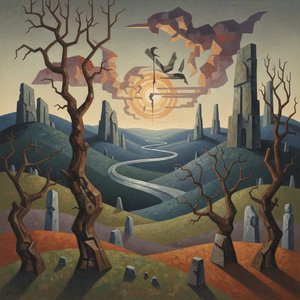
Paul Nash: Modernism, Myth & the British Landscape – A Visionary Artist
Explore the evocative landscapes & poignant war art of Paul Nash (1889-1946), a key figure in British Modernism. Discover his unique style and lasting impact on art history with OriginalUniqueArt.

Abstracción Geométrica: 10 Obras Maestras que Transformaron el Arte Moderno | OriginalUniqueArt
Descubre las 10 obras maestras de la abstracción geométrica que revolucionaron el arte moderno. Explora a Mondrian, Malevich y Kandinsky en OriginalUniqueArt.com. Reproducciones de alta calidad para tu hogar.

Paul Cézanne: Las 25 Obras Maestras que Definieron el Arte Moderno | OriginalUniqueArt
Descubre las 25 obras maestras de Paul Cézanne que revolucionaron el arte moderno. Explora su técnica, inspiración y significado en paisajes, bodegones y retratos. Reproducciones de alta calidad para decorar tu hogar con arte inolvidable. ¡Explora la colección completa en OriginalUniqueArt.com!
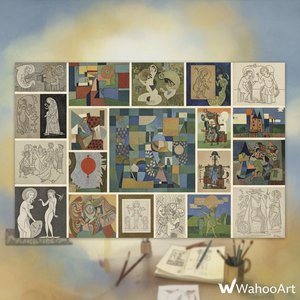
Paul Klee: Las 25 Obras Maestras que Definen un Genio del Arte Moderno | OriginalUniqueArt
Descubre las 25 obras maestras de Paul Klee, el genio del arte moderno. Explora su expresionismo único, composiciones abstractas y vibrantes paletas de colores. Reproducciones de alta calidad y decoración con arte en OriginalUniqueArt.com.
