

 Vista previa
 Compartir
 Compartir
 Ver detalles

 Descargar
 Ver similares
 Radiografía
 Presentación de diapositivas
untitled (8555)

 Leer más
Giclée / Impresión de arte
Impresiones giclée o en lienzo de calidad de museo con producción rápida y opciones de acabado flexibles. ( Encargar reproducción pintada a mano Comprar descarga)




P118B $10

P118H $10

P118W $10

P438Z $10

P508JH $12

P508YH $12

P805H $10

P805Z $10

P919BZ $10

P919G $10

P919XJ $10

P959ZH $10

P968JZ $12

W106C $8

W218G $10

W218JH $8

W218Y $10

W307PJ $10

W316G $10

W316PJ $8

W316Y $10

W398PJ $8

W4111J $10

W500HY $15

W500JH $15

W692G $12

W849H $8

W940BG $15

W953PJ $8




Elija entre nuestros tamaños predefinidos que respetan las proporciones originales de la obra.

Puede introducir sus propias dimensiones para adaptarse a un marco o espacio específico. Si el tamaño seleccionado no coincide con las proporciones de la imagen original, recortaremos la obra de arte o extenderemos la imagen con un borde con efecto espejo o de color sólido. Se enviará una maqueta digital para su aprobación antes de que comience la producción.
Tenga en cuenta que la vista previa en pantalla no refleja el recorte o la extensión real. Solo la maqueta mostrará con precisión la composición final.
Aunque existen tamaños personalizados, recomendamos seleccionar una dimensión de la lista predefinida para preservar las proporciones originales.
Envío a todo el mundo () en 2 semanas en lugar de las 4/5 semanas estándar. (22 agosto)

Envío exprés gratuito a todo el mundo

Lienzo de lino de alta calidad

Seguro de envío completo

Garantía de reembolso de aranceles aduaneros

Garantía de fidelidad cromática exacta

Política de devolución de 60 días (solo por defectos)

Garantía de devolución del 100% del dinero

Oferta por volumen
 La opción de vidrio solo está disponible en tamaños inferiores a 110 cm.

untitled (8555)
Giclée / Impresión de arte
Tamaño de la reproducción
-


Precio total
$ 80
Descripción de la pieza
A Glimpse into a Fantastical Realm: Gustave Doré's "Untitled (8555)"
Paul Gustave Doré’s “Untitled (8555)” is not merely an illustration; it’s a portal. A window into a world teeming with serpentine creatures, rendered in exquisite detail and steeped in the dramatic flair that defined the artist's career. This black and white engraving, characteristic of Doré’s prolific output during the 19th century, immediately commands attention with its sheer scale and intricate composition. It is a testament to his mastery of wood engraving—a technique demanding both precision and artistic vision—and offers a compelling glimpse into the Romantic imagination that captivated audiences across Europe.
The Dance of Serpents: Composition and Technique
The artwork’s power lies in its dense, almost overwhelming detail. The lower half of the image is dominated by a writhing mass of serpentine creatures, each possessing distinct dragon-like features. These aren't simply beasts; they are figures imbued with an unsettling vitality, locked in what appears to be a perpetual state of conflict or coexisting within a desolate landscape. Rising above this chaotic scene is a rocky outcrop crowned with a fortress or city structure—a silent observer to the drama unfolding below. Doré’s use of diagonal lines, created by the bodies of the creatures and the sloping terrain, guides the viewer's eye towards the distant peak, emphasizing the vastness of this fantastical realm. The monochromatic palette, ranging from deep blacks representing shadows to light grays highlighting textures, amplifies the dramatic effect. The technique itself is remarkable; Doré rarely carved the woodblocks himself, instead designing intricate images that were then meticulously transferred to wooden blocks by skilled artisans. This allowed for a level of detail and complexity rarely seen in printmaking at the time, and it’s evident in every scale, feather, and contour within this piece.
Echoes of Romanticism: Historical Context and Influences
To fully appreciate “Untitled (8555),” one must understand its historical context. Doré flourished during a period when Romanticism was giving way to new artistic movements, yet his work remained firmly rooted in the dramatic sensibilities of the era. His illustrations for literary classics like Dante’s *Inferno* and Milton’s *Paradise Lost* cemented his reputation as a master storyteller through visual means. This particular piece shares stylistic similarities with those earlier works—the sense of scale, the dramatic lighting, and the focus on fantastical creatures all point to Doré's established artistic vocabulary. The influence of artists like J.J. Grandville is also apparent in the expressive characterization of the serpentine beings. The late 19th century was a time of great social change and upheaval, and many artists explored themes of chaos, conflict, and the darker aspects of human nature—themes that resonate strongly within this engraving.
Symbolism and Emotional Resonance
Beyond its technical brilliance, “Untitled (8555)” evokes a powerful emotional response. The sheer number of creatures, their intertwined forms, and the desolate landscape create a sense of awe mixed with unease. It’s difficult to escape the feeling that this is not merely a depiction of fantastical beasts but an allegory for something deeper—perhaps the struggle between order and chaos, or the inherent conflict within human nature itself. The dark palette and dynamic composition contribute to a pervasive atmosphere of mystery and dread. The fortress in the background could symbolize civilization attempting to contain the primal forces represented by the serpents, adding another layer of symbolic complexity. Ultimately, Doré’s work invites viewers to contemplate the darker aspects of existence—the fears and anxieties that lie beneath the surface of our everyday lives.
Biografía del artista
Paul Gustave Doré: Una Vida en Ilustración
Primeros Años y Orígenes
- Nacimiento: 6 de enero de 1832, en Estrasburgo, Francia.
- Incluso siendo niño, Doré mostró un talento artístico notable y una personalidad precoz. Hay historias sobre sus bromas tempranas que demostraban una madurez inusual para su edad.
- Inclínaciones Artísticas Tempranas: Comenzó a dibujar a muy temprana edad, mostrando rápidamente una habilidad excepcional.
- A los 15 años, Doré se embarcó en su carrera profesional como caricaturista para el periódico francés Le Journal pour rire.
Desarrollo Artístico y Primeras Obras
- Primeros Encargos: Sus primeras obras incluían libros ilustrados como Los Trabajos de Hércules (1847), Tres artistas incomprendidos y descontentos (1851), y Las Desagradables Aventuras de una Aventura Agradable (1851).
- Influencias: Las ilustraciones de J.J. Grandville fueron una influencia significativa en su estilo temprano.
- Doré rápidamente ganó reconocimiento por sus composiciones dinámicas y el uso dramático de la luz y la sombra, incluso en estas primeras obras.
- Comenzó a recibir encargos para ilustrar la literatura clásica, incluyendo obras de Cervantes, Rabelais, Balzac, Milton y Dante.
Reconocimiento Internacional y Logros Importantes
- Ilustrando a Gigantes Literarios: En 1853, fue encargado de ilustrar las obras de Lord Byron, seguido por un monumental proyecto de Biblia ilustrada.
- El Gitano Errante (1856): Esta obra, aunque popular, contenía undertones antisemitas que reflejaban la época.
- Don Quijote: Sus ilustraciones de 1860 para la Divina Comedia de Cervantes influyeron profundamente en las interpretaciones posteriores de los personajes y la historia.
- El Cuervo (1883): La edición ampliada de Edgar Allan Poe’s “El Cuervo” por Doré le ganó 30,000 francos de Harper & Brothers.
- Londres: Un Peregrinaje (1872): Esta colaboración con Blanchard Jerrold retrataba las duras realidades de la sociedad victoriana y provocó controversia por su enfoque en la pobreza.
Estilo y Técnicas
- Maestría en Grabado en Madera: Doré era un maestro del grabado en madera, creando imágenes increíblemente detalladas y dramáticas.
- Composición Dramática: Su obra se caracteriza por composiciones dinámicas, fuertes contrastes entre la luz y la sombra (claroscuro) y un sentido de grandeza.
- A menudo empleaba un gran equipo de talladores para traducir sus diseños en grabados en madera, lo que permitía la producción masiva.
- Romanticismo: Su estilo está firmemente arraigado en la tradición romántica, enfatizando la emoción, la imaginación y el sublime.
Legado e Importancia Histórica
- Premios y Honores: Doré fue nombrado Chevalier de la Légion d'honneur por el gobierno francés en 1861.
- Sus ilustraciones tuvieron un impacto generalizado en la cultura visual, influyendo a artistas y lectores durante generaciones.
- Influencia en Artistas Posteriores: Inspiró a artistas como Vincent van Gogh, quien admiraba sus representaciones del sufrimiento y la adversidad.
- A pesar de algunas críticas contemporáneas, la obra de Doré es ahora celebrada por su mérito artístico e importancia histórica. Sus ilustraciones siguen dando forma a nuestra comprensión de la literatura clásica y la sociedad victoriana.
- Fallecimiento: Paul Gustave Doré murió el 23 de enero de 1883, dejando atrás un vasto y perdurable legado.
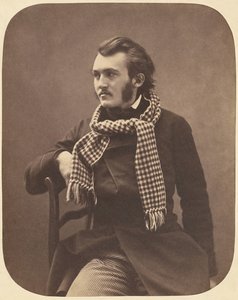
Paul Gustave Doré
1832 - 1883 , Francia
Datos clave
- Artistas Que Influyeron: ['J.J. Grandville']
- Estilo Artístico: Romanticismo
- Fecha De Muerte: 23 de enero de 1883
- Fecha De Nacimiento: 6 de enero de 1832
- Influenciado A Artistas: ['Vincent van Gogh']
- Lugar De Nacimiento: Estrasburgo, Francia
- Nacionalidad: Francés
- Nombre Completo: Paul Gustave Doré
- Obras Notables:
- Los Trabajos de Hércules
- Don Quijote (ilustraciones)
- La Divina Comedia
- El Cuervo
- Londres: Un Peregrinaje
Artículos relacionados

Blanco Sublime: Los 10 Cuadros Más Famosos Dominados por la Luz y el Color
Descubre los 10 cuadros blancos más emblemáticos de la historia del arte. Explora Monet, Van Gogh y Klimt, y su magistral uso de la luz y el color. Encuentra reproducciones de alta calidad e inspírate para tu decoración en .

Gustav Klimt: Las 25 Obras Maestras que Definen un Ícono del Arte Moderno | OriginalUniqueArt
Descubre las 25 obras maestras de Gustav Klimt, ícono del simbolismo y Art Nouveau. Explora 'El Beso', 'Judith' y más. Reproducciones de arte en OriginalUniqueArt.com para decorar tu hogar con elegancia. ¡Inspírate!

Las 10 Pinturas Más Famosas Dominadas por el Negro | Arte y Decoración
Descubre las 10 pinturas más impactantes dominadas por el negro. Explora obras maestras de Rembrandt, Goya y Rothko, su historia y significado. Encuentra reproducciones de arte exclusivas para transformar tu hogar en .
Los 10 Grabados Legendarios que Transformaron la Historia del Arte | OriginalUniqueArt
Descubre los 10 grabados legendarios de Dürer, Rembrandt y Goya que revolucionaron el arte. Explora la historia, técnicas y belleza atemporal de estas obras maestras. Reproducciones de alta calidad en OriginalUniqueArt.com para decorar tu hogar con arte clásico.
Paul Gustave Doré: A Master of Romantic Realism & the Illustrated Imagination
Explore the captivating world of Gustave Doré, master of Romantic realism & iconic illustrator. Discover his dramatic wood engravings, paintings, and sculptures – a legacy shaping art history. Learn more at OriginalUniqueArt.



