

 Ver en contexto
 Enviar
 Compartir
 Detalles
 Guía
Guía

 Descargar
 Similares
 Radiografía
 Presentación de diapositivas
 Estadísticas
The Serenade
 Acrílico sobre lienzo
- Arte de pared
- Romantic Landscape Painting
 1863
1863 145.0 x 198.0 cm
 Museo de Arte de Ponce
 Ver más
Giclée / Impresión de arte
Impresiones giclée o en lienzo de calidad de museo con producción rápida y opciones de acabado flexibles. ( Comprar pintura hecha a mano Cambiar a imagen digital)




P118B €10

P118H €10

P118W €10

P438Z €10

P508JH €12

P508YH €12

P805H €10

P805Z €10

P919BZ €10

P919G €10

P919XJ €10

P959ZH €10

P968JZ €12

W106C €8

W218G €10

W218JH €8

W218Y €10

W307PJ €10

W316G €10

W316PJ €8

W316Y €10

W398PJ €8

W4111J €10

W500HY €15

W500JH €15

W692G €12

W849H €8

W940BG €15

W953PJ €8




Elija entre nuestros tamaños predefinidos que respetan las proporciones originales de la obra.

Introduzca el ancho y el alto que necesite para adaptarse a su marco o pared. Una impresión solo puede recortarse, nunca hacerse más grande que la imagen original, por lo que un tamaño con una forma distinta perderá parte de la obra. Le enviaremos una maqueta digital para su aprobación antes de realizar cualquier impresión. La imagen que se muestra en esta página no refleja el recorte real; solo la maqueta lo hace.
Envío a todo el mundo () en 2 semanas en lugar de las 4/5 semanas estándar. (28 octubre)

Envío exprés gratuito a todo el mundo

Lienzo de lino de alta calidad

Seguro de envío total

Garantía de reembolso de aranceles aduaneros

Garantía de fidelidad cromática exacta

Política de devolución de 100 días (solo por defectos)

Garantía de devolución del 100% del dinero

Descuento por cantidad
 La opción de vidrio solo está disponible en tamaños inferiores a 110 cm.

The Serenade
Giclée / Impresión de arte
Dimensiones de la reproducción
-


Precio total final
€ 70
A Moment Frozen in Twilight: Exploring Doré’s “The Serenade”
Paul Gustave Doré's "The Serenade," completed in 1863, transcends mere depiction; it embodies a profound exploration of human connection and the melancholic beauty inherent in fleeting moments. Painted during the twilight years of Romanticism, this artwork stands as a testament to Doré’s unparalleled ability to capture emotion and atmosphere with meticulous detail—a skill honed through decades of experience transforming literary narratives into breathtaking visual representations.
Subject Matter and Composition
The painting centers around a hillside gathering of nine individuals bathed in the golden hues of sunset. These figures engage in animated conversation, their postures conveying both intimacy and contemplation. Two birds soar gracefully overhead, symbolizing freedom and harmony—elements deliberately interwoven into the landscape to reinforce the overarching theme of serenity. Doré’s masterful compositional choices guide the viewer's eye across the canvas, establishing a balanced yet dynamic arrangement that draws attention to the central group while simultaneously immersing them in the expansive surroundings.
Style and Technique: Romantic Precision
"The Serenade" exemplifies Romantic precision—a stylistic hallmark of Doré’s oeuvre. Unlike Impressionists who sought to capture ephemeral sensations, Doré meticulously rendered textures and forms with a level of realism that would have astonished contemporaries. He employed a combination of oil paints and watercolor washes, layering colors to achieve luminous gradations and conveying subtle nuances of light and shadow. The artist's painstaking attention to detail—evident in the expressive faces of the figures and the intricate rendering of foliage—underscores his commitment to portraying reality with uncompromising accuracy.
Historical Context: Romanticism’s Legacy
Doré’s work emerged from a period defined by Romantic ideals – an embrace of emotion, imagination, and individualism. The movement reacted against Enlightenment rationalism, prioritizing subjective experience over objective observation. “The Serenade” reflects this spirit through its depiction of human relationships amidst the grandeur of nature—a deliberate counterpoint to the sterile formalism favored by some artistic circles of the time. Furthermore, Doré’s illustrations for *Paradise Lost* and other literary classics cemented his reputation as a storyteller who could transform words into unforgettable images.
Symbolism: Echoes of Tranquility and Remembrance
Beyond its aesthetic qualities, “The Serenade” is laden with symbolic significance. The hillside itself represents stability and grounding—a refuge from the anxieties of urban life. The birds symbolize aspiration and spiritual enlightenment, mirroring the contemplative mood of the scene. Perhaps most powerfully, however, is the suggestion of remembrance – a quiet acknowledgment of passing time and the enduring beauty found in shared experiences. Doré’s deliberate use of color and light contributes to this emotional resonance, evoking feelings of warmth, nostalgia, and profound peace.
Emotional Impact: A Window into Human Experience
"The Serenade" lingers in the viewer's mind long after encountering it—a testament to Doré’s ability to tap into universal human emotions. The painting invites contemplation on themes of friendship, beauty, and mortality, prompting reflection on the significance of fleeting moments and the importance of savoring life’s simple pleasures. It serves as a poignant reminder that true artistry resides not merely in technical virtuosity but also in conveying profound truths about the human condition—a legacy that continues to inspire artists and collectors alike.
Preguntas y respuestas
¿Cuál es la técnica y la fecha de creación de "The Serenade" de Paul Gustave Doré?
"The Serenade" fue creada en 1863 mediante la técnica de Acrílico sobre lienzo. El material y la fecha describen cómo y cuándo se realizó la obra original.
¿Qué ambiente aportaría "The Serenade" a un espacio?
"The Serenade" de Paul Gustave Doré transmite una atmósfera Romántico y se recomienda para un/a Salón principal. El estado de ánimo es la esencia que la obra aporta al espacio que la rodea.
¿Quién creó "The Serenade" y de qué estilo es?
Paul Gustave Doré creó "The Serenade" dentro del movimiento Romantic Landscape Painting.
Biografía del artista
Paul Gustave Doré: Una Vida en Ilustración
Primeros Años y Orígenes
- Nacimiento: 6 de enero de 1832, en Estrasburgo, Francia.
- Incluso siendo niño, Doré mostró un talento artístico notable y una personalidad precoz. Hay historias sobre sus bromas tempranas que demostraban una madurez inusual para su edad.
- Inclínaciones Artísticas Tempranas: Comenzó a dibujar a muy temprana edad, mostrando rápidamente una habilidad excepcional.
- A los 15 años, Doré se embarcó en su carrera profesional como caricaturista para el periódico francés Le Journal pour rire.
Desarrollo Artístico y Primeras Obras
- Primeros Encargos: Sus primeras obras incluían libros ilustrados como Los Trabajos de Hércules (1847), Tres artistas incomprendidos y descontentos (1851), y Las Desagradables Aventuras de una Aventura Agradable (1851).
- Influencias: Las ilustraciones de J.J. Grandville fueron una influencia significativa en su estilo temprano.
- Doré rápidamente ganó reconocimiento por sus composiciones dinámicas y el uso dramático de la luz y la sombra, incluso en estas primeras obras.
- Comenzó a recibir encargos para ilustrar la literatura clásica, incluyendo obras de Cervantes, Rabelais, Balzac, Milton y Dante.
Reconocimiento Internacional y Logros Importantes
- Ilustrando a Gigantes Literarios: En 1853, fue encargado de ilustrar las obras de Lord Byron, seguido por un monumental proyecto de Biblia ilustrada.
- El Gitano Errante (1856): Esta obra, aunque popular, contenía undertones antisemitas que reflejaban la época.
- Don Quijote: Sus ilustraciones de 1860 para la Divina Comedia de Cervantes influyeron profundamente en las interpretaciones posteriores de los personajes y la historia.
- El Cuervo (1883): La edición ampliada de Edgar Allan Poe’s “El Cuervo” por Doré le ganó 30,000 francos de Harper & Brothers.
- Londres: Un Peregrinaje (1872): Esta colaboración con Blanchard Jerrold retrataba las duras realidades de la sociedad victoriana y provocó controversia por su enfoque en la pobreza.
Estilo y Técnicas
- Maestría en Grabado en Madera: Doré era un maestro del grabado en madera, creando imágenes increíblemente detalladas y dramáticas.
- Composición Dramática: Su obra se caracteriza por composiciones dinámicas, fuertes contrastes entre la luz y la sombra (claroscuro) y un sentido de grandeza.
- A menudo empleaba un gran equipo de talladores para traducir sus diseños en grabados en madera, lo que permitía la producción masiva.
- Romanticismo: Su estilo está firmemente arraigado en la tradición romántica, enfatizando la emoción, la imaginación y el sublime.
Legado e Importancia Histórica
- Premios y Honores: Doré fue nombrado Chevalier de la Légion d'honneur por el gobierno francés en 1861.
- Sus ilustraciones tuvieron un impacto generalizado en la cultura visual, influyendo a artistas y lectores durante generaciones.
- Influencia en Artistas Posteriores: Inspiró a artistas como Vincent van Gogh, quien admiraba sus representaciones del sufrimiento y la adversidad.
- A pesar de algunas críticas contemporáneas, la obra de Doré es ahora celebrada por su mérito artístico e importancia histórica. Sus ilustraciones siguen dando forma a nuestra comprensión de la literatura clásica y la sociedad victoriana.
- Fallecimiento: Paul Gustave Doré murió el 23 de enero de 1883, dejando atrás un vasto y perdurable legado.
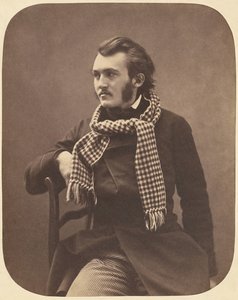
Paul Gustave Doré
1832 - 1883 , Francia
Datos clave
- Artistas Que Influyeron: ['J.J. Grandville']
- Estilo Artístico: Romanticismo
- Fecha De Muerte: 23 de enero de 1883
- Fecha De Nacimiento: 6 de enero de 1832
- Influenciado A Artistas: ['Vincent van Gogh']
- Lugar De Nacimiento: Estrasburgo, Francia
- Nacionalidad: Francés
- Nombre Completo: Paul Gustave Doré
- Obras Notables:
- Los Trabajos de Hércules
- Don Quijote (ilustraciones)
- La Divina Comedia
- El Cuervo
- Londres: Un Peregrinaje
Artículos relacionados

Idyllic Visions: Exploring the Pastoral Scene in Art History – From Arcadia to Modern Interpretations
Explore the captivating history of pastoral art from classical Arcadia to modern masterpieces. Discover key artists like Millet & Cole at OriginalUniqueArt. Find serene landscape paintings for your home.

10 Obras Maestras del Realismo Romántico que Debes Conocer
Explora la emoción y el detalle del Realismo Romántico. Un viaje por 10 obras maestras que capturan la esencia humana con técnica y alma. Encuentra inspiración y reproducciones de calidad museo para tu hogar en OriginalUniqueArt.com. ¡Descubre toda la colección online!
Renoir: Las 25 Obras Maestras del Impresionismo para Decorar tu Hogar con Arte
Descubre las 25 obras maestras de Renoir, el rey del impresionismo. Explora su técnica, historia y significado en cada pintura. Encuentra reproducciones de arte de alta calidad para decorar tu hogar con OriginalUniqueArt.com.
Idyllic Visions: Exploring the Pastoral Tradition in Western Art – Themes, Techniques & Enduring Appeal
Explore the rich history of pastoral art from classical Arcadia to contemporary interpretations. Discover key artists, themes & collecting tips at OriginalUniqueArt.
Golden Hours: Sunset Motifs in Western Art History
Explore the captivating history of sunset motifs in Western art! Discover iconic paintings by Monet, Van Gogh & Kuindzhi. Learn about Romanticism, Impressionism & collecting these timeless masterpieces. Expert insights at OriginalUniqueArt.


