
 Ver en contexto
 Enviar
 Compartir
 Detalles
 Guía
Guía

 Descargar
 Similares
 Radiografía
 Presentación de diapositivas
 Preguntas y respuestas
 Estadísticas
Las Almas Inocentes


 Ver más
Giclée / Impresión de arte
Impresiones giclée o en lienzo de calidad de museo con producción rápida y opciones de acabado flexibles. ( Comprar pintura hecha a mano Cambiar a imagen digital)




P118B €10

P118H €10

P118W €10

P438Z €10

P508JH €12

P508YH €12

P805H €10

P805Z €10

P919BZ €10

P919G €10

P919XJ €10

P959ZH €10

P968JZ €12

W106C €8

W218G €10

W218JH €8

W218Y €10

W307PJ €10

W316G €10

W316PJ €8

W316Y €10

W398PJ €8

W4111J €10

W500HY €15

W500JH €15

W692G €12

W849H €8

W940BG €15

W953PJ €8




Elija entre nuestros tamaños predefinidos que respetan las proporciones originales de la obra.

Introduzca el ancho y el alto que necesite para adaptarse a su marco o pared. Una impresión solo puede recortarse, nunca hacerse más grande que la imagen original, por lo que un tamaño con una forma distinta perderá parte de la obra. Le enviaremos una maqueta digital para su aprobación antes de realizar cualquier impresión. La imagen que se muestra en esta página no refleja el recorte real; solo la maqueta lo hace.
Envío a todo el mundo () en 2 semanas en lugar de las 4/5 semanas estándar. (9 noviembre)

Envío exprés gratuito a todo el mundo

Lienzo de lino de alta calidad

Seguro de envío total

Garantía de reembolso de aranceles aduaneros

Garantía de fidelidad cromática exacta

Política de devolución de 100 días (solo por defectos)

Garantía de devolución del 100% del dinero

Descuento por cantidad
 La opción de vidrio solo está disponible en tamaños inferiores a 110 cm.

Las Almas Inocentes
Giclée / Impresión de arte
Dimensiones de la reproducción
-


Precio total final
€ 72
A Descent into Sorrow: The Haunting Beauty of Doré's 'The Innocent Souls'
Gustave Doré’s “The Innocent Souls” is not merely an illustration; it’s a profound meditation on loss, regret, and the enduring power of faith rendered with breathtaking technical mastery. Completed in 1883, this iconic image from Dante Alighieri’s *Inferno* transcends its literary origins to become a timeless symbol of human suffering and spiritual yearning. Doré's work, deeply rooted in Romanticism, captures the essence of Dante’s vision – a landscape of desolate beauty where souls, though virtuous in life, are condemned to an eternal state of quiet anguish.

Technique and the Language of Line
Doré’s genius lay in his unparalleled command of engraving technique. He meticulously crafted each image using intricate hatching, cross-hatching, and stippling – a process demanding immense patience and precision. The resulting surface is far from smooth; it's textured with a palpable sense of weight and shadow, mirroring the very stone and gloom of the infernal landscape. Notice how he builds up tonal values through layers of line, creating an illusion of depth that pulls the viewer into the heart of the scene. The density of lines varies dramatically, emphasizing key elements – the towering tree, the spectral figures – while subtly blurring others to evoke a sense of distance and mystery. This mastery of line is what truly elevates this work beyond simple illustration; it’s a testament to Doré's artistic vision.
Symbolism Within the Shadow
The composition itself is laden with symbolic meaning. The colossal tree, dominating the scene, represents both life and death, growth and decay – a potent metaphor for the human condition. Its gnarled branches reach out like grasping claws, trapping the souls within its shadow. The figures themselves, rendered in stark monochrome, are not depicted as monstrous or terrifying; rather, they possess an almost serene sadness, embodying a quiet acceptance of their fate. Virgil, Dante’s guide, is subtly present, his form receding into the distance, symbolizing reason and guidance amidst chaos. The overall effect is one of profound melancholy – a reminder of the fragility of earthly existence and the enduring consequences of even the most virtuous lives.
A Masterpiece of Romantic Drama
Gustave Doré’s “The Innocent Souls” remains a cornerstone of Romantic illustration, influencing generations of artists. His work demonstrated that engraving could be used to achieve dramatic effects previously thought impossible. It's a testament to his ability to translate complex literary and philosophical ideas into a visually arresting image. The stark contrast between light and shadow, the meticulous detail, and the emotional weight of the scene combine to create an experience that is both beautiful and unsettling. Reproductions like those offered by OriginalUniqueArt.com allow us to appreciate the full impact of this masterpiece – its haunting beauty, its technical brilliance, and its timeless message of sorrow and redemption.
Collecting a Legacy
Owning a hand-painted reproduction of “The Innocent Souls” is more than simply acquiring an artwork; it’s investing in a piece of art history. These meticulously crafted reproductions capture the essence of Doré's original engraving, offering a stunning addition to any collection or interior design scheme. Consider this image not just as decoration, but as a powerful meditation on mortality, faith, and the enduring human spirit – a timeless treasure for generations to come.
Preguntas y respuestas
¿Qué paleta de colores utiliza "Las Almas Inocentes"?
"Las Almas Inocentes" de Paul Gustave Doré utiliza una paleta de colores Tonos neutros. Esta gama de tonos define el carácter cromático general de la obra.
¿Qué paleta y qué color predominante definen a "Las Almas Inocentes"?
"Las Almas Inocentes" de Paul Gustave Doré utiliza una paleta de Tonos neutros, con el Verde ftalocianina (#2e2e2e) como color dominante.
¿En qué estancia del hogar quedaría bien una reproducción de "Las Almas Inocentes"?
El espacio recomendado para "Las Almas Inocentes" de Paul Gustave Doré es un Salón principal. Por supuesto, esta sugerencia puede adaptarse a su decoración.
Biografía del artista
Paul Gustave Doré: Una Vida en Ilustración
Primeros Años y Orígenes
- Nacimiento: 6 de enero de 1832, en Estrasburgo, Francia.
- Incluso siendo niño, Doré mostró un talento artístico notable y una personalidad precoz. Hay historias sobre sus bromas tempranas que demostraban una madurez inusual para su edad.
- Inclínaciones Artísticas Tempranas: Comenzó a dibujar a muy temprana edad, mostrando rápidamente una habilidad excepcional.
- A los 15 años, Doré se embarcó en su carrera profesional como caricaturista para el periódico francés Le Journal pour rire.
Desarrollo Artístico y Primeras Obras
- Primeros Encargos: Sus primeras obras incluían libros ilustrados como Los Trabajos de Hércules (1847), Tres artistas incomprendidos y descontentos (1851), y Las Desagradables Aventuras de una Aventura Agradable (1851).
- Influencias: Las ilustraciones de J.J. Grandville fueron una influencia significativa en su estilo temprano.
- Doré rápidamente ganó reconocimiento por sus composiciones dinámicas y el uso dramático de la luz y la sombra, incluso en estas primeras obras.
- Comenzó a recibir encargos para ilustrar la literatura clásica, incluyendo obras de Cervantes, Rabelais, Balzac, Milton y Dante.
Reconocimiento Internacional y Logros Importantes
- Ilustrando a Gigantes Literarios: En 1853, fue encargado de ilustrar las obras de Lord Byron, seguido por un monumental proyecto de Biblia ilustrada.
- El Gitano Errante (1856): Esta obra, aunque popular, contenía undertones antisemitas que reflejaban la época.
- Don Quijote: Sus ilustraciones de 1860 para la Divina Comedia de Cervantes influyeron profundamente en las interpretaciones posteriores de los personajes y la historia.
- El Cuervo (1883): La edición ampliada de Edgar Allan Poe’s “El Cuervo” por Doré le ganó 30,000 francos de Harper & Brothers.
- Londres: Un Peregrinaje (1872): Esta colaboración con Blanchard Jerrold retrataba las duras realidades de la sociedad victoriana y provocó controversia por su enfoque en la pobreza.
Estilo y Técnicas
- Maestría en Grabado en Madera: Doré era un maestro del grabado en madera, creando imágenes increíblemente detalladas y dramáticas.
- Composición Dramática: Su obra se caracteriza por composiciones dinámicas, fuertes contrastes entre la luz y la sombra (claroscuro) y un sentido de grandeza.
- A menudo empleaba un gran equipo de talladores para traducir sus diseños en grabados en madera, lo que permitía la producción masiva.
- Romanticismo: Su estilo está firmemente arraigado en la tradición romántica, enfatizando la emoción, la imaginación y el sublime.
Legado e Importancia Histórica
- Premios y Honores: Doré fue nombrado Chevalier de la Légion d'honneur por el gobierno francés en 1861.
- Sus ilustraciones tuvieron un impacto generalizado en la cultura visual, influyendo a artistas y lectores durante generaciones.
- Influencia en Artistas Posteriores: Inspiró a artistas como Vincent van Gogh, quien admiraba sus representaciones del sufrimiento y la adversidad.
- A pesar de algunas críticas contemporáneas, la obra de Doré es ahora celebrada por su mérito artístico e importancia histórica. Sus ilustraciones siguen dando forma a nuestra comprensión de la literatura clásica y la sociedad victoriana.
- Fallecimiento: Paul Gustave Doré murió el 23 de enero de 1883, dejando atrás un vasto y perdurable legado.
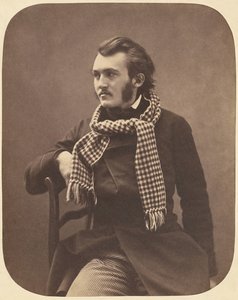
Paul Gustave Doré
1832 - 1883 , Francia
Datos clave
- Artistas Que Influyeron: ['J.J. Grandville']
- Estilo Artístico: Romanticismo
- Fecha De Muerte: 23 de enero de 1883
- Fecha De Nacimiento: 6 de enero de 1832
- Influenciado A Artistas: ['Vincent van Gogh']
- Lugar De Nacimiento: Estrasburgo, Francia
- Nacionalidad: Francés
- Nombre Completo: Paul Gustave Doré
- Obras Notables:
- Los Trabajos de Hércules
- Don Quijote (ilustraciones)
- La Divina Comedia
- El Cuervo
- Londres: Un Peregrinaje
Artículos relacionados
Paul Gustave Doré: A Master of Romantic Realism & the Illustrated Imagination
Explore the captivating world of Gustave Doré, master of Romantic realism & iconic illustrator. Discover his dramatic wood engravings, paintings, and sculptures – a legacy shaping art history. Learn more at OriginalUniqueArt.

Las 25 obras maestras de Dante Gabriel Rossetti: El alma del arte prerrafaelita
Explora las 25 obras maestras de Dante Gabriel Rossetti y el arte prerrafaelita. ¡Descubre toda la colección en OriginalUniqueArt.com!

Engraving: A Historical Survey of Technique, Artistic Expression & Enduring Legacy
Explore the rich history of engraving with OriginalUniqueArt. Discover techniques, iconic artists like Dürer & Callot, collecting tips, and expert guidance for preserving your art investment. Learn about intaglio printing & more!

El Intricado Mundo del Grabado: Técnica, Expresión y Legado Histórico
Descubre la fascinante historia del grabado calcográfico: técnicas ancestrales, maestros como Goya y su impacto en el arte y la ciencia. Guía experta para coleccionistas y amantes del arte.

Los 10 Grabados Legendarios que Transformaron la Historia del Arte | OriginalUniqueArt
Descubre los 10 grabados legendarios de Dürer, Rembrandt y Goya que revolucionaron el arte. Explora la historia, técnicas y belleza atemporal de estas obras maestras. Reproducciones de alta calidad en OriginalUniqueArt.com para decorar tu hogar con arte clásico.


