

 Vista previa
 Compartir
 Compartir
 Ver detalles

 Descargar
 Ver artículos similares
 Radiografía
 Presentación de diapositivas
 Estadísticas
Daniel Confunde a los Sacerdotes de Bel

 Leer más
Adquiera una imagen digital de alta resolución y optimizada, muy superior a la vista previa en línea.
Cada archivo es preparado meticulosamente por nuestros especialistas internos mediante el uso de herramientas avanzadas y un experto retoque manual. Nos aseguramos de que cada imagen posea una claridad excepcional, una precisión cromática impecable y un detalle minucioso.
El archivo final se entrega por correo electrónico en un plazo de 72 horas, optimizado para su uso inmediato en entornos profesionales, editoriales y de impresión. Esta es la misma calidad en la que confían los estudios de diseño, las editoriales y las galerías de primer nivel.
Imagen Digital
Descarga un archivo de alta resolución para exhibición personal, impresión y proyectos creativos. ( Cambiar a formato impreso Encargar reproducción pintada a mano)
Incluido en cada pedido de imágenes digitales
Entrega digital experta, garantizada.
Al elegir OriginalUniqueArt.com, no solo está adquiriendo una imagen; está recibiendo una obra de arte digital mejorada profesionalmente, elaborada con precisión y respaldada por una garantía de satisfacción. Esto es todo lo que incluye su pedido, automáticamente:

Entrega inmediata por email
Recibirá su archivo de imagen digital en alta resolución por correo electrónico en un plazo de 72 horas tras realizar su pedido, listo para su uso inmediato.

Archivo digital optimizado por IA
Su obra de arte se optimiza profesionalmente mediante herramientas avanzadas de IA y edición manual, garantizando el máximo detalle, claridad y precisión cromática.

Reenvío gratuito de por vida
¿Has borrado o perdido tu archivo por error? No te preocupes: te lo volveremos a enviar en cualquier momento, sin coste adicional.

Sin gastos de importación, siempre
Disfrute de su obra de arte al instante sin aduanas, aranceles ni gastos de envío; las descargas digitales siempre están libres de impuestos.

Garantía de precisión de color
Garantizamos que su imagen digital refleje los colores originales con la mayor fidelidad posible, mediante el uso de herramientas profesionales y gestión del color.

Garantía de satisfacción de 100 días
Si no está satisfecho con su imagen digital, la revisaremos o le reembolsaremos el 100% en un plazo de 100 días, sin preguntas.

100% Garantía de devolución de dinero
¿No está satisfecho? Obtenga un reembolso completo dentro de los 100 días posteriores a la recepción de su archivo digital, sin preguntas.

Descuentos por volumen
Compra 3 imágenes, ahorra 10% - Compra 5, ahorra 15% - Compra 10+, ahorra 20%. Ideal para proyectos creativos, galerías y agencias.
A Vision in Black and White: Gustave Doré’s Masterpiece
Gustave Doré's “Daniel Confounds the Priests of Bel” stands as a monumental achievement in Romantic illustration, capturing not merely a biblical narrative but also the very spirit of its era. Executed with unparalleled precision and imbued with palpable emotion, this engraving transcends mere depiction; it invites contemplation on themes of truth versus deception and unwavering conviction against oppressive dogma.
- Historical Context: Created in 1867 during a period marked by burgeoning scientific inquiry and evolving religious sensibilities, Doré’s biblical series aimed to engage the public imagination with grand narratives rooted in scripture. It reflects the Romantic preoccupation with dramatic storytelling and emotional intensity—a reaction against Enlightenment rationalism.
- Composition & Narrative Power: The artwork's densely populated scene pulsates with urgency. Doré skillfully orchestrates a complex tableau featuring Daniel, positioned prominently at the forefront, confronting the priests of Bel before King Nebuchadnezzar. The surrounding figures—a multitude of onlookers and victims—express astonishment and despair, mirroring the biblical drama unfolding.
- Technique: Doré’s mastery lies in his meticulous hand-engraving technique. Utilizing burins and gravers on a copper plate, he achieved astonishing detail through hatching and crosshatching, layering lines to build up tonal variations that convey depth and texture—a testament to the transformative potential of printmaking.
The Language of Line: Doré’s Stylistic Innovation
Doré's distinctive style is defined by an obsessive attention to line. Lines aren’t simply delineating forms; they are conveying movement, texture, and psychological nuance. The artist employs hatching and crosshatching with masterful control, creating a palpable sense of roughness—a deliberate choice that underscores the monumental scale of the biblical scene and reinforces its dramatic impact.
- Line Density & Perspective: Varying line density contributes significantly to spatial illusion, simulating atmospheric perspective. The towering columns recede into the background, guiding the viewer’s eye toward the central figures—Daniel and his adversaries—creating a feeling of grandeur and confinement simultaneously.
- Expressive Line Work: Doré's lines aren’t merely descriptive; they communicate emotion. Gestures are rendered with dynamic energy, conveying conviction and defiance against perceived injustice. The artist’s expressive line work elevates the engraving beyond mere illustration, transforming it into a powerful visual statement.
Symbolism & Emotional Resonance
“Daniel Confounds the Priests of Bel” resonates deeply with viewers due to its potent symbolism. Daniel's upward gesture represents unwavering faith and resistance against idolatry—a defiant challenge to established authority. The expressions on the faces of the crowd convey fear, disbelief, and ultimately, acceptance of divine truth. Doré’s artwork captures the essence of biblical storytelling, conveying not just a historical event but also profound moral and spiritual considerations.
- Dramatic Lighting: Doré utilizes dramatic lighting—likely originating from an unseen source—to heighten emotional intensity. Strong contrasts between light and shadow emphasize key figures and contribute to the overall sense of drama, mirroring the theatrical conventions prevalent in Victorian England.
- Emotional Impact: The engraving’s enduring appeal stems from its ability to evoke visceral responses – awe, apprehension, and a recognition of the struggle between faith and reason. Doré's masterful execution ensures that this timeless narrative continues to captivate audiences today.
A Legacy Etched in Copper
Doré’s “Daniel Confounds the Priests of Bel” exemplifies the Romantic ideal of artistic grandeur—a commitment to meticulous craftsmanship and a profound engagement with grand narratives. Its enduring influence can be seen in subsequent illustration styles, cementing Doré's place as one of the most celebrated artists of his time. Reproductions of this iconic engraving offer an opportunity to experience firsthand the transformative power of printmaking and to appreciate the artistic genius of Gustave Doré.
Biografía del artista
Paul Gustave Doré: Una Vida en Ilustración
Primeros Años y Orígenes
- Nacimiento: 6 de enero de 1832, en Estrasburgo, Francia.
- Incluso siendo niño, Doré mostró un talento artístico notable y una personalidad precoz. Hay historias sobre sus bromas tempranas que demostraban una madurez inusual para su edad.
- Inclínaciones Artísticas Tempranas: Comenzó a dibujar a muy temprana edad, mostrando rápidamente una habilidad excepcional.
- A los 15 años, Doré se embarcó en su carrera profesional como caricaturista para el periódico francés Le Journal pour rire.
Desarrollo Artístico y Primeras Obras
- Primeros Encargos: Sus primeras obras incluían libros ilustrados como Los Trabajos de Hércules (1847), Tres artistas incomprendidos y descontentos (1851), y Las Desagradables Aventuras de una Aventura Agradable (1851).
- Influencias: Las ilustraciones de J.J. Grandville fueron una influencia significativa en su estilo temprano.
- Doré rápidamente ganó reconocimiento por sus composiciones dinámicas y el uso dramático de la luz y la sombra, incluso en estas primeras obras.
- Comenzó a recibir encargos para ilustrar la literatura clásica, incluyendo obras de Cervantes, Rabelais, Balzac, Milton y Dante.
Reconocimiento Internacional y Logros Importantes
- Ilustrando a Gigantes Literarios: En 1853, fue encargado de ilustrar las obras de Lord Byron, seguido por un monumental proyecto de Biblia ilustrada.
- El Gitano Errante (1856): Esta obra, aunque popular, contenía undertones antisemitas que reflejaban la época.
- Don Quijote: Sus ilustraciones de 1860 para la Divina Comedia de Cervantes influyeron profundamente en las interpretaciones posteriores de los personajes y la historia.
- El Cuervo (1883): La edición ampliada de Edgar Allan Poe’s “El Cuervo” por Doré le ganó 30,000 francos de Harper & Brothers.
- Londres: Un Peregrinaje (1872): Esta colaboración con Blanchard Jerrold retrataba las duras realidades de la sociedad victoriana y provocó controversia por su enfoque en la pobreza.
Estilo y Técnicas
- Maestría en Grabado en Madera: Doré era un maestro del grabado en madera, creando imágenes increíblemente detalladas y dramáticas.
- Composición Dramática: Su obra se caracteriza por composiciones dinámicas, fuertes contrastes entre la luz y la sombra (claroscuro) y un sentido de grandeza.
- A menudo empleaba un gran equipo de talladores para traducir sus diseños en grabados en madera, lo que permitía la producción masiva.
- Romanticismo: Su estilo está firmemente arraigado en la tradición romántica, enfatizando la emoción, la imaginación y el sublime.
Legado e Importancia Histórica
- Premios y Honores: Doré fue nombrado Chevalier de la Légion d'honneur por el gobierno francés en 1861.
- Sus ilustraciones tuvieron un impacto generalizado en la cultura visual, influyendo a artistas y lectores durante generaciones.
- Influencia en Artistas Posteriores: Inspiró a artistas como Vincent van Gogh, quien admiraba sus representaciones del sufrimiento y la adversidad.
- A pesar de algunas críticas contemporáneas, la obra de Doré es ahora celebrada por su mérito artístico e importancia histórica. Sus ilustraciones siguen dando forma a nuestra comprensión de la literatura clásica y la sociedad victoriana.
- Fallecimiento: Paul Gustave Doré murió el 23 de enero de 1883, dejando atrás un vasto y perdurable legado.
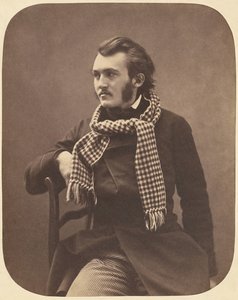
Paul Gustave Doré
1832 - 1883 , Francia
Datos clave
- Artistas Que Influyeron: ['J.J. Grandville']
- Estilo Artístico: Romanticismo
- Fecha De Muerte: 23 de enero de 1883
- Fecha De Nacimiento: 6 de enero de 1832
- Influenciado A Artistas: ['Vincent van Gogh']
- Lugar De Nacimiento: Estrasburgo, Francia
- Nacionalidad: Francés
- Nombre Completo: Paul Gustave Doré
- Obras Notables:
- Los Trabajos de Hércules
- Don Quijote (ilustraciones)
- La Divina Comedia
- El Cuervo
- Londres: Un Peregrinaje