
 Enviar
 Compartir
 Detalles
 Guía
Guía

 Descargar
 Similares
 Presentación de diapositivas
 Preguntas y respuestas
 Estadísticas
Billingsgate, Desembarque de Pescado


 Ver más
Giclée / Impresión de arte
Impresiones giclée o en lienzo de calidad de museo con producción rápida y opciones de acabado flexibles. ( Comprar pintura hecha a mano Cambiar a imagen digital)




































Elija entre nuestros tamaños predefinidos que respetan las proporciones originales de la obra.

Introduzca el ancho y el alto que necesite para adaptarse a su marco o pared. Una impresión solo puede recortarse, nunca hacerse más grande que la imagen original, por lo que un tamaño con una forma distinta perderá parte de la obra. Le enviaremos una maqueta digital para su aprobación antes de realizar cualquier impresión. La imagen que se muestra en esta página no refleja el recorte real; solo la maqueta lo hace.
Envío a todo el mundo () en 2 semanas en lugar de las 4/5 semanas estándar. (7 noviembre)

Envío exprés gratuito a todo el mundo

Lienzo de lino de alta calidad

Seguro de envío total

Garantía de reembolso de aranceles aduaneros

Garantía de fidelidad cromática exacta

Política de devolución de 100 días (solo por defectos)

Garantía de devolución del 100% del dinero

Descuento por cantidad
 La opción de vidrio solo está disponible en tamaños inferiores a 110 cm.

Billingsgate, Desembarque de Pescado
Giclée / Impresión de arte
Dimensiones de la reproducción
-


Precio total final
€ 72
Billingsgate, Landing The Fish – A Window Into Victorian London
Gustave Doré’s “Billingsgate – Landing the Fish” isn't merely an illustration; it’s a visceral plunge into the heart of 19th-century London. Executed as a breathtaking wood engraving in 1872, this piece captures a pivotal moment at Billingsgate Market – the chaotic yet vital arrival of freshly caught fish from the Thames. More than just a depiction of commerce, it's a powerful snapshot of daily life, social observation, and the raw energy that fueled London’s industrial pulse.
The Artist’s Vision: Romantic Realism Embodied
Paul Gustave Doré was a master of what he termed “Romantic Realism.” Born in Strasbourg in 1832, his artistic journey began with the sharp lines and satirical wit of caricatures for journals like *Le Journal pour rire*. However, it was his monumental engravings – particularly those for Dante’s *Divine Comedy* and the Bible – that cemented his reputation. Doré possessed an extraordinary ability to translate not just physical likeness but also the very essence of a subject's character and mood onto paper. Observe how he meticulously renders the weathered faces of the fishermen, their bodies straining with effort, conveying both strength and vulnerability. The dramatic use of light and shadow – particularly the way it catches on the wet scales of the fish – creates an almost palpable sense of atmosphere, drawing you directly into the scene’s bustling heart.
The Art of Wood Engraving: A Demanding Process
Doré's process was extraordinarily demanding, a testament to his dedication and skill. He began with a meticulously sketched design, then transferred it to a large sheet of paper, creating a full-scale template. This drawing was painstakingly transferred to a wood block – typically oak – using specialized tools: gouges and chisels. The artist would carve the image into the wood, creating a series of receding lines that would ultimately be inked and pressed onto paper. This technique produced incredibly detailed images with rich tonal variations, capturing the textures of the fish, the rough fabric of the fishermen’s clothing, and the weathered surfaces of the dockside buildings. The slight texture inherent in wood engraving adds a unique quality to the artwork, enhancing its tactile appeal – a subtle reminder of the craftsmanship involved.
Symbolism & Context: Beyond the Fish Market
"Billingsgate" offers a fascinating glimpse into Victorian London's social and economic landscape. The scene depicts not just a fish market but also the complex interplay of labor, trade, and urban life. The fishermen, depicted with a sense of rugged determination, represent the working class – a common theme in Doré’s work, reflecting the anxieties and aspirations of the era. The crowded dockside, teeming with activity, reflects the dynamism of London's port, one of its most vital economic arteries. Furthermore, the title "Billingsgate" itself became synonymous with profanity and coarse language, reflecting the rough-and-tumble atmosphere of the market – a detail that adds to the scene’s authenticity and immediacy. This illustration is part of Doré’s larger project, “London: A Pilgrimage,” a comprehensive visual record of the city's sights and sounds, intended to capture the spirit of Victorian London for posterity.
A Timeless Masterpiece: Reproduction & Appreciation
OriginalUniqueArt.com offers exceptional hand-painted reproductions of this iconic artwork, allowing you to bring Doré’s dramatic vision into your home or office. Each reproduction is created by skilled artisans using archival quality materials, ensuring that the colors and details remain vibrant for generations to come. Whether you are an art collector, interior designer, or simply someone who appreciates exceptional artistry, this print offers a unique opportunity to own a piece of history – a powerful testament to Doré’s genius and his enduring ability to capture the soul of a city. Consider how this evocative image can add character and depth to any space, transporting you back to the bustling heart of Victorian London.
Preguntas y respuestas
¿En qué estancia se sugiere exhibir "Billingsgate, Desembarque de Pescado", considerando su paleta de colores?
Con su paleta de Tonos neutros, "Billingsgate, Desembarque de Pescado" de Paul Gustave Doré es ideal para una Salón principal. Sus colores son parte de la razón de esta sugerencia.
¿Qué nivel de luminosidad transmite "Billingsgate, Desembarque de Pescado" de Paul Gustave Doré?
En cuanto a la luminosidad percibida, "Billingsgate, Desembarque de Pescado" de Paul Gustave Doré es luminosidad extrema.
¿Cómo puedo descubrir obras de arte similares a "Billingsgate, Desembarque de Pescado" de Paul Gustave Doré?
Puedes encontrar obras similares a "Billingsgate, Desembarque de Pescado" de Paul Gustave Doré en la página de Obras similares de esta obra.
Biografía del artista
Paul Gustave Doré: Una Vida en Ilustración
Primeros Años y Orígenes
- Nacimiento: 6 de enero de 1832, en Estrasburgo, Francia.
- Incluso siendo niño, Doré mostró un talento artístico notable y una personalidad precoz. Hay historias sobre sus bromas tempranas que demostraban una madurez inusual para su edad.
- Inclínaciones Artísticas Tempranas: Comenzó a dibujar a muy temprana edad, mostrando rápidamente una habilidad excepcional.
- A los 15 años, Doré se embarcó en su carrera profesional como caricaturista para el periódico francés Le Journal pour rire.
Desarrollo Artístico y Primeras Obras
- Primeros Encargos: Sus primeras obras incluían libros ilustrados como Los Trabajos de Hércules (1847), Tres artistas incomprendidos y descontentos (1851), y Las Desagradables Aventuras de una Aventura Agradable (1851).
- Influencias: Las ilustraciones de J.J. Grandville fueron una influencia significativa en su estilo temprano.
- Doré rápidamente ganó reconocimiento por sus composiciones dinámicas y el uso dramático de la luz y la sombra, incluso en estas primeras obras.
- Comenzó a recibir encargos para ilustrar la literatura clásica, incluyendo obras de Cervantes, Rabelais, Balzac, Milton y Dante.
Reconocimiento Internacional y Logros Importantes
- Ilustrando a Gigantes Literarios: En 1853, fue encargado de ilustrar las obras de Lord Byron, seguido por un monumental proyecto de Biblia ilustrada.
- El Gitano Errante (1856): Esta obra, aunque popular, contenía undertones antisemitas que reflejaban la época.
- Don Quijote: Sus ilustraciones de 1860 para la Divina Comedia de Cervantes influyeron profundamente en las interpretaciones posteriores de los personajes y la historia.
- El Cuervo (1883): La edición ampliada de Edgar Allan Poe’s “El Cuervo” por Doré le ganó 30,000 francos de Harper & Brothers.
- Londres: Un Peregrinaje (1872): Esta colaboración con Blanchard Jerrold retrataba las duras realidades de la sociedad victoriana y provocó controversia por su enfoque en la pobreza.
Estilo y Técnicas
- Maestría en Grabado en Madera: Doré era un maestro del grabado en madera, creando imágenes increíblemente detalladas y dramáticas.
- Composición Dramática: Su obra se caracteriza por composiciones dinámicas, fuertes contrastes entre la luz y la sombra (claroscuro) y un sentido de grandeza.
- A menudo empleaba un gran equipo de talladores para traducir sus diseños en grabados en madera, lo que permitía la producción masiva.
- Romanticismo: Su estilo está firmemente arraigado en la tradición romántica, enfatizando la emoción, la imaginación y el sublime.
Legado e Importancia Histórica
- Premios y Honores: Doré fue nombrado Chevalier de la Légion d'honneur por el gobierno francés en 1861.
- Sus ilustraciones tuvieron un impacto generalizado en la cultura visual, influyendo a artistas y lectores durante generaciones.
- Influencia en Artistas Posteriores: Inspiró a artistas como Vincent van Gogh, quien admiraba sus representaciones del sufrimiento y la adversidad.
- A pesar de algunas críticas contemporáneas, la obra de Doré es ahora celebrada por su mérito artístico e importancia histórica. Sus ilustraciones siguen dando forma a nuestra comprensión de la literatura clásica y la sociedad victoriana.
- Fallecimiento: Paul Gustave Doré murió el 23 de enero de 1883, dejando atrás un vasto y perdurable legado.
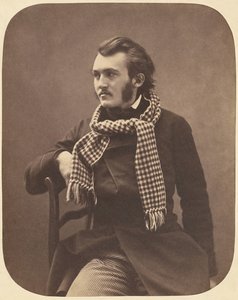
Paul Gustave Doré
1832 - 1883 , Francia
Datos clave
- Artistas Que Influyeron: ['J.J. Grandville']
- Estilo Artístico: Romanticismo
- Fecha De Muerte: 23 de enero de 1883
- Fecha De Nacimiento: 6 de enero de 1832
- Influenciado A Artistas: ['Vincent van Gogh']
- Lugar De Nacimiento: Estrasburgo, Francia
- Nacionalidad: Francés
- Nombre Completo: Paul Gustave Doré
- Obras Notables:
- Los Trabajos de Hércules
- Don Quijote (ilustraciones)
- La Divina Comedia
- El Cuervo
- Londres: Un Peregrinaje
Artículos relacionados

Las 25 obras maestras imprescindibles de la National Gallery de Londres
Explora 25 joyas de la National Gallery, desde Van Gogh hasta Caravaggio. ¡Descubre estas obras maestras en OriginalUniqueArt.com!
Hooked: The Definitive Guide to Bold, High-Impact Fishing Art for Modern Urban Spaces
Ditch the beige minimalism with high-impact fishing art from OriginalUniqueArt.com. From Warhol-inspired prints to bespoke hand-painted oil reproductions, we deliver bold, culturally charged marine masterpieces for modern urban spaces. Premium quality, worldwide shipping.

Obras Maestras de Gustav Klimt: Las 25 Pinturas más Icónicas y Doradas
Explora las 25 obras maestras de Gustav Klimt y su brillo dorado. Descubre este tesoro del Art Nouveau en OriginalUniqueArt.com.
Paul Gustave Doré: A Master of Romantic Realism & the Illustrated Imagination
Explore the captivating world of Gustave Doré, master of Romantic realism & iconic illustrator. Discover his dramatic wood engravings, paintings, and sculptures – a legacy shaping art history. Learn more at OriginalUniqueArt.

El Alma de la Madera: Belleza y Legado del Arte de la Xilografía
Descubre la maestría técnica y el legado histórico de la xilografía y Durero. Explora la esencia del grabado en madera ahora.


