
 Ver en contexto
 Enviar
 Compartir
 Detalles
 Guía
Guía

 Descargar
 Similares
 Radiografía
 Presentación de diapositivas
 Q&A
Q&A Estadísticas
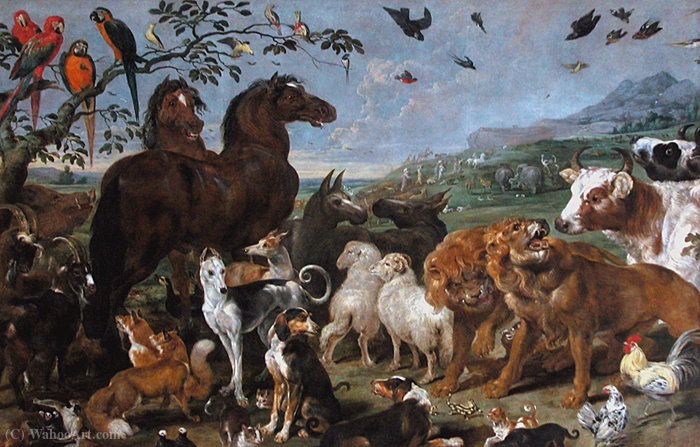
Noah's ark

 Ver más
La obra de arte que se muestra en esta página está protegida por las leyes de propiedad intelectual, lo que significa que no podemos crear ni vender legalmente una reproducción idéntica. Esta protección se hace cumplir en virtud de acuerdos internacionales como el Convenio de Berna y por las leyes nacionales, incluidas aquellas establecidas por el Ley de derechos de autor de los EE. UU. - Título 17.
Como una alternativa respetuosa y legal, ofrecemos obras de arte personalizadas y pintadas a mano inspiradas en la original. Nuestros expertos y profesionales del arte estudian cuidadosamente el estilo, el sentimiento y la esencia artística de la obra original para crear una pieza nueva y única que evoque la misma sensación, siendo al mismo tiempo una creación original por derecho propio.
Este método cumple plenamente con las normativas de derechos de autor, ya que no implica la copia ni la duplicación de la obra protegida. En su lugar, se trata de una reinterpretación creativa: una nueva pintura influenciada por la original, pero que no es idéntica a ella.
Reproducción al óleo hecha a mano
Óleo sobre lienzo pintado a mano en el tamaño y marco de su elección, realizado por encargo por nuestros artistas. ( Cambiar a impresiones Cambiar a imagen digital)




































Elija entre nuestros tamaños predefinidos que respetan las proporciones originales de la obra.

Indique el ancho y el alto que necesite para adaptarse a su marco o pared. Al tratarse de una obra pintada a mano, si requiere un tamaño con una proporción distinta, el artista puede pintar un poco más alrededor de la imagen o recortarla ligeramente; usted elige. Le enviaremos una maqueta digital para su aprobación antes de comenzar la pintura. La imagen que se muestra en esta página no refleja el resultado real; solo la maqueta lo hace.
Tras realizar el pedido, el equipo de OriginalUniqueArt.com enviará un correo electrónico al cliente para solicitar instrucciones y proporcionarle una vista previa del boceto.
Envío a todo el mundo () en 3-4 semanas en lugar de las 5 semanas estándar. (28 octubre). Sin comprometer la calidad.

Envío exprés gratuito a todo el mundo

Lienzo de lino de alta calidad

Seguro de envío total

Garantía de reembolso de aranceles aduaneros

Garantía de fidelidad cromática exacta

Política de devolución de 100 días (solo por defectos)

Garantía de devolución del 100% del dinero

Descuento por cantidad
 La opción de vidrio solo está disponible en tamaños inferiores a 110 cm.

Noah's ark
Técnica de reproducción
Dimensiones de la reproducción
-


Precio total final
€ 264
Biografía del artista
El Maestro de lo Salvaje Flamenco: La Vida y el Legado de Paul de Vos
En la edad de oro del Barroco flamenco, donde los grandes dramas mitológicos y los imponentes retratos solían dominar los salones de la nobleza europea, una maestría más íntima pero igualmente profunda estaba echando raíces. Paul de Vos emergiya como una voz singular dentro de esta era vibrante, desviando su mirada de los cielos hacia la tierra. Mientras sus contemporáneos buscaban inmortalizar a dioses y reyes, De Vos encontró su musa en la energía cruda y palpitante del mundo natural. Sus lienzos se convirtieron en ventanas hacia lo salvaje, capturando la tensión de la caza y la dignidad silenciosa de los bodegones con una precisión que exigía respeto incluso de los mismos maestros que definieron su época.
Nacido en Hulst, Países Bajos, el destino de De Vos estaba inextricablemente ligado al latido artístico de Amberes. Al trasladarse a esta bulliciosa metrópolis siendo un niño pequeño, se vio inmerso en un entorno donde la creatividad era la principal moneda de la ciudad. Su formación formal fue un viaje riguroso a través del prestigioso Gremio de San Lucas, estudiando bajo la tutela de maestros como Denijs van Hove, David Remeeus y Eduard Snayers. Esta profunda inmersión en la tradición amberquina le proporcionó algo más que habilidad técnica; le otorgó la entrada a un círculo de élite de innovadores. La influencia de su cuñado, el legendario Frans Snyders, y la presencia monumental de Peter Paul Rubens actuaron tanto como cimiento como desafío, impulsando a De Vos a refinar un estilo que fuera únicamente suyo.
Una Simbiosis entre Técnica y Naturaleza
La verdadera brillantez de De Vos reside en su capacidad para casar el dramatismo del periodo Barroco con una devoción casi científica por la precisión anatómica. Su obra se caracteriza por un notable sentido del movimiento; uno casi puede escuchar el crujiente de las hojas o el súbito y agudo aliento de un depredador en plena persecución. A diferencia de la escala a menudo abrumadora de las composiciones de Rubens, De Vos dominó una estética más contenida pero igualmente impactante. Utilizó colores luminosos —amarillos cálidos y ocres terrosos— para crear una profundidad atmosférica que infundía vida a sus sujetos.
Su destreza técnica era tan valorada que se convirtió en un colaborador muy solicitado por los gigantes de su tiempo. El registro histórico revela un profundo respeto profesional entre De Vos y Peter Paul Rubens, siendo este último famoso por confiar a De Vos la ejecución de figuras animales dentro de composiciones más grandes y complejas. Esta asociación permitió a De Vos contribuir a algunas de las obras más significativas del siglo XVII, mezclando su talento especializado en la vida silvestre con las grandes estructuras narrativas de los maestros barrocos. Su capacidad para representar la textura del pelaje, el destello en el ojo de un depredador y la delicada decadencia de un bodegón lo distinguió como un especialista de una habilidad inigualable.
Significancia Histórica y Permanencia Artística
El legado de Paul de Vos se extiende mucho más allá de las fronteras de la Flandes del siglo XVII. Desempeñó un papel crucial al elevar la pintura animal de un mero acompañamiento decorativo a un género respetado de las bellas artes. Al centrarse en la belleza intrínseca y el drama del mundo natural, proporcionó un tipo de espectáculo diferente, uno que resonaba con el creciente interés por la historia natural y la realidad visceral de la vida y la muerte.
Hoy en día, sus contribuciones son reconocidas como un componente vital del tapiz Barroco flamenco. Su obra sirve como testimonio de la capacidad de la época para encontrar un significado profundo en los detalles más pequeños de la existencia. A través de su maestría de la luz, el color y el movimiento, De Vos aseguró que las criaturas de lo salvaje ocuparan por siempre un lugar de honor en los anales de la historia del arte. Sus pinturas permanecen como estudios perdurables de:
- Composición Dinámica: El uso de la tensión y el movimiento para guiar el ojo del espectador a través de escenas de caza.
- Precisión Anatómica: Una dedicación meticulosa a la representación realista de la fauna.
- Maestría Atmosférica: La creación de profundidad y atmósfera mediante una paleta sofisticada de tonos cálidos y naturales.
- Excelencia Colaborativa: Su papel en la formación del lenguaje visual de la escuela de Amberes junto a Rubens y Van Dyck.

Paul De Vos
1916 - 2006 , Países Bajos
Datos clave
- Artistic Movement Or Style: Baroque
- Artists Who Influenced This Artist:
- Anthony van Dyck
- Peter Paul Rubens
- Date Of Birth: Hulst, Netherlands (1595)
- Date Of Death: Antwerp (1678)
- Full Name: Paul de Vos
- Nationality: Flemish
- Notable Artworks:
- Diana the Huntress
- Peacock and Cock Fighting
- Place Of Birth: Hulst
Artículos relacionados

Paul Cézanne: Las 25 Obras Maestras que Definieron el Arte Moderno | OriginalUniqueArt
Descubre las 25 obras maestras de Paul Cézanne que revolucionaron el arte moderno. Explora su técnica, inspiración y significado en paisajes, bodegones y retratos. Reproducciones de alta calidad para decorar tu hogar con arte inolvidable. ¡Explora la colección completa en OriginalUniqueArt.com!

Paul Klee: Las 25 Obras Maestras que Definen un Genio del Arte Moderno | OriginalUniqueArt
Descubre las 25 obras maestras de Paul Klee, el genio del arte moderno. Explora su expresionismo único, composiciones abstractas y vibrantes paletas de colores. Reproducciones de alta calidad y decoración con arte en OriginalUniqueArt.com.

Acerca de nosotros
Descubre nuestra historia! Llevamos el arte de clase mundial a tu vida gracias a una selección experta, creaciones personalizadas y vistas previas gratuitas. Aprobado por particulares y empresas desde el año 2000.

Barroco Sublime: 10 Obras Maestras que Definieron una Época |
Descubre las 10 obras maestras del Barroco que marcaron una época. Caravaggio, Bernini y Velázquez cobran vida en . Reproducciones de arte de calidad museo para decorar tu hogar con elegancia. ¡Explora la colección online!

Goya: Las 25 Obras Maestras del Genio Español | Reproducciones de Arte en OriginalUniqueArt
Descubre las 25 obras maestras de Goya, el genio español. Explora retratos icónicos, 'Los Caprichos' y 'Las Pinturas Negras'. Reproducciones de arte en lienzo de alta calidad para decorar tu hogar con estilo. ¡Encuentra tu obra favorita en OriginalUniqueArt.com!
